 The Hilton Garden Inn Fargo: Field Notes on a Standardised Hotel
The Elks Lodge, Grand Forks: The One Decision That Governs Everything
A plain functional hall can be shown or hidden. Choosing which comes before every other decision.
A fraternal lodge hall is an honest kind of room: built for meetings and dinners, furnished practically, lit adequately, and not designed to be looked at. That honesty produces one governing decision, and it is a lighting decision with a stylistic consequence.
The decision is whether the room appears as itself, or whether it is lit out of the picture.
Showing the room means exposing for the ambient so the hall reads as the plain, warm, functional space it is, with the faces lifted modestly. The pictures look like where the day happened, and they have a documentary quality that suits a family-centred wedding.
Lighting it out means underexposing the ambient by two or three stops so the hall goes dark, then lighting the people properly. The pictures are clean, consistent and could have been made anywhere, and for a couple who chose the venue for the room hire rather than the architecture, that is frequently the right answer.
We have not photographed a wedding at the Elks Lodge; lodge and fraternal halls behave consistently. Which rooms are included, whether the lighting is adjustable and what may be attached are questions for their team.
The Elks Lodge at a glance
| Where | Grand Forks, North Dakota |
| The decision | Show the room, or light it out of the picture |
| Show it | Documentary, honest, looks like where the day happened |
| Light it out | Clean, consistent, could have been anywhere — often the right choice |
| Ask first | Rooms included, lighting control, fixings, kitchen and bar access |
The two choices, and how each is executed
Showing the room is the harder of the two and it needs the ambient measured rather than estimated. A hall lit by its own fittings is usually a stop or two below a normal interior — the ceilings are ordinary but the surfaces are frequently dark panelling or patterned carpet, which absorb — so one test frame on arrival gives the number, and it will be lower than the impression.
The method is then one source, off the camera axis, at face height, in a modifier large enough to be soft at working distance, gelled warm to match the room’s own fittings with white balance set to the gel, and exposed half a stop to a stop above the ambient. That reads as light belonging to the room.
The gel is the part that is usually skipped and it is what makes the difference. An ungelled flash is much bluer than the warm tungsten-register fittings most lodge halls still have, which produces faces that look pasted in — the commonest tell in a hall wedding photograph.
Its trade-off is shutter speed. For the ambient to register, the shutter has to be slow enough to record it, which means motion will show — not usually in a posed subject, but in anyone moving through the frame. That makes this approach better suited to deliberate frames than to reportage, and a good reason to have both approaches available rather than one.
Lighting the room out is simpler to execute and produces a more uniform gallery. Set the ambient two or three stops down so the hall goes dark, light the faces properly, and accept that the venue disappears. Ordinary ceiling heights help here, because bounce flash works in a room like this — a ceiling under three metres is a very large soft source, which is the one lighting advantage a plain hall has over a grand space.
That is worth testing with one frame on arrival, because a dark timber ceiling absorbs most of what hits it and tints the rest. Where bounce works, a bounced source needs no stand, follows a walking pace and lights a room evenly, which for the dancing and the reportage is exactly what is wanted.
The practical answer at most weddings is to use both deliberately: show the room for the deliberate frames and the establishing shots, light it out for the portraits and the fast reportage. What produces an inconsistent gallery is not using both — it is letting automatic exposure decide frame by frame, which in a warm dim hall it will do differently every time.
What follows from it
Once the approach is chosen, the rest of the building’s conditions are straightforward and mostly manageable.
Mixed colour is the standing difficulty, because a hall in continuous community use has fittings from several decades: original tungsten-register lamps, fluorescent tubes added in a kitchen or bar, recent LED replacements of variable quality, and any decorative or coloured lighting brought in for the event. Three temperatures on one face cannot be reconciled afterwards, so pick the one that should be correct, set white balance to it, and switch off or overpower whatever else lands on skin.
Switching some fittings off is frequently the cheapest improvement available in a room like this — a fluorescent bank over a serving area contributing a green cast to the far side of every face is worth ten seconds of somebody’s time.
Overhead direction is the second condition and it is why unlit hall frames look tired. Ceiling fittings put light straight down, which fills eye sockets with shadow and cuts a line under every chin — and no exposure correction fixes it. One source placed to the side at face height fixes every face in the room at once, which is the most economical improvement available.
Patterned carpet is the third, if there is one, and it competes with faces at the same spatial frequency while filling the lower third of every standing portrait. Camera height that excludes it is the fastest fix; distance and a wide aperture dissolve it.
Separation is the fourth and in a plain hall it needs building: distance between subject and wall so fall-off does something, the darker end of the room, which every room has, a background that is depth rather than a near surface — a doorway, a corridor, a further room — and a source brighter on the face than the room is on the wall.
The windows are the fifth and they are worth locating first, because a lodge hall usually has some. Largest window on the shaded side, every overhead fitting off so the room has one colour of light, lamps out of frame, two to three metres back from the glass. At Grand Forks’s latitude — about forty-eight degrees north — a north-facing window is shaded all year, while a south-facing one is a moderate high source in summer and a direct low one through most of a winter afternoon, so which window works is a seasonal question with a definite answer.
And the ancillary spaces are worth ten minutes on arrival. A kitchen, a bar, a stair, a corridor and an entrance vestibule all exist in a building like this, and all of them have more character than the main hall — a kitchen in particular is stainless, bright and busy, which is a genuinely good reportage environment, and the people in it are doing something.
- Choose one approach per frame type; never let metering decide
- Show the room: ambient measured, faces a stop above, source gelled warm
- Light it out: ambient two or three stops down, and use the bounce
- Ask for a fluorescent bank to be switched off — it costs nothing
- Ten minutes finds the kitchen, the bar, the stair and the vestibule
Outside, and the Red River Valley year
Outdoors, Grand Forks gives two conditions that are unlike almost anywhere else, and both change what an exterior frame can be.
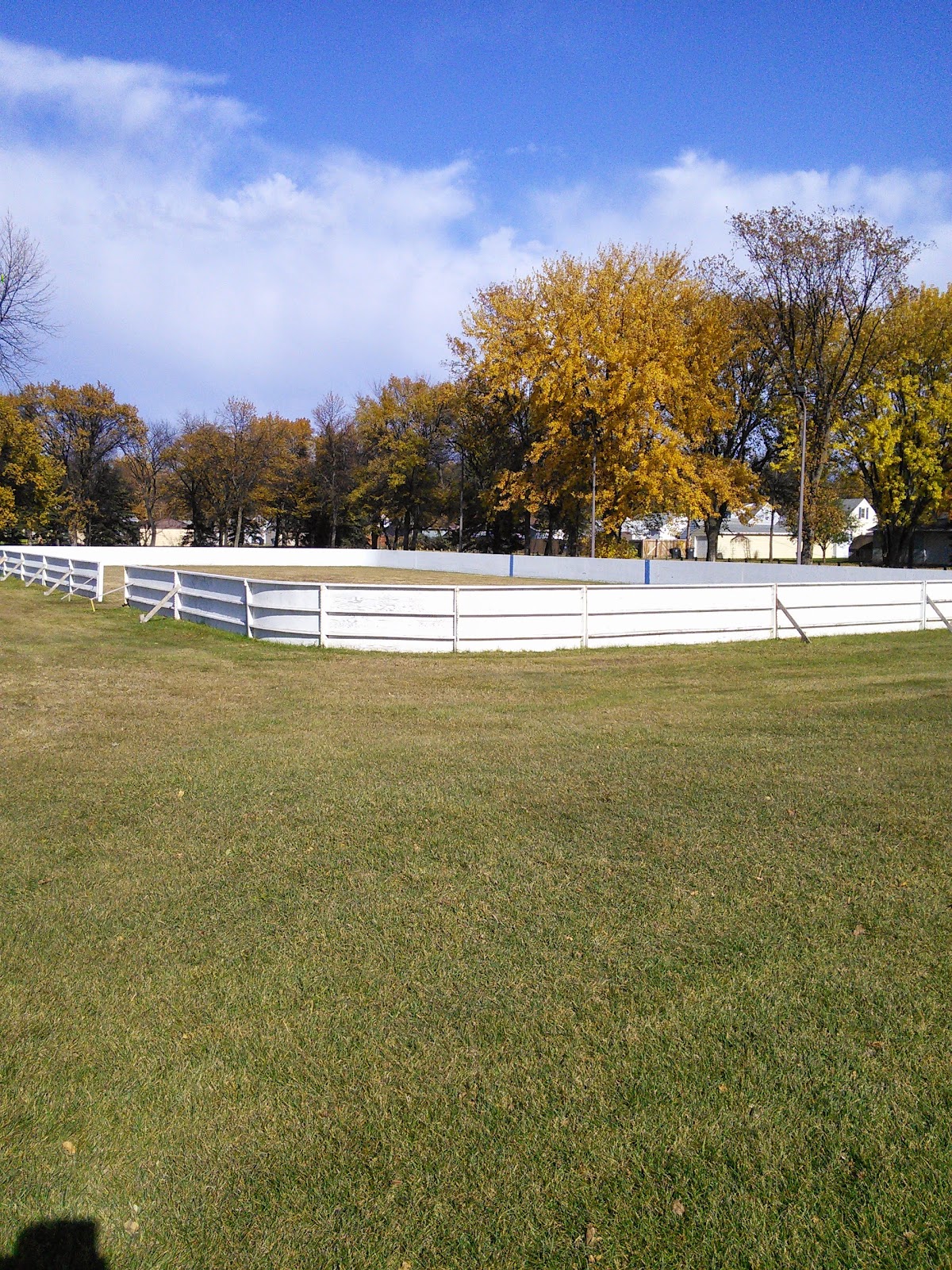
The first is the flatness. This is the bed of a vast glacial lake and it is among the flattest terrain in North America — level for tens of miles rather than gently rolling. So the horizon is a true horizontal line, sunrise and sunset happen at the actual horizon rather than behind something, and the sky occupies most of any wide frame. The sky is therefore the subject rather than the backdrop, and the exposure for any such frame should be set for the sky, with the faces lifted by a source — metering on skin produces a white sky, which is the commonest failure.
The second is the latitude. At about forty-eight degrees north the June midday sun reaches only around sixty-five degrees above the horizon, twenty-odd degrees lower than the southern United States, which means the harsh overhead light that ruins midday elsewhere is milder here and good raking light lasts longer. In December the sun barely clears nineteen degrees all day, which makes a winter afternoon one continuous golden hour — a genuine advantage of a northern winter date rather than a consolation.
Twilight is generous for the same reason: the June sun sets at a very shallow angle, so the sky holds usable light for well over an hour afterwards, turning the crossing frame — when the sky and the building’s own lighting sit at the same brightness — into a relaxed half hour rather than a scramble. In January’s clear cold air it is shorter and much sharper.
Wind is the constant and on ground this flat there is nothing at all to break it. This is among the windiest inhabited country in North America, and the practical consequences are specific: a lightstand outdoors is a liability rather than a tool, a veil behaves unpredictably, a held diffusion panel is a sail, and hair needs managing. A source in a hand or on a bracket, and a position on the lee side of the building, are the working answers — and the building itself is the best windbreak available.
Winter is long and severe, with temperatures well below freezing for months and snow cover through much of it. Snow does two useful things. Outdoors it is the best natural fill available, lifting exactly the shadows a low sun carves while fooling a meter by about two stops. Indoors it turns the ground into an enormous reflector, so the hall’s windows give softer, brighter and more even light in February than in June.
The practical winter constraints are real rather than rhetorical. Cold drains batteries quickly, so spares belong in an inside pocket rather than a bag. An outdoor block in formal clothes at these temperatures is five minutes with coats rather than twenty without, and that is a welfare judgement rather than a photographic preference. And fogging runs one way: a cold body brought back into a heated hall fogs on every surface at once and does not clear quickly, so bodies stay bagged until they have warmed — which means planning the return as well as the departure.
Summer is warm, bright and comparatively dry, with severe thunderstorms possible. On terrain this flat an approaching storm is visible for a long time before it arrives, which is both a useful warning and the most dramatic frame the landscape produces. And the very long June evenings mean the crossing falls late, which needs agreeing in advance as a short deliberate excursion.
More frames from The Elks Lodge
The Elks Lodge wedding photography: common questions
What is the one governing decision?
Whether the room appears as itself or is lit out of the picture. It determines what every frame looks like and cannot be revisited later.
What does showing the room require?
Measuring the ambient, then lifting the faces half a stop to a stop above it with one warm-gelled source, with white balance set to the gel.
Why gel the flash?
Because an ungelled source is much bluer than the warm fittings most halls still have, which makes faces look pasted in — the commonest tell in a hall photograph.
Does bounce flash work here?
Usually yes, which is the one lighting advantage a plain hall has. A ceiling under three metres is a very large soft source; test it, since dark timber absorbs.
Which window should be used?
It is seasonal. At forty-eight degrees north a north-facing window is shaded all year, while a south-facing one is a direct low source through most of a winter afternoon.
What is unusual about the outdoor light?
The terrain is among the flattest in North America, so the sky occupies most of any wide frame. Expose for the sky and lift the faces, or the sky goes white.
More Grand Forks, ND venue guides
We are writing a photographer’s guide to every venue we would happily shoot in Grand Forks, ND. Here are three more, plus the full index:
- The Grand Forks Country Club: One Frame, and How It Is Made
- The Grand Theatre, Grand Forks: What It Suits, and What It Does Not
- The Alerus Center, Grand Forks: Field Notes on a Very Large Venue
Planning a wedding at The Elks Lodge?
Decide how the room appears. Tell us your date and we will make it consistent.