 The Thunderbird Inn: Field Notes on a 1964 Motor Inn
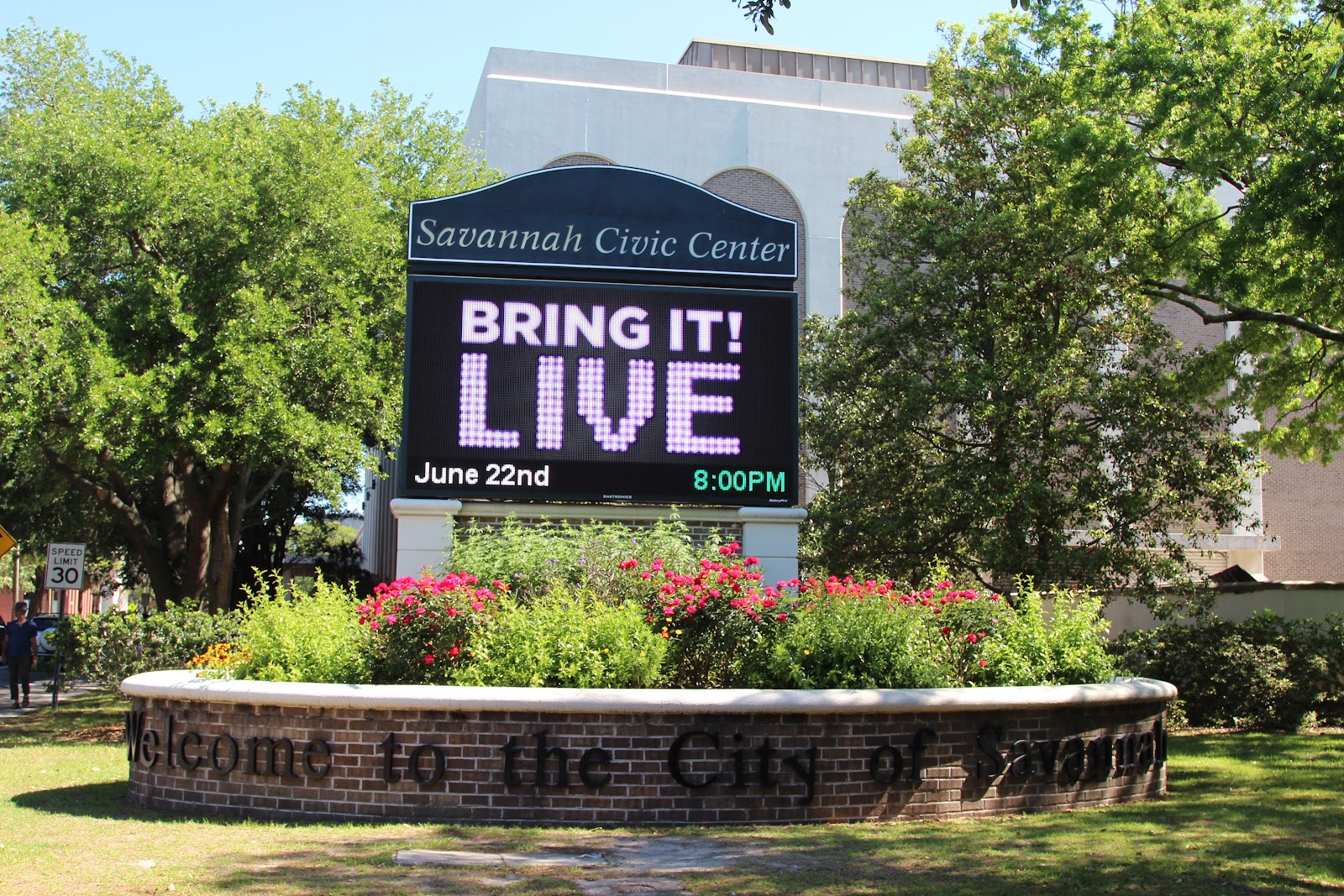
The Savannah Civic Center, Savannah: The Light Through the Day
The building is a box. The city outside is the venue.
There is no point pretending otherwise: the light at this venue is outside it.
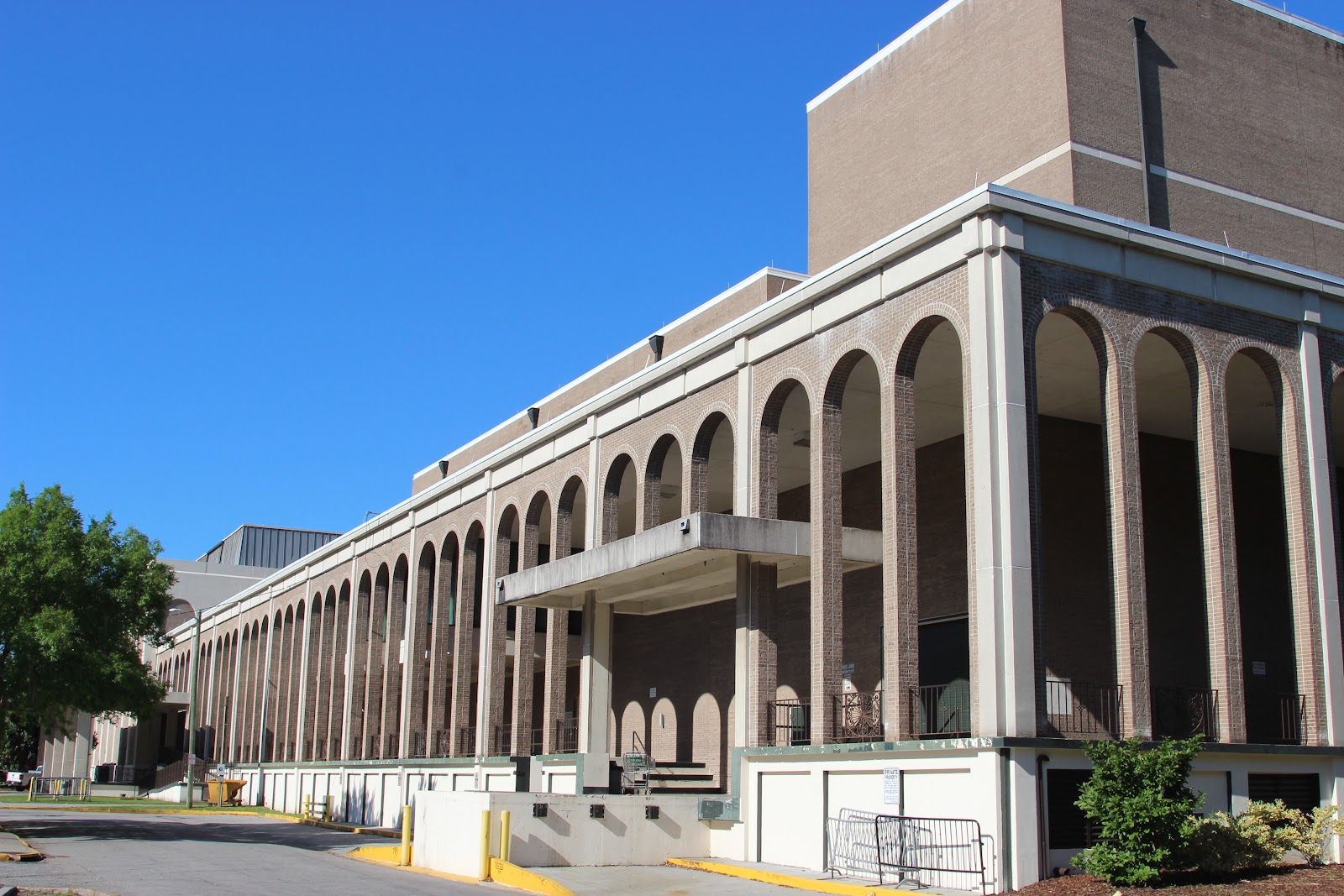
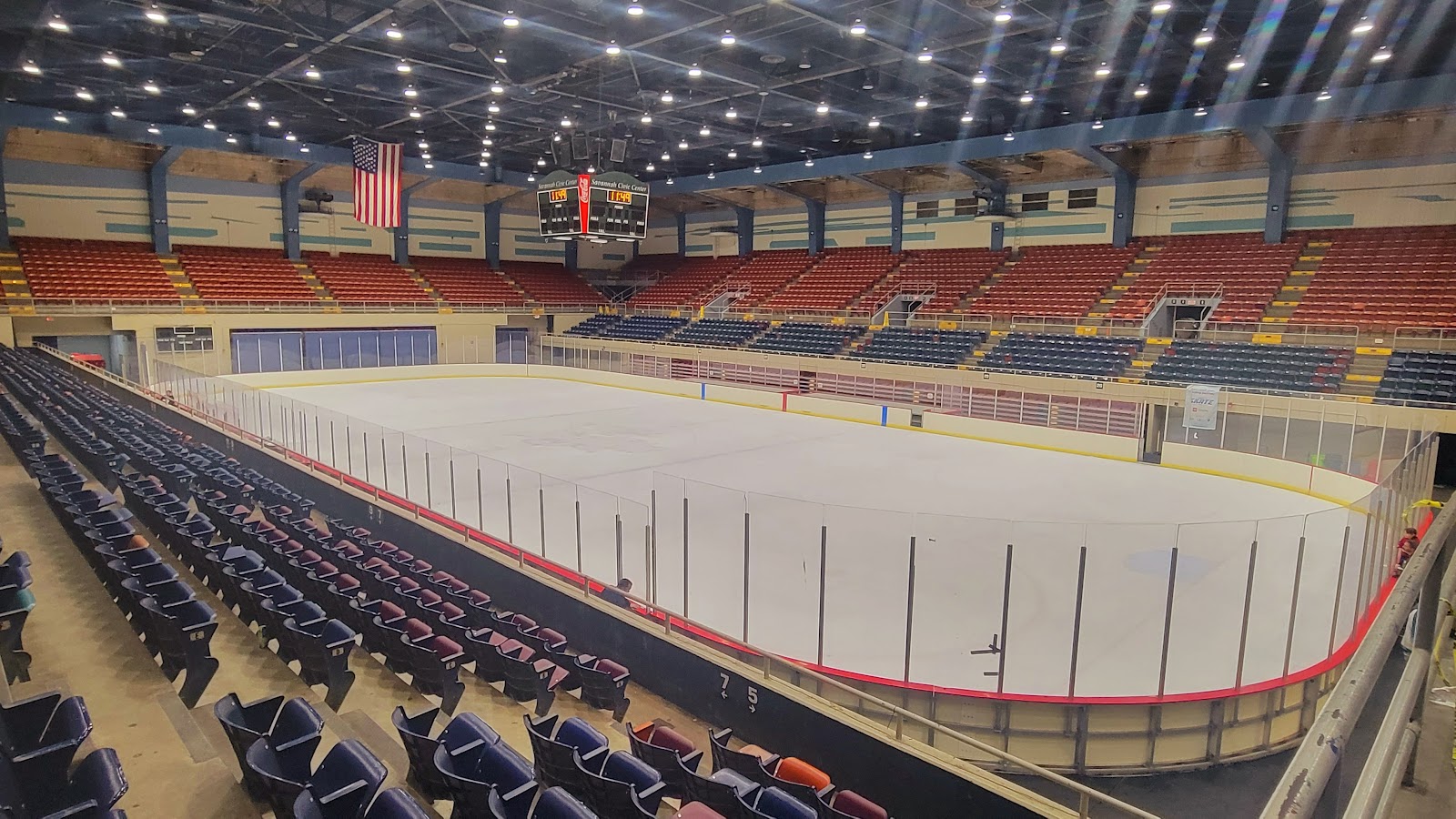
The Savannah Civic Center is a municipal complex in downtown Savannah — an arena and a theatre, built in the second half of the twentieth century, with function and circulation space around them. It is a working civic building rather than a designed wedding venue, and its principal spaces are windowless by definition. An arena has no daylight because an arena cannot have daylight; a theatre auditorium has none for the same reason.
So the honest framing is that the building is where the event happens and the city is where the photographs happen, and the two are about two blocks apart.
That turns out to be a very good deal, because the city in question is one of the finest urban landscapes in the United States for a photographer, and almost none of it requires permission from anybody.
Savannah was laid out in seventeen thirty-three on a plan of wards, each built around a public square, and twenty-two of those squares survive. They are planted with live oak, hung with Spanish moss, enclosed by eighteenth and nineteenth-century houses in brick and stucco with ironwork balconies and steps, and they are connected by a grid that means you are never more than a minute from the next one.
For a wedding photographer that is close to ideal: a dense sequence of small enclosed green rooms with mature canopy and period architecture, on public streets, within walking distance, each slightly different from the last.
So the structure of a day here is unusual. Instead of a venue whose light changes through the day, you have a windowless venue that is identical at every hour and a city outside whose light changes constantly — which means all the scheduling decisions are about when to be outside rather than where to be inside.
That is the subject of this guide: the day, hour by hour, in the city, with the building as the base it runs from.
Two numbers to carry through. Savannah sits at about thirty-two degrees north, which gives a midsummer noon sun near eighty-one degrees, a midwinter noon sun near thirty-four and a half, and civil twilight of about twenty-three to twenty-four minutes with a usable balance point of ten to twelve.
And one practical fact about the building. Establish which space you have and whether any part of it has exterior glazing — a foyer or a circulation level may well have street-facing glass, and if it does, that is the only natural light in the building and it is worth knowing about before the morning.
The Savannah Civic Center at a glance
| Where | A municipal arena and theatre complex in downtown Savannah, Georgia |
| The honest position | The principal spaces are windowless; the light is in the city outside |
| What is outside | Twenty-two surviving public squares with live oak, moss, brick and ironwork |
| The structure | A venue identical at every hour, and a city that changes constantly |
| Ask first | Which space you have, whether any part has glazing, and lighting permissions |
Morning and the middle of the day
Start in a square in the first two hours after sunrise, because that is when they are empty and when the light does something it does at no other hour.
A Savannah square is a small enclosed space surrounded by buildings and roofed by live oak canopy. Early, with the sun low, light comes in almost horizontally under the canopy and along the streets, so the square is lit from the side rather than from above — which is the one condition in which a space of that geometry is properly modelled. Trunks are raked, moss is backlit and glowing, and the brick on the east side of the square takes direct warm light.
They are also empty. Savannah’s squares are busy places from mid-morning onward, and at seven they are yours.
If a couple is staying downtown and willing to be dressed early, a twenty-minute walk through two squares before breakfast produces frames that cannot be made at any other point in the day. It is the single most valuable thing to put on a Savannah timeline and almost nobody does it.
Through the morning the sun rises and the squares change character completely. By mid-morning the light is coming from above rather than from the side, and a live oak canopy overhead means dappled shade — hard bright patches on faces several stops above the surrounding skin, which cannot be recovered. That is the condition to avoid, and it arrives earlier than photographers expect.
The answer is the canopy edge rather than the canopy centre. Under the middle of a live oak, faces are lit by light filtered through leaves, which is genuinely green, and speckled with dapple. At the edge of the canopy — a path, a kerb, a gap between trees — faces are lit by open sky arriving horizontally, cleanly and softly, with the canopy still filling the frame above. It is a two-metre walk and it resolves both problems at once.
That single piece of positioning is the most useful thing in this guide for any hour between mid-morning and mid-afternoon.
The middle of the day at this latitude is a genuine problem outdoors and a solved one indoors. A midsummer noon sun near eighty-one degrees is high enough to be difficult on any open ground, and Savannah’s squares are the answer in a way most cities cannot match: live oak is evergreen, broad and low-crowned, and it casts solid shade with no dapple in January exactly as in July, so there is always deep canopy within a minute’s walk.
Use the shade and the architecture rather than the open centre. The streets between squares are narrow enough to be canyons at midday, which puts a band of open shade along one side — good directional portrait light at the worst hour — and the buildings themselves are the region’s friendliest material.
Savannah’s brick is grey rather than red, which is unusual and worth exploiting: a cooler, softer, more neutral background than the warm brick of most American cities, and one that sits well behind almost any palette. Stucco, tabby — a local concrete made with oyster shell — and painted ironwork give you three more surfaces, all of which read as material in raking light and as flat planes under a frontal sun.
The ironwork is the detail to use. Savannah is full of cast and wrought iron — balconies, railings, steps, gates, fences — and iron is a fine, dark, repeated linear element that a subject can be photographed through, behind or beside. A frame shot through a railing at a subject beyond it gives a soft dark foreground pattern that a plain street cannot.
And the middle of the day is when the building earns its place. If the interiors are windowless, they are also unaffected by the hour, which means the getting-ready, the formal groups, the ceremony and anything else that needs a roof can be scheduled at noon without cost. On a Savannah summer day that is not a compromise; it is the correct use of the worst three hours.
Late afternoon, dusk and the building at night
From about two hours before sunset the city turns on, and it happens in a sequence worth knowing.
First the upper facades. In a grid of narrow streets and enclosed squares, a low sun reaches the upper storeys long before it reaches the ground, so for a while you have lit brick and stucco above and shaded street below. That is a specific and often-missed frame: a couple in cool shade on a pavement with warm lit facades rising behind them. It is a two-tone photograph and it needs nothing from you but the position.
Then the ground, in the streets that run the right way. Savannah’s grid means that at any given time of year some streets are aligned closely enough with the setting sun to be lit end to end, and others are entirely in shade. Which ones changes through the year, because the sun’s setting azimuth swings substantially — so a street that glows in June is shaded in December.
That is worth checking for the actual date rather than trusting a summer scout. A lit street canyon with the couple in it, backlit, with the low sun in the frame or just outside it, is the best exterior frame the city offers in the last hour.
Then the squares again, and they are at their best now. A low sun under a live oak canopy gives raking light along the trunks, glowing backlit moss, and long shadows across the ground, and the enclosure that made the square difficult at midday makes it beautiful at seven. Work at the edges of the canopy for faces and use the interior of it for atmosphere.
Then the river, which is four or five blocks north and downhill. Savannah sits on a bluff above the Savannah River, and the waterfront below is reached by steep ramps and stairs of ballast stone — cobbles brought as ship’s ballast and laid as paving, which is a genuinely distinctive surface. Wet, in raking light, ballast stone is superb; dry at midday it is grey lumps.
The river itself is a working shipping channel, which is the thing to use. Container ships and freighters pass close to the bluff, and a very large vessel moving behind a couple is a strong and specific frame that says Savannah rather than anywhere. It cannot be scheduled, but traffic is frequent enough that watching for twenty minutes is usually rewarded, and a long lens makes the ship loom rather than sit small.
The bluff also gives you the only real elevation in a flat city: from the top you are looking down on the waterfront and across the river, which is worth two frames.
Then the balance point, ten to twelve usable minutes after sunset. In Savannah the best version is in a square rather than at the river: the street lamps and the lit house fronts come up, the sky holds a graduated blue above the canopy, and the moss catches the artificial light. Light the couple with one small warmed source, because at any exposure holding the sky and the lamps a face is dark.
Have the square chosen and the light set up before the window opens. Ten minutes is one frame made properly, or two if both positions are within thirty seconds of each other.
And then the building at night, which is where the reception is and where the technique matters.
A windowless municipal interior gives you no reference light at all, which means whatever scheme is installed or brought in is the entire condition. Establish the ceiling: pale and at a normal height means two lights bounced into opposite corners will lift a room by a stop and a half invisibly, and a high dark serviced ceiling — likely in an arena — means no useful bounce and a modifier instead.
In an arena or a large hall, do not try to lift the volume. Treat it as a black studio: one light close and feathered, with a great depth of dark space behind the subject, which separates them completely because the background sits four or five stops down. It is fast, it repeats anywhere, and in a very large room it is the only thing that works.
Mixed and coloured light is the other issue. A municipal venue accumulates fixtures, and an event will add its own uplighting in whatever colour the designer chose. Ask what colour that will be, because a room washed in deep blue or magenta changes every skin tone in it and gelling your key to match is far easier than fighting it. Choose the dominant source, balance for that, and let the rest fall — do not average.
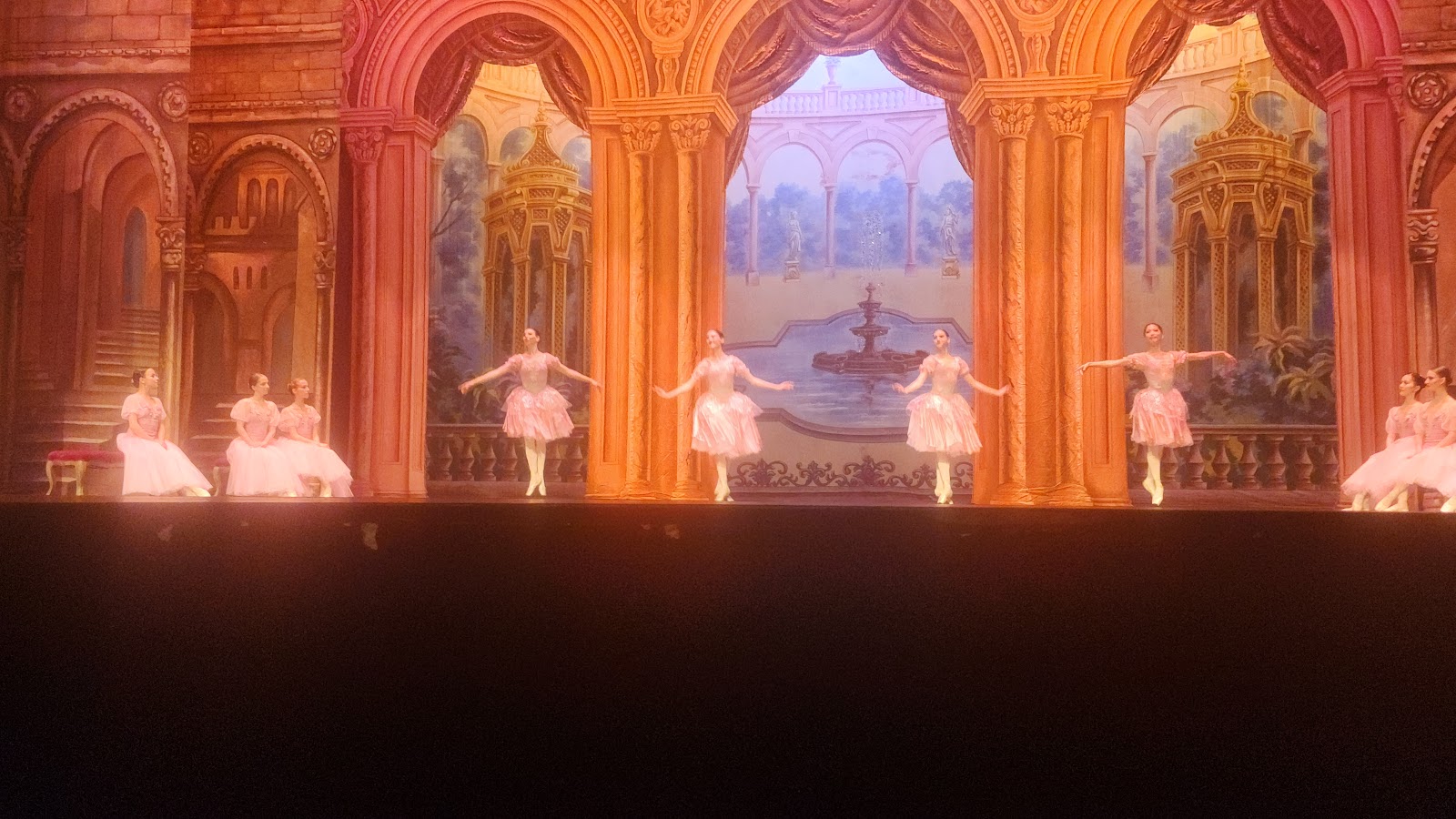
A theatre auditorium, if you have one, is a different and better proposition: a designed room with an axis, tiered seating, and stage lighting that can be aimed. If stage lighting is available to you, one wash from a front-of-house position onto a couple standing centre stage, with the auditorium dark behind, is a photograph of real quality and it takes one conversation with a technician.
Savannah, and the year
Two features of this city do most of the photographic work and both are consequences of the original plan.
The squares are the first, and their value is that they are enclosed. A square surrounded by buildings and roofed by canopy is a room: it has walls, a ceiling, a floor and a defined edge, which means it behaves like a courtyard rather than like open ground. Light arrives from above and from bounce off the surrounding facades, so the whole space is soft with a gentle top-down direction, and the edges of it — where a street enters, where the canopy stops — are where the directional light is.
They are also varied. Twenty-two squares built over two centuries are not identical: some are densely planted and dark, some are open and bright, some have monuments at the centre and some do not, and the surrounding architecture differs from ward to ward. Walking three of them on a scout and choosing two is a far better use of an hour than photographing one exhaustively.
The live oaks are the second, and they behave unlike any tree in the northern half of this library. Evergreen, broad and low-crowned, with heavy limbs running out horizontally and dipping toward the ground, they cast solid shade with no dapple year-round — so one of them is a reliable midday position in any month, and a January frame in Savannah looks much like an October one. That is why the off season here costs so little in appearance.
Spanish moss is the region’s signature detail and it is not a moss but a bromeliad, an air plant, hanging in grey-green translucent streamers. Backlit against a low sun it glows, and a curtain of it in the foreground gives depth to a frame that would otherwise be flat. Look for resurrection fern on the upper surfaces of the big limbs while you are there: it greens within hours of rain and curls brown in a dry spell, so the same limb photographs completely differently depending on the week.
The city is also flat. There is no relief at all except the river bluff, which means no elevated viewpoints, no slopes to separate a subject from a background, and level horizons — so any camera tilt is immediately obvious. Use a level outdoors.
Humidity is the atmospheric condition and it defines the summer. Dewpoints in the mid to high seventies mean water vapour fills shadows by something like two and a half stops against a dry climate, so shadow edges are soft, eye sockets hold detail, and open shade at midday is genuinely workable rather than hopeless. The costs are a pale washed sky, haze on long lenses, and a lens that fogs within seconds moving from an air-conditioned building into this air — which at a venue with repeated indoor-outdoor transitions is a recurring event rather than a one-off. Keep the body warm.
December through April is the season and the reversal against most of this library is emphatic. Mild, comparatively dry, sunny, with a February noon sun near forty-five degrees that models a face properly and rakes brick and ironwork rather than flattening them. Azaleas and camellias through late winter and early spring, and the city’s famous spring display in late March. And because the oaks are evergreen and the moss hangs year-round, the squares look substantially the same in January as in October.
That is the argument for a winter or early-spring date, and it is a strong one. The only cost is a shorter day, with sunset around half past five in February, which puts the balance point before six — during cocktails rather than after dinner, which needs to be a named item on the timeline.
May through September is the constraint outdoors. Nineties heat with high-seventies dewpoints, in formal clothing, is a welfare matter before a photographic one, and coastal Georgia has mosquitoes and biting midges near dusk that will determine how long anybody stands anywhere. The practical shape is the two ends of the day in the squares and the middle inside — which at a windowless venue is a genuine convenience.
Afternoon convection is near-daily in the wet season and this region receives a great deal of lightning, so any outdoor element in summer needs a covered alternative. At this venue that is not a problem: the building is enormous and it is right there. For a couple weighing a windowless municipal venue against an outdoor one on this coast, that resilience is the strongest argument available and it is rarely made.
Hurricane season runs June through November and peaks in August and September, and on the Georgia coast it is a real consideration rather than a remote one — a named storm offshore a week out disrupts travel, suppliers and accommodation whether or not it lands nearby. A summer or early-autumn date deserves a genuine contingency.
The compensation is the half hour after a cell clears, which in Savannah is the best light of the year: washed air, wet ballast stone and wet brick several tones darker and far more saturated, standing water in the squares reflecting the canopy, moss beaded and glowing, and a low sun under a broken ceiling into a street canyon. Wet Savannah is a considerably better city than dry Savannah. If a storm goes through at six, do not pack.
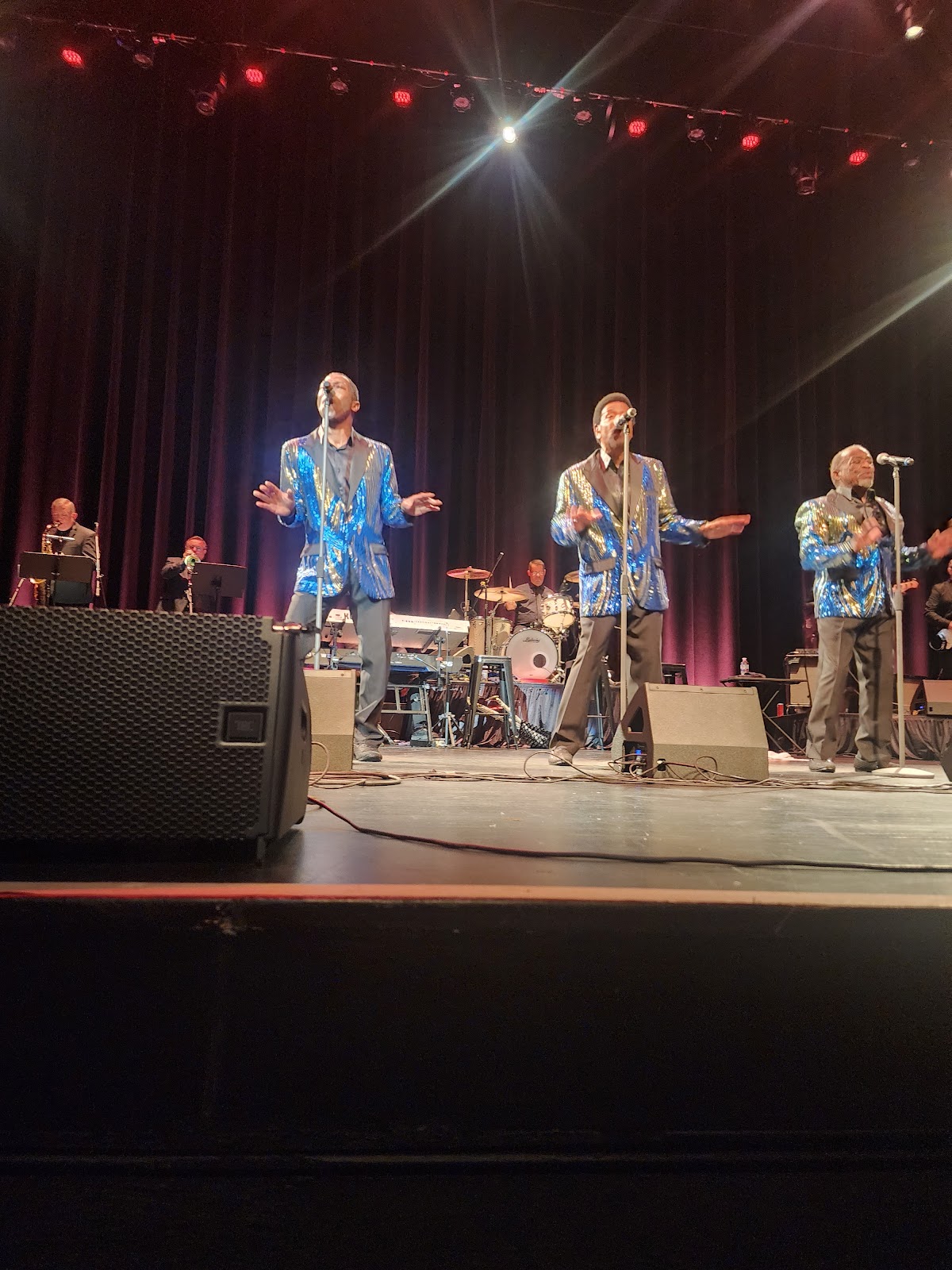
Two closing notes. Establish what else is on at the building on the date, because a municipal arena and theatre run their own programme and a concert or a convention changes access, noise, parking and the availability of the space you were counting on. And check the city’s own calendar — Savannah hosts very large public events at certain times of year that fill the historic district entirely, which is a logistical matter rather than a photographic one but a decisive one.
More frames from The Savannah Civic Center
The Savannah Civic Center wedding photography: common questions
Is there really no daylight in the building?
In the principal spaces, no, and that is structural rather than a fault — an arena cannot have daylight and a theatre auditorium has none for the same reason. Establish which space you have and whether any part of the complex has exterior glazing, because a foyer or circulation level may well have street-facing glass and if it does that is the only natural light in the building. Otherwise the honest position is that the event happens in the building and the photographs happen in the city, about two blocks away.
Why is that a good deal?
Because Savannah was laid out in 1733 on a plan of wards each built around a public square, and twenty-two of them survive — planted with live oak, hung with Spanish moss, enclosed by eighteenth and nineteenth-century brick and stucco with ironwork, and connected by a grid so you are never more than a minute from the next one. That is a dense sequence of small enclosed green rooms with mature canopy and period architecture, on public streets, each slightly different from the last.
What is the single most useful piece of positioning?
Work at the canopy edge rather than the canopy centre. Under the middle of a live oak, faces are lit by light filtered through leaves — which is genuinely green — and speckled with dapple that puts hard bright patches several stops above the surrounding skin and cannot be recovered. At the edge of the canopy, faces are lit by open sky arriving horizontally, cleanly and softly, with the canopy still filling the frame above. It is a two-metre walk and it fixes both problems.
When should we be outside?
Two hours after sunrise and two hours before sunset. Early, the squares are lit horizontally under the canopy rather than from above — properly modelled, moss backlit, brick on the east side warm — and they are empty, which they are not from mid-morning onward. Late, a low sun reaches the upper facades before the ground, giving lit brick above and shaded street below, and the streets aligned with the setting sun glow end to end. Which streets those are changes through the year, so check for the actual date.
What about the river?
Four or five blocks north and downhill, reached by ramps and stairs of ballast stone — cobbles brought as ship’s ballast, which are superb wet in raking light and grey lumps dry at midday. The river is a working shipping channel, and a very large vessel passing close to the bluff behind a couple is a strong frame that says Savannah rather than anywhere. Use a long lens so the ship looms, and note that the bluff is the only real elevation in an otherwise completely flat city.
When is the best time of year?
December through April, and the reversal is emphatic. Mild, comparatively dry and sunny, with a February noon sun near forty-five degrees that models faces and rakes brick and ironwork, azaleas and camellias in late winter, and the city’s spring display in late March — and because the live oaks are evergreen and the moss hangs year-round, the squares look substantially the same in January as in October. The one cost is a shorter day: sunset around half past five in February puts the dusk window during cocktails, so it needs to be on the timeline by name.
More Georgia venue guides
We are writing a photographer’s guide to every venue we would happily shoot in Georgia. Here are three more, plus the full index:
- The Tybee Island Lighthouse, Tybee Island: A Walk Through the Station
- The Cotton Sail Hotel: Building the Shot List on River Street
- The Forsyth Park Fountain: A Photographer Answers Your Questions
Planning a wedding at The Savannah Civic Center?
The building at noon, the squares at seven and seven. Tell us your date.