 The Cheyenne Crossing, Cheyenne: The Problem, and Four Ways Out of It
The Grand Targhee Resort, Alta: Suits and Does Not Suit
West side of the range. That single fact is the argument.
This venue divides couples on altitude and on access, and it has one geographical advantage that most people do not realise it has.
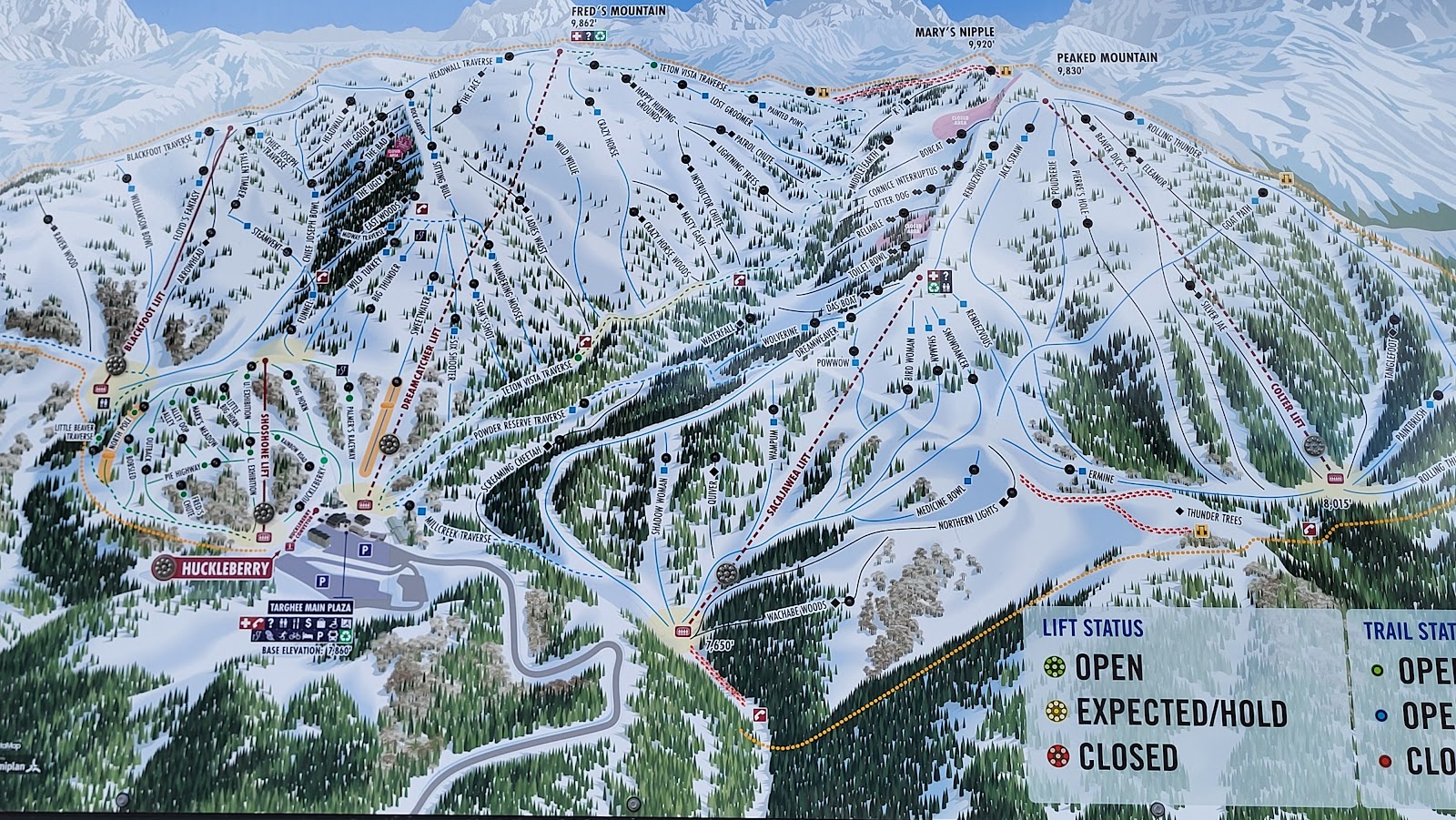
Grand Targhee sits on the western slope of the Teton range, in Alta, Wyoming, at a base elevation somewhere above two thousand four hundred metres. It is a ski resort with lodging, lifts, function space and a summer operation, and it is reached from the Idaho side of the range rather than from Jackson.
The geographical advantage is the side of the mountain it is on, and it matters more than anything about the buildings.
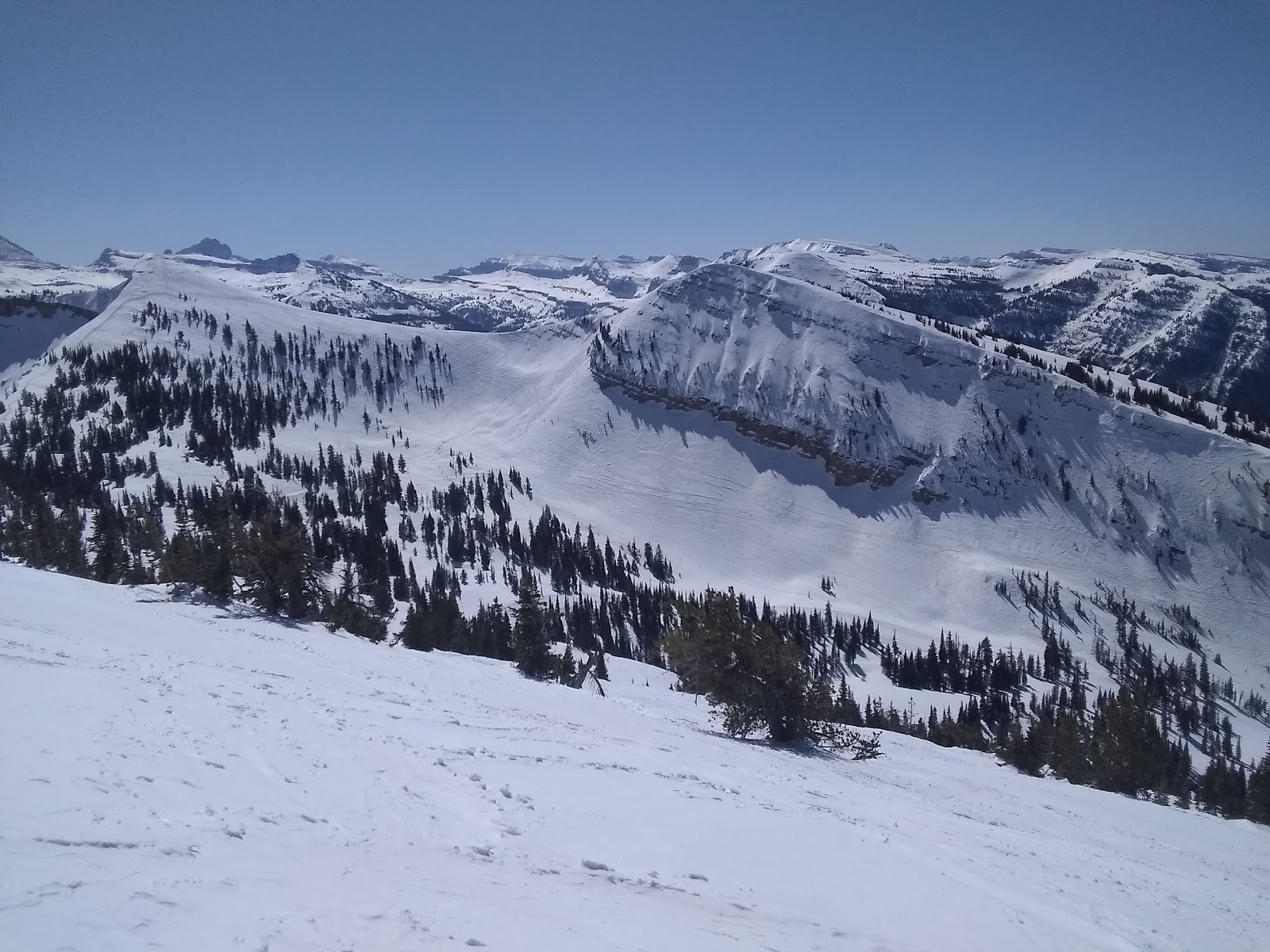
From here, the Tetons are to the east. Which means that in the last hour of the day the low sun, coming from the west behind you, strikes the western faces of the peaks directly — so the range is front-lit and warm at sunset, going gold and then rose while the sky behind it deepens to blue.
From Jackson Hole, on the other side, the same peaks are to the west. There the classic light is at sunrise, and at sunset you are looking into the sun at a silhouette.
So the west side gives you a lit mountain range in the evening, which is the hour a wedding is actually available. That is a genuine and under-appreciated argument for this venue over the more famous side of the range, and it is worth stating plainly to a couple who have been looking at Jackson.
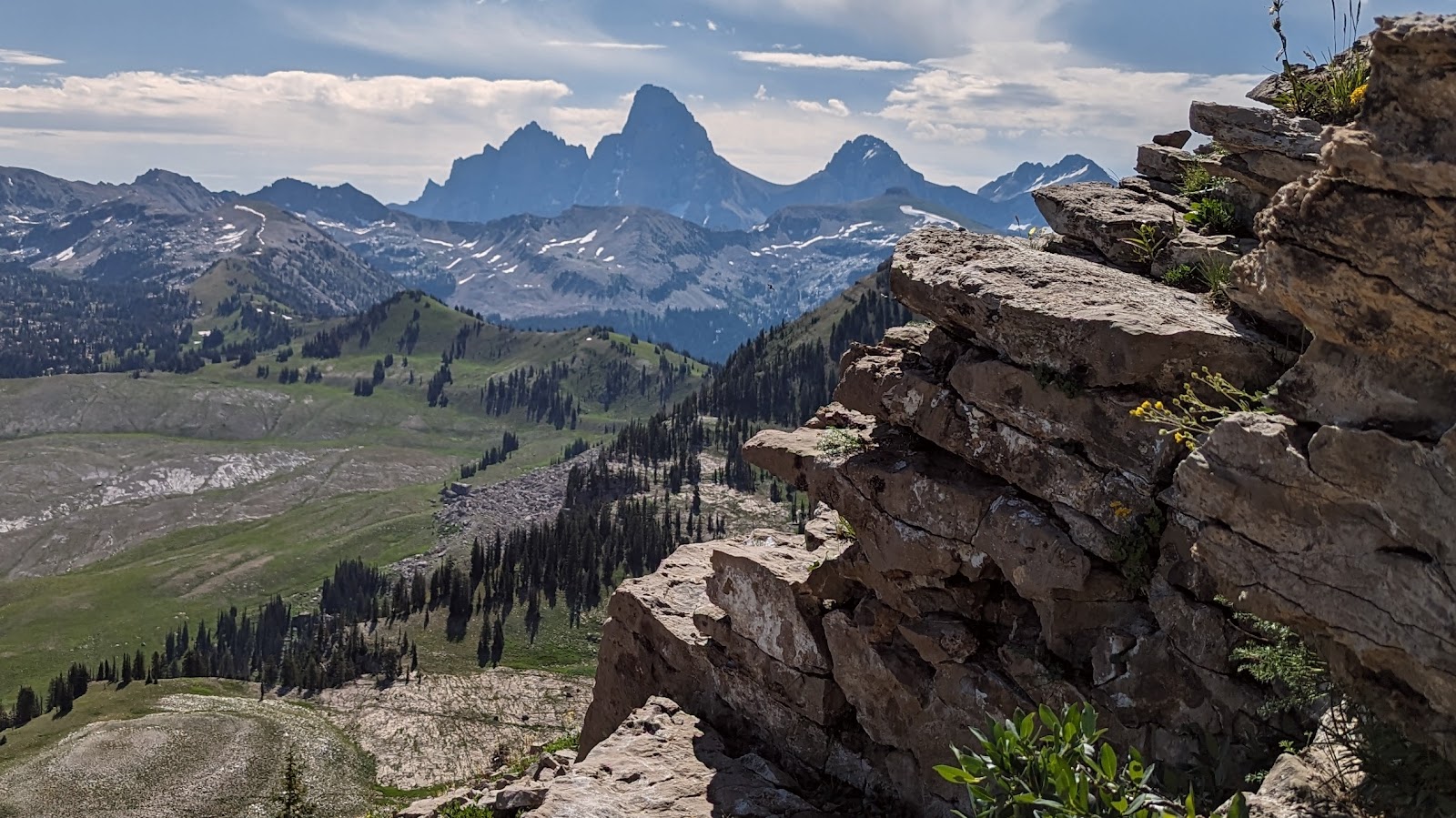
The range itself is the other geographical fact. The Tetons rise from a fault, without foothills, so the peaks stand something like two thousand metres directly above the valleys on either side. There is no gradual approach and no intervening ridge line: the whole mountain is visible in one frame from close range, which is why this range photographs as it does and why almost nowhere else in the lower forty-eight looks like it.
Against those two assets, the venue has real constraints and they are all consequences of being at altitude in a ski resort.
Altitude at two thousand four hundred metres is genuinely felt. Guests arriving from sea level will be breathless on any slope, dehydrate faster in very dry air, and find alcohol markedly stronger than expected. Sunburn happens much faster, and snow or pale ground reflects ultraviolet upward.
For the camera it means thin air: very little scattering, so shadows are hard and four or five stops down with no fill available, the sky is deeply saturated, and distance resolves with extraordinary clarity. Bring desert instincts to a mountain.
And the season is short and bimodal. A ski resort is a winter operation with a summer operation attached, and the shoulders in between are genuinely closed or thin. So: what it suits, what it does not, and then the range and the year.
The Grand Targhee Resort at a glance
| Where | A ski resort on the western slope of the Tetons at Alta, Wyoming, above 2,400 m |
| The advantage | West side, so the peaks are front-lit and warm at sunset, not silhouetted |
| The range | The Tetons rise from a fault with no foothills — the whole peak in one frame |
| Does not suit | Sea-level guest lists, long seasons, or anyone wanting a short drive |
| Ask first | What is operating in your month, and the indoor capacity as a number |
What it suits
It suits a couple who want the mountains lit rather than silhouetted, and that is the whole reason to prefer this side.
The evening frame here is a range of peaks taking direct warm light from the west while the eastern sky deepens behind them, with the couple in the foreground. That is a complete composition and it is available in the hour a wedding actually has, rather than at five in the morning. On the Jackson side the same frame is a dark outline against a bright sky, which is dramatic and is not the same photograph.
It suits a wedding where everybody stays put. A resort with lodging, function space and the ceremony site within a few hundred metres means guests do not drive mountain roads in the dark, the wedding party does not travel, and the last hour of light is spent working rather than moving. In the Teton region, where distances are real and roads are seasonal, that is worth more than it would be in a city.
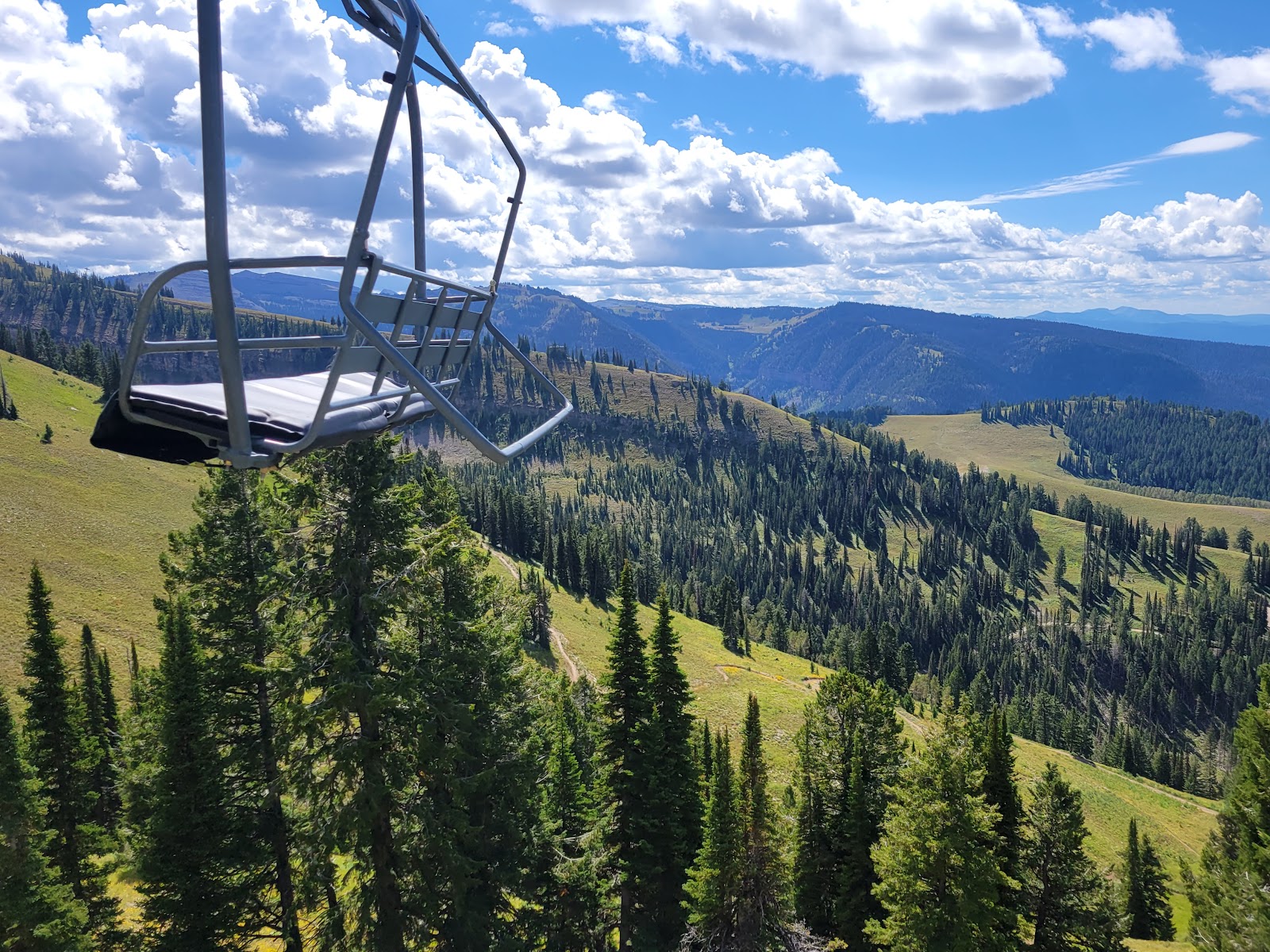
It suits a summer or early-autumn date. The resort’s summer season gives warm dry days, cold clear nights, wildflower meadows at altitude, and lift access that may take a wedding party higher than they could walk — which is worth asking about specifically, because a lift-served viewpoint is a genuinely different frame from a base-area one.
It suits late September, which is the best-looking fortnight of the year here. Aspen turns gold at altitude in the second half of the month, and gold aspen against dark conifer with a grey rock range behind it and a deep blue sky above is about as good as the northern Rockies look. The air is at its clearest, the crowds have gone, and the mornings are cold and still.
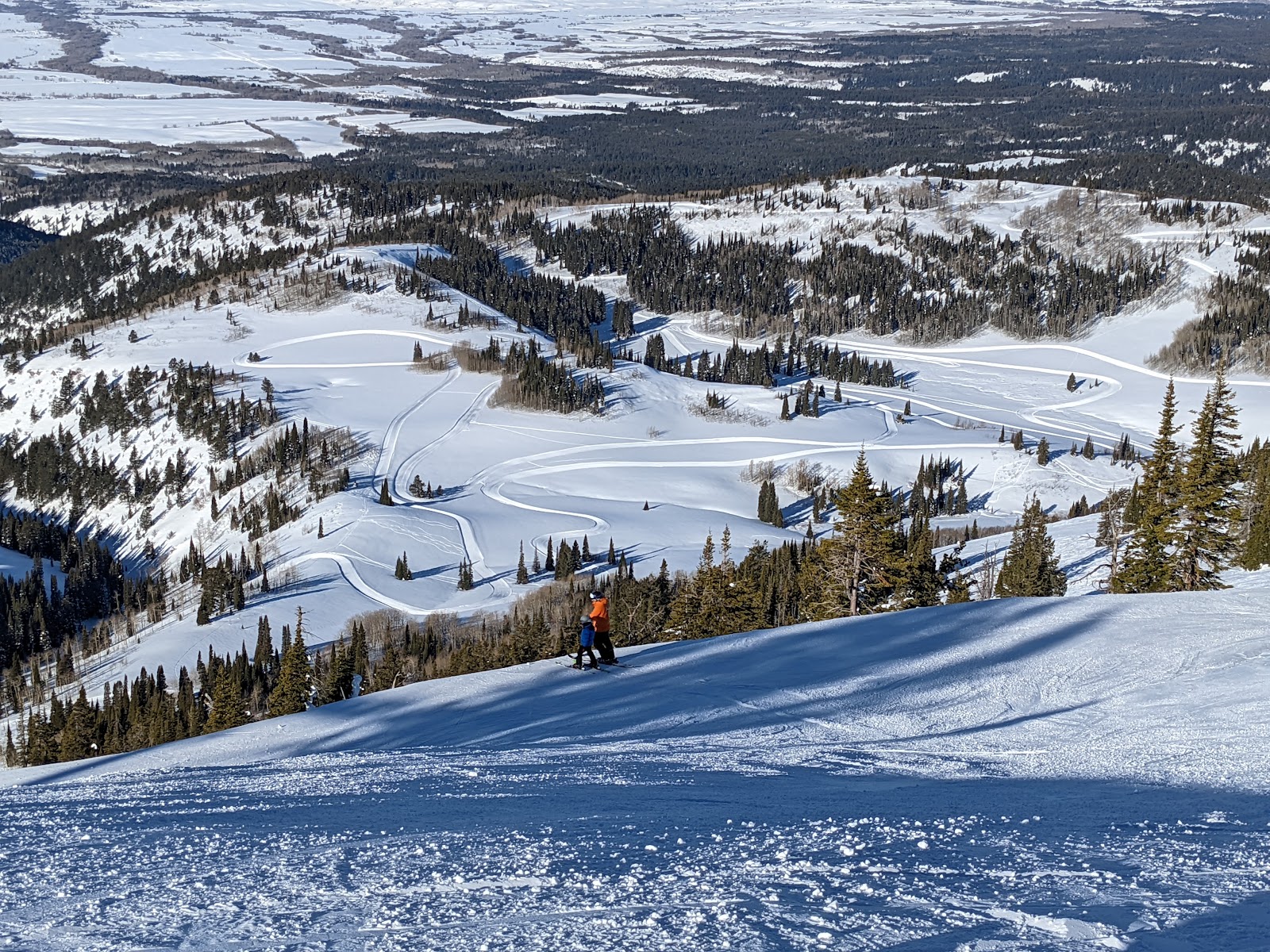
It suits a winter wedding if the couple actively want one. Snow at this elevation and on this side of the range is abundant — the western slope catches a great deal of it — and snow is the best natural fill light there is, reflecting a very high proportion of what falls on it so the ground throws light upward into faces and fills eye sockets with no reflector at all. A lit lodge against snow and early darkness is exactly what a mountain resort is for.
It suits a photographer who is comfortable bringing light. The environment provides almost no fill — thin dry air scatters very little — so shadows are deep and hard, and anything you want in them you carry. A photographer with two lights and a white card will work comfortably here; one relying on found light will struggle in the middle of the day.
It suits couples who want their photographs to be about a place rather than a building. The buildings at a ski resort are functional and photographically neutral; the range is not. A set made here should be mountain-led, and if that is what the couple want, the venue delivers something very few places can.
And it suits a small or medium guest count in a building whose interiors will do their job without contributing much. Establish the function space capacity as a number, because at altitude in winter the heated interior is the venue and everything outdoors is an excursion from it.
One practical advantage worth naming. Because the good evening light falls on the mountains rather than on the foreground, you do not need to be in a particular spot to use it — anywhere with a clear view east works. That is unusually forgiving for a landscape venue, and it means a ceremony sited for guest comfort rather than for photography still gives you the frame.
What it does not suit
It does not suit a guest list that will struggle at altitude, and this is the most important item on the list rather than a footnote. Two thousand four hundred metres affects older guests, anyone with a cardiac or respiratory condition, and anyone arriving the same day from sea level — and altitude plus very dry air plus a celebratory drink produces more unwell guests than couples expect. The advice is to arrive a day or two early, drink water constantly and go easy on alcohol, and a couple can put that in an invitation. A venue cannot.
It does not suit a couple who want a characterful building. Ski resort architecture is functional: large volumes, hard-wearing finishes, timber where there is timber, and no period detail or patina anywhere. If the moodboard is full of old stone and plasterwork, this is the wrong building and no technique produces age that is not there.
It does not suit a flexible calendar. A ski resort runs a winter operation and a summer operation with genuine gaps between them, and in those gaps lifts are closed, restaurants are shut and access roads may be limited. Establish what is actually operating in the month under consideration rather than assuming a year-round business, and get it in writing.
It does not suit anybody who wanted a short drive. This is the far side of a major range from the nearest airport of any size, on mountain roads that are seasonal in character, and guests will be travelling. That is part of why it is beautiful and all of why some of them will find it inconvenient. Accommodation on site is the thing to establish early.
It does not suit a photographer expecting soft forgiving light. At this altitude there is very little atmospheric scattering, so midday sun is punishing, shadows fall four or five stops below the sunlit subject with no fill in the air, and the range in a single frame can exceed what a sensor holds. Whatever fill you want, you bring. Instincts from a humid coast will not serve.
It does not suit an outdoor plan without a genuine weather answer. Afternoon thunderstorms build over a range like this through July and August — localised, quick, and carrying real lightning risk on an exposed mountain slope or at a lift-served viewpoint, which is a safety matter rather than an inconvenience. Mountain weather also changes fast in any season: snow in June is not remarkable here. Ask what the indoor fallback is and get its capacity as a number.
It does not suit a late-summer plan without an air-quality contingency. Wildfire smoke has become a serious recurring feature of August and September across the northern Rockies, and smoke can fill a valley or obscure a range for days — turning the light orange, flattening all contrast, and making an outdoor event inadvisable. At a venue whose entire argument is a mountain range, the specific cost of smoke is that the range is simply not there. It cannot be forecast far ahead.
It does not suit a couple who want a warm evening outdoors. The diurnal range at altitude is large and dry air loses heat fast once the sun is off the slope: a July day in the low twenties can be near five degrees by ten at night. An outdoor reception needs heating, and a bride in a summer dress at nine in August will be cold.
And it does not suit anyone relying on the range being visible. Mountains of this height make their own weather, and the peaks are in cloud a substantial fraction of the time. Nobody should be promised them. Build a plan that works with the range in cloud — the aspen, the meadows, the conifer, the lodge — and treat a clear evening as the bonus it is.
The honest summary: if the couple want a lit mountain range in the evening, everybody in one place, a summer or late-September date, and a guest list that can handle altitude, this is an excellent and under-used choice. If they want a characterful building, a flexible calendar, an easy journey, or a guaranteed view, the things that make it special will work against them.
The range, and the year
The Tetons are unusual and the reason is structural rather than scenic.
Most mountain ranges have foothills: a gradual rise through lower ridges before the peaks, which means from any accessible viewpoint you see the top third of the mountain and the rest is hidden. The Tetons rise along a fault, and the block on the eastern side has dropped while the range has been pushed up, so the peaks stand something like two thousand metres directly above the adjacent valley floor with nothing in between.
The photographic consequence is that you get the whole mountain in one frame from close range — base to summit, in proportion — which is why this range photographs as it does and why it is recognisable to people who have never been near it.
That has a practical implication too: because the range is close and tall, it occupies a large vertical angle. A wide lens is needed to hold it and the couple in one frame, and a wide lens from a distance makes the peaks small. So the choice is the usual one — a long lens on the range alone as a landmark frame, or a wide frame in which the range is the background and the couple are the subject, with the mountain reading as context rather than as spectacle. The version people ask for, a couple at portrait distance with enormous peaks behind, needs the couple to be quite small.
Alpenglow is the phenomenon to plan the evening around and on this side of the range it is at its best. After the sun has left the base area, the high peaks continue to catch light for several minutes, and because that light has travelled a long way through the lower atmosphere it arrives pink and then deep rose. The peaks glow while the foreground is already in shadow.
Expose for the lit peaks and light the couple, because at any exposure that holds the mountain a face in valley shadow is unlit. One small warmed source at low power, feathered so there is no visible pool on the ground. Set it up before the light arrives, because the whole sequence lasts minutes.
At this latitude, about forty-three and a half degrees north, civil twilight runs about twenty-eight to thirty minutes in midsummer, and at altitude the afterglow runs a little longer and considerably more colourful than that suggests, because you are seeing light scattered from air well above you. Budget twenty minutes at the end of the day rather than twelve, and spend the first half of it on the peaks.
The vegetation gives the year its shape. Conifer — lodgepole, spruce, fir — is the dark constant, and it is tall, narrow and widely spaced, so it makes excellent verticals and very little shade. Aspen is the variable and the reason to come in late September: clonal stands that turn gold together, against dark conifer, with grey rock above. Wildflower meadows at altitude peak in July, later than at lower elevations, and they are genuinely good — a field of colour with a mountain range behind it is a frame that needs no help.
The seasons, then. July and August are the reliable summer: warm dry days, cold nights, wildflowers, lift access, and the two hazards already named — afternoon thunderstorms with real lightning risk, and wildfire smoke that can remove the range entirely.
The second half of September is the best-looking window of the year and the one to recommend: aspen gold, the clearest air of the year, cold still mornings, thin crowds, and sunset around seven putting the alpenglow at a civil hour. The risk is early snow, which at this elevation is entirely possible in September and which is, photographically, a gift rather than a problem.
October into November is the closed shoulder in most years: the summer operation has ended, the winter one has not begun, and much will be shut. Establish this specifically.
Winter is long and snowy, and on the western slope of a range like this the snowfall is substantial. The light is excellent — a low midwinter sun near twenty-three degrees rakes snow and rock all day, and snow fills shadows from below as no other surface does — and the constraints are real: cold, short days with sunset before five, and access that depends on the roads. A winter wedding here is an interiors wedding with short planned outdoor sessions, and it needs a travel contingency for guests.
Two snow notes for any cold-season date. A mostly white scene gets metered as mid-grey and comes back one to two stops under, so add exposure compensation and check a histogram. And snow in shade is genuinely blue, strongly, because it is reflecting a blue sky — that is correct rather than an error, and neutralising it makes the snow grey and dead. At altitude, where the sky is more deeply saturated than at sea level, the effect is stronger still.
Spring, from April into June, is the other thin shoulder: melting snow, mud, closed roads and a range that is still white but a base area that is not attractive. It is the period to advise against.
And the compensation in any season is the half hour after a storm clears, which at altitude is exceptional. The air washes to absolute clarity so the range resolves to its last detail, wet rock and wet timber go several tones darker and far more saturated, fresh snow may have fallen on the peaks even in summer, and a low sun comes under a broken ceiling onto a lit mountain face above a shaded foreground. That is the best light this venue ever gets. If a cell goes through at six, wait.
More frames from The Grand Targhee Resort
The Grand Targhee Resort wedding photography: common questions
Why does being on the west side matter?
Because it decides when the mountains are lit. From here the Tetons are to the east, so in the last hour the low sun behind you strikes their western faces directly and the range goes gold and then rose while the sky behind deepens — a complete composition available in the hour a wedding actually has. From Jackson Hole, on the other side, the peaks are to the west, so the classic light is at sunrise and the evening gives you a silhouette. That is a genuine and under-appreciated argument for this side of the range.
Why do the Tetons photograph so distinctively?
Because they have no foothills. Most ranges rise gradually through lower ridges, so from any accessible viewpoint you see only the top third of the mountain. The Tetons rise along a fault with the adjacent valley block dropped, so the peaks stand something like two thousand metres directly above the valley floor with nothing in between — which means you get the whole mountain in one frame from close range, base to summit and in proportion.
Is the altitude really a factor?
Yes, and it is the most important item on the list rather than a footnote. Two thousand four hundred metres affects older guests, anyone with a cardiac or respiratory condition, and anyone arriving the same day from sea level — and altitude plus very dry air plus a celebratory drink produces more unwell guests than couples expect. Arriving a day or two early, drinking water constantly and going easy on alcohol is the advice, and a couple can put it in an invitation. Sunburn is also much faster here, with snow or pale ground reflecting ultraviolet upward.
What is the light like?
Closer to a desert’s than a coast’s. Thin dry air scatters very little, so distance resolves with extraordinary clarity and the sky is deeply saturated — but shadows are hard and four or five stops below the sunlit subject with no fill available in the air, and the range in a single frame can exceed what a sensor holds. Whatever fill you want, you bring: two lights and a white card. Humid-coast instincts will not serve here.
Can we count on seeing the mountains?
No, and nobody should be promised them. Peaks of this height make their own weather and they are in cloud a substantial fraction of the time. Build a plan that works with the range hidden — the aspen, the meadows, the conifer, the lodge — and treat a clear evening as the bonus it is. Late summer adds a second risk: wildfire smoke has become a recurring August and September feature across the northern Rockies, and at a venue whose whole argument is a mountain range, smoke means the range is simply not there.
When is the best time of year?
The second half of September, clearly: aspen turns gold at altitude, the air is at its clearest, mornings are cold and still, crowds have gone, and sunset around seven puts the alpenglow at a civil hour. The risk is early snow, which at this elevation is entirely possible and is photographically a gift. July and August are the reliable summer with wildflowers and lift access. October into November is usually a closed shoulder between operations — establish specifically what is running, because much will be shut.
More Wyoming venue guides
We are writing a photographer’s guide to every venue we would happily shoot in Wyoming. Here are three more, plus the full index:
- The Snake River Ranch, Jackson: The Venue’s Own Logic
- The Cheyenne Crossing, Cheyenne: The Problem, and Four Ways Out of It
Planning a wedding at The Grand Targhee Resort?
West side, lit peaks, twenty minutes at the end. Tell us your date.