 The Audubon Aquarium: Field Notes on Photographing Through Glass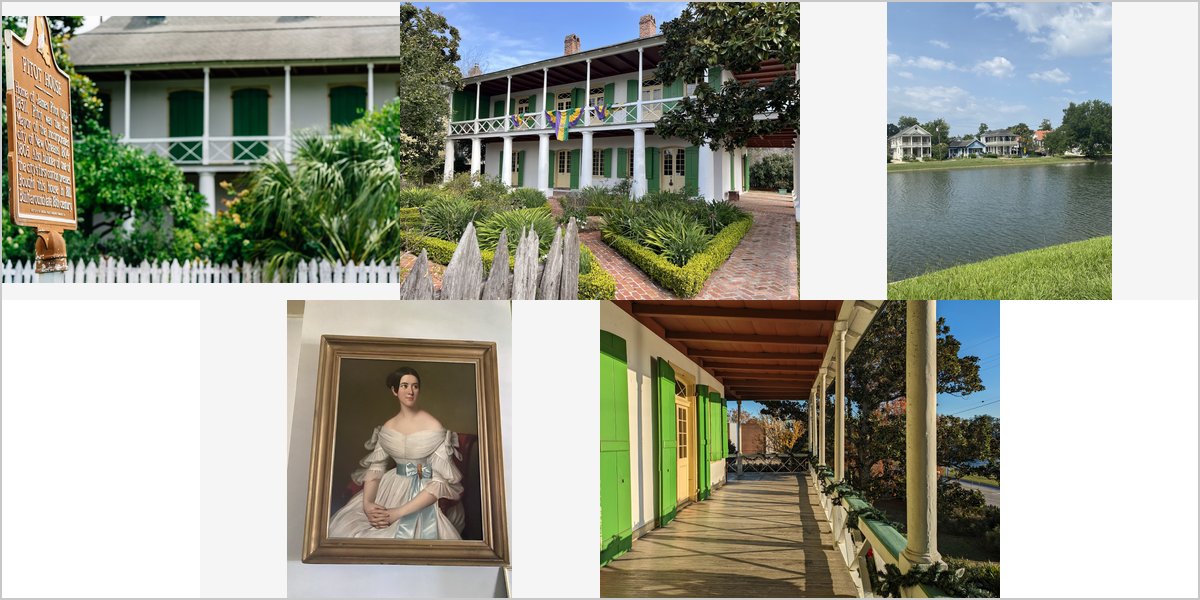
May 24, 2026
The Pitot House: A Walk-Through of a West Indies Colonial on Bayou St. John
A 1799 colonial house with galleries running around it, on a bayou. The galleries are the answer to every lighting question this venue poses.
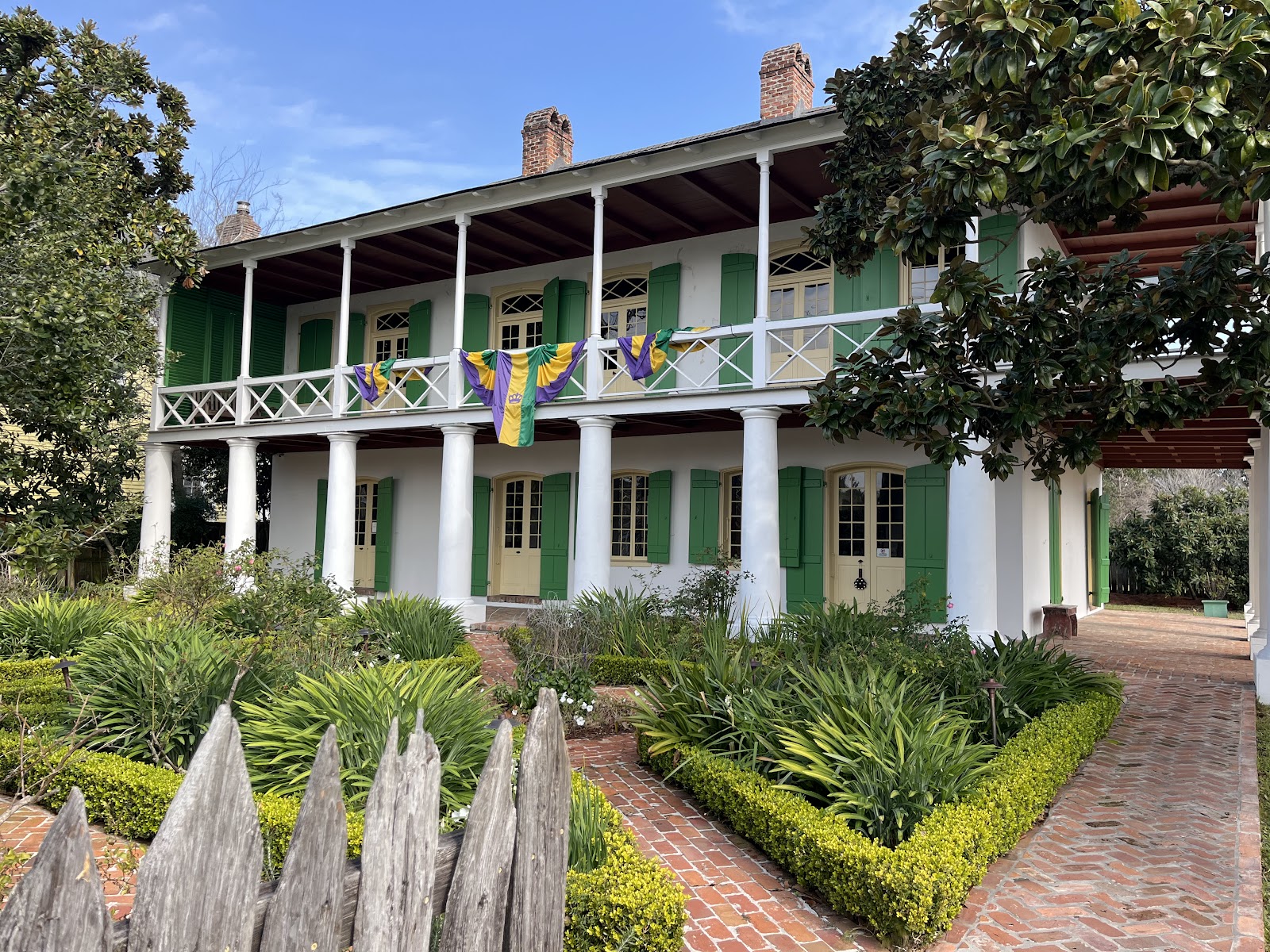
The Pitot House dates from around 1799 and stands on Bayou St. John in New Orleans, a West Indies colonial house in the plantation idiom — raised on brick piers, stuccoed, with wide galleries running around it and mature grounds sloping to the water.
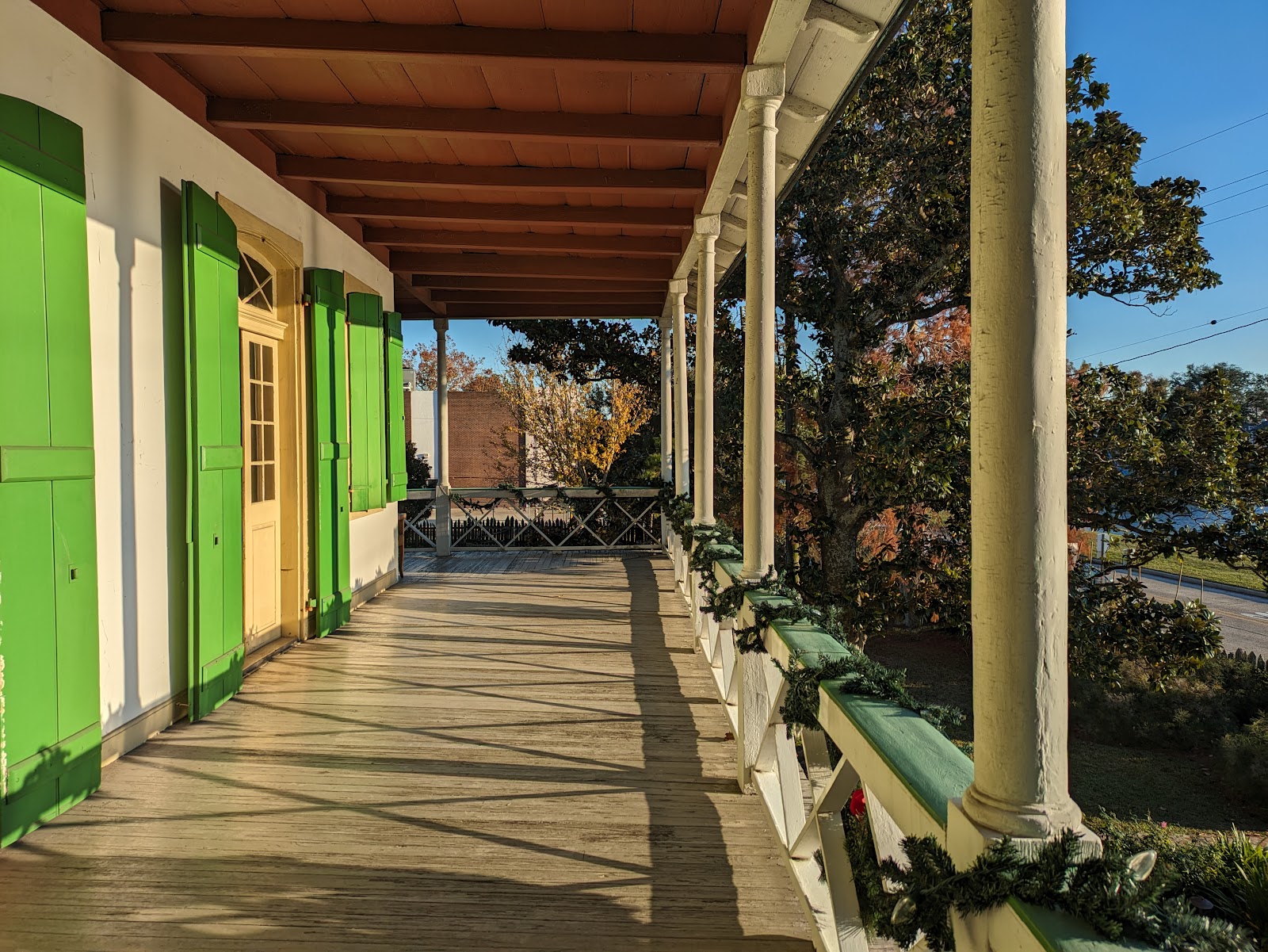
Photographically the galleries are the whole story. A gallery is a covered walkway open on its outer side, and that is the single most useful piece of architecture a photographer can be given in a hot climate: the roof removes the overhead light that shadows eye sockets, the open side supplies broad light at head height, and the whole thing works through the middle of the day when open ground in Louisiana does not.
This is a walk-through in shooting order. We have not photographed a wedding at the Pitot House; colonial galleries, bayou light and Louisiana humidity behave predictably. Capacity, which spaces are used and the conservation rules are for their team, and at a house museum of this age expect them to be firm.
Pitot House at a glance
| Where | Moss Street, on Bayou St. John, New Orleans, Louisiana |
| Built | Circa 1799, West Indies colonial in the plantation idiom |
| Character | Raised on brick piers, stuccoed, with wraparound galleries and mature grounds |
| Light | Galleries give covered light usable at midday; bayou water bounces light upward |
| Assume | Conservation rules and limited capacity in a circa-1799 house museum |
Start on the galleries
A gallery gives you the natural-softbox-with-top-gobo arrangement, and because it runs around the house there is one facing every direction. That means at any hour of the day there is a gallery in shade with the open side facing bright sky — which is to say there is always good light available without moving more than a few metres.
Place people a metre inside the gallery’s edge, facing outward. The roof blocks the top light, the open side supplies broad light at head height, and the stucco and painted timber bounce a little warmth in. It is genuinely excellent portrait light and it requires nothing.
The galleries also give you compositional structure. Columns or posts at regular intervals, a balustrade, a receding perspective along the gallery’s length — all of which a plain lawn lacks entirely. Shot along a gallery with a longer lens, the posts compress into a rhythm that gives a photograph depth.
And because the house is raised on piers, the galleries are above ground level, which means you are looking slightly down at the grounds and slightly up at the sky. That elevation is subtle and useful: it cleans up backgrounds.
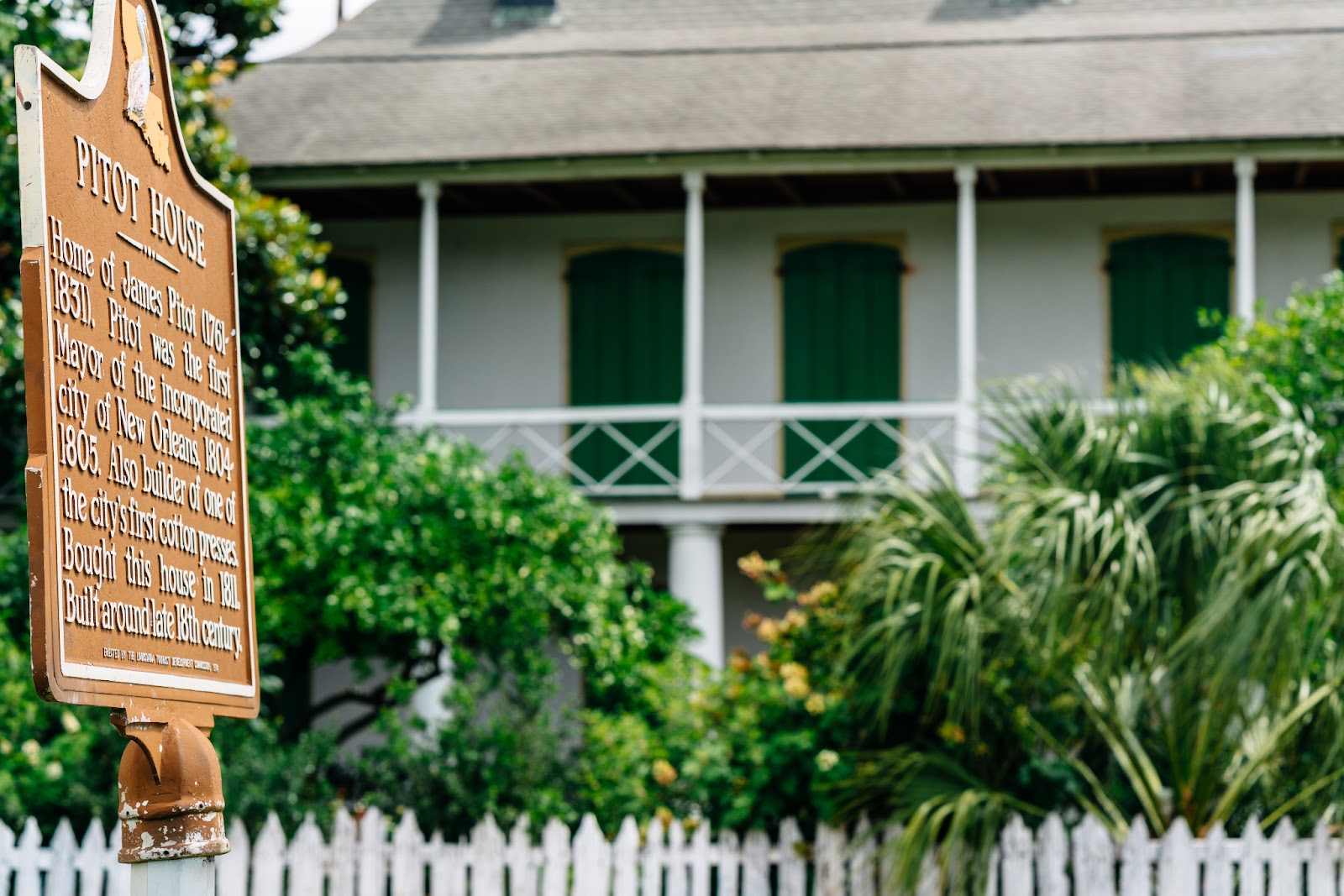
The interiors: dark, warm and small
A circa-1799 colonial interior will be dark by construction: modest window openings, thick stuccoed walls, period finishes and no electric lighting designed for photography. Rooms are small by modern standards and the ceilings, while higher than a New England colonial, are not generous.
The compensation is the same as in any genuinely old house: the windows sit low in the wall, built for people seated rather than standing, so the light arrives at chest and face height rather than from above. That is the most flattering direction there is, and it means a portrait beside a colonial window is lovely even though the room is dark.
Expect high ISO, a wide aperture, and white balance set per room. Assume conservation restrictions on flash, and if any lighting is permitted, note that lower ceilings make a bounced unit more effective than it would be in a grand room.
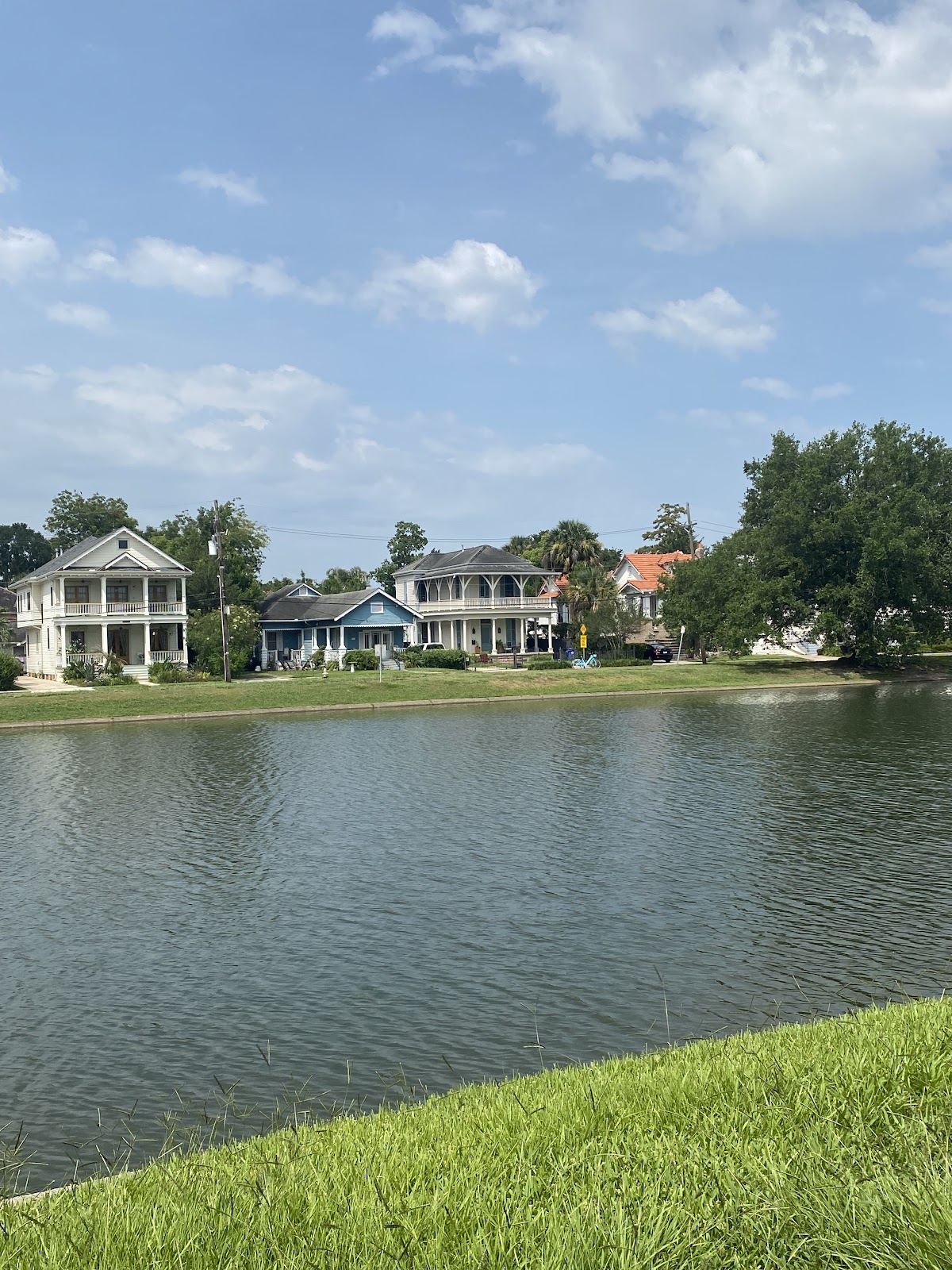
Bayou St. John, and water light
The bayou is the second asset and it does something the galleries cannot. Water reflects light upward into faces, filling the shadows under brows and chins that overhead sun creates — the opposite of the top-down problem. A couple on grounds sloping to the water gets that uplight for free, and it is unusually flattering.
Water also gives you reflections, a bright element in the frame, and a horizon of sorts. Bayou St. John is lined with mature planting, including live oaks in places, which adds high open shade and the possibility of backlit Spanish moss at the low-sun hours.
The best window is the last ninety minutes, when low sun rakes across the water and through the planting. That is also when the heat has eased enough for people to stand outside comfortably, which in Louisiana is not a minor consideration.
The climate, and the timeline
New Orleans humidity is the practical hazard and it is severe. A lens brought from an air-conditioned interior into that air fogs completely and takes fifteen to twenty minutes to clear, so acclimatise equipment before the first outdoor session. At a venue where you move between a house and galleries repeatedly, dedicate one body to each rather than swapping.
Afternoon thunderstorms are routine through the summer and often heavy. A wraparound gallery is genuinely good shelter — one of the few venues where a downpour can be photographed from cover rather than waited out indoors, and a storm over a bayou seen from a colonial gallery is a remarkable frame.
Heat in formalwear is the other constraint. Keep outdoor blocks short and schedule them for the ends of the day. A Louisiana summer afternoon on open grounds is punishing and it shows in faces within ten minutes.
For the order of the day: gallery portraits at any hour, choosing whichever side is shaded; interiors beside the low windows; groups on the grounds while light is even; and the bayou in the last ninety minutes for the water light and any backlit moss.
What works in your favour
- Wraparound galleries mean good covered light facing every direction, at any hour
- Gallery posts and balustrades give compositional structure a lawn lacks
- Raised construction gives subtle elevation that cleans up backgrounds
- Bayou water reflects light upward into faces — unusually flattering
- A gallery makes a Louisiana downpour photographable rather than something to wait out
What to plan around
- Circa-1799 interiors are dark and small, with conservation restrictions likely
- Limited capacity in a house museum of this age
- Severe humidity fogs lenses for fifteen to twenty minutes
- Louisiana heat limits open-grounds work to the ends of the day
- Routine summer thunderstorms require the gallery or the interior as a plan
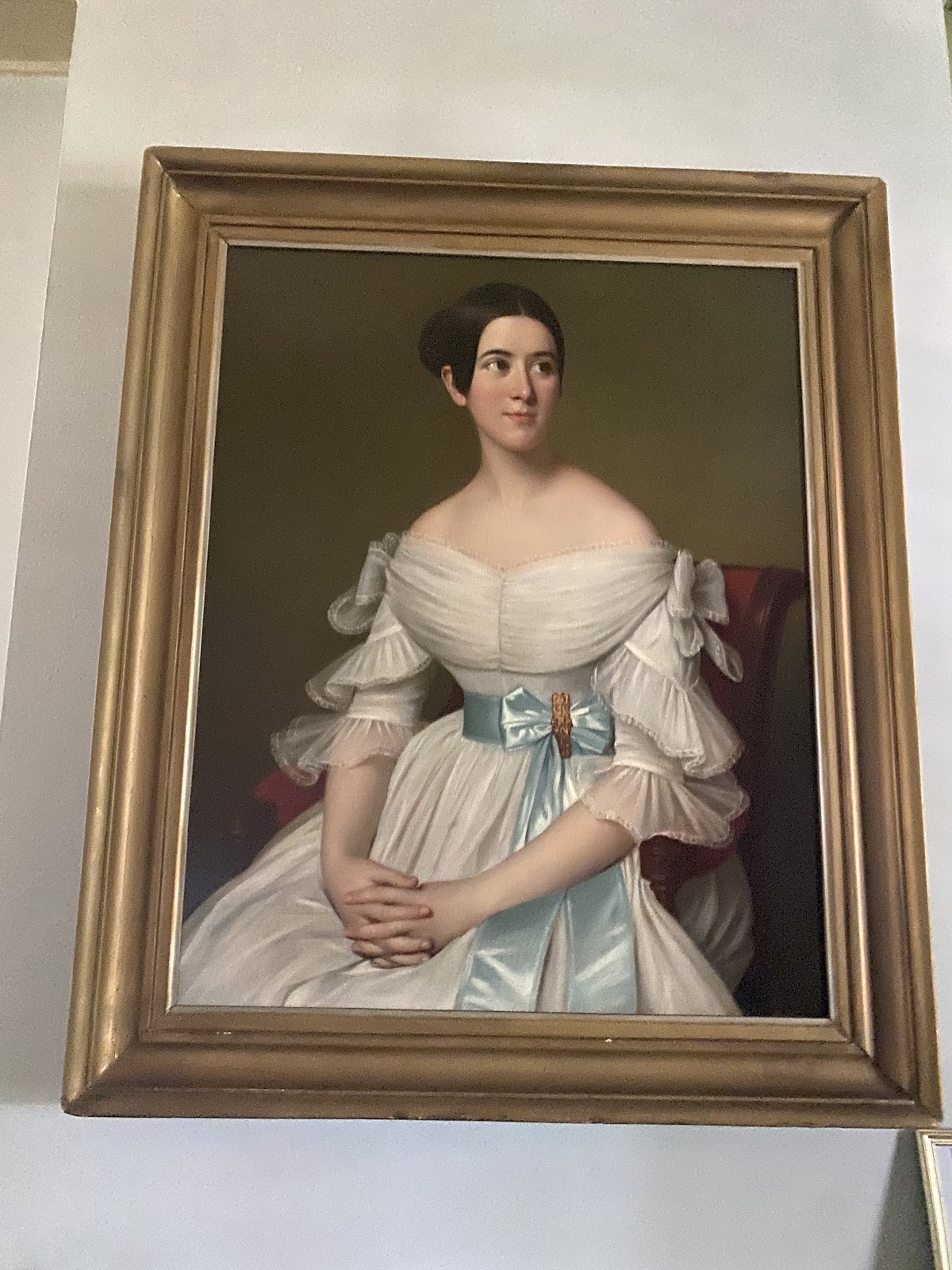
More frames from Pitot House
Pitot House wedding photography: common questions
Why are the galleries so important?
Because a gallery is a covered walkway open on its outer side, which gives the natural-softbox-with-top-gobo arrangement — the roof removes the light that shadows eye sockets and the open side supplies it at head height. And because they wrap the house, there is always one in shade facing bright sky, at any hour.
What is the light like inside?
Dark but flattering where it exists. Circa-1799 windows sit low in the wall, built for people seated rather than standing, so the light arrives at chest and face height rather than from above — the most flattering direction there is. Expect high ISO and conservation limits on flash.
What does the bayou add?
Uplight. Water reflects light upward into faces, filling the shadows under brows and chins that overhead sun creates, which is unusually flattering and free. It also gives reflections, a bright element, and mature planting along the banks with live oaks in places for open shade and backlit moss.
Is it usable in a thunderstorm?
Genuinely, and that is one of the venue’s real advantages. A wraparound gallery lets you photograph a Louisiana downpour from cover rather than waiting it out indoors — and a storm over a bayou seen from a colonial gallery is a remarkable frame rather than a consolation.
How do you handle the humidity?
Acclimatise equipment before the first outdoor session, allowing fifteen to twenty minutes, because a lens carried from air conditioning into that air fogs completely and nothing clears it faster. If you are moving between the house and the galleries repeatedly, dedicate one body to each rather than swapping.
More New Orleans venue guides
We are writing a photographer’s guide to every venue we would happily shoot in New Orleans. Here are three more, plus the full index:
- The Cabildo: Building the Shot List on Jackson Square
- The Presbytère: A Photographer Answers Your Questions
- The Windsor Court: Lighting a Hotel Full of Art and Antiques
All New Orleans Wedding Venues →
Planning a wedding at Pitot House?
A wraparound gallery means there is always good light a few metres away. Tell us your date and guest number and we will plan the galleries, the low windows and the bayou hour.