 The Venue, Asheville: A Season-by-Season Guide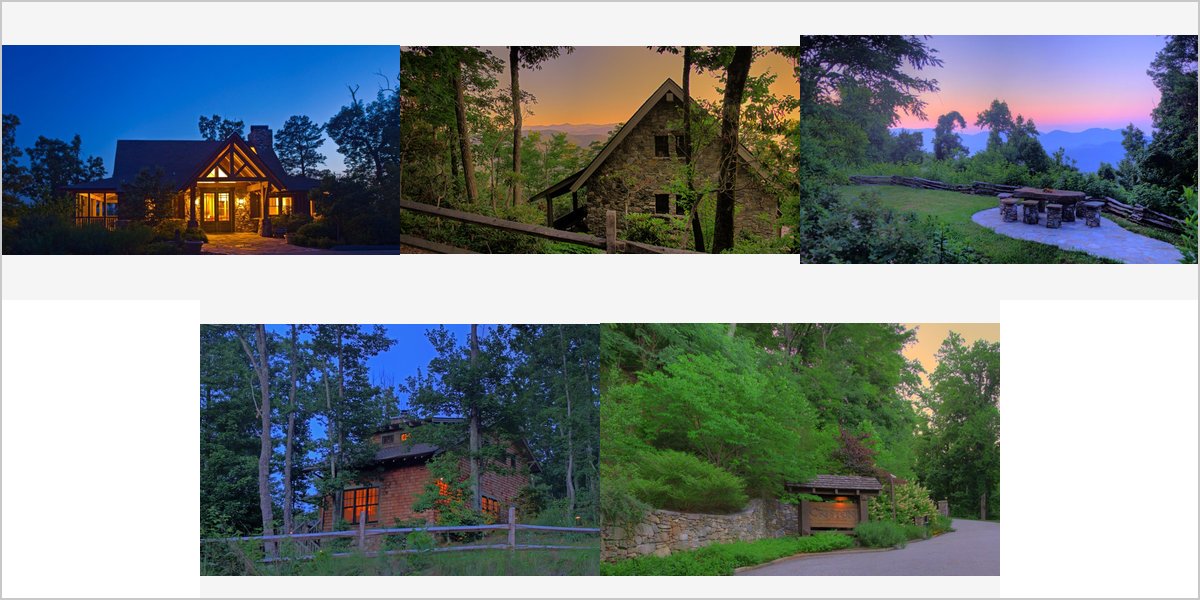
June 29, 2026
The Pines at Creston: A Photographer Answers Your Questions
High-country venues trade convenience for a view. Elevation changes the light, the weather and the timeline — usually all three on the same afternoon.
The Pines at Creston sits in the North Carolina high country north of Asheville, in the area around Creston and the Blue Ridge, offering long-range mountain views from open ground at genuine elevation. It belongs to the mountain-venue category that the region does better than almost anywhere else in the eastern United States.
Photographically, elevation is the dominant variable and it affects more than the view. Higher ground means thinner air and harder light, faster weather changes, more wind, cooler temperatures, and a horizon made of ridgelines rather than sky. Each of those has a practical consequence for a wedding day.
These are the questions couples ask. We have not photographed a wedding at the Pines at Creston; the behaviour of high-elevation light, mountain weather and ridgeline horizons is consistent across the region. Capacity, what is included and access details are for their team — and at a remote mountain venue, access and contingency are the questions that matter most.
The Pines at Creston at a glance
| Where | North Carolina high country, north of Asheville near Creston |
| Character | Open mountain ground with long-range Blue Ridge views |
| Light | Harder at elevation; ridgeline horizon takes direct sun early |
| Weather | Changes fast, colder and windier than the valley, with frequent fog |
| Ask first | Covered space, road access, and what happens in fog or storm |
How does elevation change the light?
Thinner, drier air scatters less light, which makes shadows harder and darker and highlights brighter. The practical effect is that the contrast range on a clear day at elevation is wider than at sea level — a white dress in full sun against a shaded face is a bigger problem here than it would be in Savannah.
The compensating factor is that the light is cleaner. Distant ridgelines read with more separation and colour than they would through hazy valley air, and the sky is a deeper blue. On a clear day at elevation, a long-range view photographs with a clarity you simply do not get lower down.
The practical approach is to treat midday as unusable for anything involving faces in the open, use whatever shade exists, and concentrate portraits in the low-sun window — where the harder light becomes an asset, raking across the landscape and modelling everything it touches.
When does the light actually go?
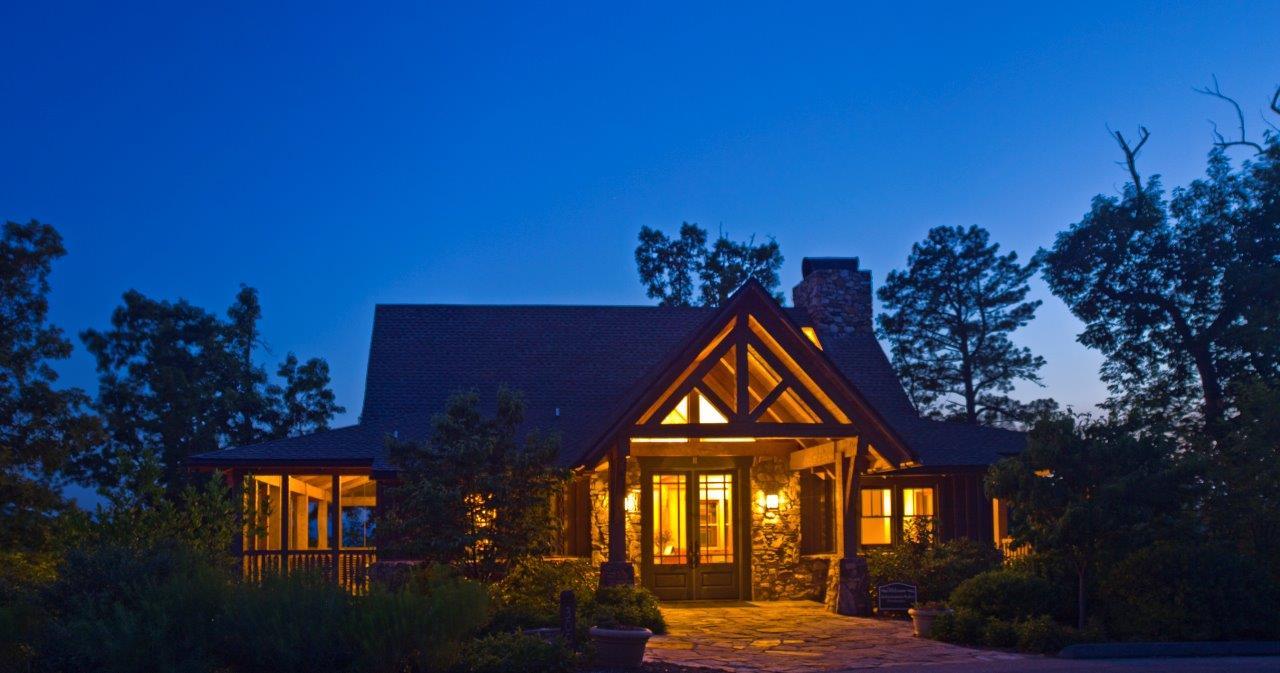
Early, and this is the single most important planning fact about any Blue Ridge venue. A ridgeline to the west acts as a false horizon: the sun sets behind it while it is still well above the true horizon, so direct light ends an hour or more before the sunset time in any app.
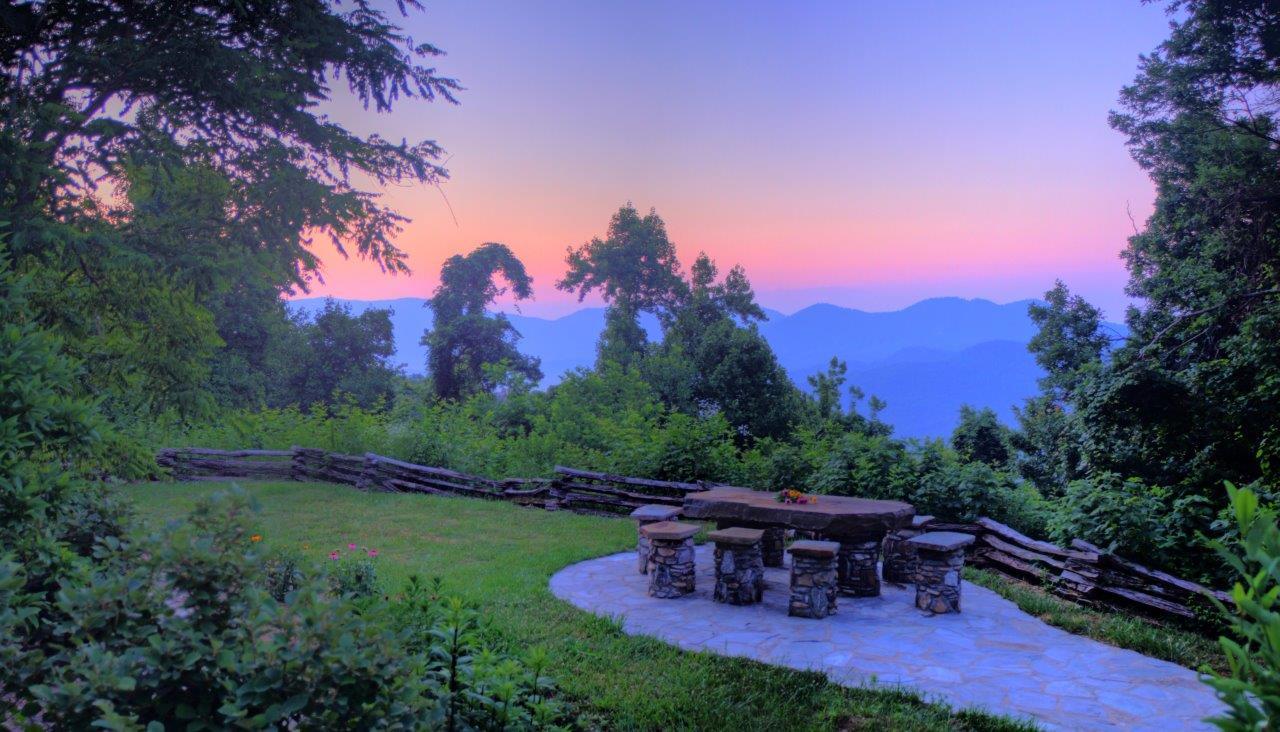
At a high-country venue with long-range views, this effect varies depending on which way you look. A west-facing view may lose direct sun early but keep a bright colourful sky for a long time afterwards. An east-facing view will have the ridgelines lit warmly while you are already in shade — which is often the better frame, because the landscape glows while the foreground goes soft.
So the question to answer before the timeline is fixed is not simply when the ridge takes the sun, but which direction the good frames face. At a venue whose selling point is the view, that determines everything.
What about fog?
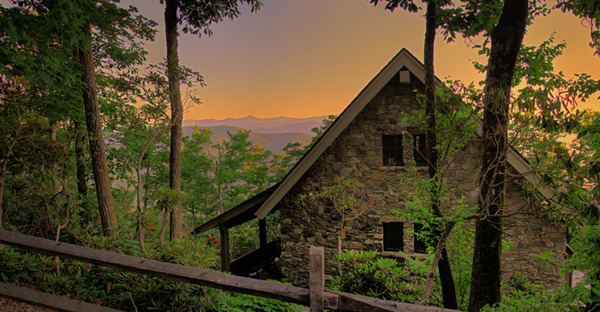
Fog at elevation is common, unpredictable and genuinely spectacular. Mountain venues sit at the height where cloud forms, which means you may be above it, in it, or watching it fill the valleys below — and all three are different photographic situations.
Being above the cloud is the prize. A ridge-top venue looking out over a valley filled with cloud is one of the great photographic conditions available anywhere, and it happens often enough in the Blue Ridge to be worth hoping for. It is most likely early in the morning after a cool clear night.
Being in it is the risk. A venue whose entire value is a long-range view can lose that view completely, and there is no plan that restores it. What fog does give you instead is intimacy — soft even light, no distracting background, and a sense of enclosure that produces lovely close work. A photographer who can shift register when the view disappears will still deliver; one who planned only for the view will not.
What should we ask before booking?
Four things, all practical rather than aesthetic.
One last thought about remote venues that couples rarely factor in: distance affects the photographs indirectly, through fatigue. A wedding party that has driven an hour on winding roads arrives differently from one that walked across a courtyard, and it shows in faces during the first half hour. Building a little slack into the arrival — enough for people to stand still, look at the view and stop feeling in transit — produces visibly better portraits than the same schedule run tight. At a venue where the drive is part of the day, that slack is not a luxury.
- What covered space exists, and how much. Mountain weather changes within an hour and a venue selling an outdoor view often has very little roof. Ask for specifics — where the ceremony goes, where thirty people stand for a group photograph.
- What the road access is like. High-country roads are steep and winding, they take longer than a map suggests, and in winter they can be genuinely difficult. This affects guest arrival, supplier logistics and your own timeline.
- Which direction the main views face. This determines when the good light lands and whether your best frames are before or after the ridge takes the sun.
- What happens in fog. Not rain — fog specifically, because it is the condition that removes the venue’s entire selling point while leaving the day otherwise perfectly workable.
What works in your favour
- Long-range ridge views with clarity and separation that valley air cannot match
- Cloud below the venue, when it happens, is among the best conditions available anywhere
- Low raking light at elevation models the landscape beautifully
- Genuine elevation gives depth and a horizon that no flat venue can offer
- Fog, when you are in it, produces lovely intimate close work as a fallback
What to plan around
- Harder light and wider contrast range at elevation; midday in the open is unusable
- Ridgelines take direct sun an hour or more before the almanac sunset
- Weather changes fast, and it is colder and windier than the valley below
- Fog can remove the long-range view entirely, with no way to restore it
- Remote access on steep winding roads affects guests, suppliers and the timeline
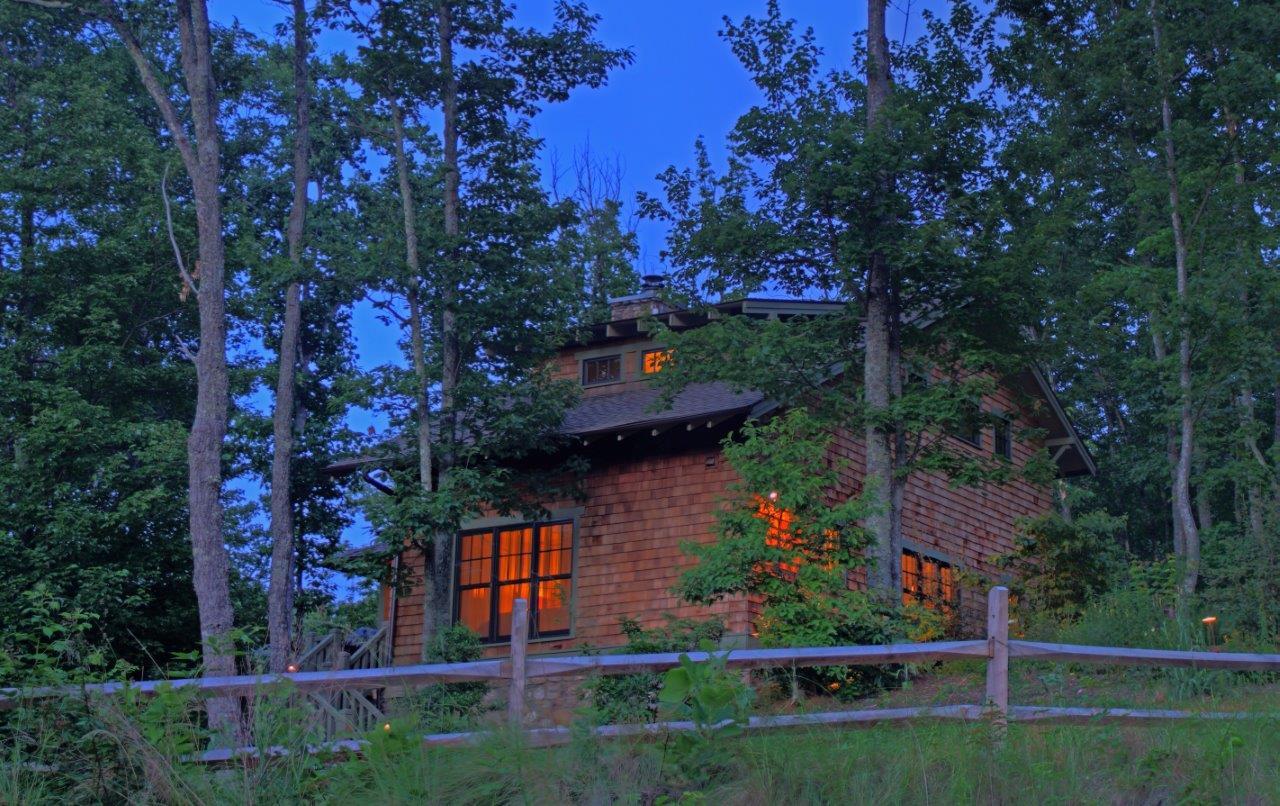
More frames from The Pines at Creston
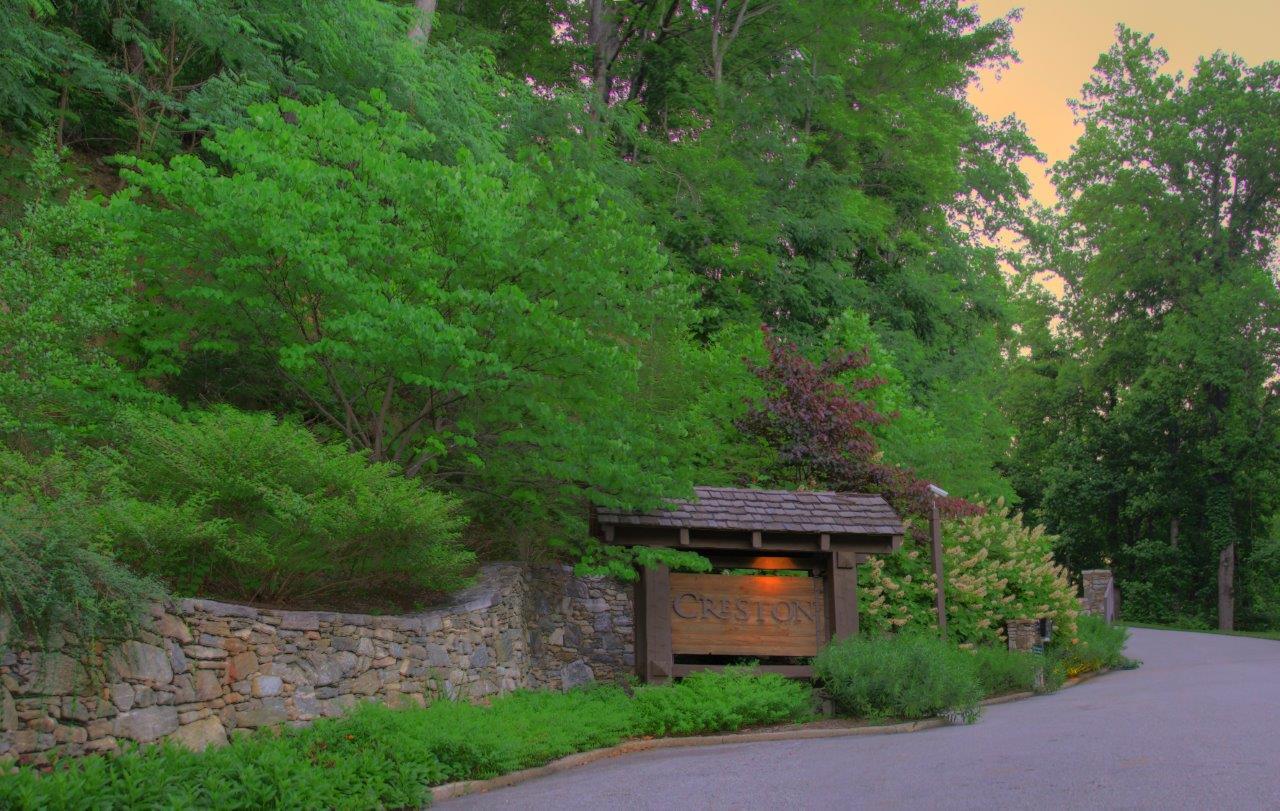
The Pines at Creston wedding photography: common questions
Why is the light harder at elevation?
Because thinner, drier air scatters less of it, so shadows go darker and highlights brighter and the contrast range on a clear day is wider than at sea level. The compensation is clarity — distant ridgelines read with far more separation and colour than they would through hazy valley air.
When does direct light end at a mountain venue?
An hour or more before the almanac sunset, because a ridgeline to the west acts as a false horizon. More usefully, ask which direction the best views face: an east-facing view will have the ridges lit warmly while your foreground is already in shade, which is often the better frame.
What happens if it fogs in?
You lose the long-range view completely and there is no way to restore it. What you gain is intimacy — soft even light, no distracting background and a sense of enclosure that suits close work. A photographer who can shift register will still deliver; one who planned only for the view will not.
Is fog ever an advantage?
Very much so, when you are above it. A ridge-top venue looking out over valleys filled with cloud is one of the finest photographic conditions available anywhere, and it happens often enough in the Blue Ridge to hope for. It is most likely early in the morning after a cool clear night.
What should we ask the venue before booking?
How much covered space there actually is and exactly where a ceremony and a thirty-person group photograph happen without it; what the road access is like, since high-country roads take longer than a map suggests; which direction the main views face; and specifically what happens in fog, not just rain.
More Asheville venue guides
We are writing a photographer’s guide to every venue we would happily shoot in Asheville. Here are three more, plus the full index:
- The Smith-McDowell House: Who This Venue Suits
- The Foundry Hotel: Reading the Light in a Converted Steel Works
- The Venue, Asheville: A Season-by-Season Guide
All Asheville Wedding Venues →
Planning a wedding at The Pines at Creston?
Mountain venues reward preparation and punish assumptions. Tell us your date and we will work out the ridgeline time, which way your best frames face, and what we would do if the cloud comes down.