 The Thunderbird Inn: Field Notes on a 1964 Motor Inn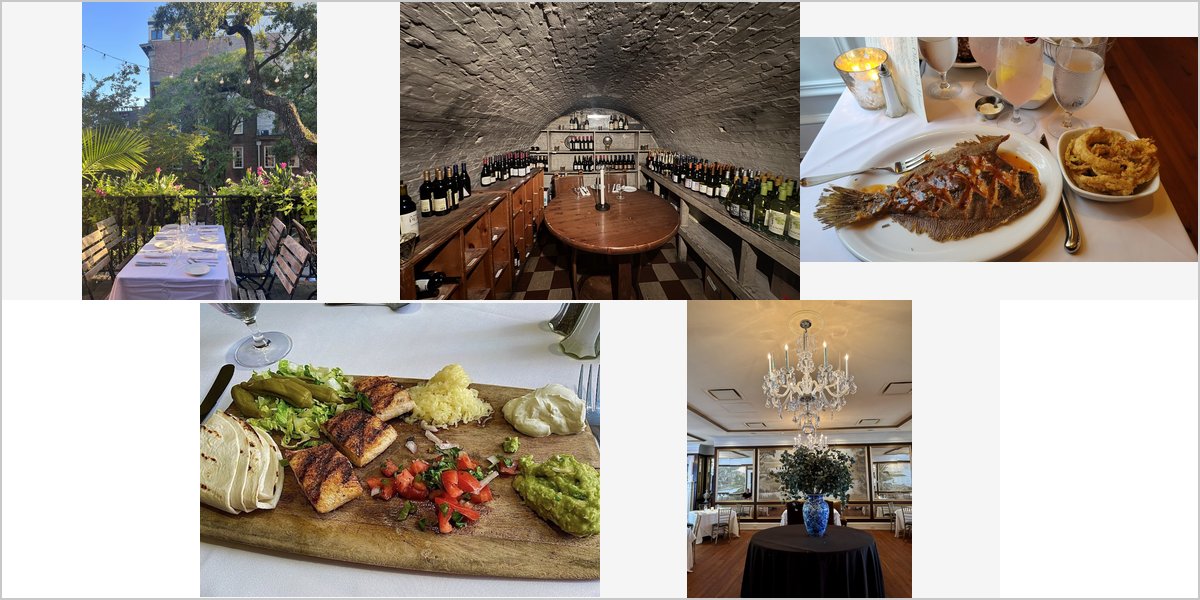
May 2, 2026
The Olde Pink House: Field Notes on a 1789 Georgian Mansion
A pink building full of candlelit rooms. Both of those facts are colour problems before they are anything else, and both are solvable if you plan for them.
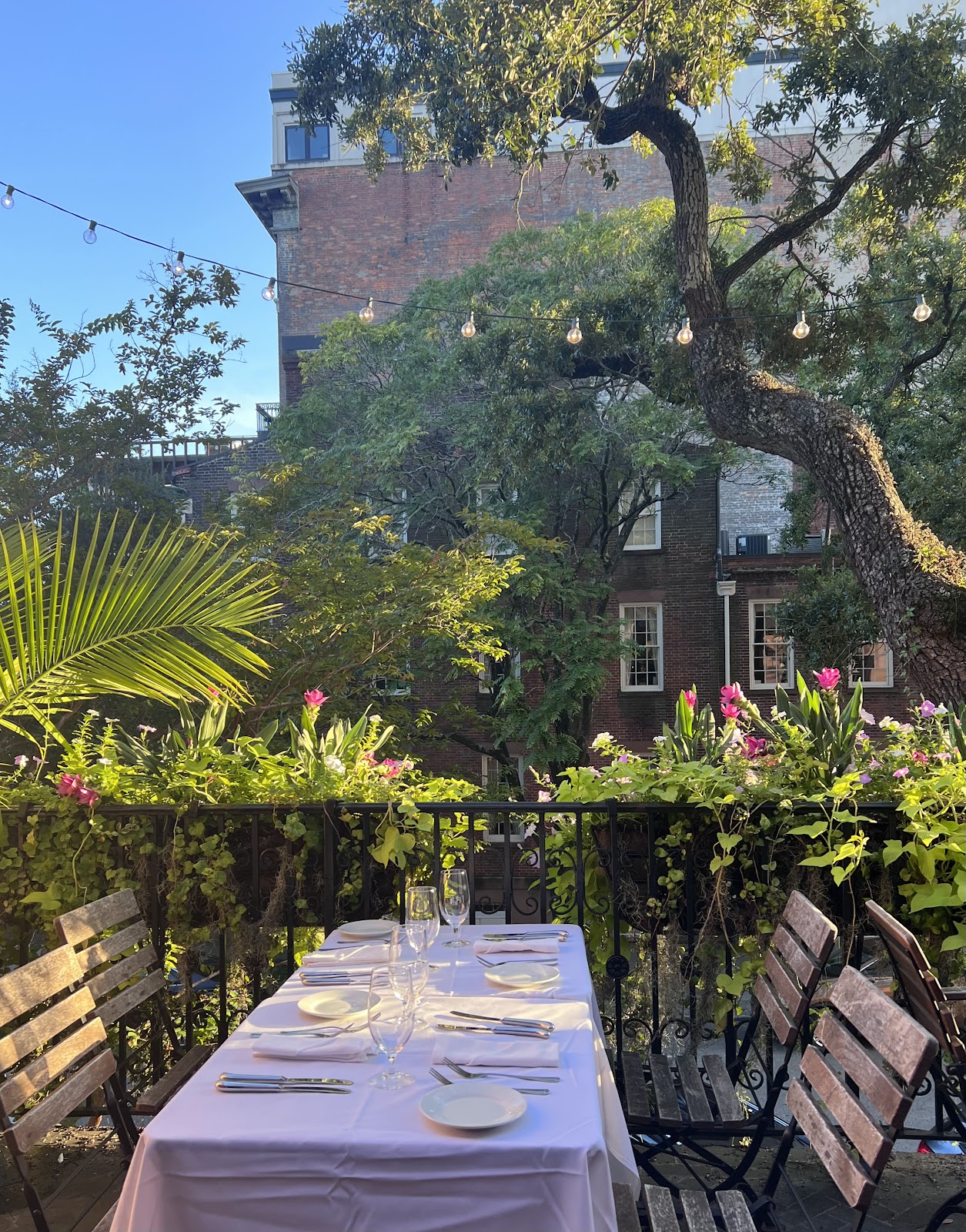
The Olde Pink House was built in 1789 on Reynolds Square in Savannah’s historic district, a Georgian mansion for the Habersham family. Its name comes from the stucco, which weathered pink as the red brick beneath bled through, and which has been kept that colour ever since. Inside are a series of small period dining rooms, several with fireplaces, and a tavern in the basement.
Photographically this presents an unusual combination of problems, and they are mostly about colour rather than quantity of light. A pink exterior reflects pink onto anyone standing near it. Candlelit interiors are extremely warm and extremely dim. Small Georgian rooms limit where you can stand. And a working restaurant has other diners in it.
These are field notes on four problems. We have not photographed a wedding at the Olde Pink House. Pink stucco and candlelight behave consistently wherever they occur; capacity, which rooms are available and whether the restaurant is exclusive to you are for their team, and that last question matters more here than at most venues.
The Olde Pink House at a glance
| Where | Reynolds Square, historic district, Savannah, Georgia |
| Built | 1789, Georgian; the pink is weathered stucco over red brick |
| Character | Small period dining rooms with fireplaces, plus a basement tavern |
| Light | Candlelight and warm fixtures indoors — very dim and very warm |
| Ask first | Whether the rooms are exclusively yours, and capacity per room |
Problem one: a pink building reflects pink onto faces
This is genuinely specific to this venue and it catches people out. Any large coloured surface in sunlight acts as a reflector, and what it reflects carries its colour. A pink stucco facade in afternoon sun throws a warm pink light onto anyone standing near it, which lands on skin and reads as flushed or sunburnt.
It is not a disaster and it is easily managed. Keep a metre or two of separation between the couple and the wall, which reduces the bounce substantially. Set a custom white balance in the actual position you are shooting rather than trusting auto, which will try to neutralise the pink and make everything else go green. And check skin at 100% before committing to a position.
Used deliberately, it is an asset. Warm pink fill is flattering in small doses, and on an overcast day the effect is gentle enough to be purely beneficial. It is only strong direct sun on the facade that creates a problem.
Problem two: candlelight is beautiful and almost unusable alone
Candlelight is very warm — around 1900 Kelvin, far warmer than tungsten — and very dim. A room lit by candles genuinely looks wonderful to the eye and gives a camera almost nothing: you will be at a wide aperture, high ISO, and a shutter speed too slow for moving people.
The workable approach is to supplement rather than replace. A small light source, heavily gelled to match the candle colour and dialled right down, lifts faces just enough to be usable while the candles remain the visible source in frame. The aim is for the photograph to look candlelit, not to look lit. Two-thirds of the effect comes from keeping your own light very low in output.
Expose so the candle flames read as bright points rather than blown shapes, and let the room fall away around them. A candlelit room photographed evenly bright loses everything that made it worth booking — the pooling and the darkness are the atmosphere.
Problem three: small Georgian rooms and a working restaurant
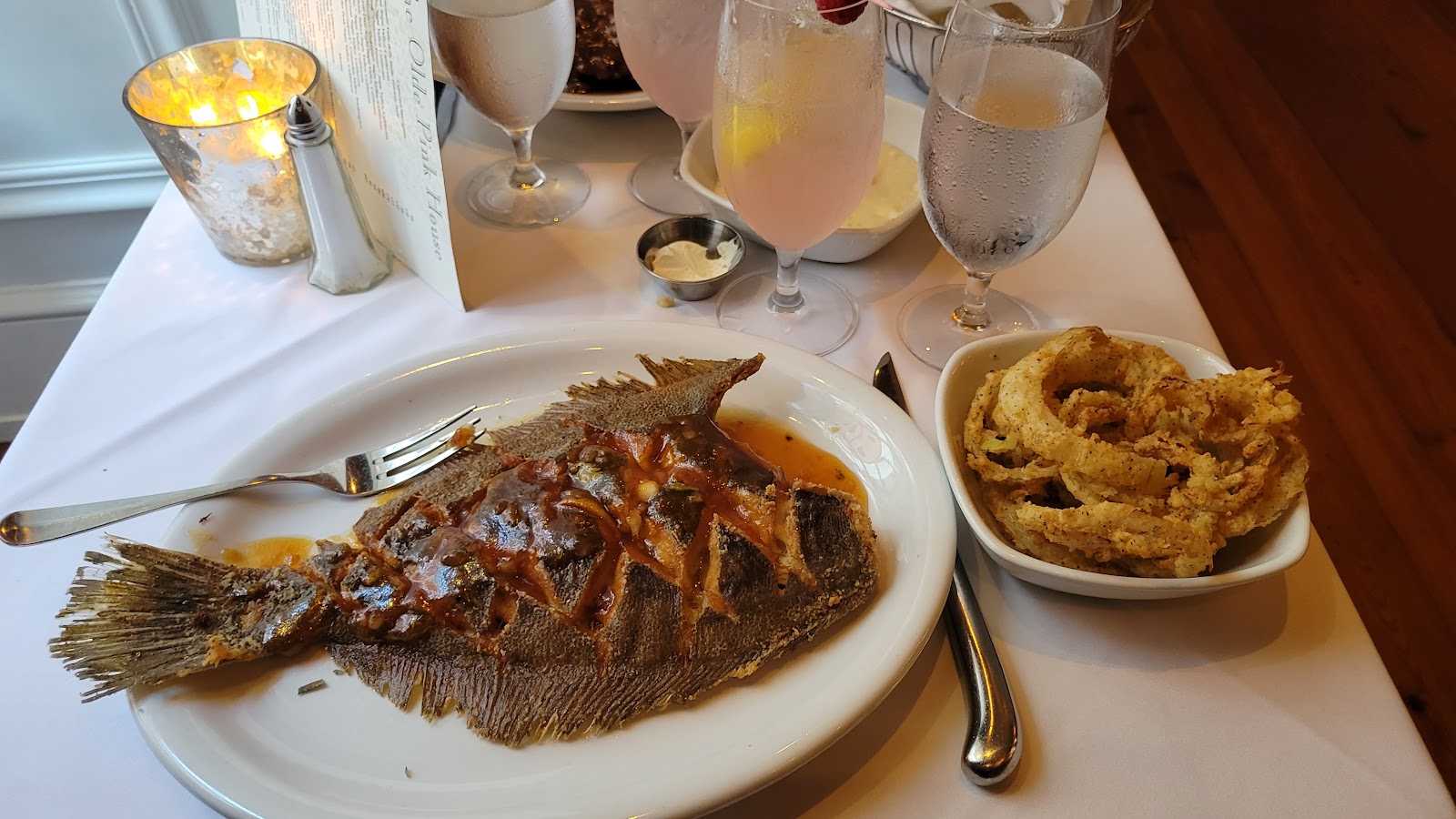
Late eighteenth-century domestic rooms are modest in size, and a restaurant fills them with tables. Between them, there is very little floor space to work in. You will be at 35mm indoors, compositions will be half-length and closer, and a full-length portrait of a dress indoors is unlikely.
Groups are the bigger issue. There is no room in a Georgian dining room for a large group photograph, so those happen outside on Reynolds Square. That is a fine answer, but it needs to be the plan rather than a discovery.
The restaurant question is the one to settle first: are the rooms exclusively yours, or is this a private dinner within a working restaurant? The answer determines whether you can move furniture, whether other diners appear in frames, and how freely a photographer can work. It changes the coverage substantially and it is easy to assume rather than confirm.
Problem four: no daylight where it matters, and Reynolds Square outside
The dining rooms have windows but they are Georgian windows in a deep building, and by evening — which is when most dinners happen — there is no daylight at all. If daylight portraits matter, they need to happen before the meal, or outside.
Outside is excellent and it is the venue’s saving grace. Reynolds Square is one of Savannah’s twenty-odd historic squares, with live oaks, Spanish moss, monuments and formal planting, and it is immediately at the door. That gives you high open shade, backlit moss at the low-sun hours, and room for a group — everything the interior cannot provide.
The pink facade itself is the establishing frame, and it is best in the last hour of daylight when the sun is low and warm rather than high and harsh. Low sun on pink stucco is a genuinely lovely combination; midday sun on it is flat and slightly garish.
For a timeline: portraits on the square in the last hour of daylight, the pink facade at the same time, groups on the square, then the candlelit interiors for the dinner and evening coverage with your own light kept very low.
What works in your favour
- A genuine 1789 Georgian mansion with an instantly recognisable pink facade
- Candlelit period rooms with fireplaces — atmosphere that cannot be manufactured
- Reynolds Square immediately outside: live oaks, moss, open shade and room for groups
- Low evening sun on pink stucco is a distinctive and flattering establishing frame
- The basement tavern gives a visually different second interior environment
What to plan around
- Pink stucco in direct sun reflects pink onto skin; needs separation and custom white balance
- Candlelight is around 1900K and very dim — unusable without a carefully gelled fill
- Small Georgian rooms plus restaurant tables leave very little space to work
- No indoor group photographs; those must happen on the square
- Whether the rooms are exclusively yours changes the coverage completely — confirm it
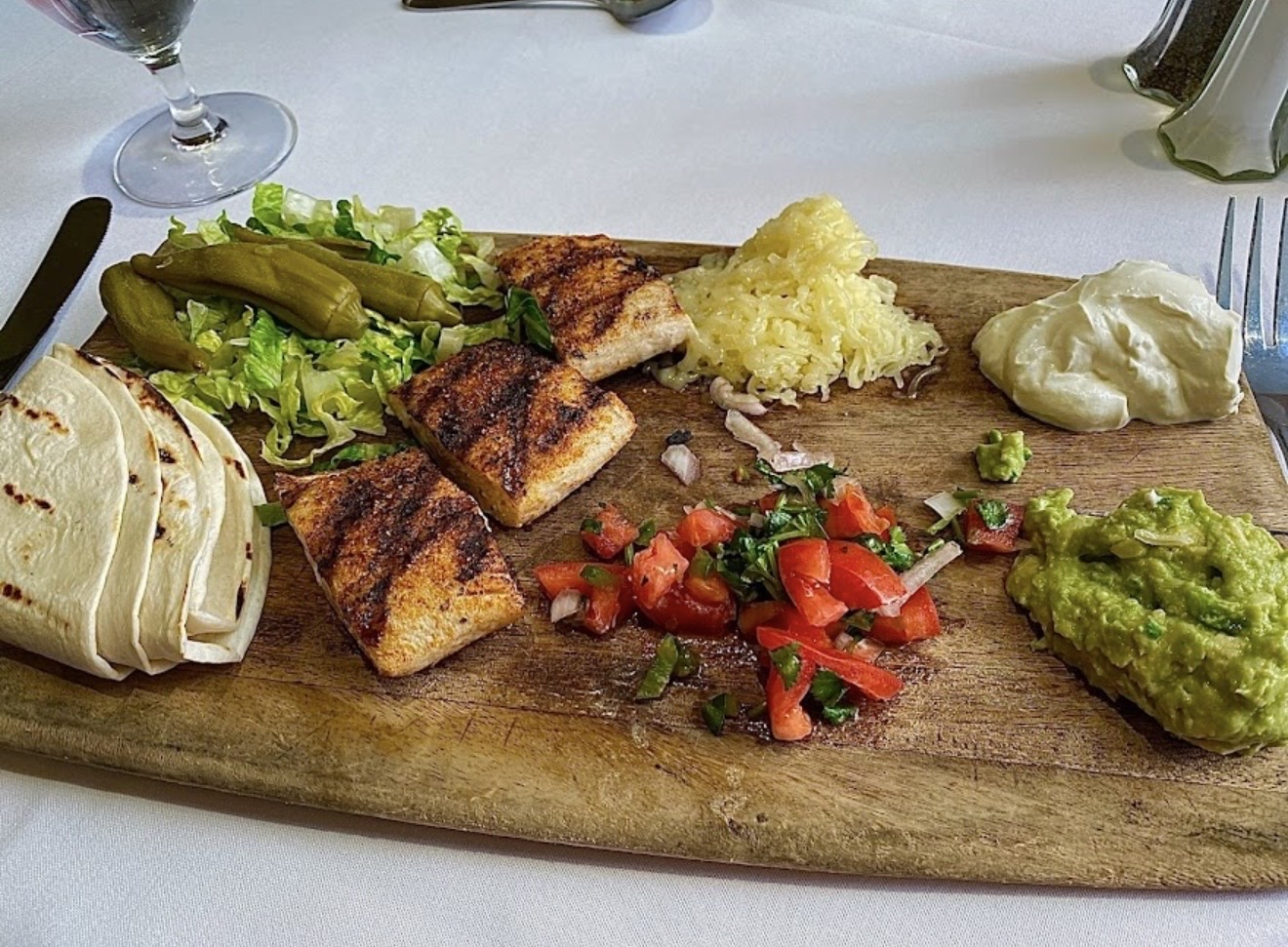
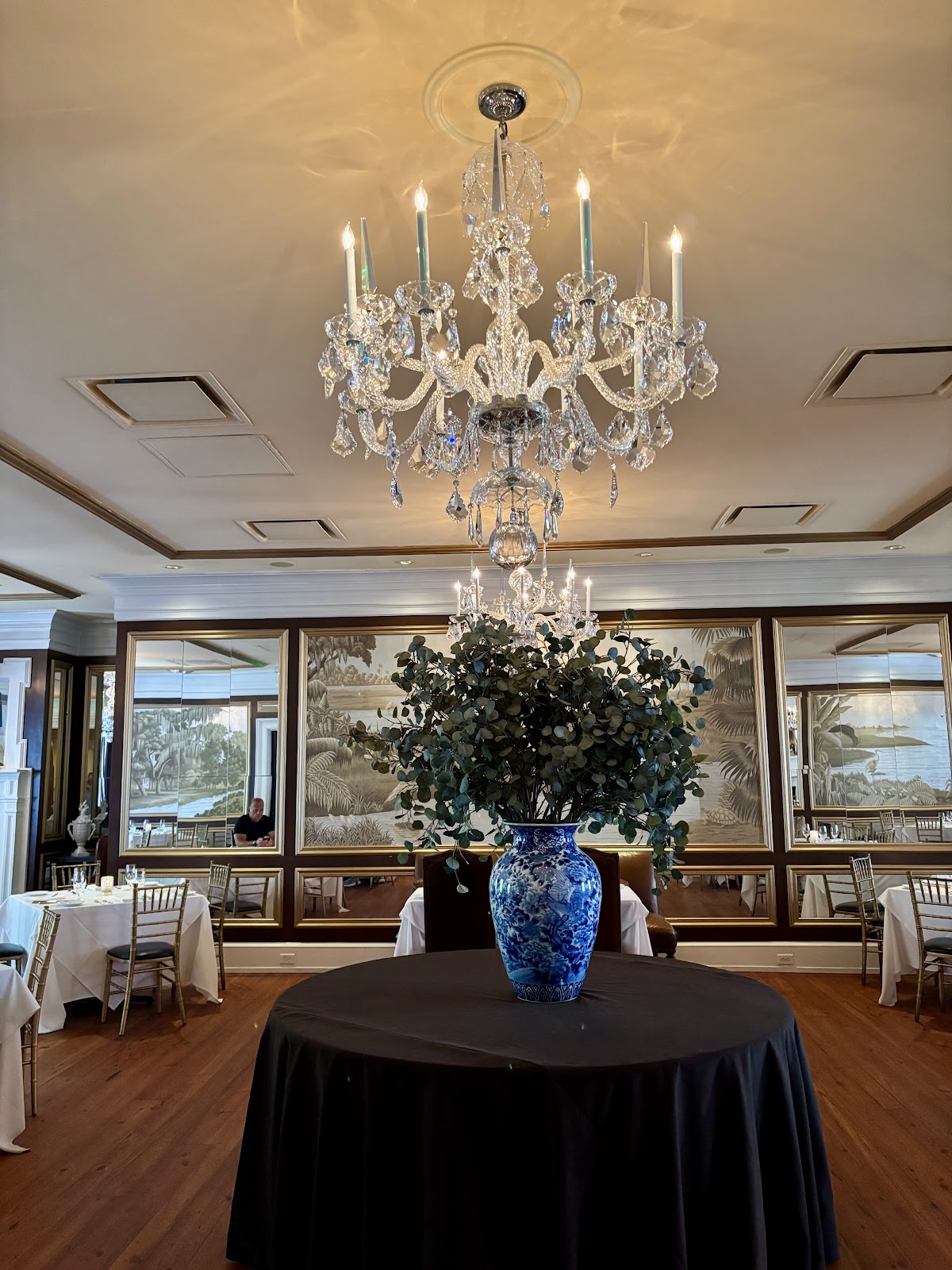
More frames from The Olde Pink House
The Olde Pink House wedding photography: common questions
Does the pink building affect skin tones?
Yes, in direct sun. A large pink surface acts as a reflector and throws warm pink light onto anyone near it, which reads as flushed on skin. Keep a metre or two of separation, set a custom white balance in the actual shooting position, and check faces closely. On an overcast day the effect is gentle and purely flattering.
How do you photograph candlelit rooms?
Supplement, never replace. Candlelight is around 1900 Kelvin and very dim, so a small source gelled to match and dialled right down lifts faces enough to be usable while the candles stay the visible source. The photograph should look candlelit rather than lit, and that means keeping your own output very low.
Can we get full-length portraits inside?
Unlikely. Late eighteenth-century dining rooms are modest and restaurant tables fill them, so there is very little floor to work with. Expect 35mm and half-length compositions indoors, with full-length portraits happening outside on Reynolds Square instead.
What is the most important thing to confirm?
Whether the rooms are exclusively yours or whether this is a private dinner inside a working restaurant. That determines whether furniture can move, whether other diners appear in frames, and how freely a photographer can work — and it is very easy to assume rather than check.
When does the pink facade look best?
The last hour of daylight, when the sun is low and warm. Low light on pink stucco is genuinely lovely; high midday sun on it is flat and slightly garish. That hour is also when Reynolds Square’s Spanish moss is backlit, so schedule the exterior work as a single block.
More Savannah venue guides
We are writing a photographer’s guide to every venue we would happily shoot in Savannah. Here are three more, plus the full index:
- The Pirates’ House: Who This Venue Suits
- Planters Inn: A Photographer Answers Your Questions
- A Savannah Riverboat Wedding: Building the Shot List
Planning a wedding at The Olde Pink House?
Two colour problems and one space problem, all solvable with planning. Tell us your date and whether the rooms are exclusively yours, and we will build a plan that uses the candlelight rather than fighting it.