 The Blue Ball Barn, Wilmington: A Walk Through a Converted Barn
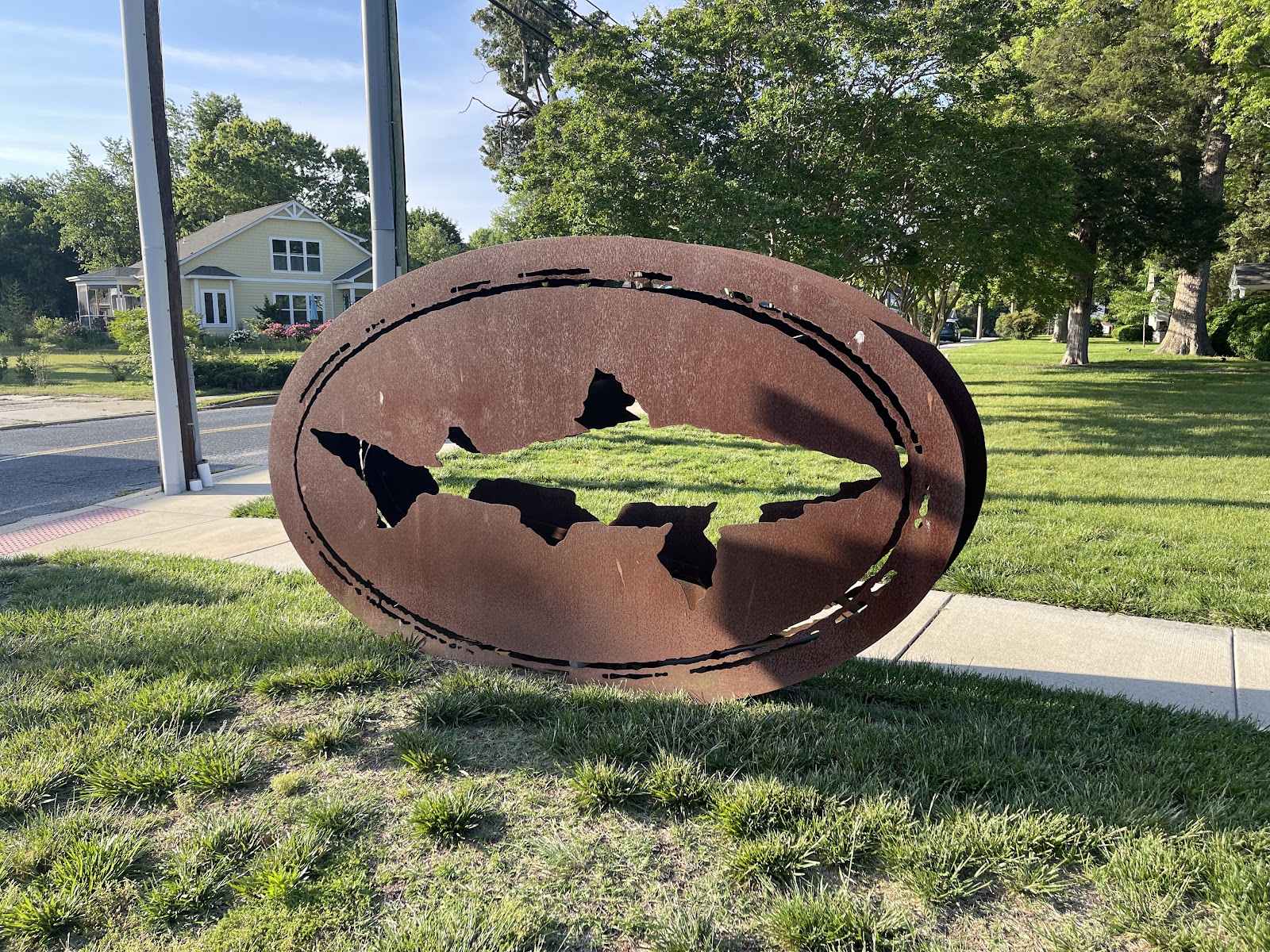
Dogfish Head Craft Brewery, Milton: The Venue’s Own Logic
A room full of mirrors that happen to be cylindrical. That is the whole problem.
A working brewery has one organising material and it governs every photograph made inside: polished stainless steel.
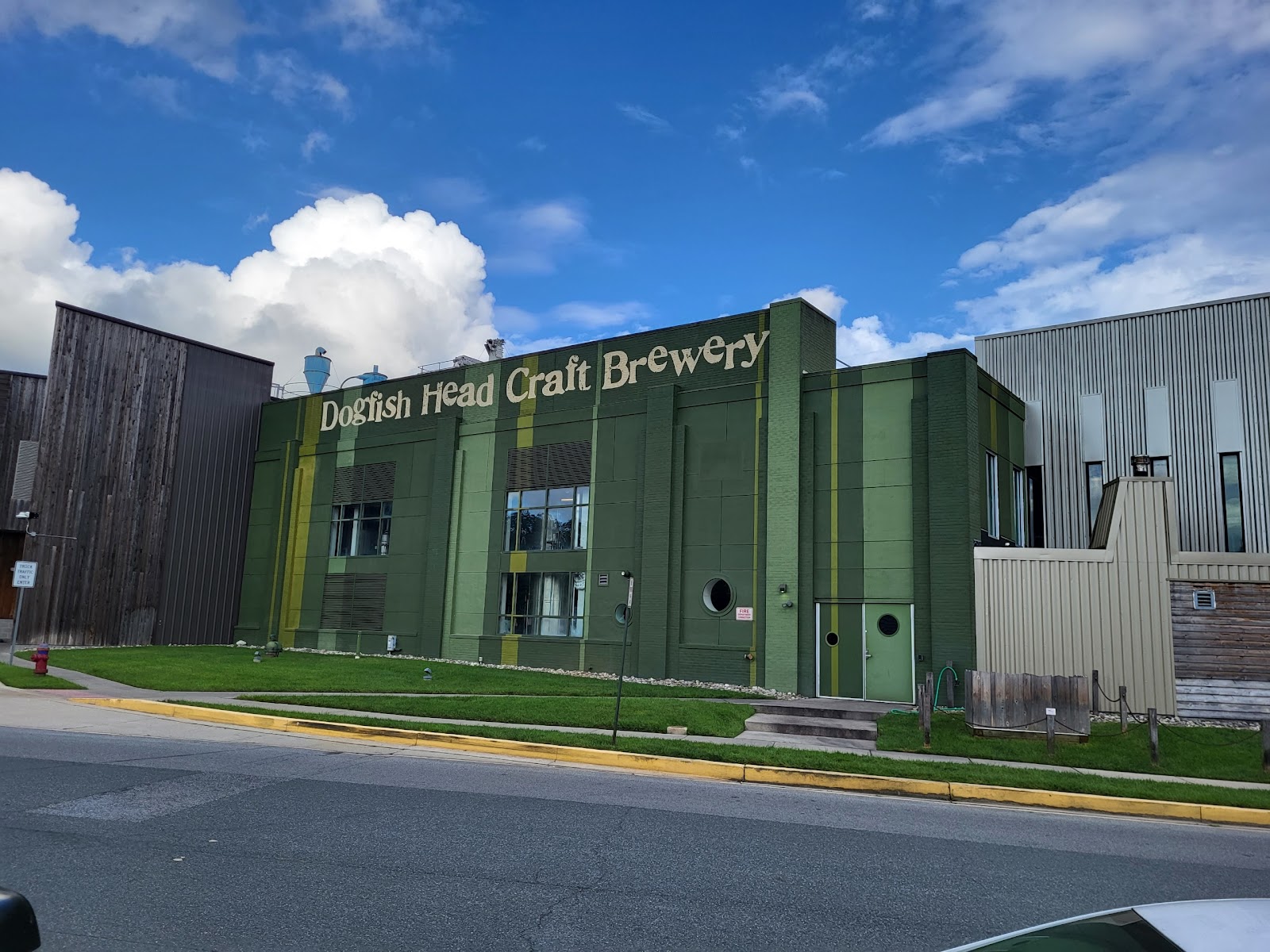
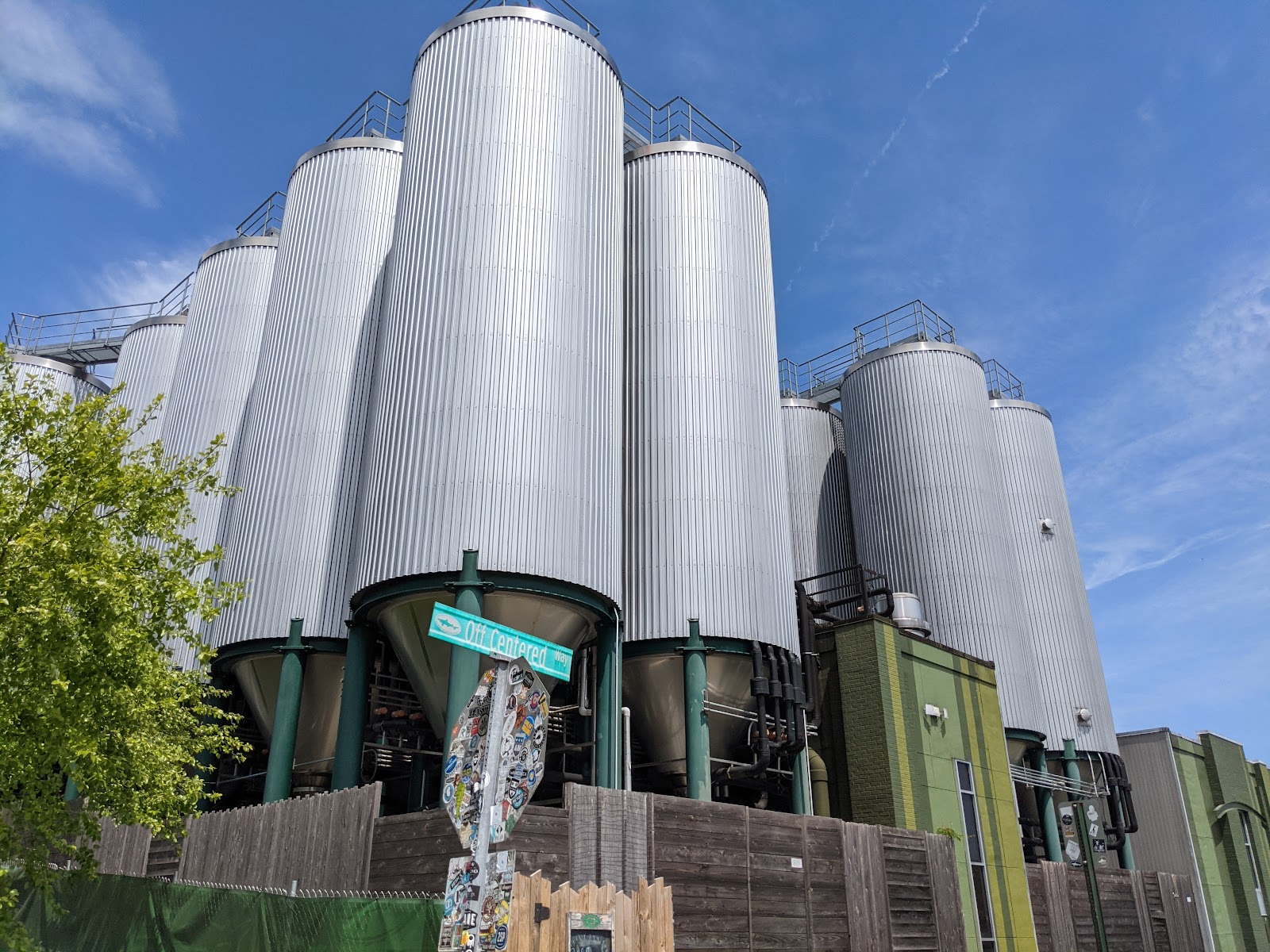
A brewhouse is a set of large vessels — mash tun, kettle, whirlpool, fermenters — with pipework, platforms, valves and gantries between them. Almost all of it is stainless steel, almost all of it is polished, and most of it is cylindrical.
That combination behaves like nothing else in this guide, and the reason is that polished steel is specular rather than diffuse. A diffuse surface — plaster, timber, stone, fabric — scatters light and looks the same from every angle. A specular surface reflects light, which means it does not have a tone of its own: it shows whatever is in front of it, and what it shows changes completely with the camera position.
The consequences are precise and they are all unusual. A brewery vessel is not a background; it is a mirror, and it will contain a reflection of the photographer, the lights, the subjects, the ceiling fittings and the room. Because the vessels are cylindrical, those reflections are compressed and distorted into narrow vertical bands — which is either a striking graphic effect or an obvious mistake depending on whether it was noticed.
A polished cylinder also produces a specular highlight: a bright line running down it where it reflects the brightest thing in the room. That line moves as the camera moves, which means it can be placed, and placing it deliberately along the edge of a vessel is what makes a brewhouse photograph look intentional.
And the room is dark. A brewhouse is a working industrial space, typically lit by overhead fittings at a low level, with concrete or resin floors and painted walls — which means the ambient is well below what the eye reports and the metal is the only bright thing in it.
Milton sits at about thirty-eight and three-quarter degrees north in southern Delaware. The June noon sun reaches around seventy-four and a half degrees, the December noon sun about twenty-eight, days run from about nine hours twenty-five to fourteen hours fifty, and civil twilight is around twenty-nine minutes.
We have not photographed a wedding at this brewery. Which spaces are included, whether the production areas are accessible, what safety restrictions apply and what the permitted hours are, are questions for their team — and at a working production facility the safety restrictions are firm.
Dogfish Head Craft Brewery at a glance
| Where | A working craft brewery in Milton, southern Delaware |
| The material | Polished stainless steel: specular, cylindrical, and everywhere |
| The consequence | Vessels are mirrors, not backgrounds — they show whatever is in front of them |
| The control | Specular highlights move with the camera, so they can be placed |
| Ask first | Included spaces, production-area access, safety restrictions, hours |
Working polished steel
Move the camera, not the subject. That is the first rule and it inverts normal practice.
With a diffuse background, the subject’s position relative to the light decides the frame and the camera is free. With a specular one, the camera position decides what the background shows — which means the way to change a brewery frame is to move a metre to one side and watch what happens to the metal, rather than to reposition the people.
Watch for yourself in the frame. A polished vessel at close range will contain the photographer, and on a cylindrical surface that reflection is compressed into a narrow vertical band that is easy to miss on a small screen and obvious in a finished photograph. The fixes are the ordinary ones: shoot at an oblique angle so the reflection falls outside the frame, get close enough that the subject blocks it, or accept it and make it deliberate.
Place the specular highlight. Every polished cylinder has a bright line down it where it reflects the brightest source in the room, and that line is the single most useful compositional element in a brewhouse. Along the edge of a vessel it defines the form and makes the metal read as round; across the middle it flattens it.
Moving the camera moves the line. That is worth two minutes of experiment before any frame that matters, because a brewery photograph with the highlight in the right place looks like industrial photography and one with it in the wrong place looks like a snapshot in a factory.
Light the people separately and keep the source out of the metal. This is the technical crux. A source placed where it can be seen in a vessel puts a hard bright rectangle or circle into the background, and on a curved surface that reflection is unmissable.
The answer is to light from a position the metal does not see — from behind the camera’s axis at a shallow angle, or from the side with the vessel’s curvature turning away from it — and to keep the source small and close so its fall-off keeps it off the surrounding surfaces. One light at forty-five degrees and slightly above eye level, close to the subject, is the whole setup; anything larger or further back will appear in the steel.
Meter on skin, never on the scene. A dark industrial room with bright metal in it will produce an exposure that is wrong for both, and the metal is the thing that can be allowed to go bright — a blown specular highlight on steel reads as a highlight, where a blown face reads as a mistake.
And set the white balance on a face. A brewhouse mixes overhead industrial fittings — often at a colour temperature well away from daylight and sometimes narrow in spectrum — with whatever daylight reaches the space, and the metal reflects all of it. A preset will be wrong; a custom reading on skin in the actual position will not.
Two further notes on the material. Copper, where a brewhouse has it, behaves the same way as steel but reflects warm, which means it puts a warm cast onto anything near it and is considerably more flattering to skin at close range. A copper kettle is the best background in any brewery that has one.
And the pipework is the other resource. A run of polished pipe is a set of parallel lines with highlights down each one, which is a strong graphic field — and unlike the vessels, pipe is thin enough that the reflections in it are too compressed to contain anything recognisable. That makes pipework a background where a vessel is a mirror.
The rest of the brewery, and outside
The floors and walls are the counterpoint to the metal and they are more useful than they look.
Concrete or resin floors are mid-toned and almost entirely unsaturated, which makes them the most colour-neutral surface in this guide — and in a room full of reflective metal and coloured lighting, one genuinely neutral element is what lets the rest be judged. A frame composed low, with floor filling the foreground, has a calm base under a busy background.
Painted walls give the one plain field in the building. Locating the two or three plainest walls on arrival turns a visually dense industrial space into a simple one, and a subject against a large area of flat saturated paint is a bold graphic portrait that no historic venue can produce.
The taproom or hospitality space, if there is one, is a completely different environment and it is where most of a wedding will actually happen. Expect timber, low warm lighting, and surfaces that absorb rather than reflect — which inverts everything above: the ambient is low, the fall-off from any window is steep, and meter-on-skin gives a lit face against a dark ground for nothing.
The method there is the standard one for any warm low-lit interior: balance for the fittings rather than for a flash, gel any added source warm so the subjects belong to the room, use the existing pools of light as key rather than filling them out, and let the gaps go dark. Restraint is the technique — a stop over ambient models, two starts to look lit, three looks like a flash photograph in a dark room.
The barrels, if there are any, are the best material in the building after the copper. Oak barrel ends are circular, warm, textured and stackable, which means a wall of them is a repeating pattern at human scale with real surface interest — and unlike steel it is diffuse, so it behaves predictably and can be treated as an ordinary background.
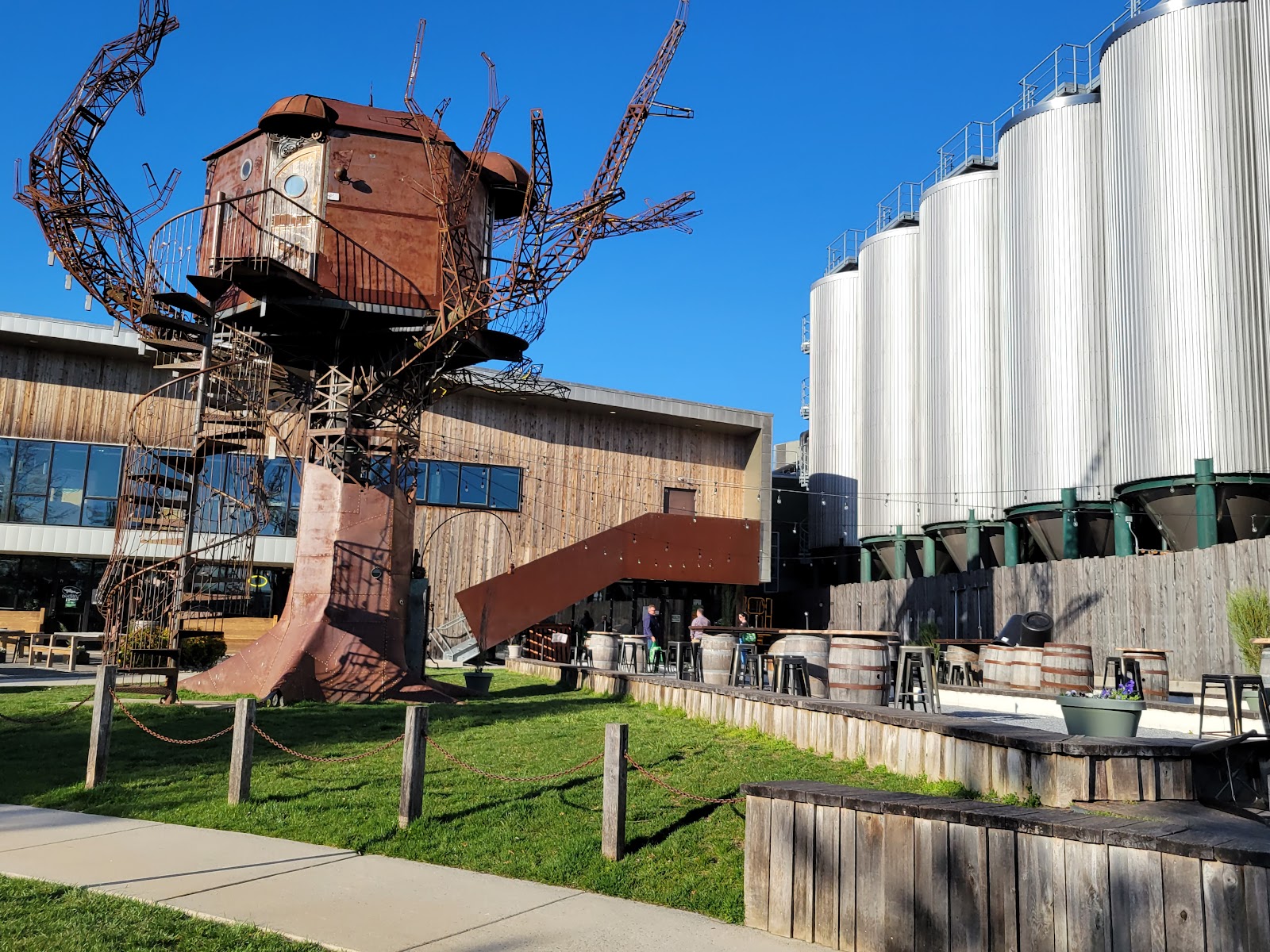
Outside, a production facility has the usual industrial exterior: functional frontage, loading areas, tanks, parking and signage. The usable frames are three — a low camera with ground across the base so everything behind the subjects is sky; any plain wall or tank side in low light; and a longer lens wide open to turn the yard into tone.
Exterior tanks are worth a note because they are the same specular problem at a larger scale and outdoors, where the thing they reflect is the sky. A large outdoor tank reflects a compressed band of sky down its side, which under a coloured sky at dusk is a genuinely beautiful effect and one nobody plans for.
Milton itself is the other resource. This is a small southern Delaware town with a historic core, and small-town architecture — clapboard, brick, porches, a main street — is completely different material from a brewhouse and is a short distance away. Whether it is usable is a question of permission and transit rather than of light.
And the coastal plain around it: flat, sandy, with loblolly pine and American holly. Holly is Delaware’s state tree and worth locating, because it is evergreen, dense and very dark — one of the few near-black backgrounds in this state, and the complete opposite of everything inside the brewery, which is exactly why it is useful.
Two practical matters. A working production facility has safety requirements — footwear, restricted areas, moving equipment, wet floors — which are not negotiable and which shape where a party may go. And a brewhouse is warm and humid when it is running, which means glass carried in from a cool exterior will fog, and the direction of that problem is the reverse of the usual one.
- Move the camera, not the subject — the camera decides what the metal shows
- Watch for your own reflection compressed into a vertical band on a cylinder
- Place the specular highlight along an edge; moving the camera moves the line
- Light small and close from where the metal cannot see it
- Meter on skin; blown steel reads as highlight, a blown face does not
The season, and why it matters less here
A brewery is among the least seasonal venues in this guide and, in a state whose summers are humid and whose springs are foggy on the coast, that is the point rather than a shortfall.
Nothing about the brewhouse changes between January and July. The vessels are the same, the fittings are the same, the exposures are the same, and the whole specular problem is identical in every month. A February wedding here produces the same photographs as a July one, which is not true of any outdoor venue in Delaware.
What the season changes is whatever daylight reaches the building, and the exteriors.
Winter improves any glazing considerably. A low sun at around twenty-eight degrees in December enters a window obliquely rather than from overhead, which means a space with daylight briefly has genuine directional side light — a lit side and a shaded side, and modelling without help. In a brewhouse that light also reaches the metal and produces highlights that overhead fittings cannot.
Winter also brings the earliest dusk, sunset just after half past four in December, which means the exterior tank-and-sky frame described above lands in the late afternoon rather than after eight.
And snow improves an industrial exterior more than any other kind, because it covers the yard, the hardstanding and the parking — the three things that make a production facility unphotographable. A lit brewery frontage against falling snow is the best exterior frame the site will ever produce.
Spring on the Delaware coastal plain is early and pleasant but it barely registers at an indoor venue, which is the advantage. Late April brings dogwood and redbud in the surrounding country, lit directly before the canopy closes, and the flowering trees in a small-town street are a genuinely good exterior if travel is possible.
The costs are the mid-Atlantic severe-weather season building from April, which an indoor venue is indifferent to.
Summer is the season for weddings and the worst for anything outside. Days run to nearly fifteen hours at the solstice with about twenty-nine minutes of civil twilight, which means the dusk exterior sequence does not arrive until after half past eight — usually after the point in a reception when people can be taken out.
Dew points in the low twenties Celsius put haze in the air, which at a venue with no distant view costs nothing at all. And summer is when the brewhouse itself is at its most uncomfortable if it is running, which is a practical matter for a party in formal clothes.
Autumn is the one season that argues for going outside. The Delaware coastal plain turns late — the second half of October into early November — with sweetgum purple-red, red maple scarlet and oak russet against dark loblolly pine and evergreen holly, and small-town streets with maple in them are genuinely good material.
Warm autumn colour against near-black holly is the best exterior background this part of the state offers, and it is the complete opposite of a stainless-steel interior — which makes an October date here the one that produces the most varied set.
November returns the brewery to being the whole venue, which it is well equipped to be.

More frames from Dogfish Head Craft Brewery
Dogfish Head Craft Brewery wedding photography: common questions
What makes a brewery different to photograph?
Polished stainless steel is specular rather than diffuse. It has no tone of its own — it shows whatever is in front of it, and that changes with the camera position.
So what do I move?
The camera, not the subject. With a specular background the camera position decides what the background shows.
What should I watch for?
Your own reflection, compressed into a narrow vertical band on a cylindrical vessel — easy to miss on a small screen and obvious in a finished frame.
How do I place the specular highlight?
By moving the camera. Along the edge of a vessel it defines the form and makes the metal read as round; across the middle it flattens it.
Where should the light go?
Small, close to the subject, and from a position the metal cannot see. Anything large or far back will appear as a hard bright shape in the steel.
Does the season matter?
Barely inside, which is the point. Winter does improve any daylight in the building and lands the dusk exterior before five in the afternoon.
More Delaware venue guides
We are writing a photographer’s guide to every venue we would happily shoot in Delaware. Here are three more, plus the full index:
- Fenwick Island State Park, Delaware: The Problem and Four Ways Out of It
- Irish Eyes Pub, Lewes: A Walk Through the Site
- The Milton Theatre, Milton: One Frame and How It Is Made
Planning a wedding at Dogfish Head Craft Brewery?
A building full of mirrors. Tell us your date and we will move the camera, not you.