 The Blue Ball Barn, Wilmington: A Walk Through a Converted Barn
The Cape May–Lewes Ferry, Lewes: The One Decision That Governs Everything
Moving or moored. That is the whole decision, and it changes everything.
There is one decision on a ferry and it governs every technical choice that follows: is the vessel under way, or is it alongside?
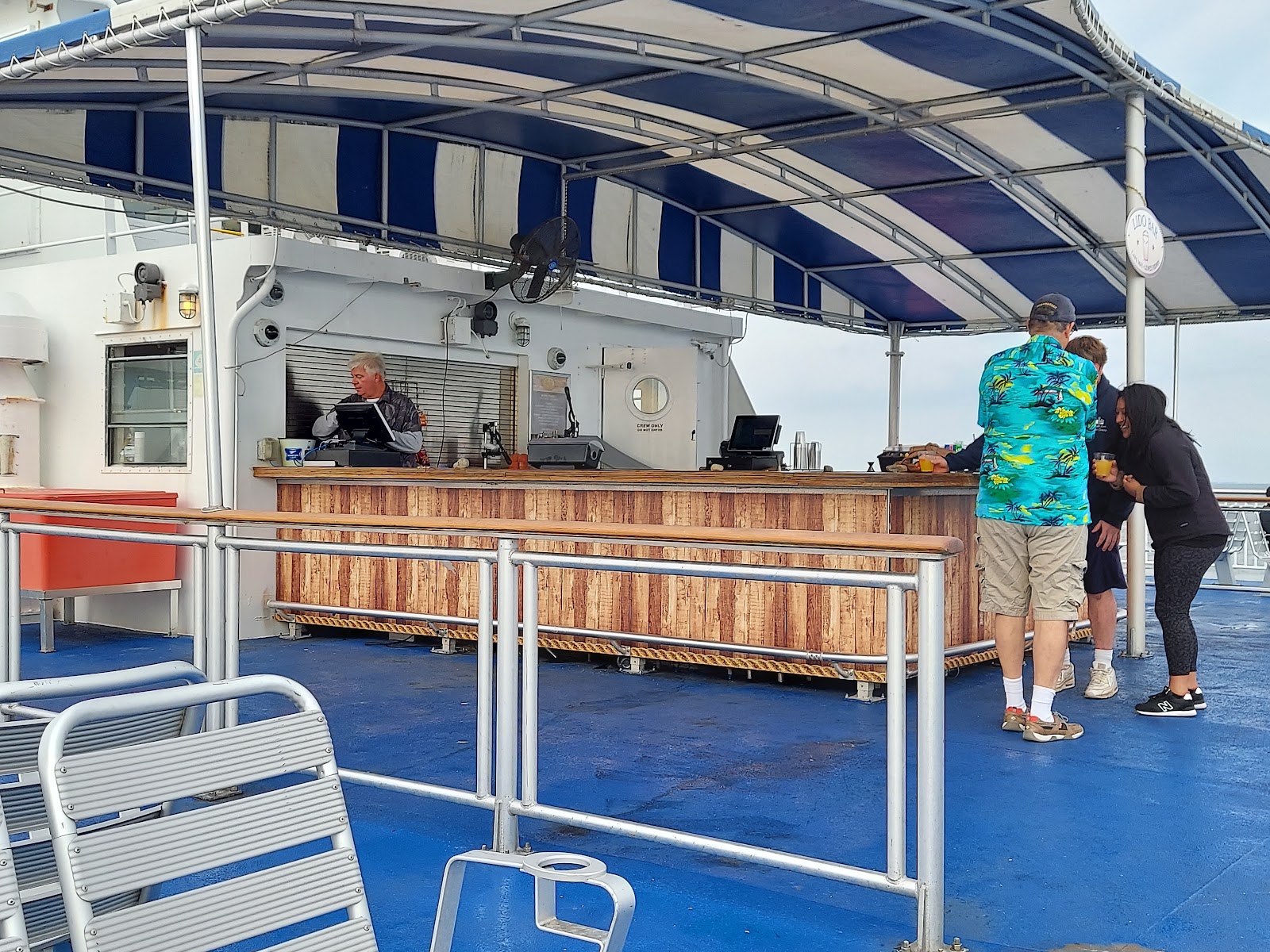
The Cape May–Lewes Ferry crosses the mouth of Delaware Bay — a working passenger and vehicle service across open water, taking something over an hour each way. That means a wedding on it has two entirely different photographic situations available, and they have almost nothing in common.
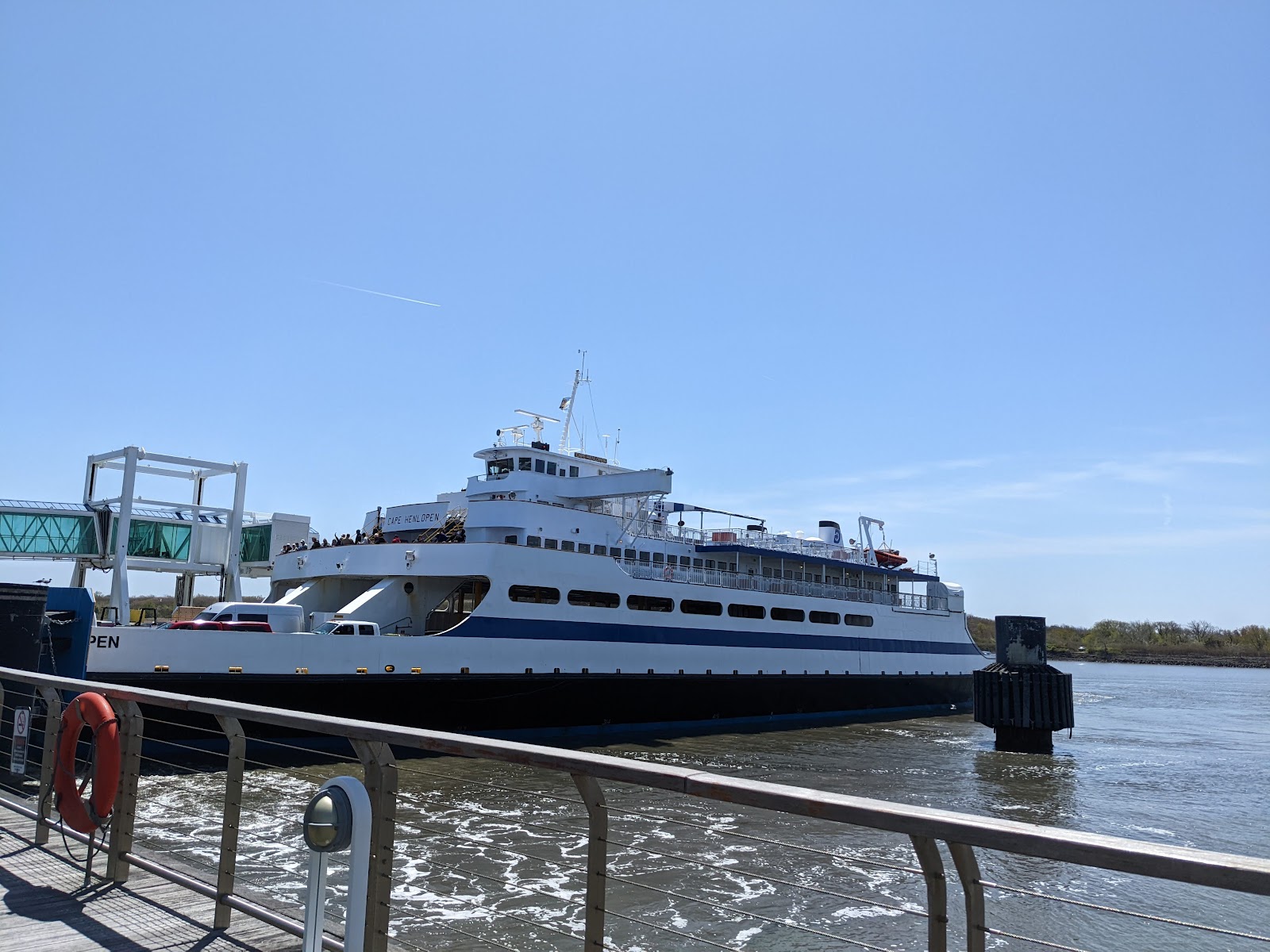
Alongside, at the terminal, a ferry is a large steel structure with decks, rails, stairs, painted plate and machinery. It is stable, the light is predictable, the horizon is level, and every ordinary technique works.
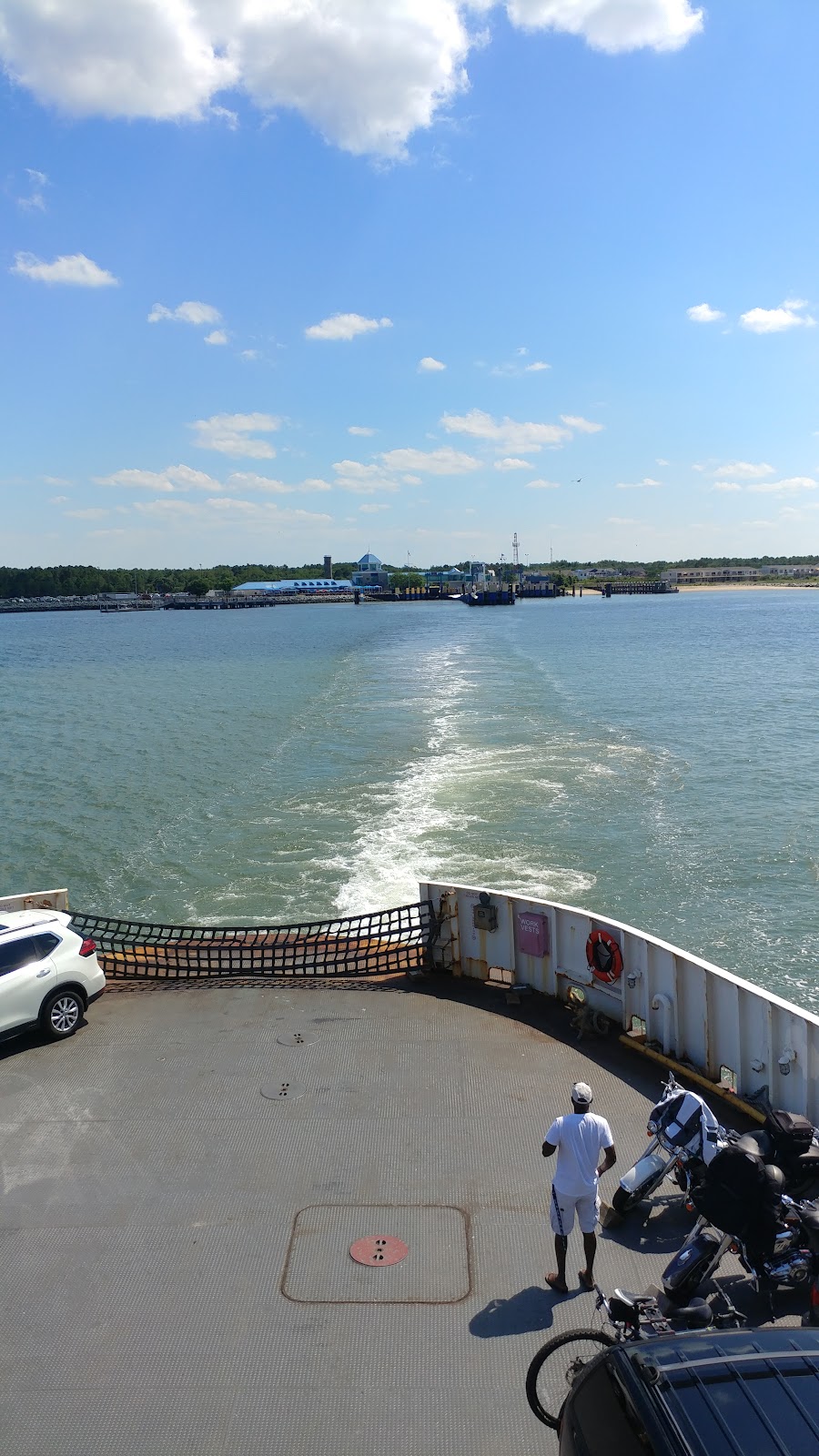
Under way, it is a moving platform in open water. Nothing is stable, the horizon is not reliably level, the light direction changes continuously as the vessel turns and as it crosses the bay, the wind is the vessel’s own speed plus whatever the weather is doing, and the background is different in every frame.
That second situation is the one worth planning for, because it produces photographs that cannot be made anywhere else — and because every part of it needs a different approach from ordinary work.
The specific consequences of a moving platform are worth stating before anything else. Shutter speeds have to be faster than the subject alone would require, because the camera is moving too. The horizon needs watching continuously rather than being set once, because a vessel rolls and because a tilted sea horizon is the most visible error in photography. Every light is handheld, because nothing standing will stay standing. And the sun’s position relative to the subject changes as the vessel’s heading changes, which means a lighting setup that worked five minutes ago may not now.
Lewes sits at the mouth of Delaware Bay at about thirty-eight and three-quarter degrees north. The June noon sun reaches around seventy-four and a half degrees, the December noon sun about twenty-eight, days run from about nine hours twenty-five to fourteen hours fifty, and civil twilight is around twenty-nine minutes.
We have not photographed a wedding on this service. Whether ceremonies are permitted, what the arrangements are, which decks and spaces are available, what group sizes are possible and what the schedule allows are questions for the operator — and the schedule is not negotiable, which makes this the most time-constrained venue in this guide.
The Cape May–Lewes Ferry at a glance
| Where | A working vehicle and passenger ferry across the mouth of Delaware Bay |
| The decision | Under way or alongside — two entirely different photographic situations |
| Under way | Moving platform: faster shutters, a horizon that moves, handheld light only |
| The constraint | A published schedule. Nothing about the timing is negotiable |
| Ask first | Whether ceremonies are held, available decks, group size, schedule |
Working the decision
Under way, start with the shutter. A vessel at cruising speed transmits vibration through the deck and moves in three axes even in a moderate sea, which means camera shake is present whether or not the photographer is steady.
The practical answer is a shutter faster than instinct suggests — comfortably above what the focal length alone would call for — and an acceptance that image stabilisation designed for a stationary photographer is working against a platform that is moving in a way it does not expect. Faster shutter, higher sensitivity, and more frames than usual is the whole technique.
Then the horizon, and this is where most ferry photographs fail. A sea horizon is a true horizontal and the eye reads it with great precision, which makes a degree of tilt instantly visible. On a moving vessel the horizon is never where it was, which means it has to be checked in every frame rather than set once.
There is a related decision: whether to include the horizon at all. Excluding it — by shooting tight, by pointing along the deck rather than out to sea, or by filling the frame with the vessel’s own structure — removes the problem entirely, and a good proportion of the frames made under way should do exactly that.
Then the changing light. A vessel crossing a bay changes heading, and even on a steady course the subject’s relation to the sun changes as they move around the deck. That means a lighting position is temporary: the side that was shaded ten minutes ago is now lit, and a warm-gelled fill that matched the sun on one heading is wrong on another.
The working method is to establish where the sun is relative to the vessel at the start, to keep track of the heading, and to move the subjects rather than the light. The shaded side of a superstructure is the reliable position: it is a large vertical surface with open sky on one side, which makes it a directional soft source with the structure behind — the same effect an arcade gives, on a boat.
Then the wind, which on a moving vessel is the sum of its speed and the weather’s. Even a calm day produces a persistent apparent wind over the deck, which means a veil is unmanageable in the open, hair does what it wants, and anything not held moves. Every source is handheld; no stand comes out of the bag.
The sheltered positions are behind the superstructure, in doorways and companionways, and on the lee side — and finding them takes two minutes on boarding.
Alongside, everything is easier and the material is the subject. A steel vessel is a set of strong graphic elements: painted plate in large flat areas of saturated colour, rails and stanchions as repeating verticals, stairs and ladders as diagonals, and machinery as texture.
Painted steel is worth understanding. It is specular rather than diffuse, which means it does not have texture in the photographic sense — it has reflections, so its appearance changes completely with the camera position. A large painted surface is also a reflector that bounces its own colour onto skin at close range: control it with distance, where two metres dominates and eight metres is a cast.
And a large flat painted surface is one of the best backgrounds available anywhere — a plain field of strong colour behind a white dress is a bold graphic portrait that no historic venue can produce.
The bay, the terminal and the time
Delaware Bay at its mouth is the second subject and it is a particular kind of water.
This is a large estuary rather than open ocean: broad, relatively shallow, and carrying sediment from a major river system — which means it reads grey-green to brown rather than blue, and takes its colour largely from the sky. A frame looking out over it gets its blue from above, not from the water.
The mouth of the bay faces broadly east and north-east, which means the sun rises over the water and sets over the land. On a crossing that reverses through the day: an eastbound morning sailing has the sun ahead, a westbound evening sailing has it ahead too, and the reverse legs have it behind. Establishing which leg a wedding falls on decides whether the principal frames are backlit or frontally lit.
The tidal range at Lewes is around five feet, which is moderate — smaller than the Gulf of Maine and much larger than Delaware’s inland bays. On a ferry that matters mainly at the terminal, where the ramp angle and the relationship between deck and shore change through the day.
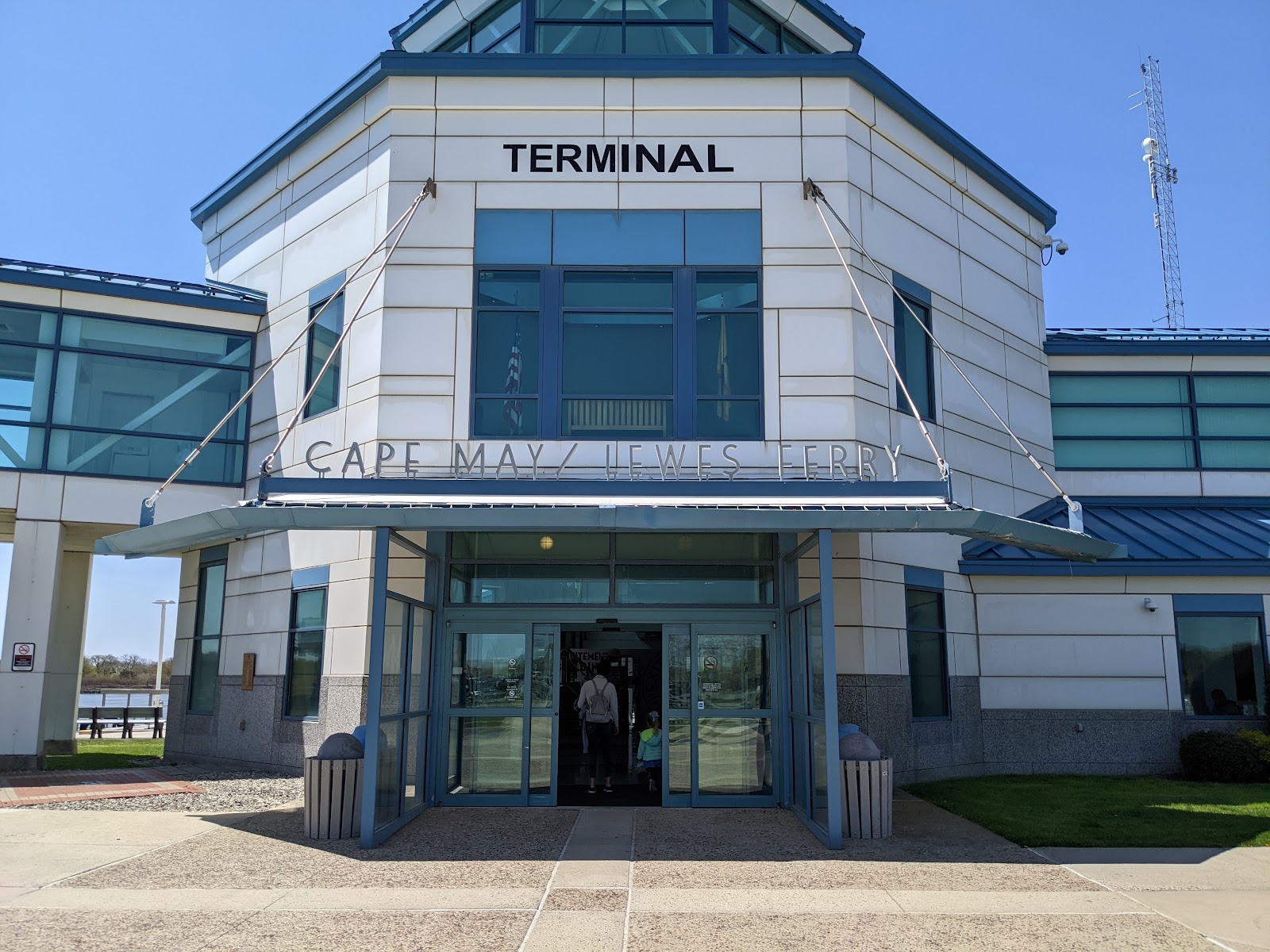
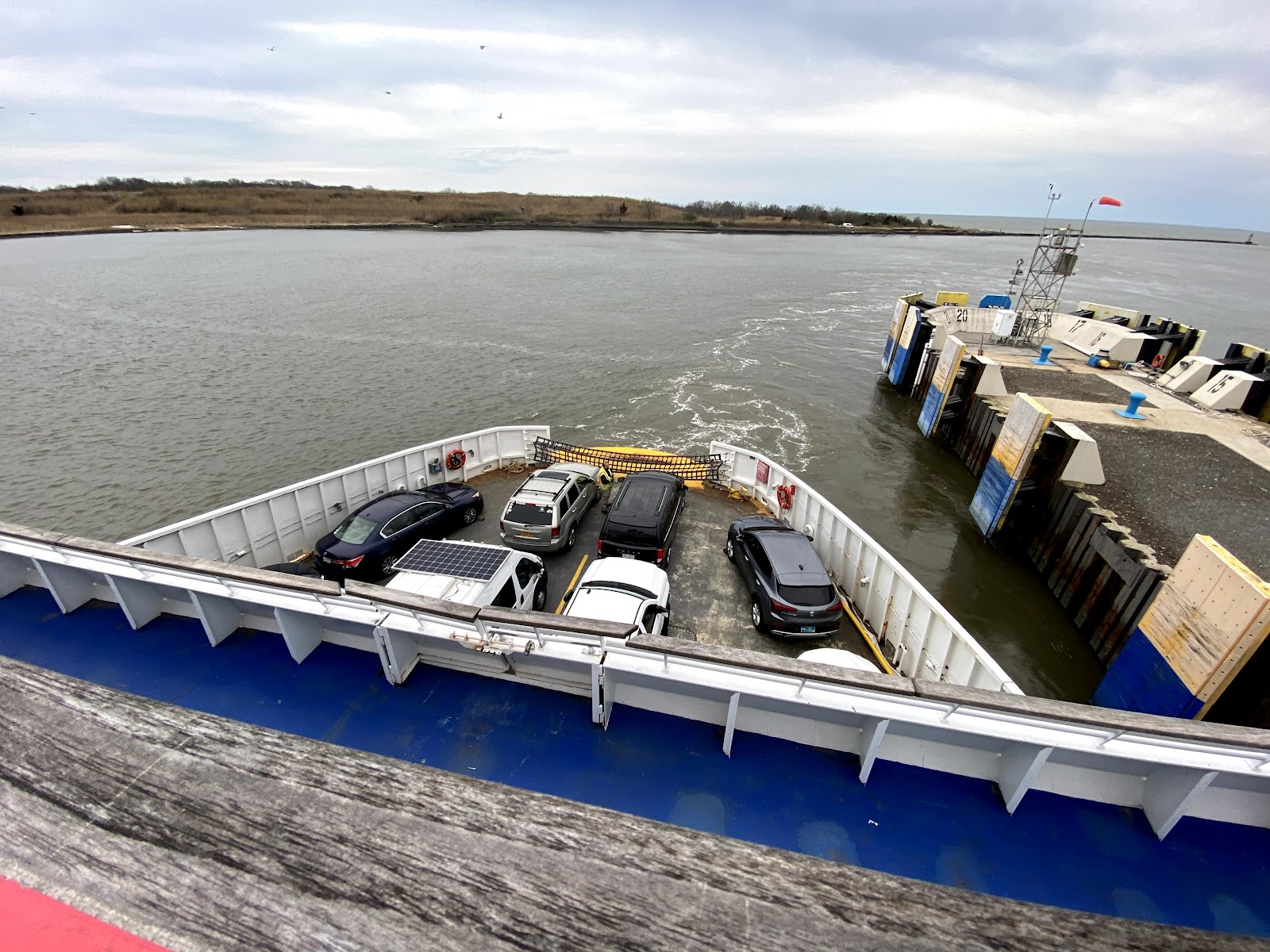
The terminal itself is an industrial waterfront and it is better material than it sounds. Concrete is the most colour-neutral background in this guide — mid-toned, almost entirely unsaturated, which makes it kind to skin and to a white dress — and there is a great deal of it. Pilings, dolphins and fenders give weathered timber and steel at close range, and a car deck or a loading ramp is a covered space with open ends, which makes it a directional soft source with very fast fall-off.
That last is the terminal’s best found light and it works in rain.
Lewes itself is the fourth resource and it is a genuinely good one. This is one of the oldest towns in the state, with a small historic waterfront, and Cape Henlopen at the bay’s mouth gives dunes, pale quartz sand and pine — which is completely different material from a steel vessel and is a short distance away.
Two things about the local coast are worth knowing. The bay beaches here are the site of a globally significant natural event: horseshoe crabs come ashore to spawn on the highest tides around the new and full moons in May and June, and the migrating shorebirds that feed on their eggs arrive with them. That is a photographic subject of real interest and it is a reason some of these beaches have access restrictions in those weeks — worth checking rather than assuming.
And coastal fog is common in spring, when warm air moves over water that is still cold from winter. On a ferry, fog does something specific: it removes the far shore entirely, which turns every seaward frame into a subject against white, and it makes the vessel’s own structure the only thing in the picture. That is a genuinely good photograph once and a monotonous one five times.
The last point is the schedule and it deserves emphasis because it is the venue’s real constraint. A ferry runs to a timetable that does not move, the crossing takes a fixed time, and there is no possibility of waiting for better light. Every frame has to be made in the window the sailing provides.
That means the whole plan has to be made in advance: which leg, what the sun will be doing on it, which positions on the vessel are usable at that heading, and what the fallback is if the weather is wrong. A ferry rewards preparation more than any other venue in this guide and punishes improvisation more thoroughly.
- Faster shutter than the focal length suggests — the platform is moving too
- Check the horizon in every frame, or exclude it deliberately
- Move the subjects, not the light; the heading changes the sun’s position
- Every source handheld: the apparent wind is speed plus weather
- Plan the leg, the sun and the positions in advance. The schedule does not wait
The Delaware Bay year
Four real seasons at the mouth of a large estuary, and a service that runs through all of them — which makes the season a genuine choice rather than a constraint.
Winter is the most austere and, on the light alone, the best. The December noon sun at around twenty-eight degrees means the whole short day rakes rather than floods, which is exactly what painted steel, concrete, weathered timber and dune sand want — and there is no bad hour at all.
The bay in winter runs slate grey under a low sun, which is the best background a brightly painted vessel can have: a saturated hull against a neutral sea and a deep sky separates in a way it does not against summer haze. Sea smoke — steam rising off relatively warm water on a very cold still morning — is possible here and it is spectacular.
The costs are cold, a nine-and-a-half-hour day, wind that is worse in winter than in any other season, and glass that fogs going from a cold deck into a heated cabin. On an open deck in a winter crossing, that last one is constant.
Spring is the fog season and it is the weak window for the seaward frames. Warm air moving over water still cold from winter condenses, and the bay mouth produces genuine advection fog with some regularity in April and May — which removes the far shore, the horizon and any sense of place.
Spring is also the horseshoe crab and shorebird season on the bay beaches, around the new and full moons of May and June, which is a subject of real interest and a reason to check access.
Summer is the busy season and the hardest for light. Days run to nearly fifteen hours at the solstice with about twenty-nine minutes of civil twilight, and the middle of one at seventy-four and a half degrees of elevation on an open steel deck is the worst light this venue offers — hard overhead sun on a specular surface with a bright bay around it.
Dew points in the low twenties Celsius put haze in the air, which softens the far shore and takes the contrast out of any distant frame. And a summer sailing is a full sailing, which means the vessel contains a public and a frame that reads as private needs a longer lens or a quieter deck.
The compensations are the warmth, the long evening, and the fact that a summer bay is at its most active — working boats, recreational traffic and shipping in the channel, which is background with real content.
Early autumn is the strongest window and it is emphatic. September and October bring drier, clearer air than August, the end of the fog season, thinning crowds, a bay still warm enough that the light over it is stable, and the calmest conditions of the year — which on a moving platform is worth more than at any other venue, because a calm sea is a stable camera.
The Delaware coastal plain turns late: the second half of October into early November brings sweetgum purple-red, red maple scarlet and oak russet against dark loblolly pine, which is the state’s autumn and it is visible from the bay shore rather than from the vessel.
November is quietly the best month here. The crowds are gone, the air is at its clearest, the sun is low all day, the crossings are quiet, and the bay is at its most graphic — grey water, low light, and a painted vessel on it.
More frames from The Cape May–Lewes Ferry
The Cape May–Lewes Ferry wedding photography: common questions
What is the one decision?
Whether the vessel is under way or alongside. A moving platform changes the shutter, the horizon, the lighting and the wind all at once.
What shutter speed should I use?
Faster than the focal length alone suggests. The platform transmits vibration and moves in three axes, so camera shake is present whether or not you are steady.
What about the horizon?
Check it in every frame, because it is never where it was. Or exclude it deliberately by shooting tight or along the deck, which removes the problem.
How do I light on a moving vessel?
Handheld, always — nothing standing will stay standing. And move the subjects rather than the light, because the heading changes the sun’s position.
What is the best found light?
A car deck or a loading ramp: a covered space with open ends, which gives directional light with very fast fall-off. It works in rain, too.
When is the crossing at its best?
September and October: the clearest air, the end of the fog season, thin crowds and the calmest sea — which on a moving platform matters more than anywhere else.
More Delaware venue guides
We are writing a photographer’s guide to every venue we would happily shoot in Delaware. Here are three more, plus the full index:
- Deerfield Golf Club, Newark: Field Notes, Problem and Solution
- Dogfish Head Craft Brewery, Milton: The Venue’s Own Logic
- Fenwick Island State Park, Delaware: The Problem and Four Ways Out of It
Planning a wedding at The Cape May–Lewes Ferry?
A schedule that does not wait. Tell us your date and we will plan the sailing.