 The Thunderbird Inn: Field Notes on a 1964 Motor Inn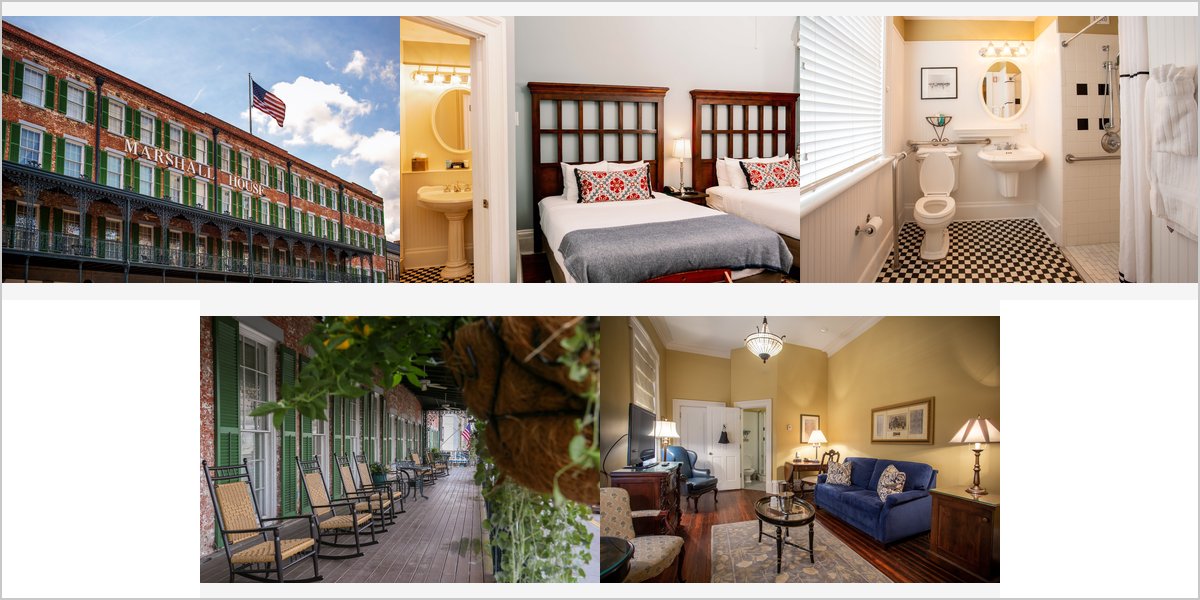
June 6, 2026
The Marshall House: Lighting Cast-Iron Verandahs and Heart Pine
Cast-iron verandahs and heart pine floors. Both are strongly coloured, textured materials, and both change what your light needs to do.
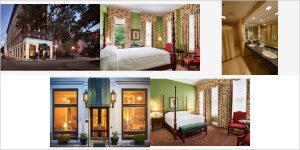
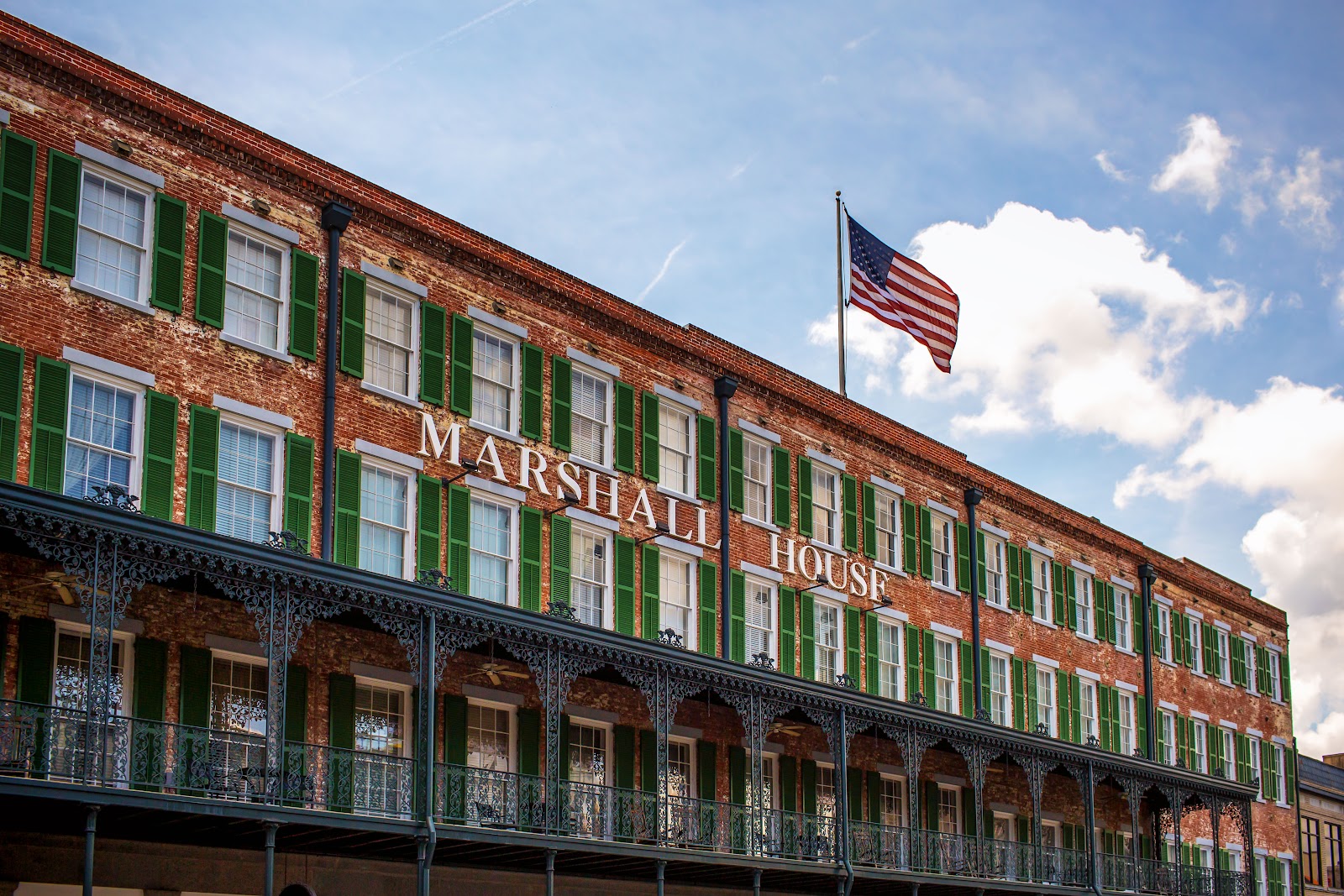
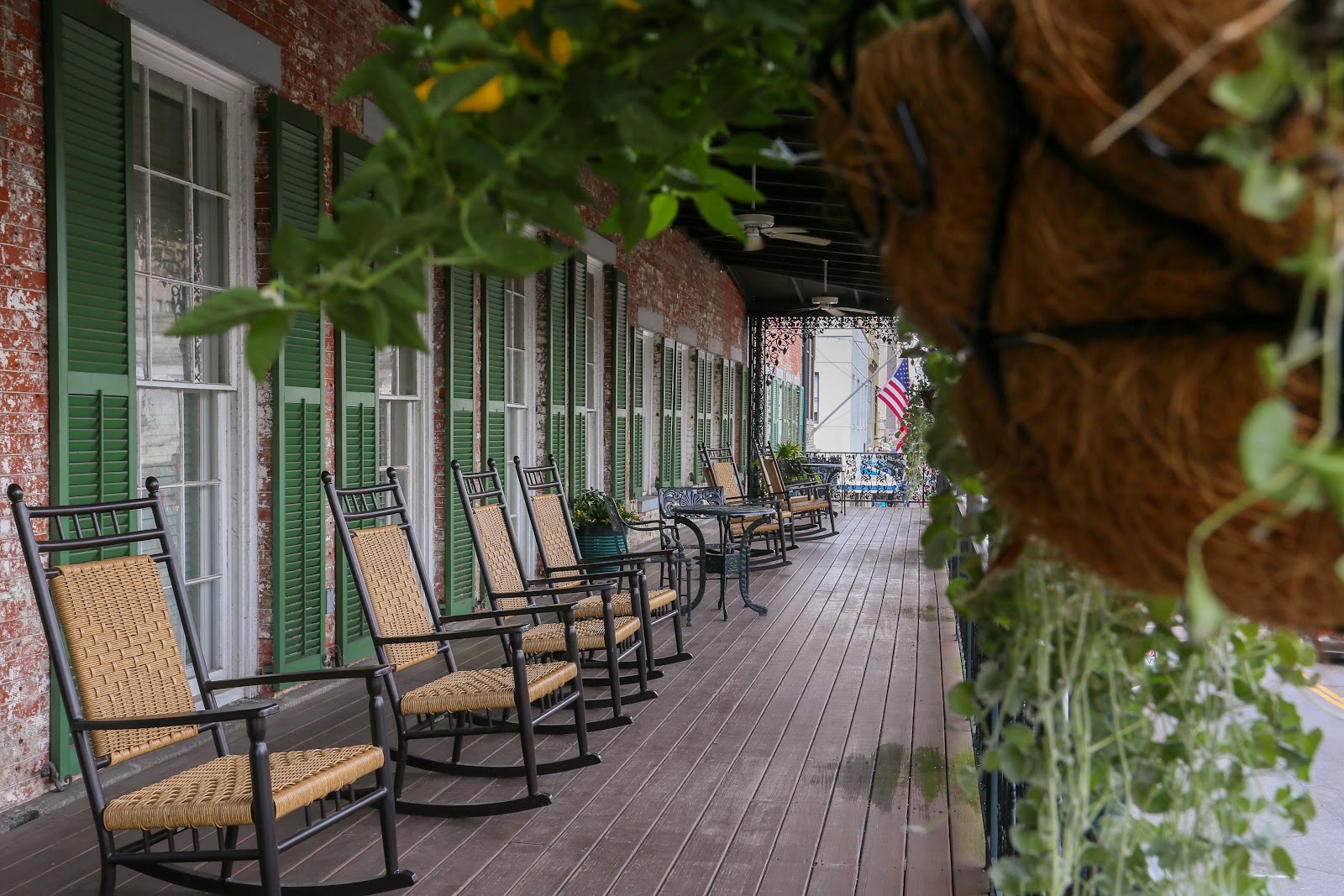
The Marshall House opened in 1851 on Broughton Street and is generally described as Savannah’s oldest hotel. Its defining exterior feature is the tiered cast-iron verandahs running across the facade, and inside it retains original heart pine floors along with period detailing.
Materials drive the photography here more than architecture does. Cast iron is fine, dark and intricate, which means it holds raking light beautifully and disappears under flat light. Heart pine is a warm orange-brown timber with strong grain, which means it reflects warm light onto everything near it and gives the whole interior an amber cast. Both facts are entirely predictable and both should shape the plan.
This is the technical guide. We have not photographed a wedding at the Marshall House. Cast iron and heart pine behave identically wherever they occur; room configurations, which spaces are included and hotel policy are for their events team.
The Marshall House at a glance
| Where | Broughton Street, historic district, Savannah, Georgia |
| Opened | 1851 — Savannah’s oldest hotel |
| Character | Tiered cast-iron verandahs on the facade; original heart pine floors inside |
| Light | Verandahs give deep architectural shade; interiors warm from the pine |
| Technical headline | Cast iron needs raking light; heart pine needs a cooler key on faces |
Cast iron: fine detail that only exists in raking light
Cast-iron verandah work is intricate — scrollwork, fine columns, repeated patterns — and the detail is small in scale. Under flat overcast light, or lit from the camera position, all that fineness merges into a dark mass with no legible pattern. It reads as a shadow rather than as ironwork.
Raking light solves it completely. When the sun is low and strikes the facade at a shallow angle, each element of the scrollwork casts its own tiny shadow, and the pattern becomes visible and three-dimensional. Late afternoon on a cast-iron facade is one of the more satisfying things in architectural photography, and it is entirely dependent on the hour.
So the establishing exterior frame belongs in the last hour of daylight, and it belongs at an angle rather than square-on — oblique to the facade so the verandah tiers recede and the repetition compresses. Shot flat-on at midday, the same building is a dull grey-white rectangle with some dark smudges on it.
The verandahs as a shooting position
Tiered verandahs are not just a facade feature; they are usable covered outdoor space, and that makes them valuable in a climate with regular afternoon thunderstorms. Covered outdoor space gives you architectural shade — soft, directional, open on one side — which is among the most flattering light available and is completely rain-proof.
Place the couple a metre inside the verandah’s edge, facing outward toward the open street side. The roof above blocks the top light that would shadow their eyes, and the open side acts as a large soft source at head height. That is an excellent portrait situation and it exists regardless of the weather.
The verandah also gives you elevation and a frame. Shooting from an upper tier down onto the street, or along the tier with columns receding, produces compositions that use the architecture rather than merely standing in front of it.
Heart pine: an amber floor is an amber light source
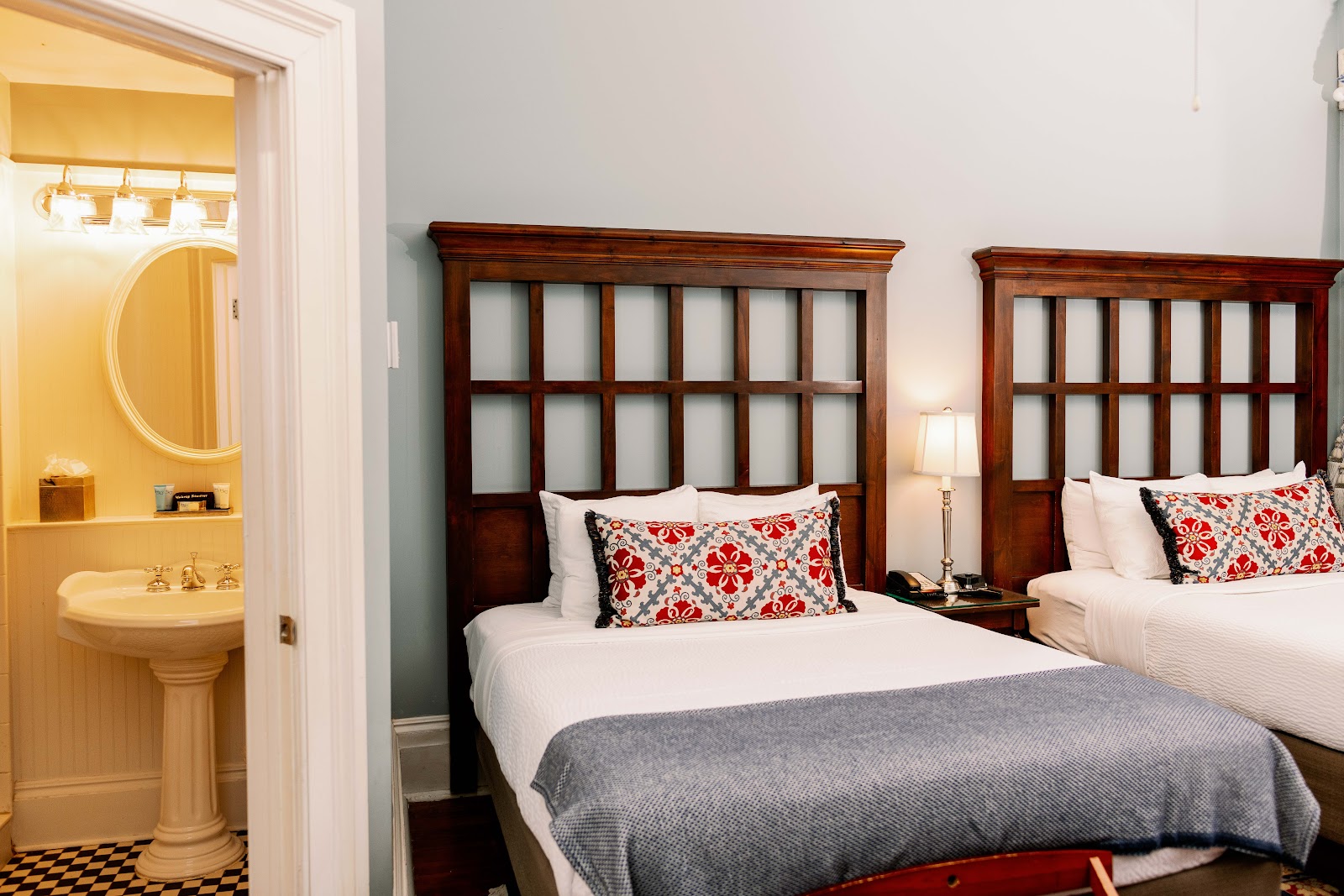
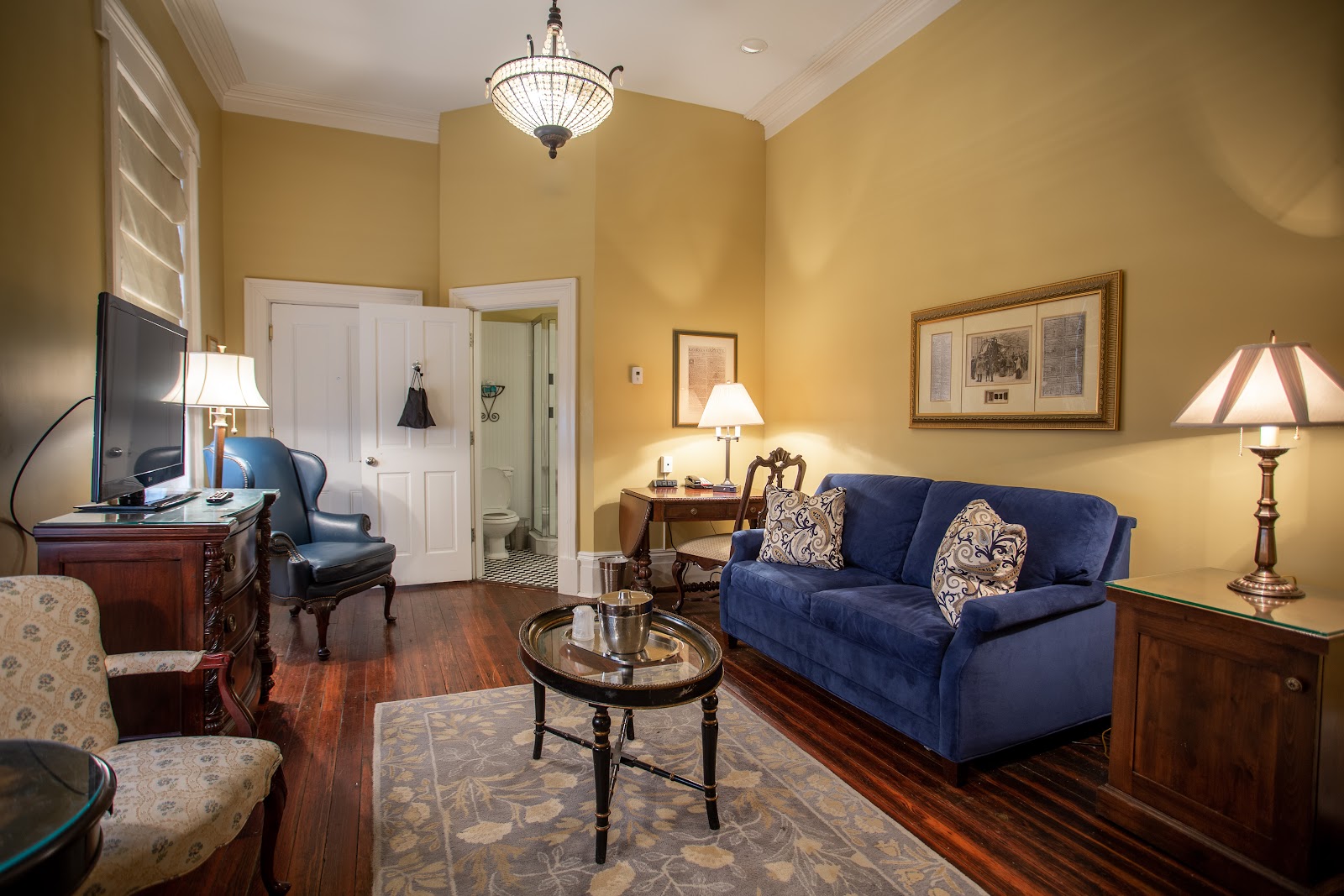
Original heart pine is a warm orange-brown with strong grain, and it covers the floor of every room. Any light entering a room bounces off that floor and comes back amber, which lands on faces from below. Combined with tungsten fixtures and warm period furnishings, the result is an interior with no cool component anywhere in it — and skin with no cool component looks artificial.
The fix is the differential approach that works in every warm building: keep the room warm in your white balance, because that is honestly what it is, and light faces with something closer to neutral so they retain some coolness. A lightly gelled or ungelled key against a warm ambient gives exactly that separation.
There is an upside worth exploiting. Warm bounce from below is flattering — it is uplight, which fills under the chin and brow, the opposite of the top-down problem. So a couple standing on a sunlit patch of heart pine gets free, warm, flattering fill from the floor. Position for it deliberately rather than treating it purely as a colour problem.
Interiors, exposure order, and Broughton Street outside
The event spaces will follow the period-hotel pattern: warm fixtures, moderate ceilings, limited daylight. Moderate ceilings are actually good news — bounce flash works better here than in a high ballroom, because there is a surface within useful reach. An on-camera bounce off a pale ceiling genuinely suffices for moving coverage.
Exposure hierarchy as always: fixtures read as glowing points rather than blown holes, faces lit by your own light, the room allowed to fall away. Set white balance manually per space, because a verandah, a heart pine dining room and a guest room will not share a colour temperature.
Outside, Broughton Street is Savannah’s main commercial street with nineteenth and early twentieth-century frontages, and the historic squares are a short walk in several directions. That gives you raking light on ironwork and brick in the late afternoon, plus live oak open shade and backlit Spanish moss on the squares. Budget twenty minutes and take both.
What works in your favour
- Cast-iron verandahs are spectacular in raking late-afternoon light
- Tiered verandahs give covered outdoor space — flattering architectural shade, fully rain-proof
- Heart pine floors bounce warm light upward, filling under brows and chins for free
- Moderate ceilings mean bounce flash is actually effective indoors
- Broughton Street and several historic squares within a short walk
What to plan around
- Cast-iron detail disappears entirely under flat or frontal light — the exterior frame is hour-dependent
- Heart pine plus tungsten leaves no cool component anywhere; skin needs a cooler key
- Limited daylight in the event spaces
- Different spaces need different white balance settings; auto will fail
- A working hotel on a busy commercial street — expect other guests and passers-by
More frames from The Marshall House
The Marshall House wedding photography: common questions
When does the cast-iron facade photograph best?
The last hour of daylight, shot obliquely rather than square-on. Cast-iron scrollwork is fine in scale, so under flat or frontal light it merges into a dark mass with no legible pattern. Raking low sun makes each element cast its own small shadow and the pattern becomes three-dimensional.
Are the verandahs useful for portraits?
Very. Covered outdoor space gives architectural shade — the roof blocks the top light that shadows eyes while the open side acts as a large soft source at head height. Stand a metre inside the edge facing outward. It is excellent light and it is completely rain-proof, which matters in Savannah.
Why do the interiors look so warm?
Heart pine floors. The timber is a warm orange-brown, so every bit of light in the room bounces off it and comes back amber, landing on faces from below. Add tungsten fixtures and period furnishings and there is no cool component anywhere, which makes skin look artificial unless you light faces with something cooler.
Is the warm floor bounce a problem or an advantage?
Both, and the advantage is worth using. Warm light bouncing up from the floor fills under the chin and brow — the opposite of the top-down problem in atriums. Position a couple on a sunlit patch of heart pine and they get free, flattering uplight. Just keep your own key slightly cooler so skin stays natural.
Does bounce flash work in this hotel?
Better than in most period venues, because the ceilings are moderate rather than high. An on-camera bounce off a pale ceiling genuinely suffices for moving coverage, which is unusual — in a grand ballroom the same technique returns almost nothing.
More Savannah venue guides
We are writing a photographer’s guide to every venue we would happily shoot in Savannah. Here are three more, plus the full index:
- The Olde Pink House: Field Notes on a 1789 Georgian Mansion
- The Pirates’ House: Who This Venue Suits
- Planters Inn: A Photographer Answers Your Questions
Planning a wedding at The Marshall House?
Two materials decide this venue: cast iron that needs raking light and heart pine that needs a cooler key. Tell us your date and we will give you the exact hour for the facade and a plan for the interiors.