 The Riverside Hotel, Boise: The Light Through a Day
McCall Golf Course, McCall: The One Decision That Governs Everything
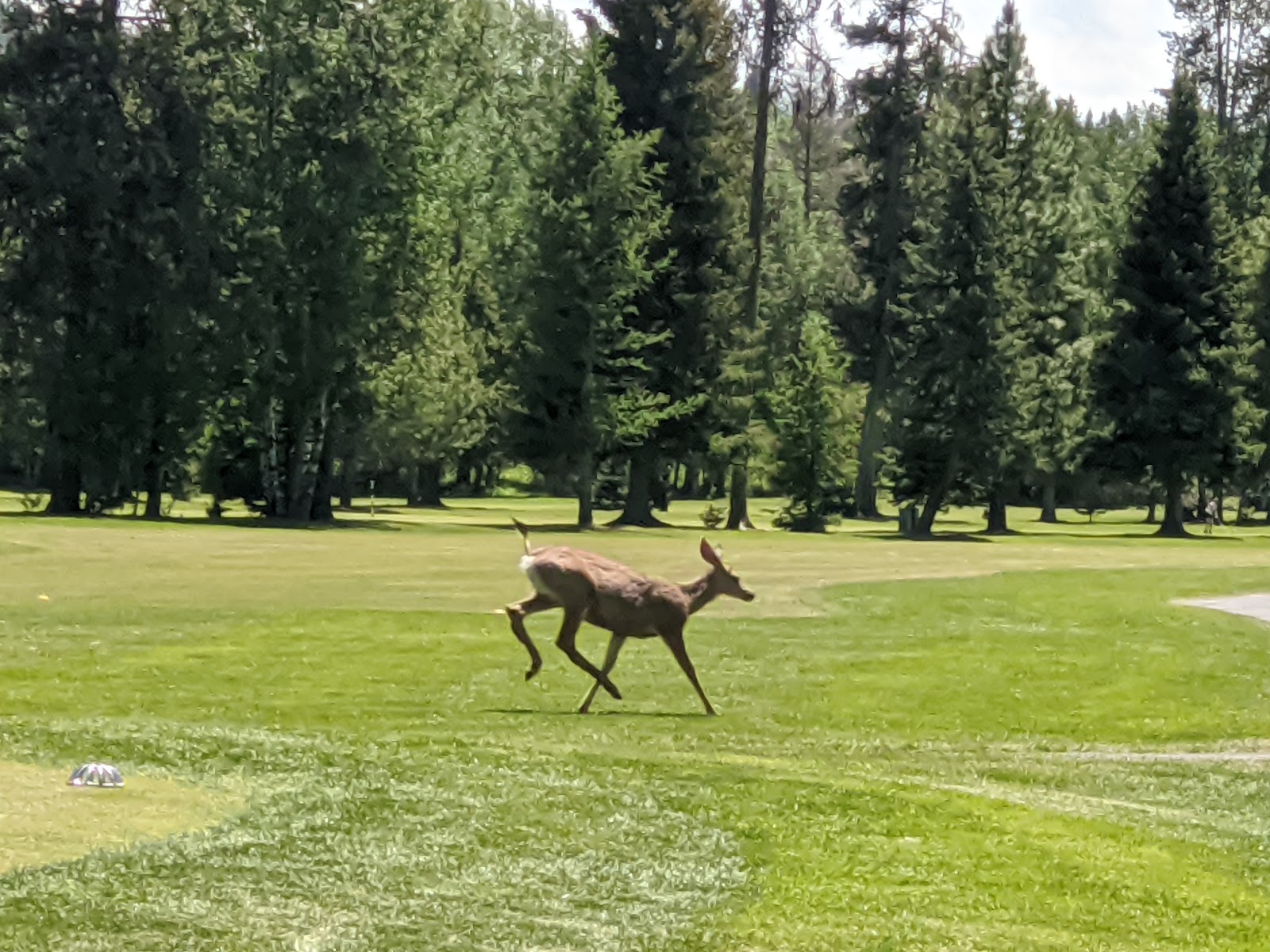
Manicured turf or the forest that surrounds it. They are two different sets of pictures.
At a mountain golf course there is one decision that governs the photographic day, and it is whether the frames use the course or the forest around it.
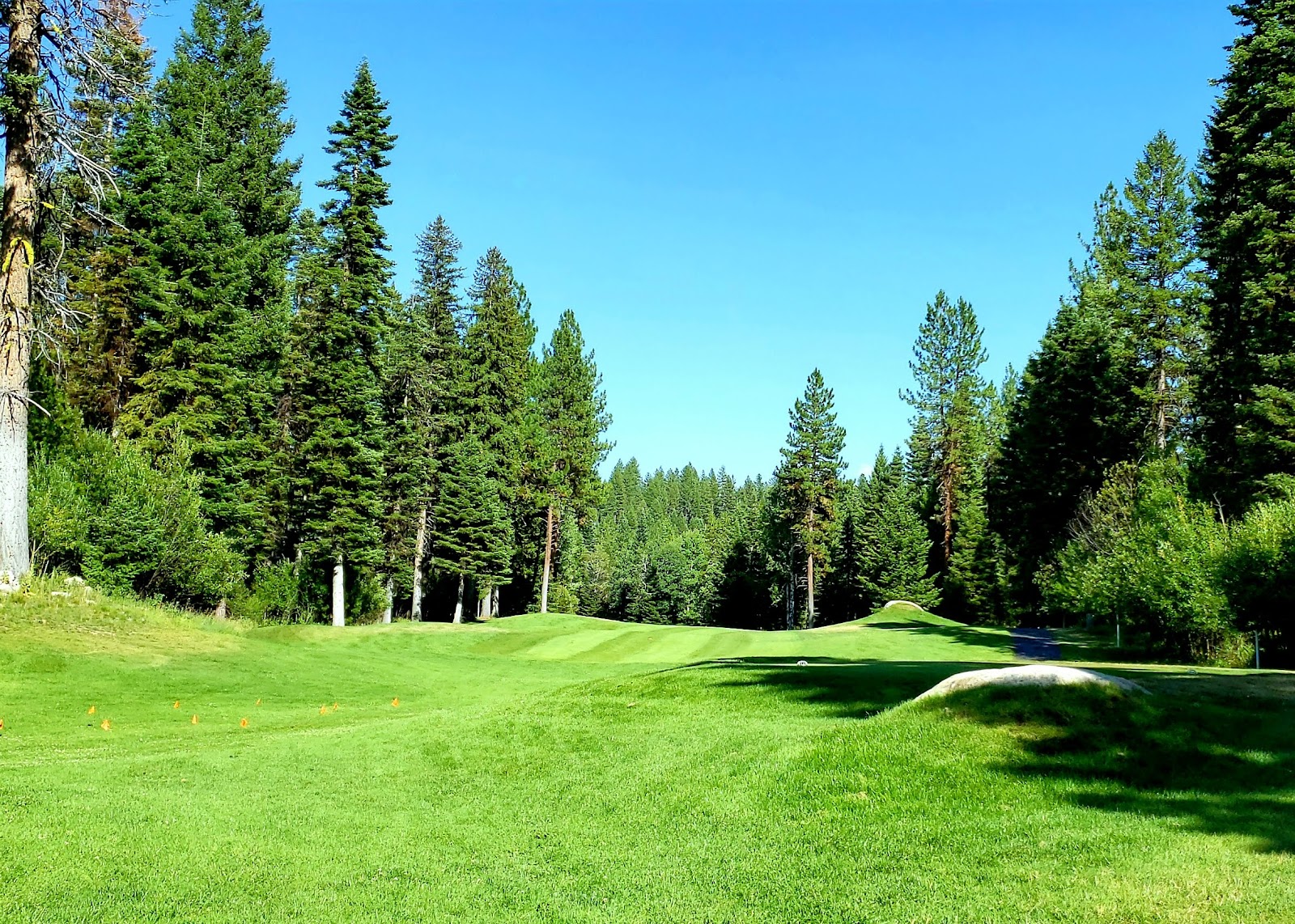
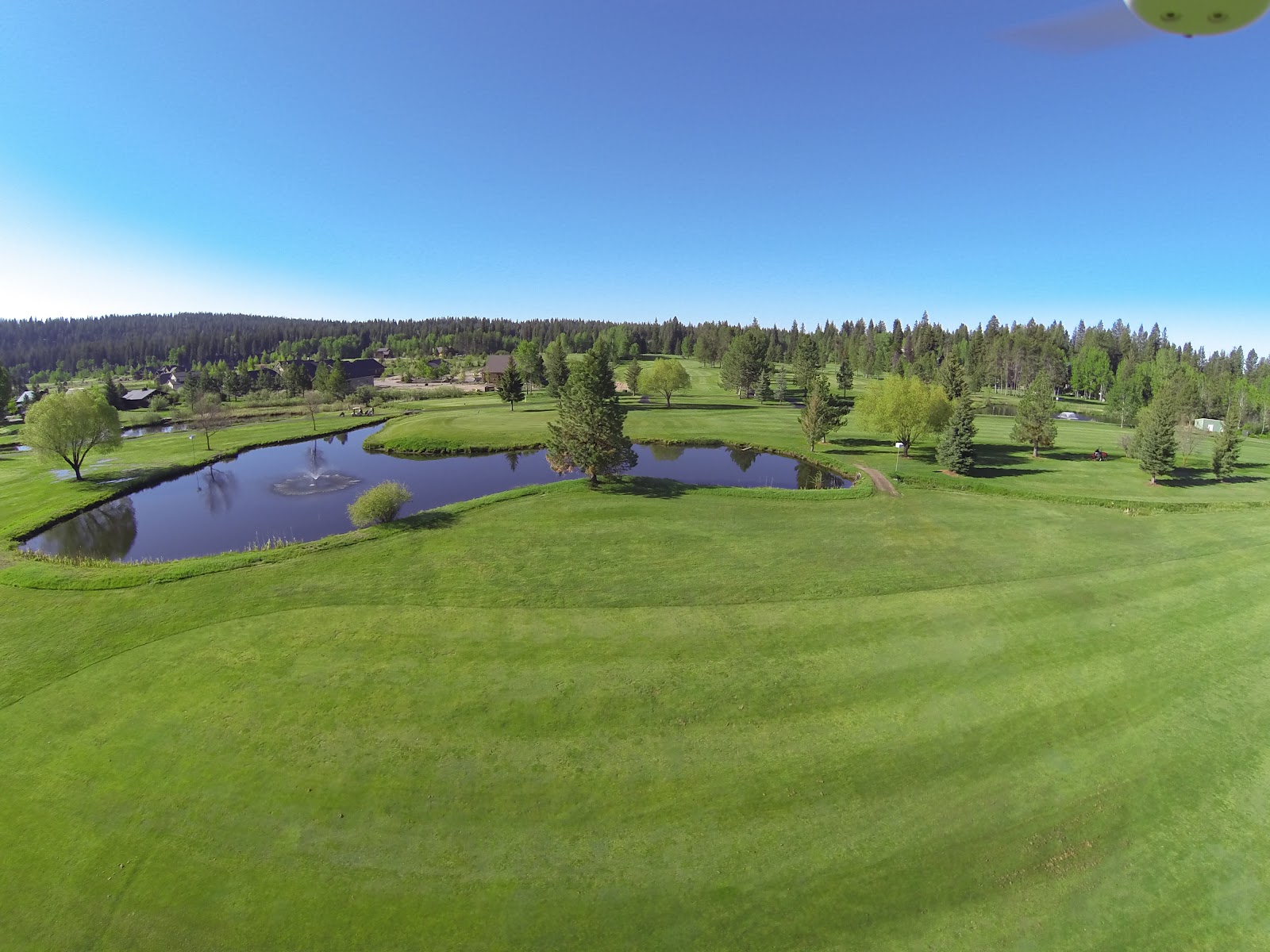
That is a real choice here in a way it is not at a lowland course, because a mountain course is cut into forest rather than laid out over farmland. The turf is uniform, green and maintained; the trees at its edges are tall dense conifer; and the boundary between them is sharp.
Using the course means open ground: level, clean, dry, uniformly green, with generous sightlines and mountains beyond. That suits group photographs better than almost any surface in this guide, and it suits the long low light of a mountain evening — which rakes across turf rather than falling into it.
Using the forest means the opposite: dark, enclosed, tall, with the canopy edge giving three or four stops of free separation and a background that could not be more different from the turf. That suits close portraits, and it is where the contrast is.
Neither is better and a good day uses both, but they want different techniques and different metering — and the decision matters because it determines whether the set reads as a golf course wedding or as a mountain forest one.
The fifth element is the elevation. McCall sits at around five thousand feet, which means roughly a sixth less atmosphere overhead: harder sun, deeper shadows, markedly cool shade under a deep blue sky, higher ultraviolet and exceptional clarity at distance.
We have not photographed a wedding at the McCall Golf Course; mountain golf courses behave consistently. Which spaces are included, when the course is accessible and where a party may go, whether a cart is available, the covered alternative, and whether the venue operates seasonally are questions for their team — and seasonal operation is worth confirming, because a mountain course is under snow for months.
McCall Golf Course at a glance
| Where | A mountain golf course at McCall, Idaho, around 5,000 feet |
| The decision | The manicured course or the conifer forest at its edges |
| The course | Level clean ground, generous sightlines and long evening light |
| The forest | Dark, enclosed, and three or four stops of free separation |
| Ask first | Course access, seasonal operation, cart availability, covered alternative |
If the frames use the course
Using the course plays to its genuine strengths and there are three.
It suits group photographs better than almost any surface in this guide. A group frame needs level ground of adequate size and everyone in the same light, and a course supplies the first everywhere — clean, dry, mown, without hazards underfoot — while the second is a positional decision: full open shade at a treeline, full overcast, or full sun with the sun behind the camera.
It also means a large group can be arranged in depth rather than in a line, because the ground behind them is as clean as the ground they stand on.
It suits the evening, and at altitude in dry air that evening is exceptional. Low light rakes across turf rather than falling onto it, which puts texture into a surface that is flat at midday and turns mowing patterns into graphic lines — and because the air is clear, the mountains beyond the course hold structure and colour on a long lens rather than hazing.
The days are long at this latitude in summer, which means the light runs until well past nine and the good low light arrives late and lasts. A portrait session at half past eight on a mountain course is entirely reasonable and better lit than one at two in the afternoon.
And it suits formal shoes, which sounds trivial and decides how much of the property is usable. A wedding party can walk the whole outdoor area of a course in any weather short of heavy rain, which is untrue of a forest floor — and it means the route can be chosen for the light rather than for the footing.
What using the course demands is exposure discipline in one direction. Bright green turf under a clear high-altitude sky is a pale surface, which means a meter looking at it underexposes a face — so metering on skin and exposing brighter than the camera suggests is the rule, and the check is whether the turf holds its colour rather than reading grey.
Turf also bounces. Mown grass throws light upward into faces, which fills the shadows a high sun carves — genuinely useful at altitude, where the sun is harder than at sea level — at the cost of uplight under the chin, which something solid on one side corrects.
The midday problem is the course’s real limitation and at five thousand feet it is worse than at a lowland course. Dry thin air means harder sun and deeper shadow, which makes a face half in sun unrecoverable rather than difficult — and a course has no overhead cover between the trees.
The answers are the treeline and the clubhouse. Where the course’s edge meets the forest, the canopy edge is the reliable position at any hour — and any covered structure, porch or arcade restricts the light to a horizontal band that models a face properly and cannot dapple.
The recognisable features are the last consideration and they are compositional rather than technical. Flags, bunkers, cart paths and tee markers all say golf course, which is fine when intended and distracting when not — and a step to one side, a lower camera with turf across the bottom of the frame, or a longer lens at a wider aperture removes any of them.
If the frames use the forest
Using the forest gives what the course cannot, and it is the stronger choice for the close work.
The forest here is mountain conifer at five thousand feet: ponderosa pine, Douglas fir, grand fir and lodgepole, with aspen in the damper draws. The dense species — fir above all — block almost everything, which means the canopy edge is the most reliable position on the property: a metre or two inside at the margin of the turf gives soft directional light in front and near-darkness behind.
That is three or four stops of free separation and no equipment, and it is exactly the contrast the open course does not supply. It also means the frames made there look nothing like the frames made on the turf, which is the point of the decision.
The metering reverses and that is the discipline of using both: dark fir makes a meter overexpose a face by a couple of stops, and bright turf under a high-altitude sky makes it underexpose. Those positions are a few paces apart, which means manual exposure metered on skin and reset at every crossing.
The colour reverses too. Conifer filters green onto anything beneath it, and open shade at altitude is lit by a deep blue sky and is markedly cool — so a custom white balance set on a face in position is worth the thirty seconds and needs resetting at each transition.
Ponderosa is the species worth using deliberately. Mature trees have massive trunks with distinctive orange-brown plated bark, and a stand of them is a strong repeating vertical pattern that reads as inland western mountain country and nowhere else. It filters rather than blocks, though, which means it dapples and is a background rather than a shade — and at altitude a single hard patch on a cheek is unrecoverable.
Aspen is the other one and it is the site’s autumn. Pale smooth bark makes a stand a bright background of white verticals, the leaves transmit light so a backlit canopy glows, and a grove is clonal — genetically one organism connected below ground — which is why a whole stand turns at once rather than tree by tree.
The boundary between course and forest is the site’s best compositional resource and it is worth using explicitly. A sharp edge between bright turf and dark conifer is a strong tonal line, and a subject placed on that line — lit by the open ground, backed by the forest — gets the best of both. That is the frame a mountain course gives that a lowland one does not.
The practical constraint on using the forest is the ground. A conifer forest floor is needle litter, root and deadfall, which is soft, uneven and dusty — a real consideration for a party in formal shoes, and the reason the usable forest positions are at the edge rather than inside.
Whichever decision dominates, the rest of the day is the same.
Indoors, a mountain clubhouse is timber or pale modern. Where it is timber it absorbs, which means the ambient is a stop or two below what the eye estimates and the background drops away for free: meter on skin and let the room go dark. Where it is pale and modern the problem inverts to separation rather than light: find something dark, use the glazing as a directional source at forty-five degrees, or add a source at a stop above the ambient to create the shadow side.
A window at altitude facing snow or bright turf delivers very bright cool light, which makes the interiors better lit than a lowland clubhouse and further from neutral in colour — so the white balance goes on a face rather than a preset.
And the practical mountain notes apply. Ultraviolet at five thousand feet burns a party faster than they expect, including under cloud. The diurnal swing is large, which means an evening cools fast and coats matter more than a July date suggests. Afternoon convection builds storms in these mountains in summer, which makes a named covered alternative a requirement. And wind on open turf makes a lightstand a liability, so handheld or bracketed sources are the working configuration.
- Course: meter on skin and expose brighter; bright turf underexposes every meter
- Forest: meter on skin and let the fir go dark. The correction reverses
- Work the boundary line — bright turf, dark conifer, a subject on the edge
- Fir is the shade; ponderosa dapples but makes a superb background
- The light runs past nine here; plan the session late rather than early
The mountain course year
A mountain golf course at five thousand feet has a short season and a long winter, and the first practical question is whether the venue operates at all outside the summer.
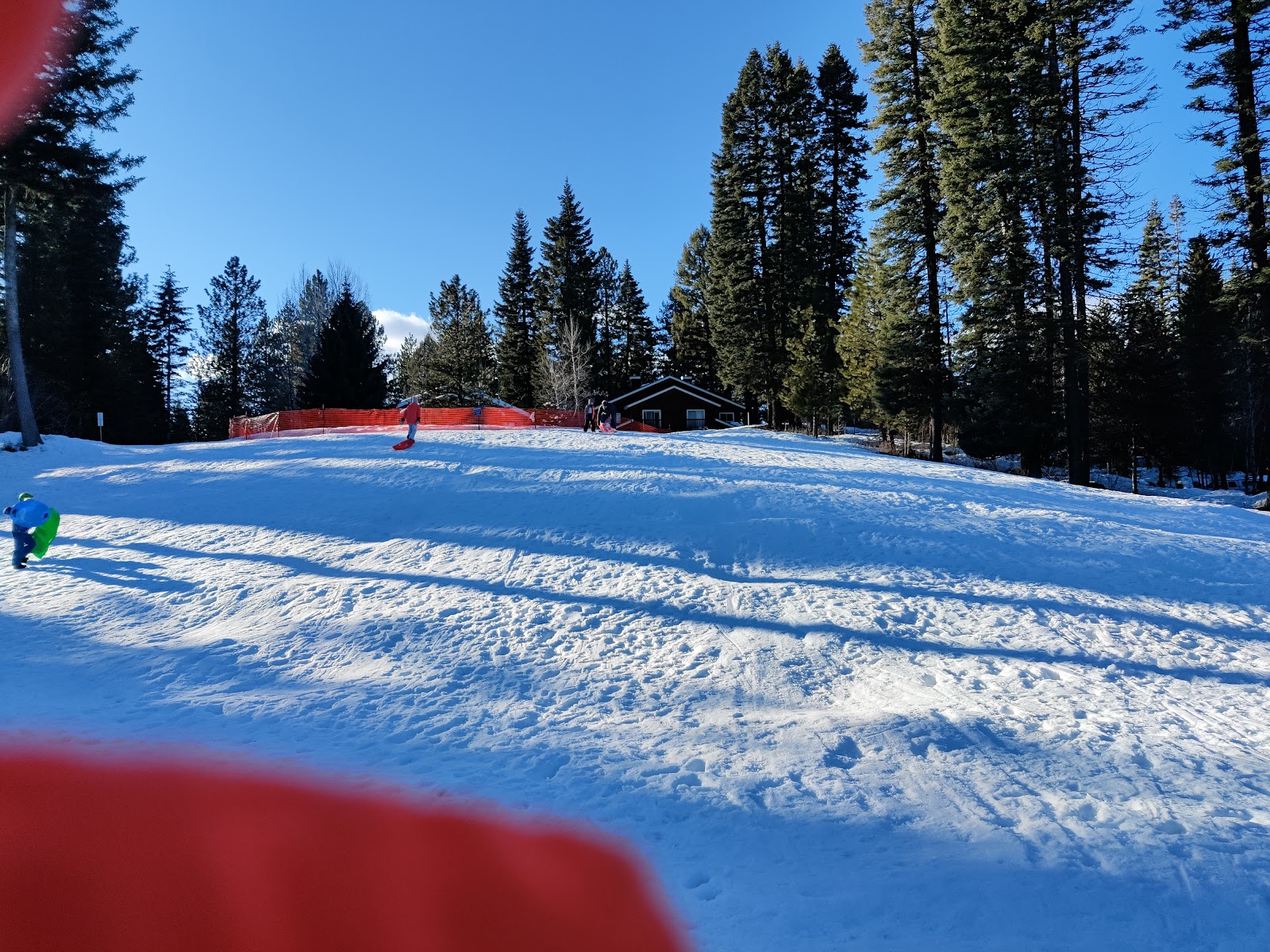
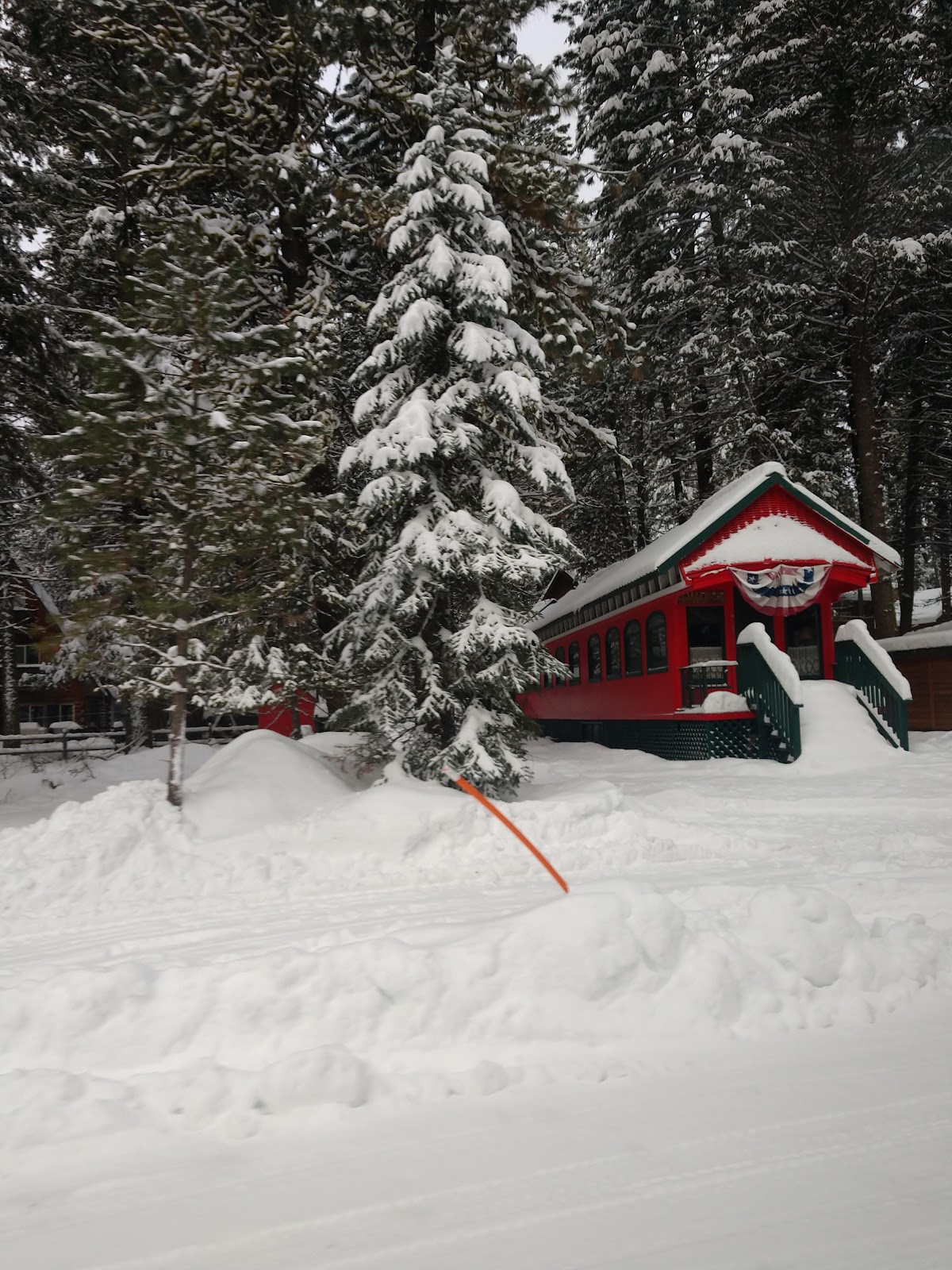
Winter is long and snowy and the course is under snow for months. Where the clubhouse operates in winter the site is transformed rather than closed: a snow-covered course is a clean white plane, the conifer around it is near-black, and the mowing patterns and bunkers disappear entirely — which removes every recognisable golf feature and leaves a simple mountain landscape.
Snow is the best natural fill available outdoors and against near-black fir it gives the widest brightness range in this guide: expose for the snow and let the conifer go black, overexposing deliberately relative to the meter, which snow fools by about two stops.
The December sun at this latitude reaches only about twenty-one degrees above the horizon, which means the whole short day rakes rather than floods — removing the altitude’s hard-light problem entirely and putting the good light inside a normal afternoon rather than after eight. On the light alone, winter is the easiest season here.
The costs are cold, a short day, batteries draining faster, a camera that fogs when carried into a heated clubhouse, and access that depends on conditions.
Spring is late at this elevation and it is the weakest part of the year. Snow lies into April or May, the course is closed or waterlogged, break-up is muddy, and the turf is off-colour where it is visible at all.
June is when it opens. The turf greens fast, the conifer flushes new growth, the aspen leaf out in a pale fresh green that transmits light beautifully, and the days are very long. Mosquitoes are a consideration near water in June and early July.
July and August are the season and the most reliable weather: warm days, cold nights, dry clear air and long light. That clarity is the course’s advantage over a lowland one, because the mountains beyond it hold real detail on a long lens.
The honest late-summer note is wildfire smoke. Idaho’s fire season runs from roughly July into September and smoke from fires anywhere in the region can fill a mountain valley for days — turning the sun orange, flattening contrast, removing the mountain backgrounds entirely and shifting everything warm in a way no white balance resolves.
That removes the course’s best wide frames while leaving the forest frames largely intact, which is a genuine argument for weighting a late-summer day toward the trees. It cannot be planned for, only acknowledged.
Late September into early October is the best window of the year. The aspen turn gold — and because a grove is clonal the whole stand turns at once, giving blocks of uniform gold against near-black conifer at the course’s edges — the first snow returns to the peaks, the turf is still green, the smoke risk has usually passed, and the air is at its clearest.
Gold aspen on a dark treeline above green turf with snow-dusted mountains beyond, in the clearest air of the year, is the strongest thing this site produces — and it uses both halves of the central decision at once, which is why it is the answer for a movable date.
The window is about two weeks. October brings hard frost, the course closes, and by November the site is in winter.
More frames from McCall Golf Course
McCall Golf Course wedding photography: common questions
What is the governing decision?
Whether the frames use the manicured course or the conifer forest at its edges. They want different techniques and produce different sets of pictures.
What does the course do best?
Group photographs — level clean ground with a choice of even-light positions — and the long low mountain evening, which rakes across turf.
What does the forest do best?
Contrast. Dense fir at the canopy edge gives three or four stops of free separation, which the open course cannot supply.
Why does the metering reverse?
Bright turf under a high-altitude sky makes a meter underexpose a face; dark fir makes it overexpose. Those positions are a few paces apart.
What is the best single frame?
The boundary: a subject on the line between bright turf and dark conifer, lit by the open ground and backed by the forest.
When is the site at its best?
Late September into early October — gold clonal aspen on a dark treeline above green turf, with fresh snow on the peaks and the clearest air of the year.
More Idaho venue guides
We are writing a photographer’s guide to every venue we would happily shoot in Idaho. Here are three more, plus the full index:
- MeadowLake Farm, Rathdrum: Field Notes
- Ponderosa Springs, Riggins: Field Notes
- Redfish Lake Lodge, Stanley: A Walk Through the Site
Planning a wedding at McCall Golf Course?
Turf or trees — and usually both. Tell us your date and we will plan the route.