 Woodwinds, Branford: The Problem, and Four Ways Out
Simsbury Inn, Simsbury: Field Notes
A steep ridge on one side of a valley decides when the day ends. It is always earlier than you think.
These are field notes on a country inn in the Farmington Valley, and the first note is about terrain rather than architecture, because it is the thing that most often catches a photographer out here.
Central Connecticut has traprock ridges — long, steep, narrow basalt ridgelines left by ancient lava flows, standing abruptly above otherwise gentle farmland. They are the most prominent terrain in this part of the state and they run roughly north to south, which means a valley floor beside one has a ridge on its western or eastern flank.
The photographic consequence is direct: a steep ridge on the western side takes the sun well before it reaches the horizon. On a summer evening that can be forty minutes or more earlier than a sunset table says, and it happens quickly rather than gradually — the light goes from raking gold to even shade in the space of a few minutes.
That is not a loss. It produces the interval frame, which is the best condition the valley gives: the floor in soft even light while the ridge above and the treetops on it are still brilliantly lit, for twenty or thirty minutes. But it has to be planned for, because a schedule that puts the portraits at the time a table suggests will find them in flat shade.
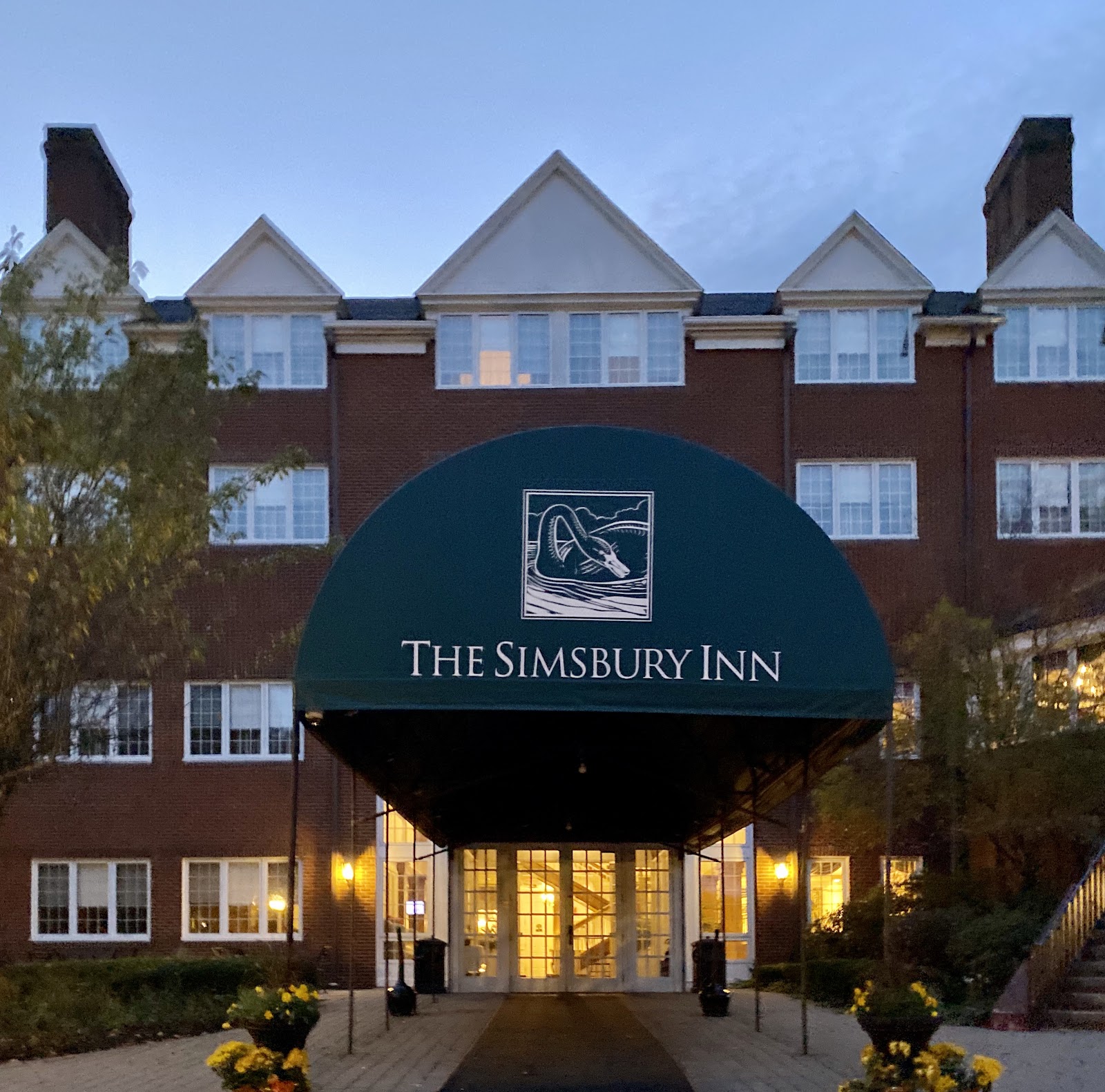
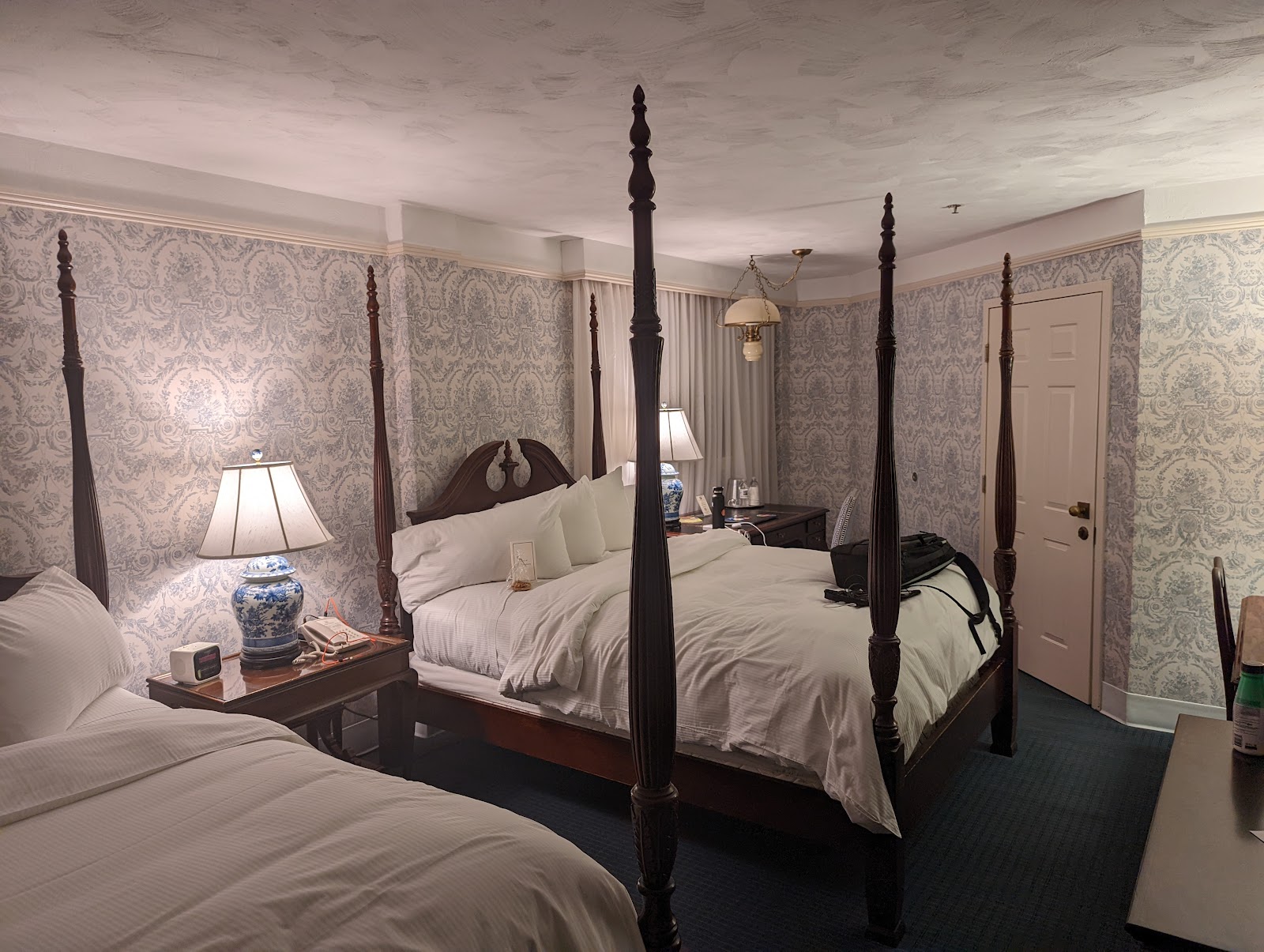
The second note is architectural. A country inn in this region is built in a colonial or Federal manner: clapboard, small-paned sash windows, relatively low ceilings and modest room depths, which gives a different set of interior conditions from a grand hotel’s tall windows.
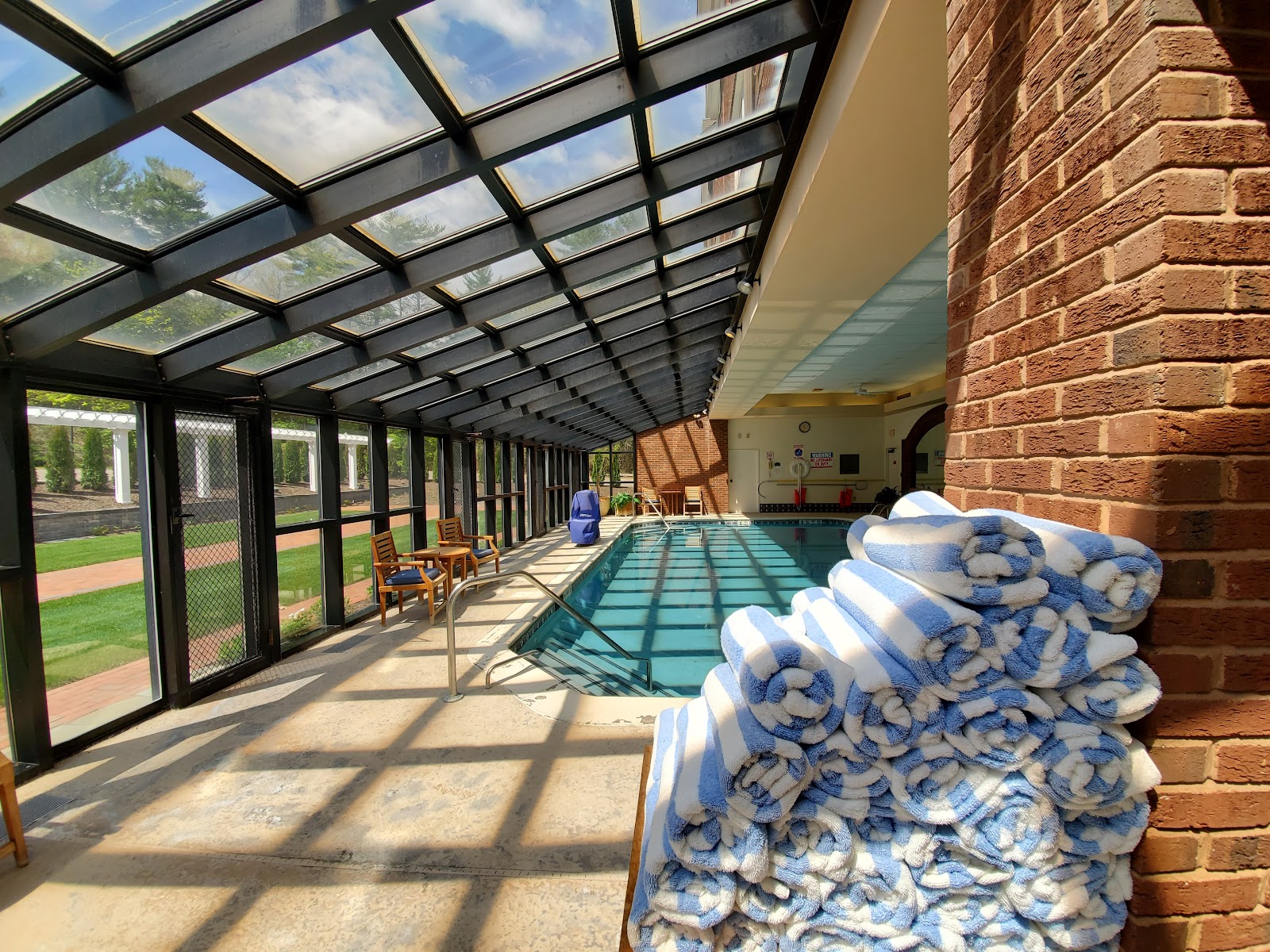
The third is the valley floor itself — open farmland and mown grounds, with New England mixed woodland on the slopes — which means very little natural shade near the building.
We have not photographed a wedding at the Simsbury Inn; country inns in this valley behave consistently. Which rooms and outdoor areas are included, the covered alternative, whether the function-room lighting can be dimmed, and how far the grounds extend are questions for their team.
Simsbury Inn at a glance
| Where | The Farmington Valley in central Connecticut, under a traprock ridge |
| The problem | A steep western ridge ends the day early and suddenly |
| The solution | Plan the interval frame: floor in shade, ridge still lit |
| The building | Colonial-style — small-paned sash windows in low rooms |
| Ask first | Areas included, covered alternative, lighting control, grounds extent |
The ridge and the valley: the problem, and the solutions
The problem the ridge creates is that a sunset table is wrong here, and it is wrong in a direction that costs the best light of the day.
The mechanism is simple geometry. A ridge standing several hundred feet above a valley floor a mile or two away blocks the sun when the sun is still several degrees above the true horizon — and the last degrees of a sun’s descent are the slowest, which means the loss is measured in tens of minutes rather than minutes. In midsummer, when the sun sets on a shallow diagonal, it is longest.
The first solution is simply to know it, which means looking at the ridge rather than at a table. Standing on the ground and estimating where the sun will meet the ridgeline takes thirty seconds and it sets the real end of the outdoor day.
The second solution is the interval, and it is the frame worth building the schedule around. When the valley floor has gone into shade and the ridge above is still lit, a couple stands in soft even light with a brilliantly lit wooded slope behind them — which is a flattering foreground condition and a dramatic background at once.
That frame is made by exposing for the lit ridge and lifting the faces with a close warm-gelled source, not by underexposing the ridge to match the faces. Close matters because open valley ground bounces little: a source at two metres needs roughly a quarter of the output it needs at four. And the gel is what stops the faces reading as pasted in against light that is very warm at that hour.
The lens decision matters as much. A traprock ridge is close and steep, which means a longer lens brings it forward as a wooded mass behind the couple, while a wide lens reduces it to a low band above a lot of lawn — which throws away the one piece of topography the site has. In clear autumn air that compression holds detail; in summer haze it does not.
The third solution is to use the other end of the day, which the same geometry favours. An eastern ridge delays the morning sun, which means a longer period of soft even shade after sunrise than a flat site gets — and on a summer morning that is a genuinely useful hour for anything that wants gentle light.
Away from the ridge, the valley floor has the ordinary problem of open ground: nothing overhead. Summer sun in inland Connecticut is high and humid, which gives vertical shadows under the brows, a hard line under every chin, and squinting from anyone facing it. There is no technique for a face in that light, and the answers are positional.
The building’s own shaded side is the most dependable of them. A clapboard wall in shade facing open sky is a soft directional source, and it works at any hour in any weather — with one thing to know: white or pale clapboard is highly reflective, so a meter looking at it underexposes and the deliberate direction is brighter than the camera suggests, metered on skin.
A porch, veranda or covered entrance is better still. A solid roof blocks the overhead component, restricts the light to a horizontal band that models a face properly, bounces off the decking to fill from below, and cannot dapple. Two or three metres in from the open edge is the working position, and the catchlight confirms it: low and broad means the roof is working.
The woodland on the slopes is the other shade and the rules are standard. Maple, oak, birch and hickory filter as much as they block, so they dapple — look at the face rather than the ground, and a bright patch on skin means move a metre. Hemlock and white pine give the real full shade and the darkest backgrounds.
The canopy edge is the reliable position: a metre or two inside at the margin of an opening gives soft directional light in front and darkness behind. It carries the standard trap — a meter looking at dark canopy overexposes the face by a couple of stops while a bright lawn fools it the other way — so manual exposure metered on skin throughout.
The building: the problem, and the solutions
The problem indoors at a colonial-style inn is that the windows are small, and that is a real constraint rather than a quibble.
A grand hotel of the nineteenth century has tall windows in deep reveals, which put light in at head height and carry it three or four metres into a room. A colonial or Federal building has sash windows of modest size set relatively low in the wall, in rooms with lower ceilings — which means the light enters at a lower angle, the usable band beside the glass is narrower, and it does not travel far.
So the working distance is a metre and drifting to two loses much more here than in a tall-windowed building. The instruction is simply to step closer than instinct suggests and then not drift.
The angle is the same as anywhere: turned about forty-five degrees to the glass gives a lit side, a shadowed side and a gradient between them. The catchlight confirms it — broad and low on the window side of each eye.
The glazing bars are the specific feature of the style and they cut the light into small hard-edged patches when the sun is direct on a window. On a wall that is charming; on a face it is a bright band across one eye and a dark one across the other, and it is not correctable. A sheer curtain turns the window into a diffuser; a north-facing or shaded window avoids it entirely.
The two free rules apply and both matter. Turn the room lights off, because warm bulbs against cool daylight put two colours on one face and no white balance renders both. And set a custom white balance on a face in position, because a window looking onto lawn and trees delivers green-tinged light and one looking at a pale wall delivers warm.
The compensation for small windows is that a colonial interior is often relatively dark — panelled, papered or furnished in mid to deep tones — which means steep fall-off and free separation behind a subject. The metering correction runs the dark-room way: a meter looking at such a room overexposes the face by a couple of stops, so metering on skin in manual and letting the room stay dark is the discipline.
A low ceiling is the interior’s genuine advantage and it is worth exploiting. A ceiling under three metres is a large usable bounce surface, so a flash aimed into it returns soft overhead-forward light across the whole room — which in a tall function room is simply not available. The caution is colour: a warm-painted or beamed ceiling colours the bounce, and the white balance has to follow it.
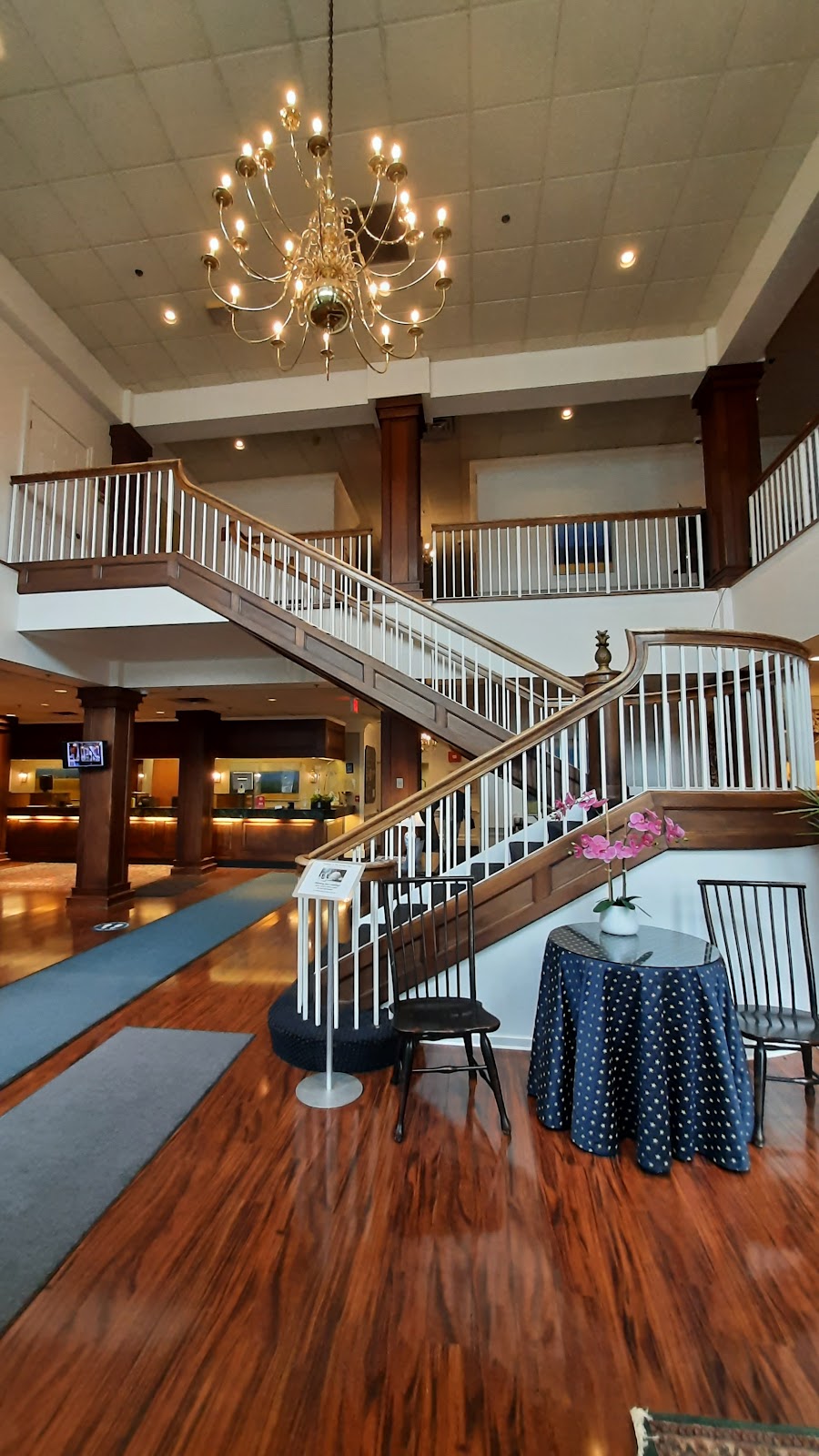
The function room in the evening follows the standard approach. Expose the ambient about a stop under what faces need, so the room keeps some depth and the fittings keep their presence, then add one source off the camera axis, gelled warm to match the room, set just above what the ambient gives the skin, and bounced in a low room rather than aimed directly. The white balance goes to the gel.
Whether the lighting can be dimmed is the most valuable question to ask in advance, because it changes the whole approach: a room whose house lights come down for the first dance and up for the speeches is substantially easier to work than one that cannot.
And the transitions are worth one note. Crossing from a dark colonial interior to bright open lawn is a four-stop change and a colour change within a few paces, and a day that moves back and forth needs the metering reset each time rather than once at the start. That is exactly what automatic exposure cannot do.
- Look at the ridge, not a sunset table — the outdoor day ends early here
- Interval frame: expose for the lit ridge, lift the faces close and gelled
- Longer lens for the traprock; a wide one reduces it to a band above the lawn
- A metre from a small-paned sash window, and a curtain if the sun is on it
- Bounce off the low ceiling indoors; reset exposure at every transition
The Farmington Valley year
The Farmington Valley has four genuine seasons with no maritime moderation, and the ridges give it a slightly sharper daily rhythm than the open country either side.
Winter is cold and snowy, with real accumulation in most years and temperatures well below freezing. For an indoor wedding it matters little; for the outdoor half of the day it changes everything.
Snow is the best natural fill available outdoors, lifting every shadow and throwing light upward into faces, and on an open valley floor with no canopy that effect is at its strongest. Snow against dark bare woodland or dark hemlock on the ridge gives the widest brightness range on the property — expose for the snow and let the trees go black. Snow fools a meter by about two stops toward underexposure, so deliberate overexposure relative to the camera is the rule.
The December sun at this latitude reaches only about twenty-five degrees above the horizon, so the whole short day rakes rather than floods — which removes the open-lawn problem entirely and makes the grounds usable from morning to evening. In leafless woodland on the ridge, the same low sun comes horizontally through the trunks, which is the best light a New England wood receives.
There is one winter consequence of the ridge worth knowing: a low sun on a short day means the ridge blocks it even earlier, so a December afternoon in this valley ends remarkably early. The compensation is that the whole day is good light rather than an hour of it.
The costs are cold hands, batteries draining faster, a cold camera fogging when carried into a heated room, and a short day. Spares in an inside pocket and bodies bagged until they warm.
Early spring is mud season and the weakest part of the year: bare trees, brown ground, wet footing and no colour. Late April into May is when it turns, and the turn takes about a fortnight — which means a mid-May date can be bare or fully green depending on the year.
Late spring is genuinely good and undervalued. New foliage transmits light beautifully, the valley greens up, the ridge goes from grey to green, and the temperatures are comfortable. The light under a new maple canopy in late May is among the most flattering of the year.
Summer is warm and humid — mid to upper eighties Fahrenheit with high humidity — with afternoon thunderstorms a real feature from June into August. Those build quickly over the ridges, which is worth knowing: a storm here can be visible on the ridgeline twenty minutes before it arrives, which is useful warning and a dramatic subject in its own right.
The humidity reduces clarity at distance, which softens the compressed ridge frames — and it warms and diffuses the light at the ends of the day, which flatters skin.
Autumn is the season and the ridges are the reason. Foliage in central Connecticut peaks in the second half of October in most years, and a steep wooded traprock ridge in full colour is a wall of scarlet, gold and russet several hundred feet high rather than a distant hillside.
Because the ridge is close and steep, a longer lens fills a frame with it — which is the single strongest background this property has, and it exists for two or three weeks because the species turn at different rates. The interval frame in October, with a lit ridge in full colour behind a couple in soft shade, is the best thing the valley produces.
Autumn also brings the clearest air of the year, which is when the compressed ridge frames hold the most detail, along with the most settled weather and the most comfortable temperatures.
More frames from Simsbury Inn
Simsbury Inn wedding photography: common questions
Why is a sunset table wrong here?
A steep traprock ridge blocks the sun while it is still several degrees above the true horizon, which in summer can be forty minutes or more early.
What is the interval frame?
The valley floor in soft even shade with the ridge above still brilliantly lit. Expose for the ridge and lift the faces with a close warm-gelled source.
What lens for the ridge?
A longer one. The ridge is close and steep, so compression fills the frame with it; a wide lens reduces it to a band above the lawn.
What is different about colonial windows?
They are smaller and lower than a grand hotel’s, so the usable band beside the glass is narrower. A metre is the working distance, and drifting costs more.
What about the glazing bars?
In direct sun they cut the light into hard-edged patches, which is unusable on a face. A sheer curtain, or a shaded window, solves it.
When is the site at its best?
The second half of October, with the interval frame against a ridge in full colour — a wall of scarlet and gold several hundred feet high.
More Connecticut venue guides
We are writing a photographer’s guide to every venue we would happily shoot in Connecticut. Here are three more, plus the full index:
- Spa at Norwich Inn, Norwich: What It Suits and What It Does Not
- Wadsworth Mansion, Middletown: A Walk Through the Site
- Waterview, Monroe: The Building’s Own Logic
Planning a wedding at Simsbury Inn?
A ridge that ends the day early. Tell us your date and we will time it properly.