 Park Hyatt Aviara, Carlsbad: The One Decision That Governs Everything
Sunstone Winery, Santa Ynez: Field Notes
Warm stone bounces warm light into everything. And this valley runs east to west, which changes the day.
Two things about this site matter more than anything else, and neither is obvious from a photograph.
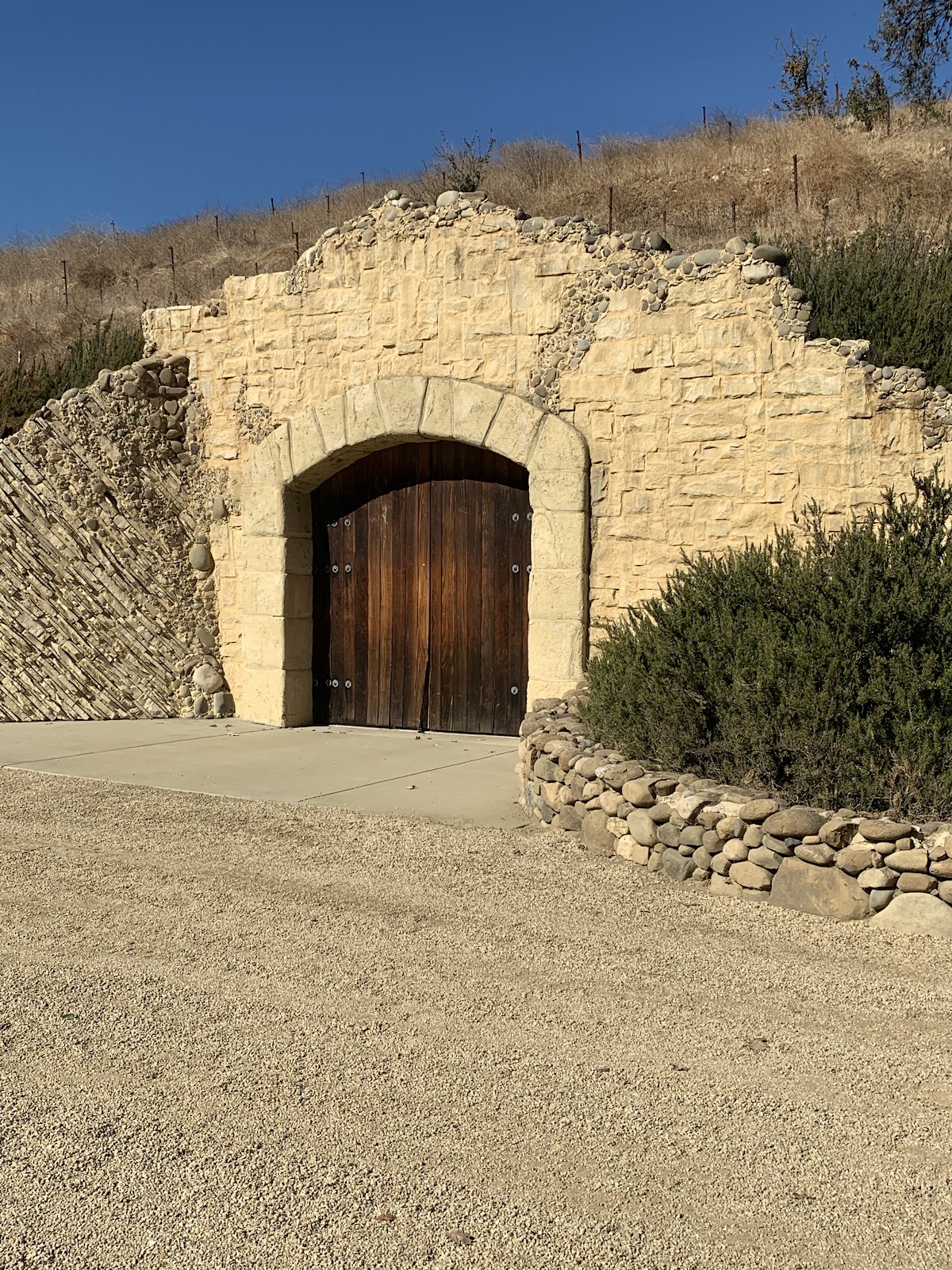
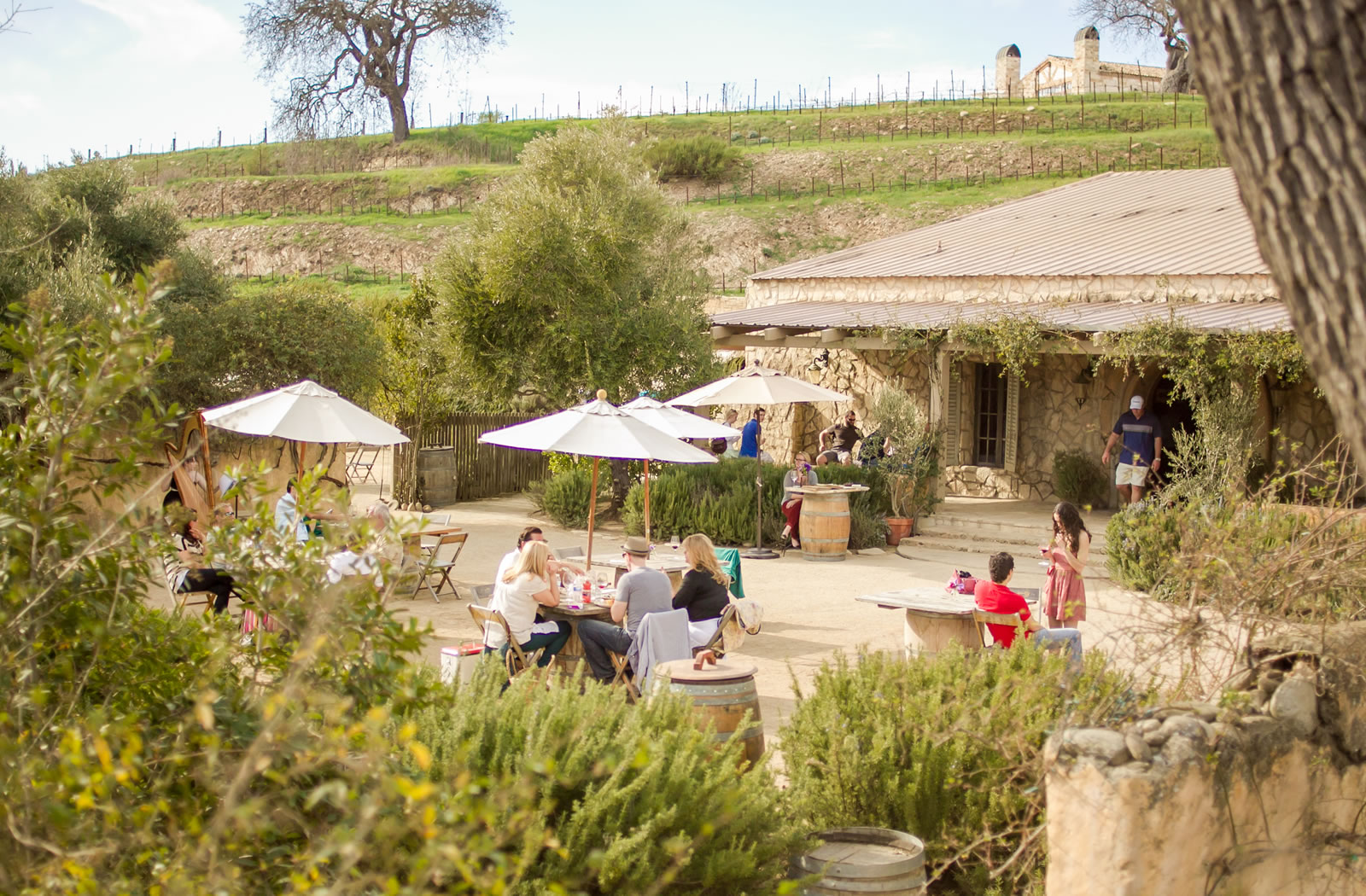
The first is the stone. A building faced in warm pale limestone is not a neutral surface: it is a very large reflector with a colour, and everything standing near it in shade is lit warm by it. That is either the best free light on the property or a colour problem, depending entirely on whether it was noticed and handled.
The second is the valley’s orientation, and it is unusual enough to reset the whole day. Most California coastal valleys run roughly north to south. The Santa Ynez Valley runs east to west, because the mountain ranges here do — one of very few places on the Pacific coast where that happens.
The consequence is direct and practical. An east-west valley channels marine air inland along its length rather than across it, which means fog and cool ocean air come up the valley from the west and the valley has a strong gradient: cooler, foggier and windier at its western end, hotter and drier at its eastern. It also means the sun travels roughly along the valley rather than across it, so the hills to the north and south do not cut the day short the way they would in a north-south valley.
The third element is oak savanna — scattered mature coast live oak over dry grass, which is the characteristic landscape here and the only real shade in it.
We have not photographed a wedding at Sunstone Winery; stone wineries and Santa Ynez oak savanna behave consistently. Which buildings and courtyards are included, the covered alternative, whether the cellar or any interior space is available, and what the vineyard work schedule is on the date are questions for their team.
Sunstone Winery at a glance
| Where | The Santa Ynez Valley, which runs east to west rather than north to south |
| The stone | Warm limestone: a very large reflector with a colour |
| The shade | Scattered coast live oak, and the buildings’ own openings |
| The gradient | Cooler and foggier at the valley’s western end, hotter at its eastern |
| Ask first | Courtyards and interiors included, covered alternative, vineyard work |
The stone: the problem, and the solution
The problem the stone creates is colour, and it is the kind that goes unnoticed on the day and is obvious afterwards.
Warm pale limestone in sunlight reflects a great deal of light and it reflects it warm. A subject standing in the shade of such a building, with a sunlit stone wall opposite, is not lit by neutral daylight — it is lit by stone-coloured light, which renders skin warm and slightly orange if the camera is on a daylight preset.
Meanwhile another subject three metres away, in the same shade but facing open sky instead of the wall, is lit blue by that sky. Two people in the same courtyard can require white balances a long way apart, and no single setting serves both.
The solution is thirty seconds of work. Set a custom white balance on a face in the position it will actually be in, rather than using a preset or fixing it afterwards. Set that way, stone-bounced light renders as warm skin in warm light — which is what it is — instead of as a cast. And when the position changes, set it again.
The second half of the solution is to use the effect on purpose, because it is genuinely good light. A large sunlit stone wall is a soft directional source with a pleasant colour, which means a subject in shade facing it gets modelling and warmth for nothing — better light than most equipment produces, and available for hours.
The working position is close to the shaded side and facing the lit wall, with the shaded stone behind the subject. That gives warm soft light in front and a darker surround behind, which is separation and modelling at once. The same position used backwards — facing away from the lit wall — gives flat light and a bright background, which is the commonest way to waste a good courtyard.
The exposure trap here runs the way it does in any bright-surface environment. A meter looking at a large area of sunlit pale stone pulls it toward mid-grey, which underexposes the shaded face in front of it, and in a stone courtyard the difference between lit and shaded surfaces can be four stops. Metering on skin and working in manual is the rule, and the deliberate direction is brighter than the camera suggests.
Stone openings are the other gift. A doorway, arch or loggia in a thick stone wall restricts daylight to a horizontal band, which models a face the way a window does, and unlike a tree it cannot dapple — which makes it the most dependable position on the property at any hour of any day. Two or three metres in from the opening is the working distance, and the catchlight confirms it: low and horizontal is right, high in the eye means step back.
Inside, a stone cellar is the best low-light room such a property has. Thick walls, small openings and dark barrels mean steeply falling light, so a single window or open door separates a subject from a background two metres behind it for nothing. Where a source is needed, one warm-gelled light at about a stop above the ambient with the white balance set to the gel keeps the character of the space rather than flattening it — and a cellar is also cool, which in a Santa Ynez August is a practical advantage as much as a photographic one.
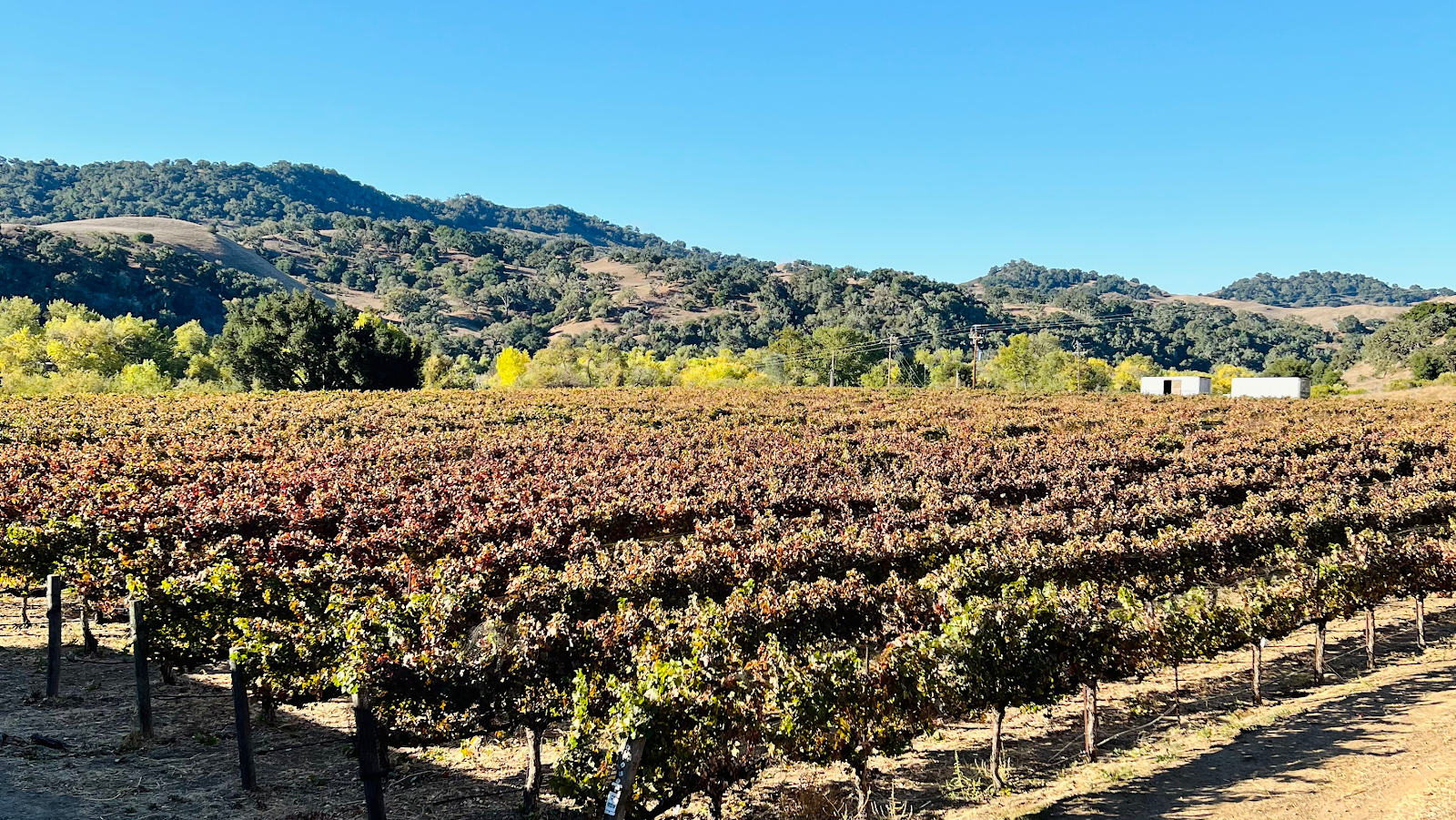
The valley: the problem, and the solution
The problem the valley creates is that it behaves unlike the wine country most couples have read about, and a plan built on Napa assumptions misfires here.
Marine air comes inland along the valley’s length rather than over a ridge, which means fog arrives from the west as a moving layer rather than settling evenly — and it can be thick at one end of the valley and absent at the other on the same morning. A site’s position along that gradient therefore determines its weather more than the forecast for the region does.
The second effect is wind. A valley aligned with the marine flow funnels it, so afternoon wind here is stronger and more persistent than in a cross-cut valley, building through the afternoon and easing in the evening. That is the practical constraint of the site: a lightstand is a liability, a held panel is a sail and a veil is unpredictable, so a source in a hand or on a bracket is the configuration, and the lee side of a stone building is worth walking to.
The third effect is the sun’s path. Because the sun travels roughly along the valley rather than across it, the hills to north and south do not block it at the ends of the day the way they would in a north-south valley — which means this site keeps a longer, fuller day than a Napa canyon or a narrow Sonoma valley, and the last hour arrives closer to the time a table predicts.
That is a real advantage and the solution is simply to use it: the gold hour here is longer and more reliable than in most California wine country, and it is worth building the portrait schedule around rather than treating as a bonus.
The oak savanna is the answer to the middle of the day. Coast live oak has a dense, broad, low-spreading evergreen crown that blocks rather than filters, and because it is evergreen it gives the same full shade in February as in August. Under a mature specimen the shade is genuinely full, and a few metres inside the canopy on the side facing open sky gives soft directional light with a background three or four stops down.
Savanna means scattered trees rather than closed woodland, which has two consequences. The edges are everywhere, which is convenient. And the ground between the trees is full sun over pale dry grass, which is not — so a route that has to cross those gaps rather than stand in them is worth walking beforehand.
Dry pale grass is itself a reflector. It throws light upward into faces, which fills the shadows a high sun carves, at the cost of uplight under the chin; something solid on one side corrects it, and the diagnosis is to look at the chin in the first frame.
The oak canopy carries the opposite exposure trap to the stone. A meter looking at dark oak overexposes the face by a couple of stops, which means that in a single afternoon here the metering has to be corrected in both directions — brighter near the stone, darker under the oak — and that is precisely what automatic exposure cannot do. Manual, metered on skin, every time.
The dappling check under any oak never changes: look at the face rather than the ground, and a bright patch on skin means move a metre. In this valley’s clear inland light a single hard patch on a cheek is unrecoverable rather than difficult.
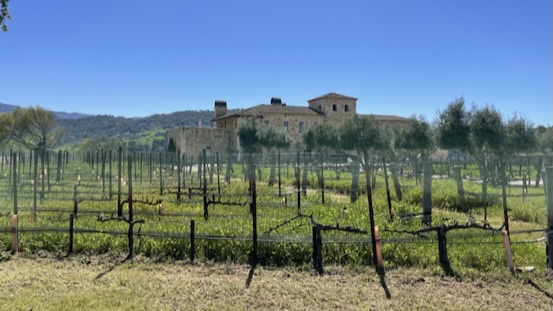
And the vineyard, where it appears, has no shade in it. Vines are trained at waist to chest height, so between rows a subject is in full sun. The rows are the compensation: a strong perspective line to be used deliberately, down it for depth or across it for banded texture, and never diagonally by accident. In low sun the thin leaves transmit rather than block, which is why a backlit vineyard glows.
- Custom white balance on a face in position — warm stone lights it warm
- Face the lit wall, with shaded stone behind. Backwards wastes the courtyard
- Manual metering corrected both ways: brighter near stone, darker under oak
- Stone openings cannot dapple; they are the most dependable position here
- An east-west valley means wind in the afternoon and a longer gold hour
The Santa Ynez year
This valley’s calendar is Mediterranean and milder than inland wine country, with a longer comfortable season at both ends of the year.
The wet season runs roughly November to April and a covered alternative is not optional in those months. What rain gives is the best version of a stone property: wet limestone darkens and saturates, the colour of it deepens, courtyards become mirrors, and the light is soft and even with no dappling under any oak. A grey day here is a genuine gain rather than a compromise.
Late winter and spring are the valley’s green season, and the contrast is the whole point: green grass under dark evergreen oaks against warm pale stone is the strongest combination the site produces, and it is only available from roughly January into April. Wildflowers follow in the savanna through spring, which in open grassland is a real foreground rather than a detail.
By June the grass has turned gold and dry and it stays that way until the rains — so a summer wedding here has a straw-coloured landscape, not a green one. That is the valley’s true colour for half the year, and it goes beautifully with limestone. It is worth showing a couple in advance rather than letting a spring photograph set the expectation.
Summer is reliable and warm rather than extreme. The valley’s marine channel keeps it cooler than the inland valleys to the north, particularly at the western end, so a July afternoon is commonly in the eighties Fahrenheit rather than the high nineties. Mornings can be genuinely cold and foggy, and the swing between the two is large.
The practical shape of a summer day is therefore: a soft or foggy morning that works everywhere, a warm middle handled by oak and stone openings, a windy afternoon, and an unusually good last hour once the wind eases. That is an easier day than most California wine country offers.
Harvest runs from roughly late August into October and is the most interesting time to be here, because the estate stops being decorative and starts working — fruit, bins, tractors and activity in the cellar. What will actually be happening on a given date is a question for the estate rather than a surprise on the day.
Autumn is the best season overall. The heat eases, the wind drops, the air is at its clearest of the year, the fog retreats, and the vines turn through late October into November — in large uniform panels, because each block is planted to a single variety. Gold vineyard against dark oak and warm stone under a deep blue sky is the frame this property is for.
Fire risk is the honest note for inland southern California and it belongs in a planning conversation. Late summer and autumn carry real wildfire risk in this region, and the likelier photographic reality is smoke rather than flame: a smoke layer turns the sun orange, flattens contrast and shifts everything warm in a way no white balance fully resolves. It cannot be planned for, only acknowledged, and a venue’s own contingency is a fair question.
Winter light is the technical bonus and it is better here than most people expect. The December sun at this latitude reaches about thirty-two degrees above the horizon, so the whole short day rakes across the ground rather than falling onto it — which removes the hard-light problem entirely, models every stone surface, and makes the open savanna and the vineyard usable from morning to evening. On the light alone, winter is the easiest season; on certainty, the least.
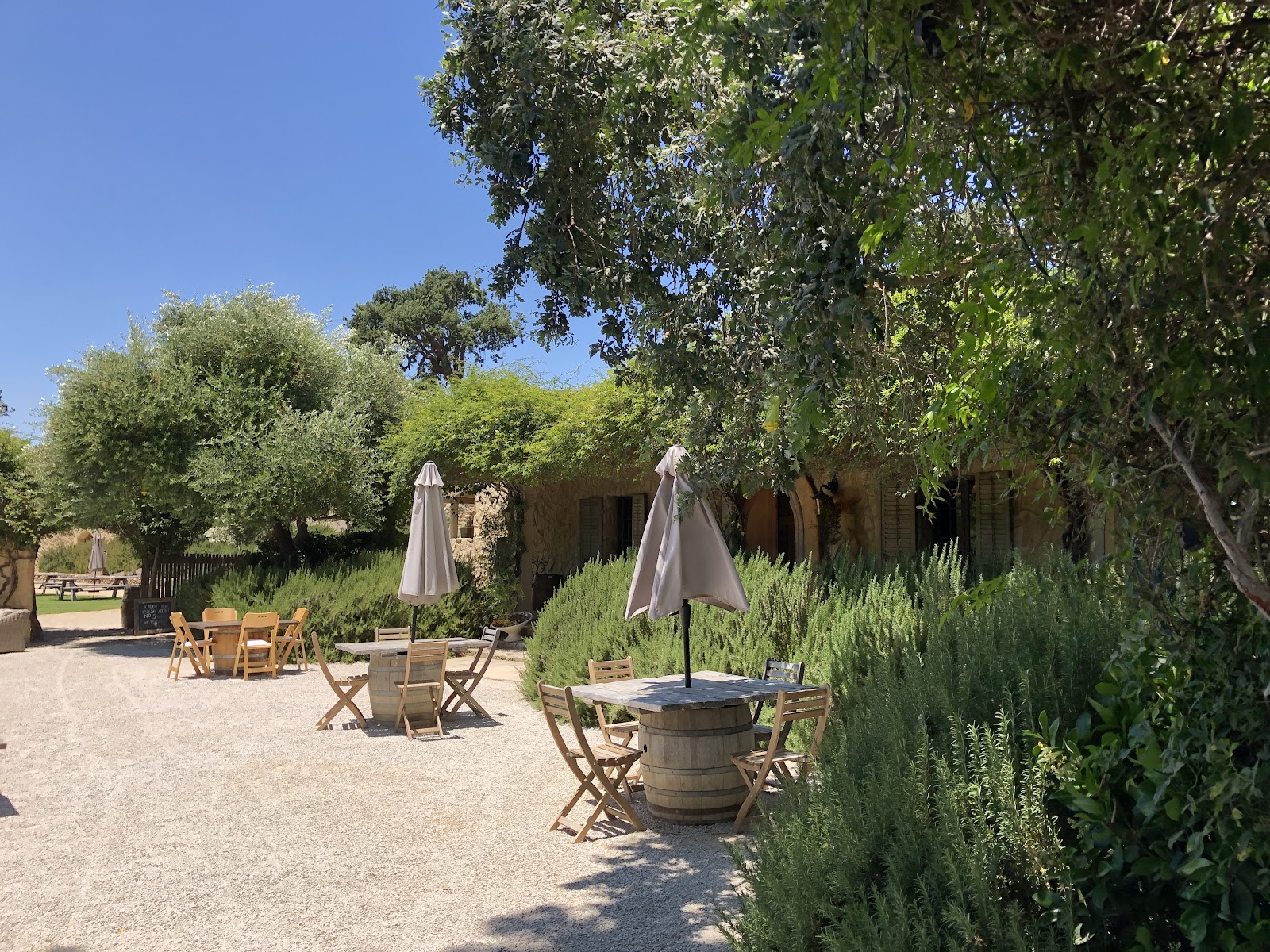
More frames from Sunstone Winery
Sunstone Winery wedding photography: common questions
What does warm limestone do to the light?
It reflects a great deal of light and reflects it warm, so anyone in shade facing a sunlit stone wall is lit by stone-coloured light rather than neutral daylight.
How do I handle that?
Set a custom white balance on a face in the position it will be in. A preset renders it as an orange cast, and correcting afterwards is never as clean.
Why does the valley's orientation matter?
The Santa Ynez runs east to west, so marine air channels along it. That gives a strong west-to-east fog gradient, afternoon wind, and a longer gold hour.
Where is the shade?
Scattered coast live oak, which blocks rather than filters and is evergreen — and stone openings, which cannot dapple at all.
Why does metering need correcting in both directions?
Sunlit pale stone makes a meter underexpose a face; dark oak canopy makes it overexpose. Both happen within one afternoon, so manual is the rule.
When is the valley green?
Roughly January to April. By June the grass is gold and stays that way until the rains, which suits limestone but is not what spring photographs show.
More California venue guides
We are writing a photographer’s guide to every venue we would happily shoot in California. Here are three more, plus the full index:
- University of California Botanical Garden, Berkeley: A Walk Through the Site
- Viansa Winery, Sonoma: The One Decision That Governs Everything
- Wayfarers Chapel, Palos Verdes: One Frame, and How It Is Made
Planning a wedding at Sunstone Winery?
Warm stone and a valley that runs sideways. Tell us your date and we will plan for both.