 The Thunderbird Inn: Field Notes on a 1964 Motor Inn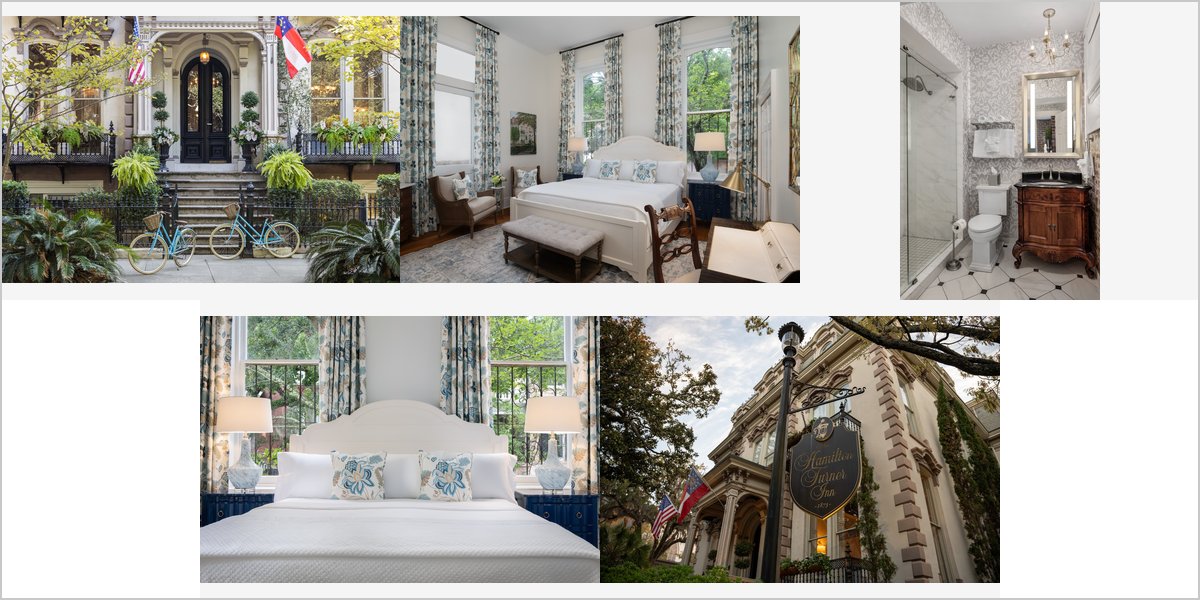
May 30, 2026
The Hamilton-Turner House: A Season-by-Season Guide
The building barely changes across the year. Savannah’s light, heat and humidity change enormously — and they decide what this venue can give you.
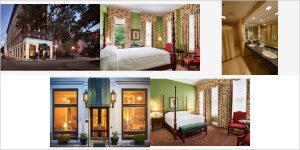
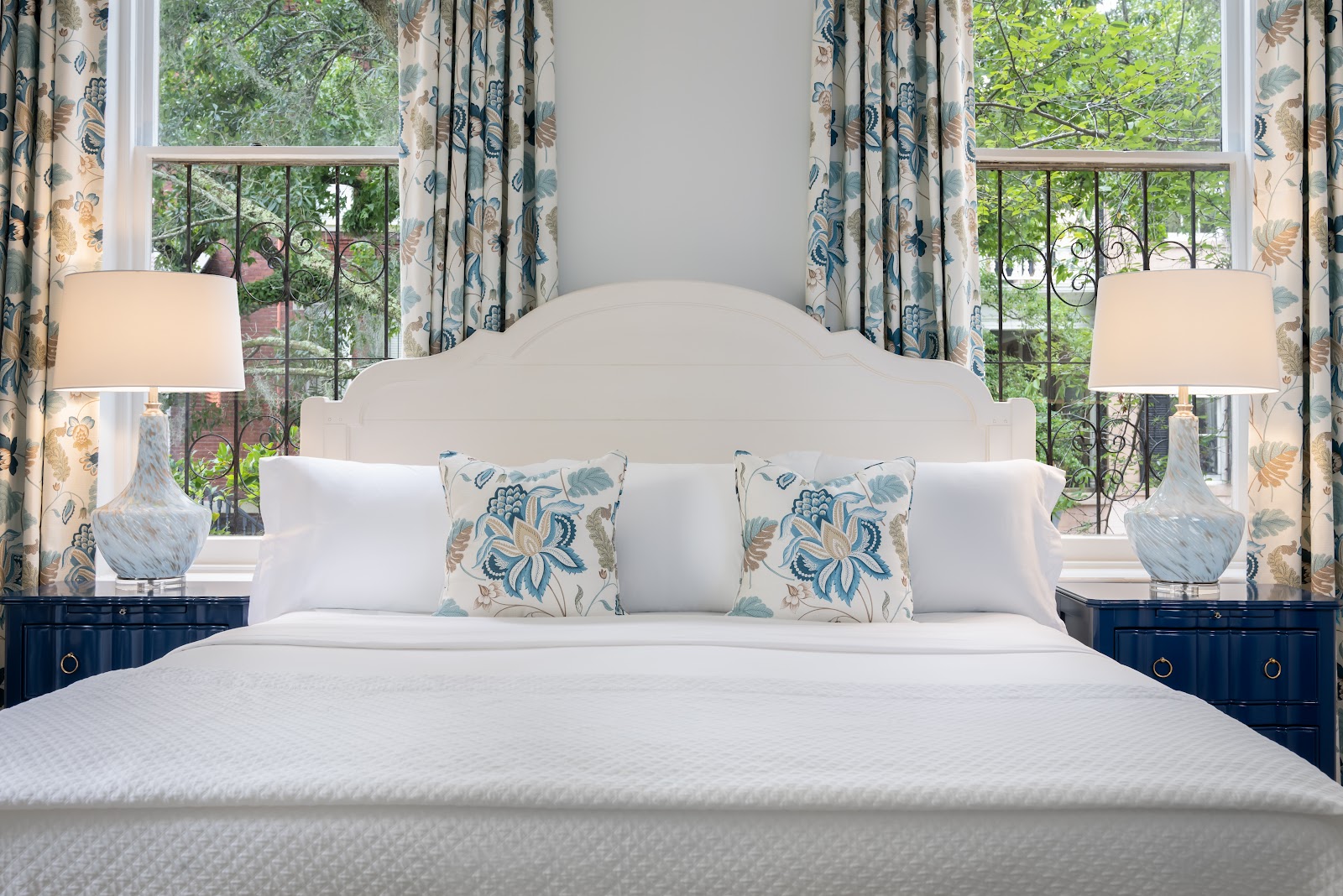
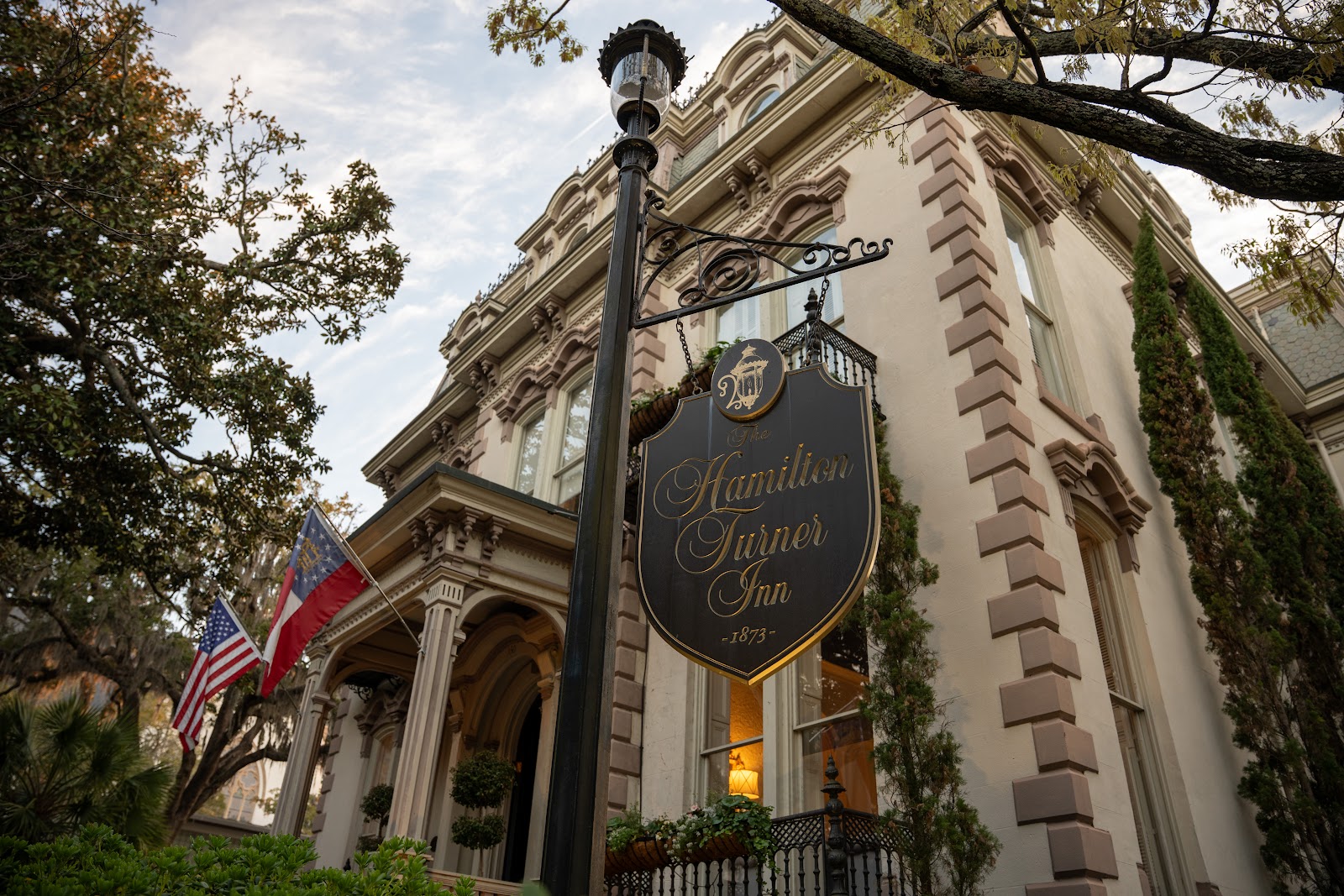
The Hamilton-Turner House was built in 1873 on Lafayette Square in Savannah’s historic district, Second Empire in style with the mansard roof characteristic of the period. It operates as an inn, with period interiors across several floors and the square immediately outside.
Photographically the pairing is familiar from Savannah’s other square-side inns — period interiors that are warm and shallow-lit, and a planted square that does the outdoor work. What distinguishes this one is height: a four-storey Second Empire mansion with a mansard roof has a strong vertical silhouette, and upper floors give you elevation over the square.
Because Savannah’s climate varies so sharply through the year, this guide is organised by season. We have not photographed a wedding at the Hamilton-Turner House. The city’s seasonal light and weather patterns are matters of record; exclusivity, capacity and which rooms are included are for their team.
Hamilton-Turner House at a glance
| Where | Lafayette Square, historic district, Savannah, Georgia |
| Built | 1873, Second Empire with a mansard roof |
| Character | Four-storey period inn; strong vertical silhouette; square at the door |
| Light | Warm shallow interiors; high live-oak shade on the square; elevation from upper floors |
| Seasonal driver | Savannah heat and humidity, and a short intense golden hour at 32°N |
Spring: the best season, and the busiest
March through May is Savannah at its best and it is not close. Azaleas and wisteria come through the historic district, the live oaks put on new growth, temperatures are comfortable in formalwear, and the humidity has not yet arrived in force. Lens fogging is minimal and standing outside for twenty minutes is pleasant rather than punishing.
The light is also at its most useful. The sun is high enough for long days but not yet at the fierce summer angle, and the squares’ canopy is dense enough for open shade without being so dark that you are pushing ISO. Portraits under live oaks in April need no equipment at all.
The cost is crowds and availability. Spring is peak season in Savannah, the squares are busy, and other wedding parties will be working the same locations. Early morning remains the answer for anything that needs to be uncluttered.
Summer: heat, humidity and a very short good window
June through September is genuinely difficult, and it is worth being direct about why. Savannah sits at roughly 32 degrees north, which means the summer sun climbs very high and the midday light is hard and near-vertical. Combined with heat in the mid-thirties Celsius and humidity that makes it feel worse, the middle of the day is effectively unusable for outdoor photographs.
The practical window narrows to the first two hours after sunrise and the last hour before sunset. Because the sun sets more steeply at this latitude than further north, golden hour is shorter here than in Boston or Portland — perhaps forty minutes of genuinely good light rather than ninety. That compression is the single most important scheduling fact about a Savannah summer wedding.
Humidity affects equipment. A lens brought from air conditioning into that air fogs completely and takes ten to twenty minutes to clear, and there is nothing to be done but wait. Acclimatise gear in advance, and if you are moving in and out repeatedly, keep one body dedicated to each environment. Afternoon thunderstorms are also routine, so the wet-weather plan matters.
Autumn: the second-best season, and the most reliable
October and November are excellent and under-appreciated. The humidity breaks, temperatures become comfortable, the thunderstorm risk drops sharply, and the light is lower through the whole afternoon — which widens the good window from forty minutes back out to a couple of hours.
Savannah does not get dramatic New England colour; the live oaks are evergreen and much of the district’s planting stays green. What you get instead is warmth in the light rather than in the foliage, which suits a red-brick and stucco city very well. The buildings do the colour work.
It is also quieter than spring. Fewer visitors in the squares, more availability, and a genuinely better chance of an uncluttered frame at a reasonable hour. If a couple asked us to pick a month for photographs in Savannah without regard to anything else, we would say late October.
Winter: mild, quiet and workable
Savannah winters are mild by American standards — cool rather than cold, with comparatively little rain — which makes winter a far more viable option here than in most of the cities we write about. Outdoor time is comfortable, the squares are quiet, and the low sun angle means good raking light through much of the short day.
The live oaks being evergreen matters here. Unlike a northern venue where winter means bare branches, Savannah’s squares keep their canopy and their Spanish moss year-round, so the defining visual character of the city is available in January exactly as it is in June. That is genuinely unusual and it is the strongest argument for an off-season Savannah wedding.
The constraint is day length. Sunset arrives in the late afternoon, so the schedule needs portraits before the ceremony or immediately after, and the four-storey interior has to carry the evening. Ask about upper-floor rooms with windows, because elevation over a square in low winter light is one of the better frames the building can offer.
What works in your favour
- Live oaks and Spanish moss are evergreen, so the city’s character is available year-round
- Lafayette Square at the door for open shade, backlit moss and groups
- A four-storey Second Empire silhouette with a mansard roof — a strong establishing frame
- Upper floors give elevation over the square, which most inns cannot offer
- Mild winters make off-season dates genuinely viable here, unlike northern cities
What to plan around
- At 32°N the summer sun is near-vertical at midday and golden hour is short — around forty minutes
- Summer heat and humidity are severe; lens fogging takes ten to twenty minutes to clear
- Routine summer afternoon thunderstorms, with no shelter on the square
- Spring is peak season — busy squares and competing wedding parties
- Short winter days mean the interior has to carry the evening
More frames from Hamilton-Turner House
Hamilton-Turner House wedding photography: common questions
What is the best month for photographs in Savannah?
Late October, if we had to pick one. The humidity has broken, the thunderstorm risk has dropped, temperatures are comfortable, the squares are quieter than in spring, and the lower sun angle widens the good light window from around forty minutes back out to a couple of hours.
Why is golden hour shorter in Savannah?
Because at roughly 32 degrees north the sun sets more steeply than it does further north. In Boston or Portland you might get ninety minutes of genuinely good low light; here it is closer to forty. That compression is the most important scheduling fact about a Savannah summer wedding.
How bad is the summer humidity for photography?
Bad enough to plan around. A lens brought from air conditioning into that air fogs completely and takes ten to twenty minutes to clear, with nothing to do but wait. Acclimatise equipment in advance, and if you are moving in and out repeatedly, dedicate one body to each environment rather than swapping.
Is a winter wedding in Savannah a good idea?
Better than in most cities we write about. Winters are mild, the squares are quiet and the low sun gives good raking light. Crucially, the live oaks are evergreen and keep their Spanish moss, so the city looks like itself in January — unlike a northern venue where winter means bare branches.
What does the building offer that other Savannah inns do not?
Height. A four-storey Second Empire mansion with a mansard roof has a strong vertical silhouette for the establishing frame, and the upper floors give elevation over Lafayette Square — a viewpoint most square-side inns cannot provide. Ask about upper-floor rooms with windows.
More Savannah venue guides
We are writing a photographer’s guide to every venue we would happily shoot in Savannah. Here are three more, plus the full index:
- The Kehoe House: Who This Savannah Inn Suits
- The Marshall House: Lighting Cast-Iron Verandahs and Heart Pine
- The Olde Pink House: Field Notes on a 1789 Georgian Mansion
Planning a wedding at Hamilton-Turner House?
Savannah’s season matters more than almost any venue detail. Tell us your date and we will tell you exactly how long the good light lasts that week and how we would structure the day around it.