 The Rio Grande Zoo: Cottonwood Shade and the Enclosure Problem
Taos Ski Valley, New Mexico: One Frame, and How It Is Made
A valley is not a mountain view. It is a room with very tall walls, and it behaves like one.
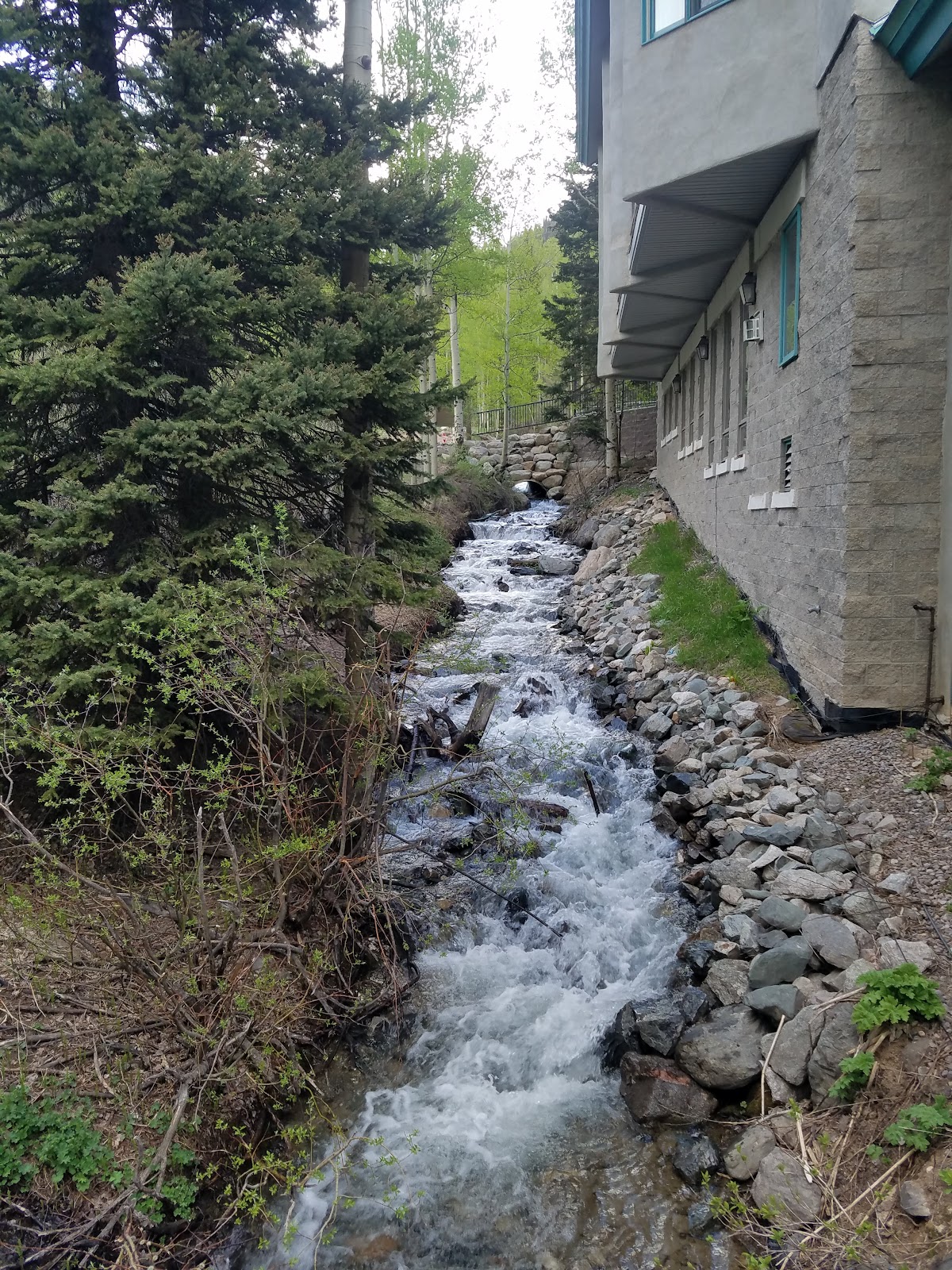
A high alpine valley is frequently photographed as though it were a mountain panorama, and that is the wrong model. A valley is an enclosed space: steep sides, a narrow floor, conifer cover on the slopes and a strip of sky overhead. It behaves far more like a very large room than like an open landscape.
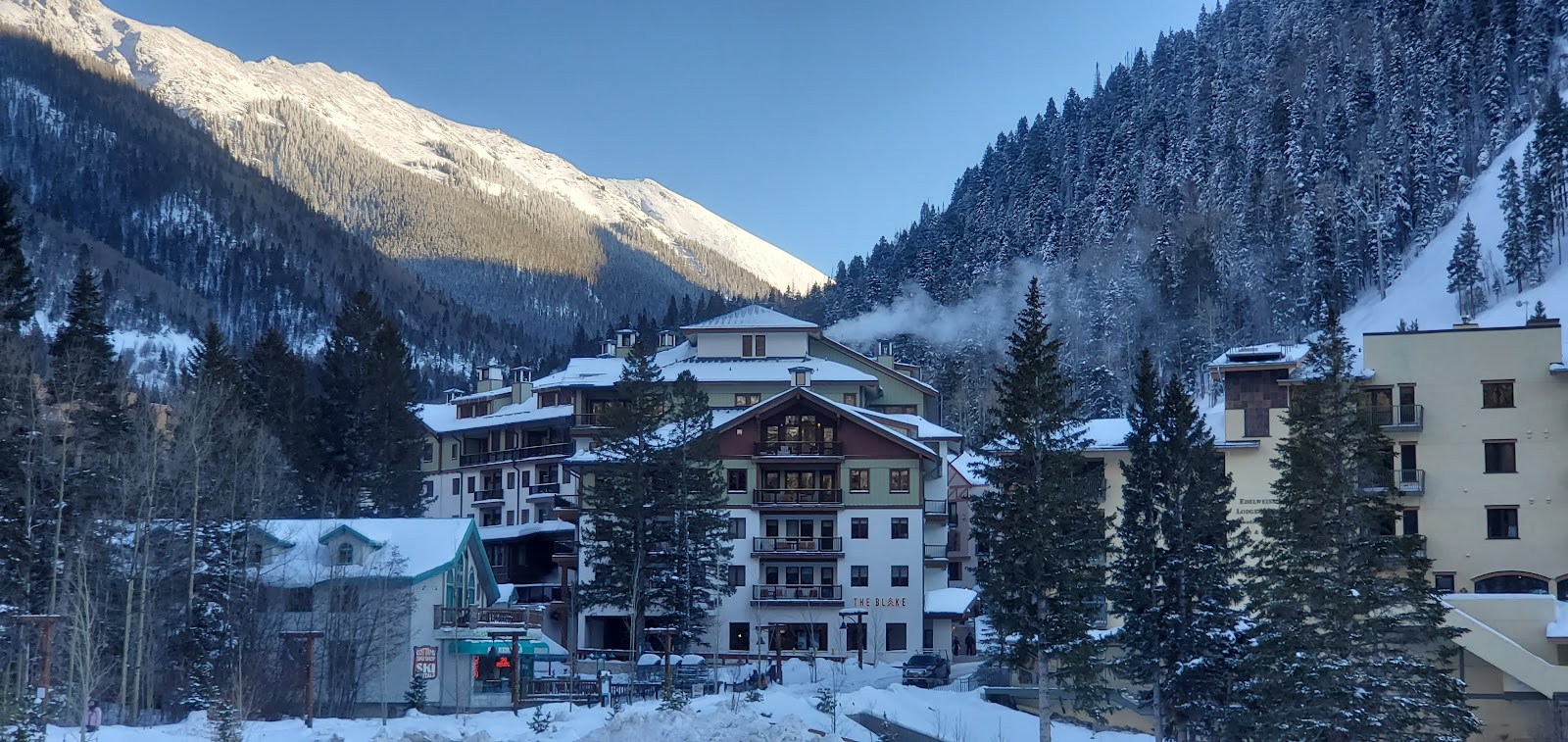
Understanding that produces the frame the site actually gives, which is this. A couple stands on the valley floor. The light comes from the strip of sky above and from whatever is bouncing off the slopes, so it is soft and comes downward at an angle rather than from a point. Behind them the conifer cover is a dark, even field — the best natural background there is — and above that, a wall of mountain rising out of the frame, which conveys the scale.
Six decisions make that frame, and most of them are about the valley’s enclosure rather than about the mountain.
We have not photographed a wedding at Taos Ski Valley; high alpine valleys behave consistently. Which areas and buildings are included, what altitude the ceremony site is at, and what the arrangements are for weather are questions for their team.
Taos Ski Valley at a glance
| Where | A high alpine valley above Taos, New Mexico |
| The model | Not a panorama — an enclosed space with very tall walls |
| The frame | Couple on the valley floor, dark conifer behind, mountain rising above |
| The governing fact | The valley shadows itself early; sunset is not sunset here |
| Ask first | Areas included, site altitude, weather plan, vehicle access |
Decisions one to three: the hour, the conifer, the exposure
The first decision is the hour, and in a valley it cannot be taken from a sunset table. Steep sides mean the sun clears the eastern ridge late in the morning and drops behind the western ridge early in the afternoon — so the period of direct sun on the valley floor may be only a few hours, and the published sunset time is irrelevant to it.
What that produces is a long period of open shade before and after, which is genuinely good light rather than a consolation: the strip of sky overhead is a soft source, the slopes bounce, and there are no hard shadows anywhere. The mistake is to plan for a golden hour that the topography does not allow, and the fix is to ask the venue when the sun leaves their ceremony site — a question they will have a precise answer to, because it governs everything they do.
The second decision is the conifer, and it is the frame’s most valuable element. A dense evergreen slope is the darkest natural background available: it absorbs almost all the light falling on it, which means a subject in front of it is separated by three or four stops with no equipment at all. Nothing manufactured does it better.
Two properties follow. It does not change through the day, unlike a deciduous background, so a conifer frame is available whenever the light is. And it throws almost nothing back, which means no colour cast and no fill from that direction — so the light on a face in front of conifer comes from the sky and the opposite slope only, which is clean and directional.
The third decision is the exposure, and conifer makes it counter-intuitive. A meter looking at a dark evergreen field will try to lift it towards mid-grey, which overexposes everything else in the frame by two stops or more. The dark background must be allowed to stay dark — which means exposing for the faces and letting the conifer fall where it falls, or metering off a hand in the same light.
The related judgement is snow, if there is any. Snow and conifer in the same frame is the widest natural brightness range a photographer will meet: the snow is several stops above the trees, and the two cannot both be rendered correctly without a decision. The workable answer is to expose for the snow, because it holds the detail that matters and it clips irrecoverably, and to accept the conifer as near-black — which is what the eye reads anyway.
And snow fools a meter by about two stops in the other direction, so a frame that is mostly snow needs deliberate overexposure relative to what the camera suggests. Those two effects can appear in consecutive frames, which is the reason to work in manual here rather than trusting the meter.
Decisions four to six: altitude, the light you add, and the weather
The fourth decision is how to handle the altitude, and in a ski valley it is higher than in the town — which is already close to seven thousand feet. That has three compounding effects.
There is even less atmosphere overhead to scatter sunlight, so direct sun is harder still and the sky is a deeper blue. Ultraviolet is higher again, which is a welfare point rather than a photographic one: a party standing outdoors at this elevation will burn faster than they expect, including on an overcast day and including in winter with snow reflecting upward.
And the physical effect on people is real. Anyone arriving from sea level will feel this altitude noticeably, and a wedding party walking uphill in formal clothes will tire faster than they would at home. That is a reason to keep the portrait route short and close to the vehicles, and it is worth planning rather than discovering.
The fifth decision is the added light, and in this frame the honest answer is usually very little. Open shade under a strip of sky, with slopes bouncing, is already soft and directional; the conifer already provides the separation; and a source strong enough to be obvious would undo both.
Where it earns its place is when the background must be darker than the subject — underexposing the ambient by a stop and lighting the faces back up, which deepens the sky and the trees while the couple reads. That needs the source close, because there is nothing at all to bounce off outdoors and distance costs light at the square. A modifier at two metres is soft; the same modifier at five is not.
It must be gelled if there is snow, because snow under a blue sky reflects that blue: a face in snow shade is lit by markedly cool light, and an ungelled flash on top of it makes the frame colder still. A warm gel with white balance set to it keeps the faces correct while the snow reads as snow.
The sixth decision is the weather, and in mountains it is not a background condition but an operational one. Afternoon thunderstorms build over high terrain from roughly July into September, and those storms produce lightning — which on an exposed slope or a lift is a genuine hazard rather than an inconvenience. Mountain weather also changes faster than forecast, and a valley can be in cloud while the town below is clear.
So a named indoor alternative is a requirement, and the decision to use it belongs to whoever is responsible for the party. The compensation is that mountain cloud is the best diffusion this region offers, and a valley with cloud moving through it — trees appearing and disappearing, light shifting minute to minute — is the most atmospheric condition the site gives, and better than a clear day.
And access deserves one plain note: a mountain site may involve lift access, unpaved roads, or a walk on uneven ground, all of which matter in formal clothes and none of which improve when it rains.
- Ask the venue when the sun leaves their site; a table will not tell you
- Put dense conifer behind the couple — three or four stops of free separation
- Work in manual; conifer and snow fool the meter two stops in opposite directions
- Keep the added light close and warm-gelled where there is snow
- A named alternative is a requirement; mountain lightning is not negotiable
The lodges, and the mountain year
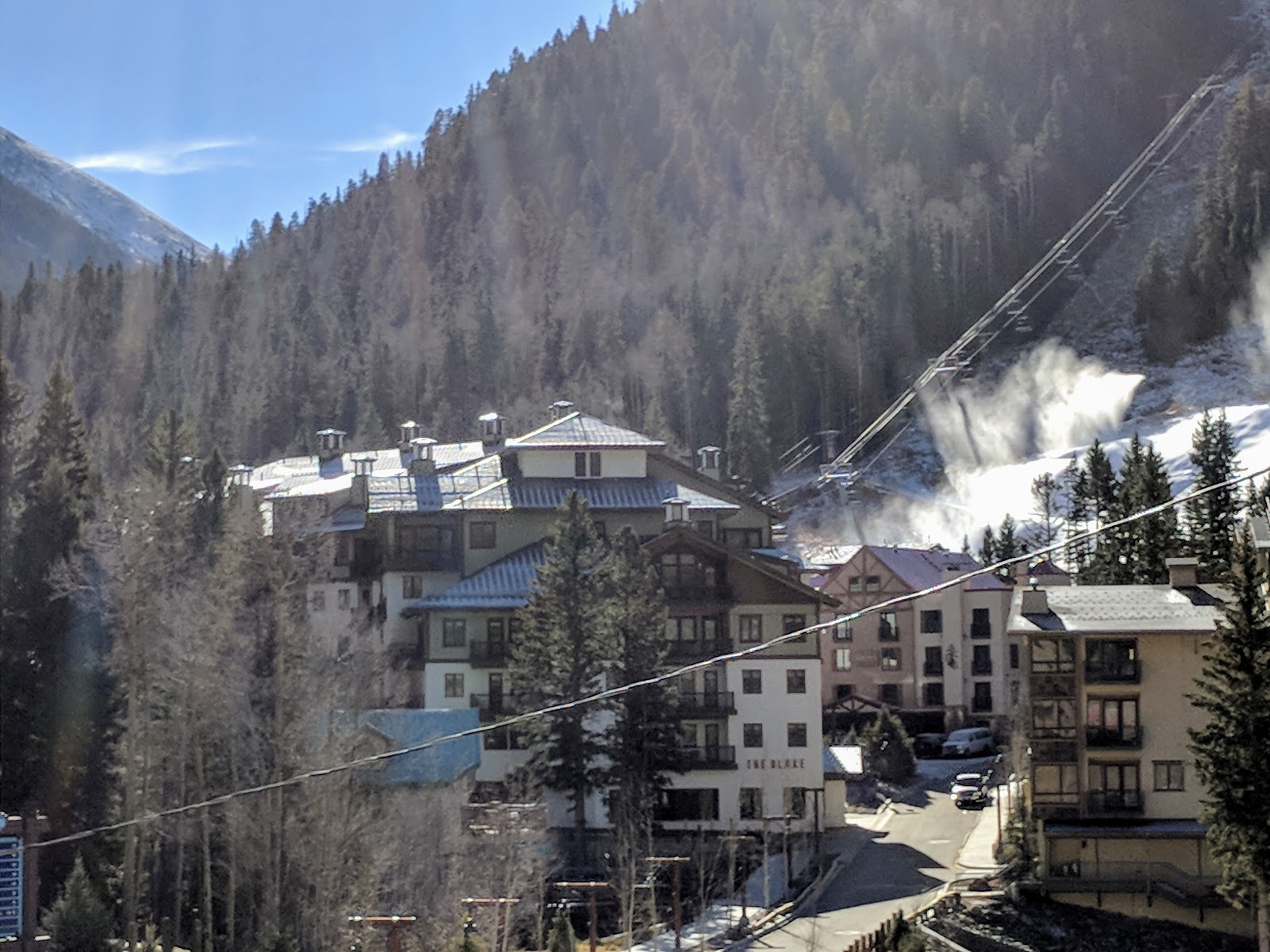
The buildings carry the rest of the day and mountain lodge interiors have a consistent character: timber, stone, low ceilings, large windows and warm fittings.
Timber is the condition that matters. Dark wood absorbs, so a timber-lined room sits two or three stops below a pale one with the same fittings and returns very little to a bounced flash — which removes the advantage a low ceiling normally gives. One test frame aimed at the ceiling settles it, and in dark timber the answer is usually to light directly into a modifier instead.
The windows are the good light and mountain lodges tend to have generous ones, because the view is the point. Largest window on the shaded side, every overhead fitting off so the room has one colour, lamps out of frame, two to three metres back. In a valley the shaded side is most of the day, which makes these windows unusually reliable.
There is one specific to snow: when there is snow outside, a window becomes far brighter and softer, because the ground is an enormous reflector throwing light up into the room. A lodge window in February is a better source than the same window in July, and it is also cooler in colour — worth a custom white balance rather than an assumption.
Warm bounce from timber and stone is the standing colour problem, arriving on the shadow side of a face from several directions and uncorrectable globally. One warm-gelled source with white balance set to the gel is the method.
The year at a mountain site is effectively two seasons with two short shoulders. Winter is the site’s own season: deep snow, a very low sun that at this latitude reaches only about thirty degrees above the horizon at midday in December, which means the whole short day is raking light. Snow and conifer under a low sun with a deep altitude sky above is the strongest frame the valley offers, and the constraints — cold, wind chill, access, batteries draining, five minutes with coats rather than twenty without — are real and manageable.
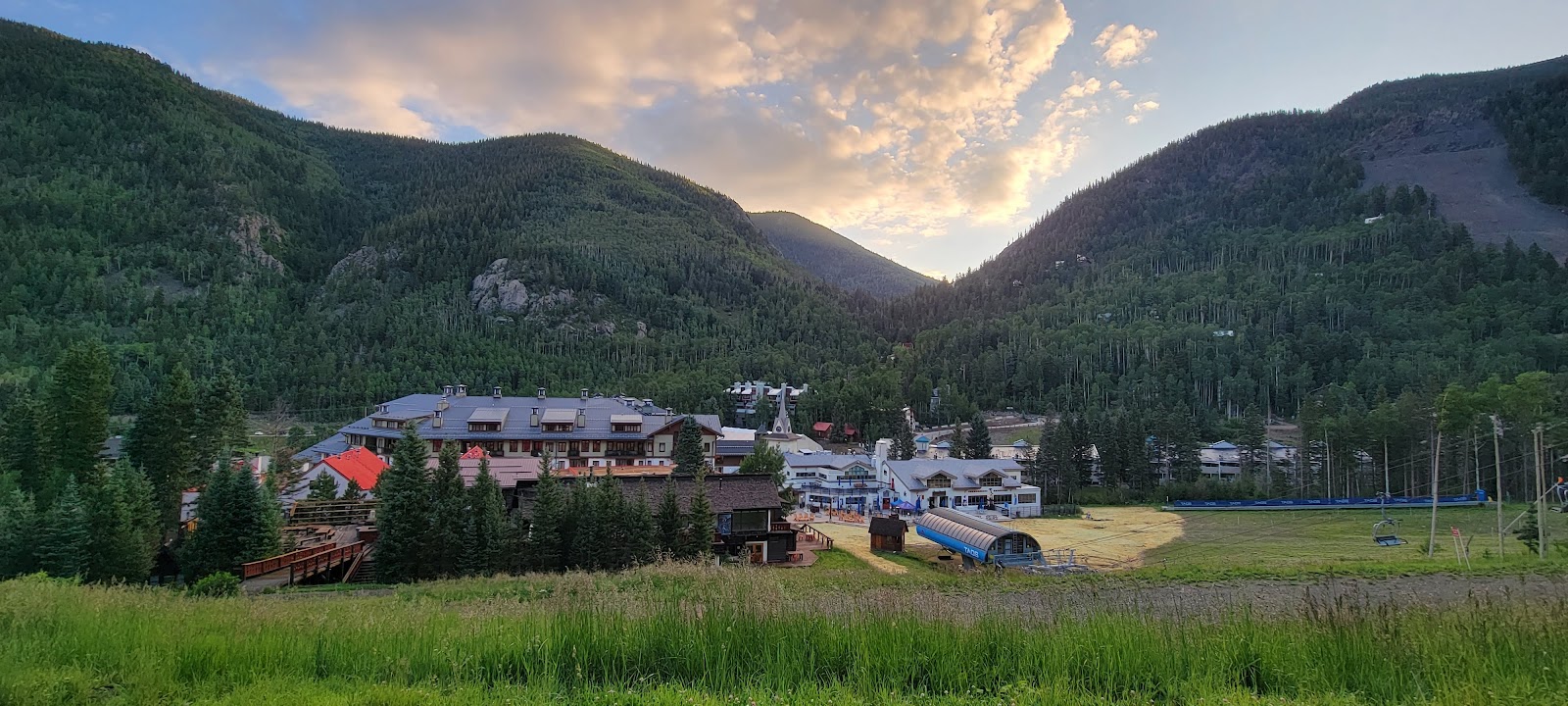
Summer is the other, and in a high valley it is short, green and cool, with the monsoon arriving in July. Wildflowers on the slopes in July and August are a genuine asset, and the afternoon cloud is the best diffusion available.
Late September and early October are the best of the shoulders: the aspen on the slopes turn a strong yellow against the dark conifer, which is the most colourful condition the site ever offers, the monsoon has passed, and the air is at its clearest. It is a short window — a week or two either side of peak — and it is worth asking the venue what their recent years looked like.
One closing altitude practicality: the diurnal swing here is even larger than in the town, and a valley cools faster than open ground because the sun leaves it earlier. A party comfortable in the afternoon will be cold well before dark, and coats are the answer rather than optimism.
More frames from Taos Ski Valley
Taos Ski Valley wedding photography: common questions
Why is a valley not a panorama?
Because it is an enclosed space with very tall walls. The light comes from a strip of sky overhead and bounces off the slopes, which is much more like a large room than a landscape.
How do you find the right hour?
Ask the venue when the sun leaves their ceremony site. Steep sides mean direct sun may last only a few hours, and the published sunset time is irrelevant.
Why is conifer the best background?
It absorbs almost all light, so a subject in front of it is separated by three or four stops with no equipment — and it does not change through the day.
Why work in manual here?
Because conifer and snow fool the meter two stops in opposite directions, and they can appear in consecutive frames.
Should the flash be gelled?
Where there is snow, yes. Snow under a blue sky reflects blue, so a face in snow shade is lit coolly and an ungelled flash makes it colder still.
What is the best short window of the year?
Late September into early October, when the aspen turn yellow against the dark conifer — the most colourful condition the site offers, and only a week or two either side of peak.
More New Mexico venue guides
We are writing a photographer’s guide to every venue we would happily shoot in New Mexico. Here are three more, plus the full index:
- Drury Plaza Hotel Santa Fe: The Venue’s Own Logic
- Santa Fe Community Convention Center: What It Suits and What It Does Not
- The Hyatt Regency Tamaya, Bernalillo: The Light Through the Day
Planning a wedding at Taos Ski Valley?
A valley, not a view. Tell us your date and we will ask when the sun leaves.