 The Henry Clay: Lighting a 1920s Lodge Building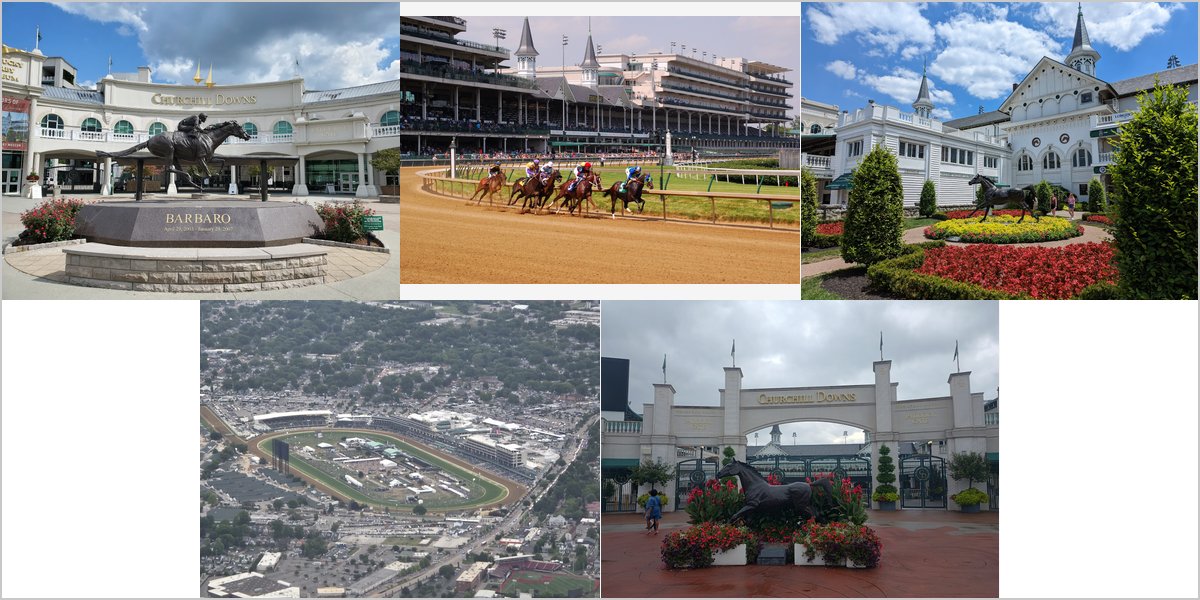
May 22, 2026
Churchill Downs: Who This Venue Suits
The twin spires are one of the most recognisable structures in American sport. That recognisability is the whole reason to book here — and the scale is the whole difficulty.
Churchill Downs has hosted the Kentucky Derby since 1875, and its twin spires, added in 1895, are among the most recognisable pieces of architecture in American sport. The site includes an enormous grandstand, a mile-long dirt track, paddock areas and event spaces, and it hosts weddings and private functions alongside racing.
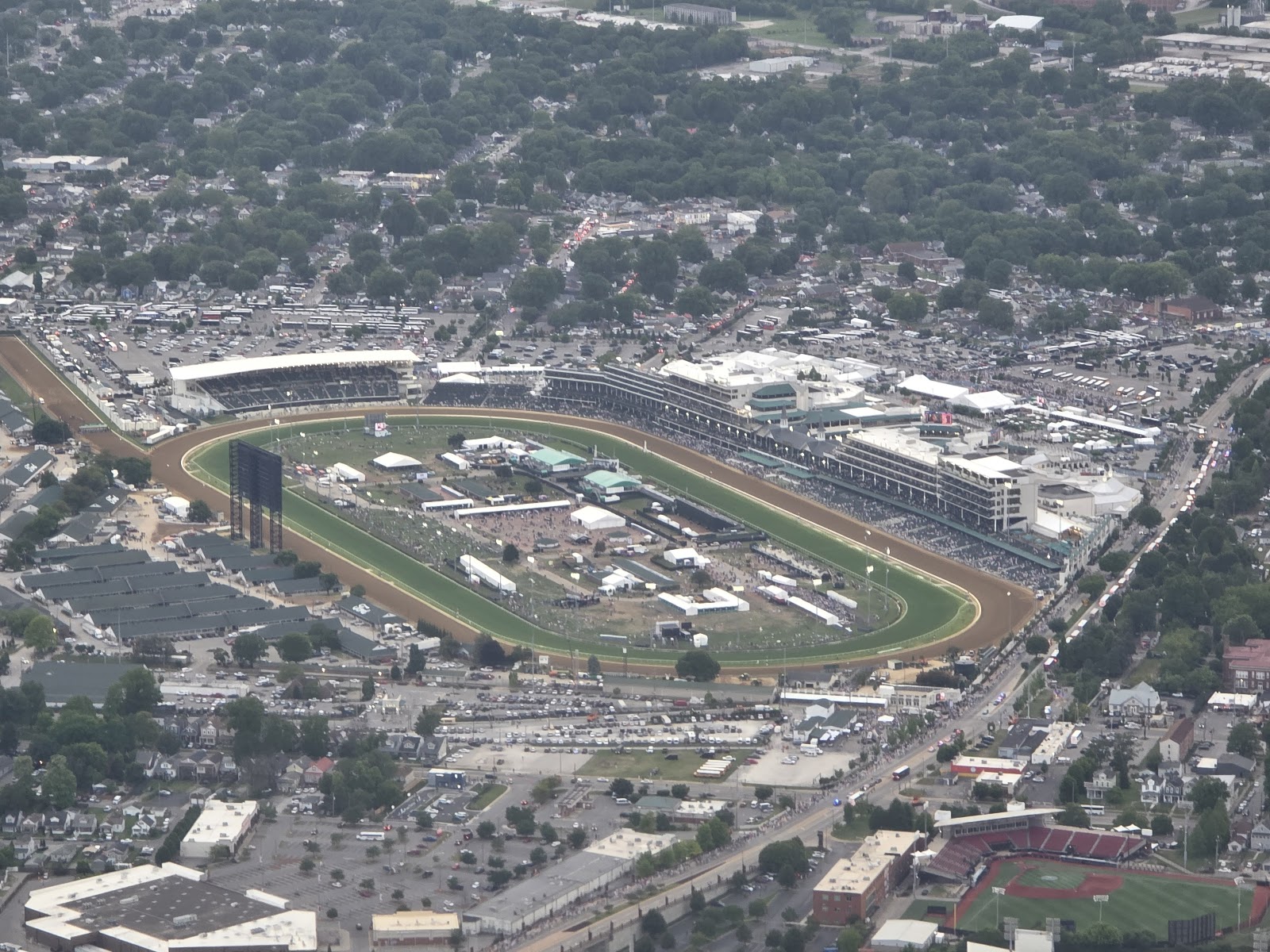
Photographically this is a genuinely unusual proposition and it needs thinking about honestly. The twin spires give you an establishing frame that identifies the venue instantly to millions of people — which is a marketing asset few venues can match. But almost everything else about the site works at a scale designed for 150,000 spectators, and a wedding party of eighty inside that is very small indeed.
So this is a fit assessment. We have not photographed a wedding at Churchill Downs. The architecture, orientation and scale are matters of record; which spaces are available, what racing-calendar restrictions apply and where photography is permitted are entirely for their events team, and at an operating racetrack those answers will be firmer than at a conventional venue.
Churchill Downs at a glance
| Where | Central Avenue, Louisville, Kentucky |
| History | Home of the Kentucky Derby since 1875; twin spires added 1895 |
| Character | Vast grandstand, mile dirt track, paddock areas, and the spires |
| Light | Wide open with almost no shade on the track side; grandstand gives deep shade |
| Core issue | Scale built for 150,000 people; a wedding party reads as very small in it |
The spires: how to actually photograph them
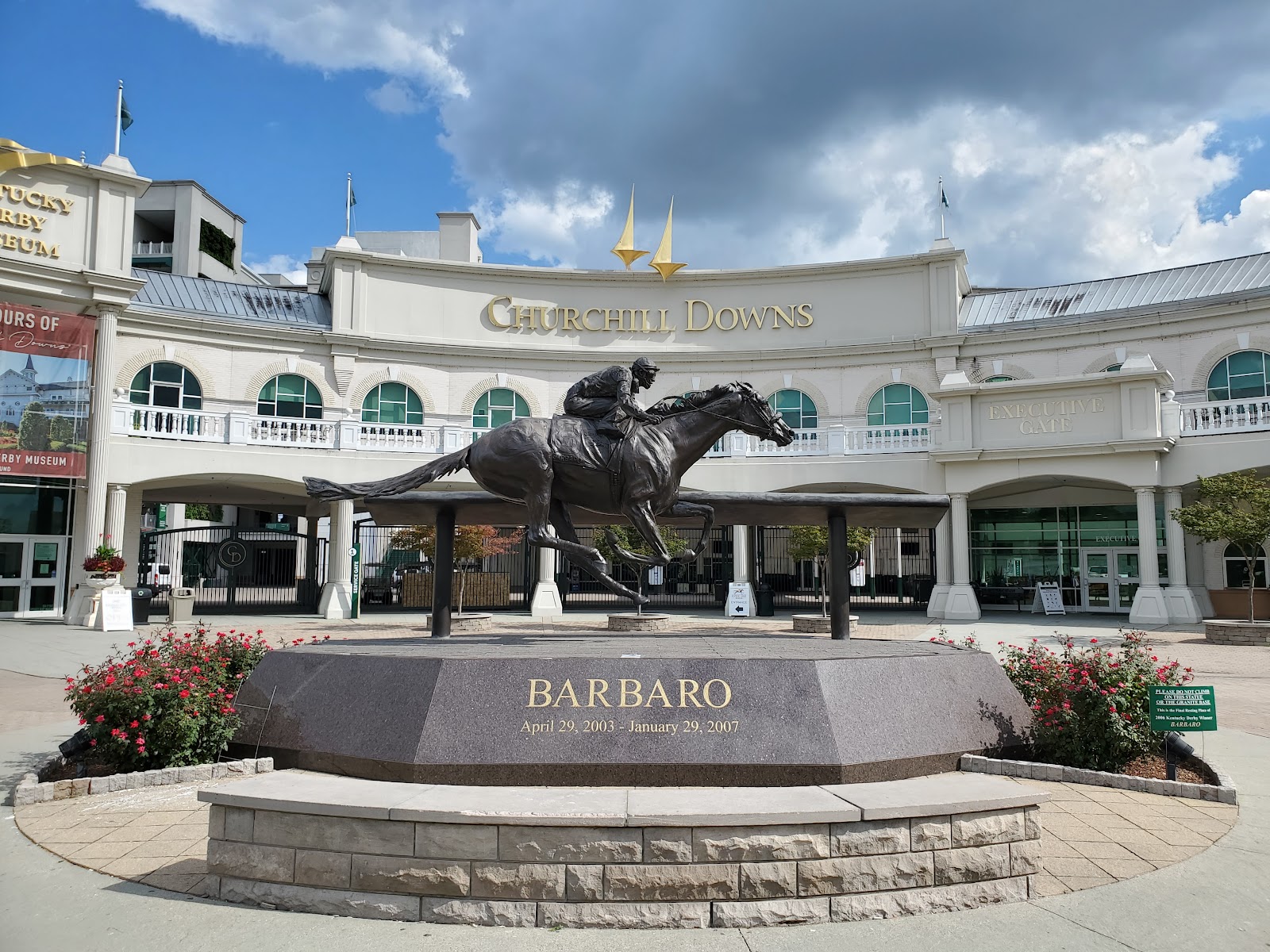
The twin spires are the frame everyone wants and they are more difficult than they look. They sit atop the grandstand roof, which means from ground level in front of the stand you are looking steeply upward and the spires are small in the frame with a lot of roofline below them. That is the snapshot most people come away with and it is unsatisfying.
The better approach is distance and compression. Move back far enough that the spires and the couple can occupy the frame in a sensible proportion, then use a longer lens. Compression brings the spires forward and makes them read as large behind the subjects instead of as distant details. From across the track or from the far side of an open area, a 135mm or 200mm produces the image people actually have in mind.
Light direction matters too. White spires against a bright sky is a contrast problem; against a low sun or a dusk sky they read far better. Late afternoon or the twenty minutes after sunset, with the structure lit and the sky still holding colour, is when this frame is genuinely good rather than merely documentary.
Who this venue suits
Four kinds of couple, and the fit is narrower than the venue’s fame suggests.
- Couples with a genuine connection to racing or to the Derby. If it means something to you, the photographs will carry that and the venue is unmatched for it.
- Anyone who wants an instantly identifiable landmark. Very few venues anywhere are recognised on sight by as many people.
- Larger guest lists. The scale that works against a small wedding works for a big one — event spaces here are sized generously and the logistics are used to volume.
- Couples happy for the photographs to be about place as much as about people. This venue will be a character in the images whether you plan for it or not.
Who should look elsewhere
Directly, because scale is the thing people misjudge.
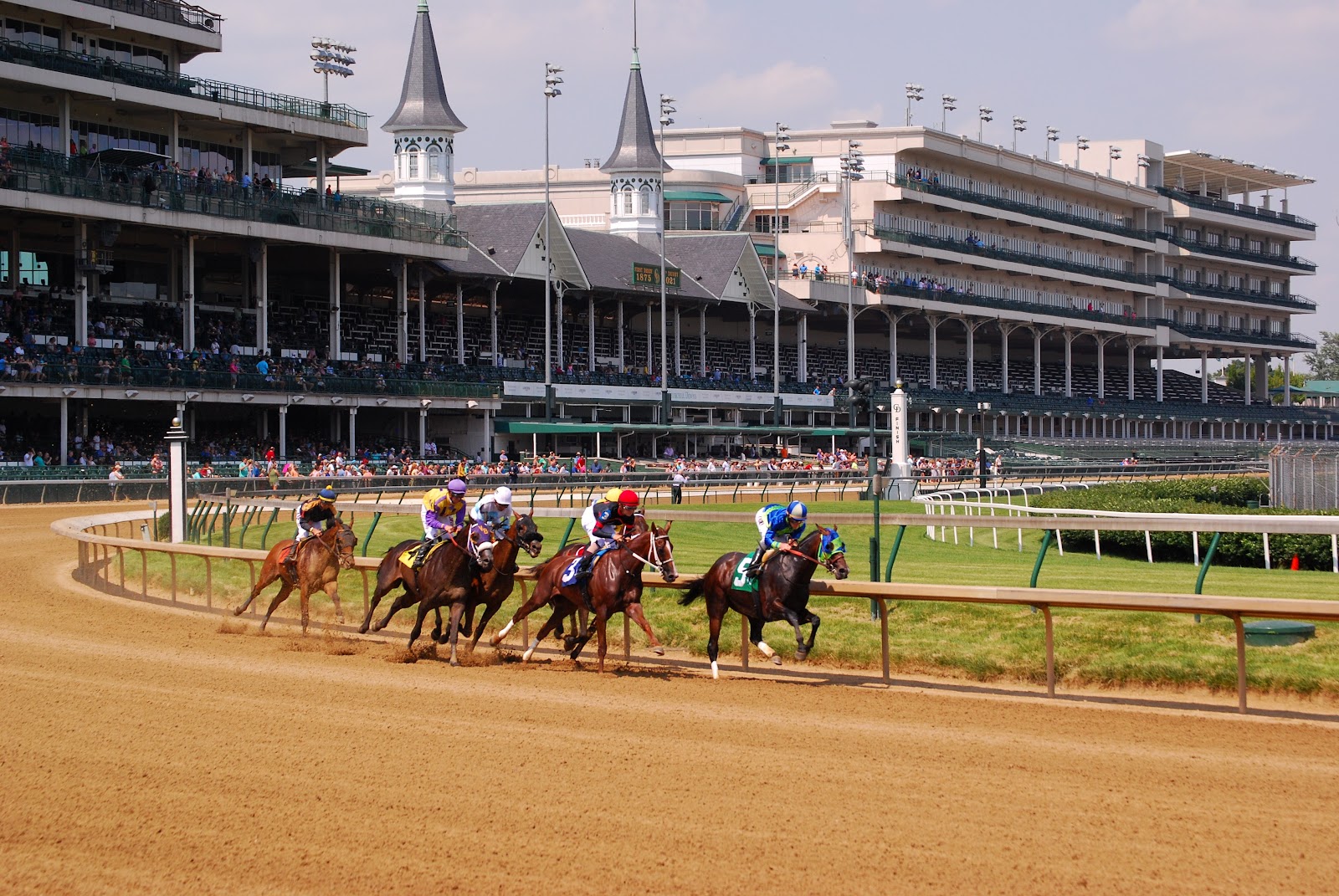
- Small or intimate weddings. Thirty people in a facility built for a six-figure crowd photographs as emptiness. An Old Louisville mansion will serve you far better.
- Couples wanting soft, romantic, warm imagery. A grandstand is steel, concrete and painted metal. It is graphic and impressive, not tender.
- Anyone who wants shade and flattering light on tap. The track side is wide open with almost nothing overhead; the grandstand is very deeply shaded. There is little middle ground.
- Couples who need date flexibility. An operating racetrack has a calendar, and Derby season in particular will constrain what is possible. Confirm early.
The practical work: extremes of light, and no middle ground
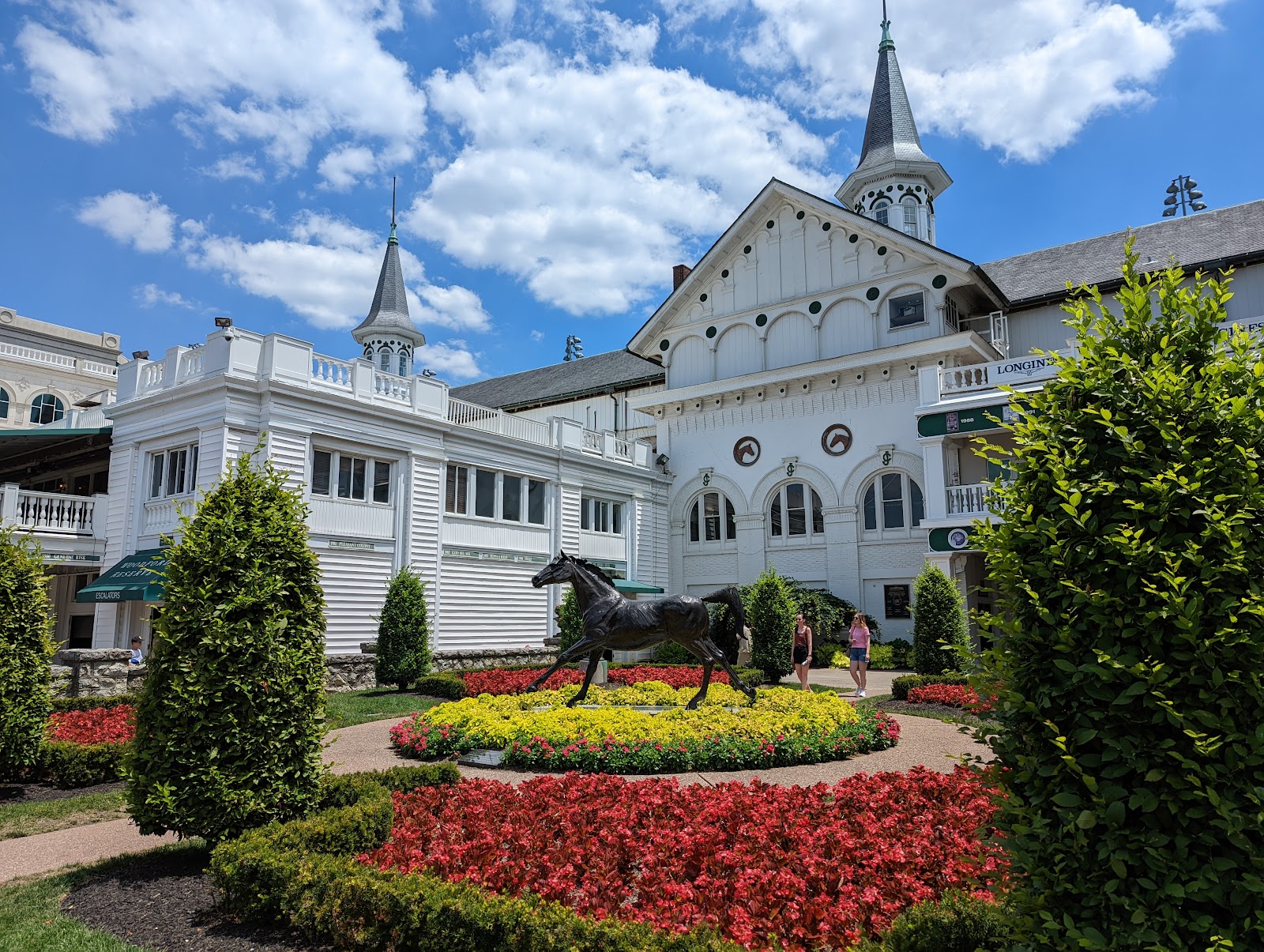
The lighting situation here is unusual and worth planning for. On the track and apron side you are in the open with effectively no shade, which in a Kentucky summer between eleven and four is harsh — squinting, hard shadows, blown highlights on a white dress. Under the grandstand you are in deep shade, often several stops down, with painted steel and concrete surfaces that add no warmth.
That gap means every position change is an exposure reset, and it means the flattering middle ground most venues offer barely exists. The two workable strategies are to shoot the open areas only in the last ninety minutes of daylight, and to bring light for anything under the stand — a single flash with a warm gel does a great deal in a grey concrete environment.
The track itself is worth using deliberately. A mile of open dirt with rails and a grandstand behind gives you long clean sightlines and strong horizontal lines, which is a graphic composition available nowhere else. Shot low with a long lens in evening light, the dirt goes warm and the rails recede — genuinely striking.
One logistical note: distances here are large. Moving between the spires, the paddock, the track and an indoor space involves real walking, and at a facility this size that eats a timeline quickly. Choose three locations, not eight.
What works in your favour
- The twin spires are among the most recognisable structures in American sport — an unmatched establishing frame
- Scale and logistics that handle large guest lists comfortably
- The open track gives long clean sightlines and strong graphic horizontals
- Genuine meaning for couples with a connection to racing
- Evening light on open dirt and rails is distinctive and striking
What to plan around
- Built for 150,000 people — a small wedding reads as emptiness
- Almost no shade on the track side; very deep shade under the grandstand, with little in between
- Steel, concrete and painted metal add no warmth; expect to bring your own
- The spires photograph poorly from close up; they need distance and a long lens
- Large distances between locations, and an operating racing calendar that constrains dates
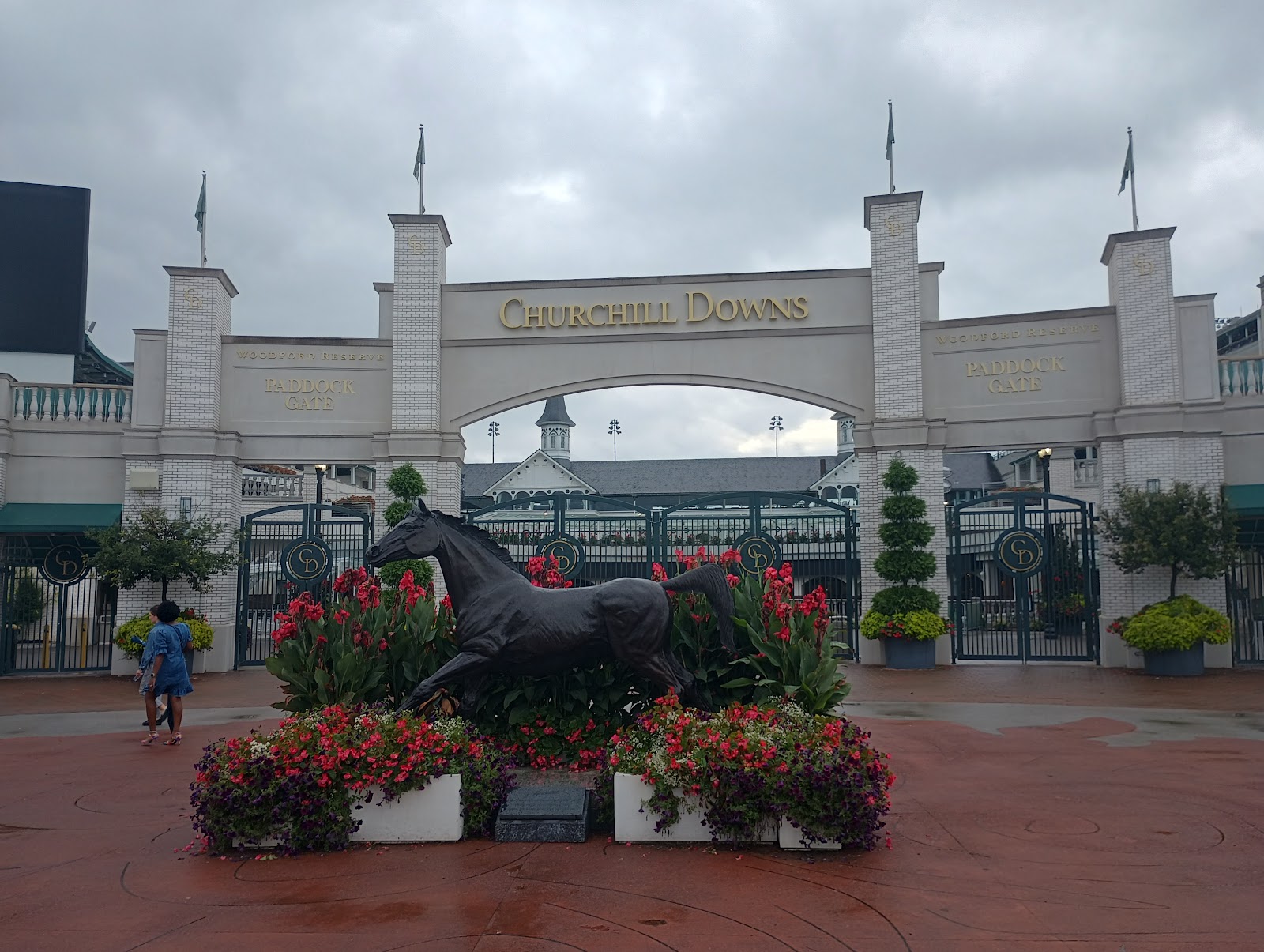
More frames from Churchill Downs
Churchill Downs wedding photography: common questions
How do you photograph the twin spires properly?
With distance and a long lens. From close up in front of the grandstand you are looking steeply upward and the spires end up small above a lot of roofline. Move well back and shoot at 135mm or longer so compression brings them forward and they read as large behind the couple.
What time of day works best?
Late afternoon or the twenty minutes after sunset. White spires against a bright midday sky is a contrast problem; against low sun or a dusk sky with the structure lit, the frame is genuinely good rather than merely documentary. The open track areas are also only comfortable in the last ninety minutes.
Is it suitable for a small wedding?
Not really, and this is the main thing couples misjudge. The facility is built for a six-figure crowd, and thirty or forty people inside it photographs as emptiness. An Old Louisville mansion or a historic hotel will flatter a small guest list far better.
What is the lighting like?
Extreme at both ends with very little in between. The track side is wide open with effectively no shade, which is harsh in a Kentucky summer. Under the grandstand it is deeply shaded, often several stops down, on painted steel and concrete that add no warmth. Bring a warm-gelled light for anything under the stand.
Are there date restrictions?
Almost certainly. It is an operating racetrack with a calendar, and Derby season in particular will constrain what is available. Confirm dates and which spaces you get early, because it affects the plan far more than at a conventional venue.
More Louisville venue guides
We are writing a photographer’s guide to every venue we would happily shoot in Louisville. Here are three more, plus the full index:
- The Conrad-Caldwell House: A Walk-Through of a Richardsonian Mansion
- The Frazier History Museum: A Walk-Through for Wedding Photographs
- The Galt House: Working with a River-Facing Tower Hotel
All Louisville Wedding Venues →
Planning a wedding at Churchill Downs?
This venue is a strong fit for some weddings and the wrong choice for others, mostly depending on your guest number. Tell us your date and headcount and we will tell you honestly how it will photograph.