 The Omaha Children’s Museum: A Photographer Answers Your Questions
The Graduate Lincoln: A Themed Hotel and the District Beside It
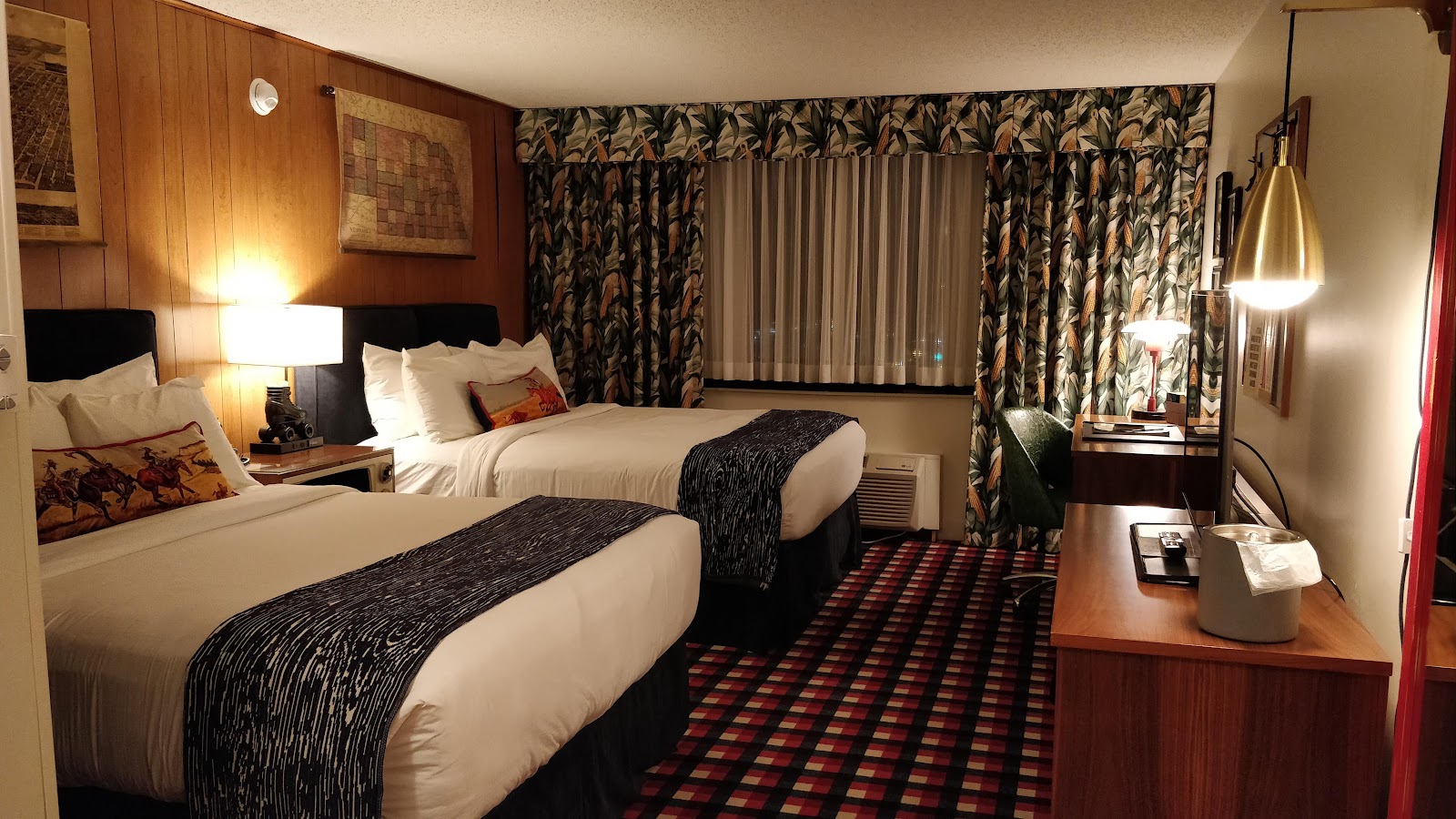
Heavily themed interiors are assertive backgrounds rather than neutral ones, which is a different job.
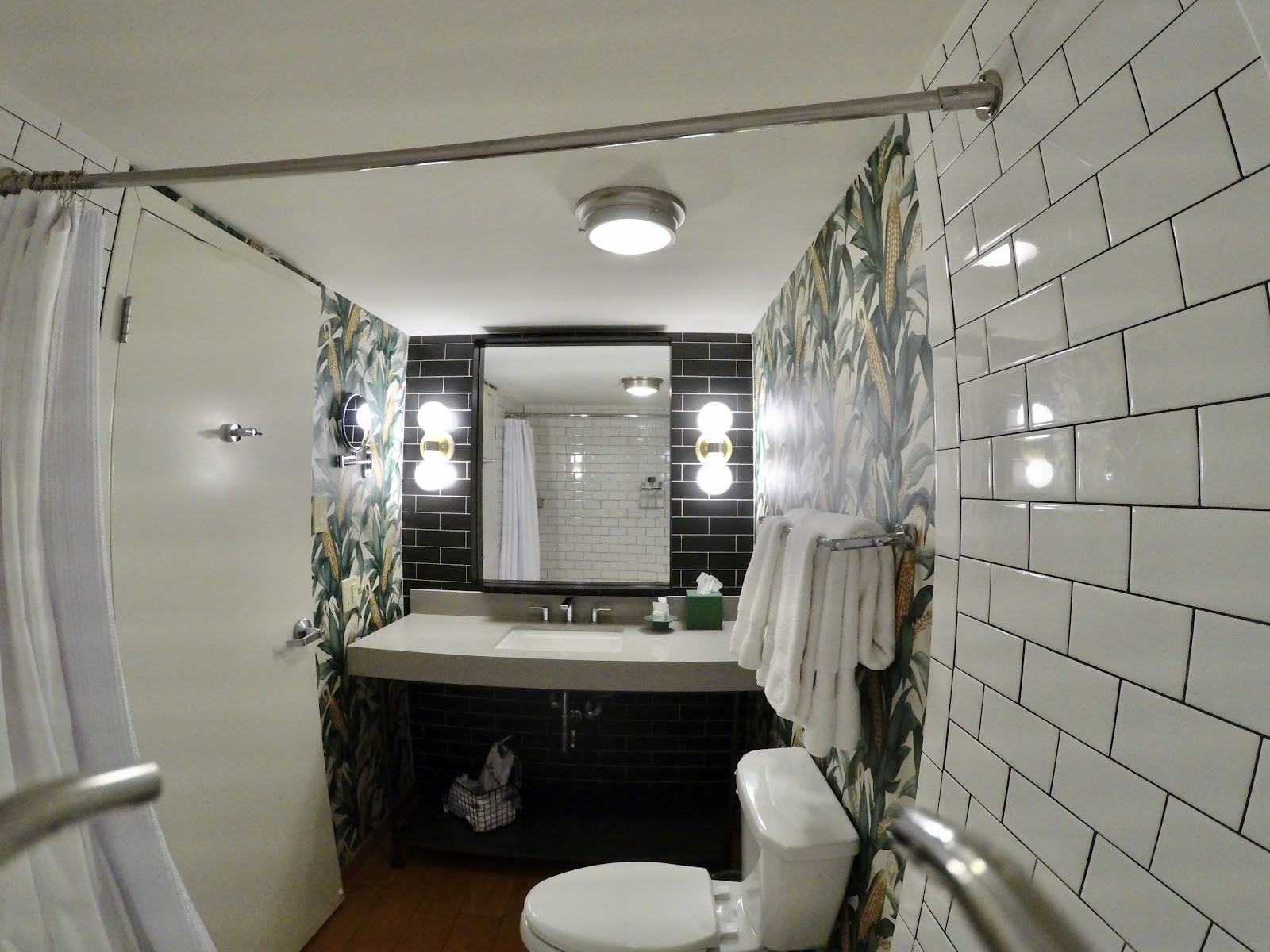
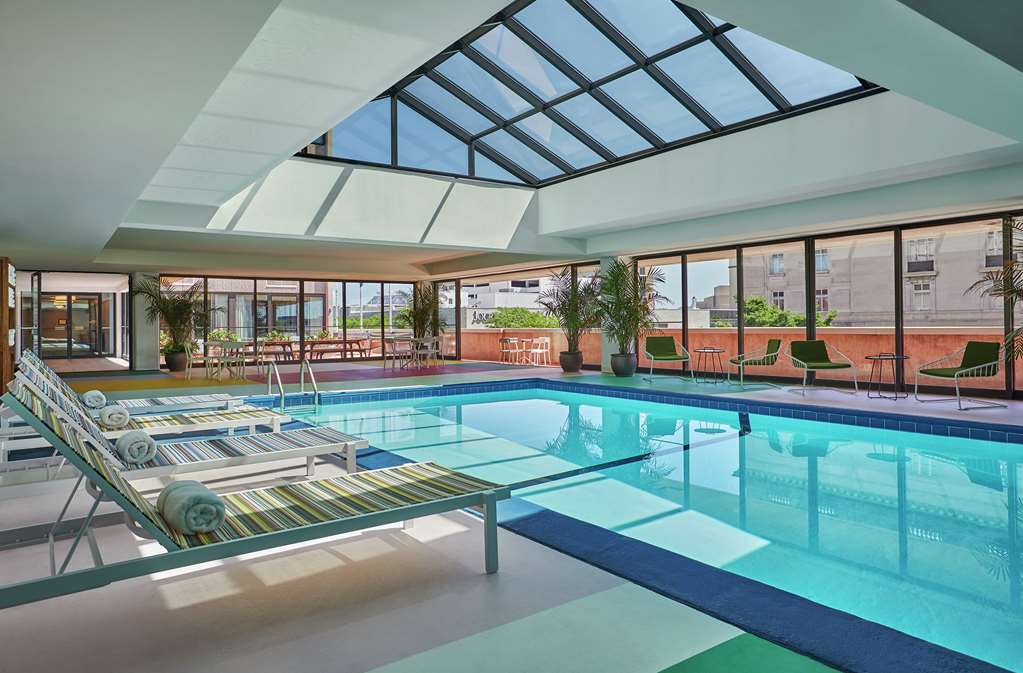
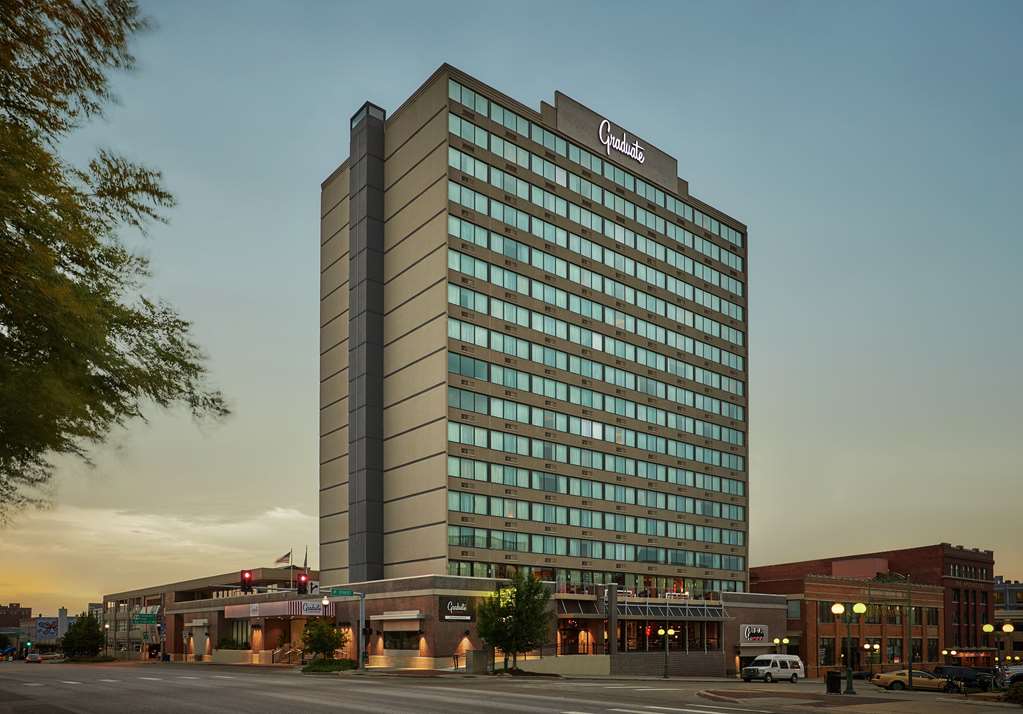
The Graduate Lincoln is a contemporary hotel in downtown Lincoln, Nebraska, beside the historic Haymarket district, with interiors designed around a strong decorative theme rather than the restrained neutrality most modern hotels adopt.
Heavily themed hotels are a growing category and they present the opposite problem from the usual modern one. A typical contemporary hotel is pale, tonal and evenly lit, so nothing competes with the subject and nothing supplies any interest either — the photographer has to manufacture all of it. A themed hotel is the reverse: patterned wallpaper, saturated colour, collected objects and strong graphic elements mean the walls are doing something, and what they are doing is assertive.
That is an asset used deliberately and a liability used carelessly. This is a walk through the building and then out into the Haymarket, which is the stronger half. We have not photographed a wedding at the Graduate; themed interiors and brick warehouse districts behave the same wherever they meet. Which rooms are allocated is a question for their events team, and in a themed hotel the rooms differ from each other more than usual.
The Graduate Lincoln at a glance
| Where | Downtown Lincoln, Nebraska, beside the Haymarket |
| Character | A themed contemporary hotel with strongly decorated interiors |
| The condition | Assertive backgrounds rather than neutral ones |
| The consequence | Commit to a background or subordinate it — never half |
| The counterweight | The Haymarket’s brick warehouses, a block away |
Inside: pattern, colour and the decision every frame needs
Strong pattern and saturated colour are visually loud, and at medium distance they win against two people in formal clothes. The photograph becomes one of a wallpaper with some people in it. That is not a fault of the design; it is what decorative schemes are for, and it means a decision has to be made in every frame rather than once.
The decision is the same as with any assertive background: subordinate it or commit to it. Subordinate with a long lens at a wide aperture from further back, so the pattern becomes a soft field of colour and the couple are the only sharp thing — this is the most reliable answer in a themed hotel. Or commit by going wider and placing the couple deliberately within the composition rather than centrally in front of it, so the scheme is a co-subject. The failure is the ambiguous middle where both are sharp and similar in weight.
Colour is the technical half. Saturated walls throw their colour across a room — a deep green wall two metres from a face cools and tints it, a warm terracotta one does the opposite — and in a themed hotel that colour changes from room to room. Set a custom white balance in each space rather than carrying one between them, and let your own light own the faces where it matters, so skin has a dependable base and the scheme reads as deliberate background.
Themed rooms also differ from each other more than standard hotel rooms do, which means a set shot across several will not match itself unless that is managed. The practical answer is the one every mixed venue needs: shoot a run of frames in each space rather than one of each, and group them when editing, so colour changes deliberately rather than frame by frame.
The guest floors and the evening
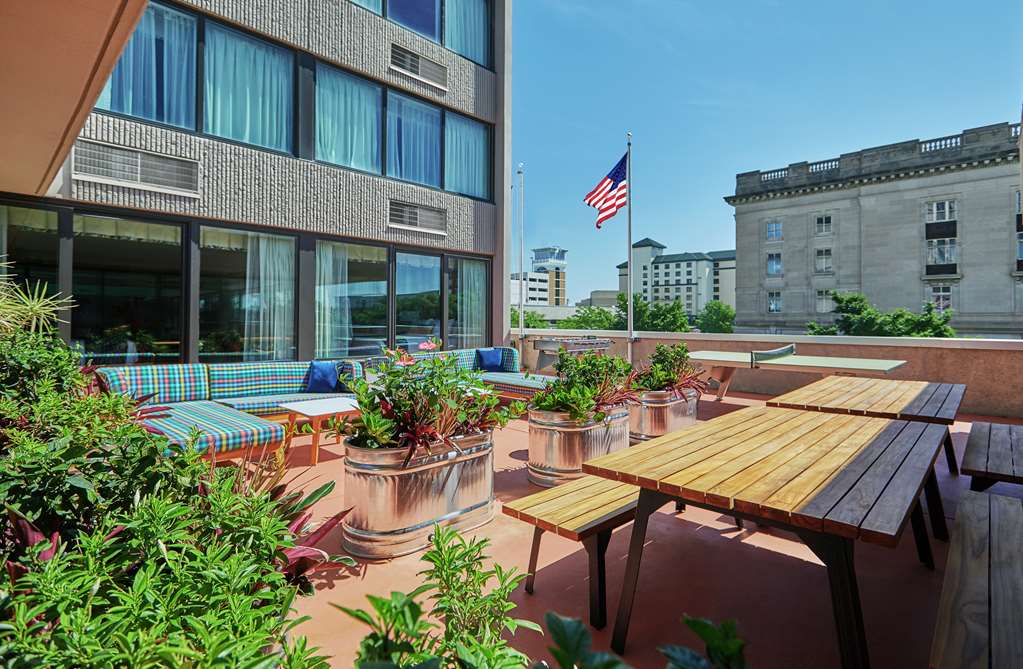
Guest floors are where the daylight is, as in any hotel. Ask for the largest window on the shaded side for the preparation block — it is free and nobody thinks to request it — then switch off the overheads and move the lamps out, because mixed tungsten and daylight in one room is the commonest cause of inconsistent skin tone across a morning.
In a themed hotel there is an extra consideration: guest rooms are usually decorated as strongly as the public spaces, so the same commit-or-subordinate decision applies to the dress and detail frames. A patterned wall behind a hanging dress competes with it; a plain section of wall, a window reveal or a door does not. Finding the quiet corner of a loud room is thirty seconds well spent.
Evening in the public rooms is a mixed-source problem with a themed twist: alongside the usual warm decorative fixtures and cooler downlights there are often feature lights chosen for looks rather than colour accuracy, which can render skin oddly even at a technically correct white balance. Bring a key, gel it to sit in the room, let it own the faces, and let every house source become atmosphere.
If there is a ballroom or function room it is likely to be the most neutral space in the building, which makes it the easiest to light and the least interesting to look at. That is a fair trade: light it once with a warm source at face height and a rim behind, and it holds all evening because the ambient is fixed.
- Decide per frame: subordinate the pattern or commit to it, never half
- Custom white balance per room; themed spaces differ from each other
- Shoot runs of frames per space and group them when editing
- Find the quiet corner of a loud room for the dress and details
- Ask for the largest shaded-side window; overheads off, lamps out
The Haymarket: the stronger half
The Haymarket district beside the hotel is a coherent run of nineteenth-century brick warehouse buildings, and for a photographer a district built to one vocabulary is worth more than a series of individually interesting buildings. Every frame shares materials and scale, so a set shot across it reads as one place rather than as an assembly of locations.
Brick is the material and it behaves well: a mid-tone with real texture, holding detail at almost any sensible exposure, unlike a white wall that clips or a dark panel that blocks. It reflects strongly warm, so set white balance for faces rather than the wall, and it needs raking light — light running along a brick elevation lifts every mortar line, while light pointed at it flattens the whole thing into a brown field.
Because the district is low-rise, low evening sun reaches street level and runs the full length of a street, lighting one side and shading the other. Finding which streets run roughly east-west is a ten-minute site visit and the most useful outdoor preparation available here. Loading docks, alleys and iron fire escapes give structure — an alley in particular is the most reliable location in a warehouse district, because walls on both sides make the light directional and contain the background so there is no sky to blow out.
The district is the counterweight the hotel needs. A gallery shot entirely among strong pattern and saturated colour is exhausting, and a block of warm brick, hard geometry and open street light gives it somewhere to breathe.
Nebraska plains conditions apply outdoors: wind is a constant rather than an occasional event, so a veil is a held-or-removed decision and any stand needs weight. Buildings provide shelter, which is another argument for the streets and alleys over any open ground. And the plains sky is the compensation — an unobstructed horizon at the end of a street fills the frame with colour for twenty minutes after sunset.
More frames from The Graduate Lincoln
The Graduate Lincoln wedding photography: common questions
What is different about a themed hotel?
The walls are assertive rather than neutral. A typical modern hotel supplies no interest and the photographer creates it; here strong pattern and saturated colour win against two people at medium distance unless a decision is made in every frame.
What is that decision?
Subordinate or commit. A long lens wide open from further back turns the pattern into a soft field with the couple the only sharp thing — the most reliable answer. Or go wider and place them deliberately within the composition as a co-subject.
How do you keep skin tone consistent?
Custom white balance in each space rather than one carried between them, and let your own light own the faces where it matters. Themed rooms differ from each other more than standard hotel rooms, so a carried balance will drift.
How do you keep the edit coherent?
Shoot a run of frames in each space rather than one of each, and group them when editing. That way colour changes deliberately between sections rather than frame by frame, which reads as structure instead of noise.
Where do the dress and details go?
The quiet corner of a loud room — a plain section of wall, a window reveal, a door. A patterned wall behind a hanging dress competes with it, and finding the plain patch takes thirty seconds.
What does the Haymarket add?
Somewhere to breathe. A gallery shot entirely among strong pattern is exhausting, and a coherent district of warm brick and hard geometry gives it contrast — plus street-level golden hour, because the district is low-rise.
More Lincoln, NE venue guides
We are writing a photographer’s guide to every venue we would happily shoot in Lincoln, NE. Here are three more, plus the full index:
- The Grand Manse: Photographing a Converted Federal Building
- The Lied Center: Field Notes on a Modern Performing Arts Venue
- The Lincoln Marriott Cornhusker: Field Notes on a Large Hotel Ballroom
All Lincoln, NE Wedding Venues →
Planning a wedding at The Graduate Lincoln?
Loud interiors need a decision every frame and a district to breathe in. Tell us your date and which rooms you have.