 The Venue, Asheville: A Season-by-Season Guide
The Raleigh Convention Center: Photographing a Very Large Neutral Room
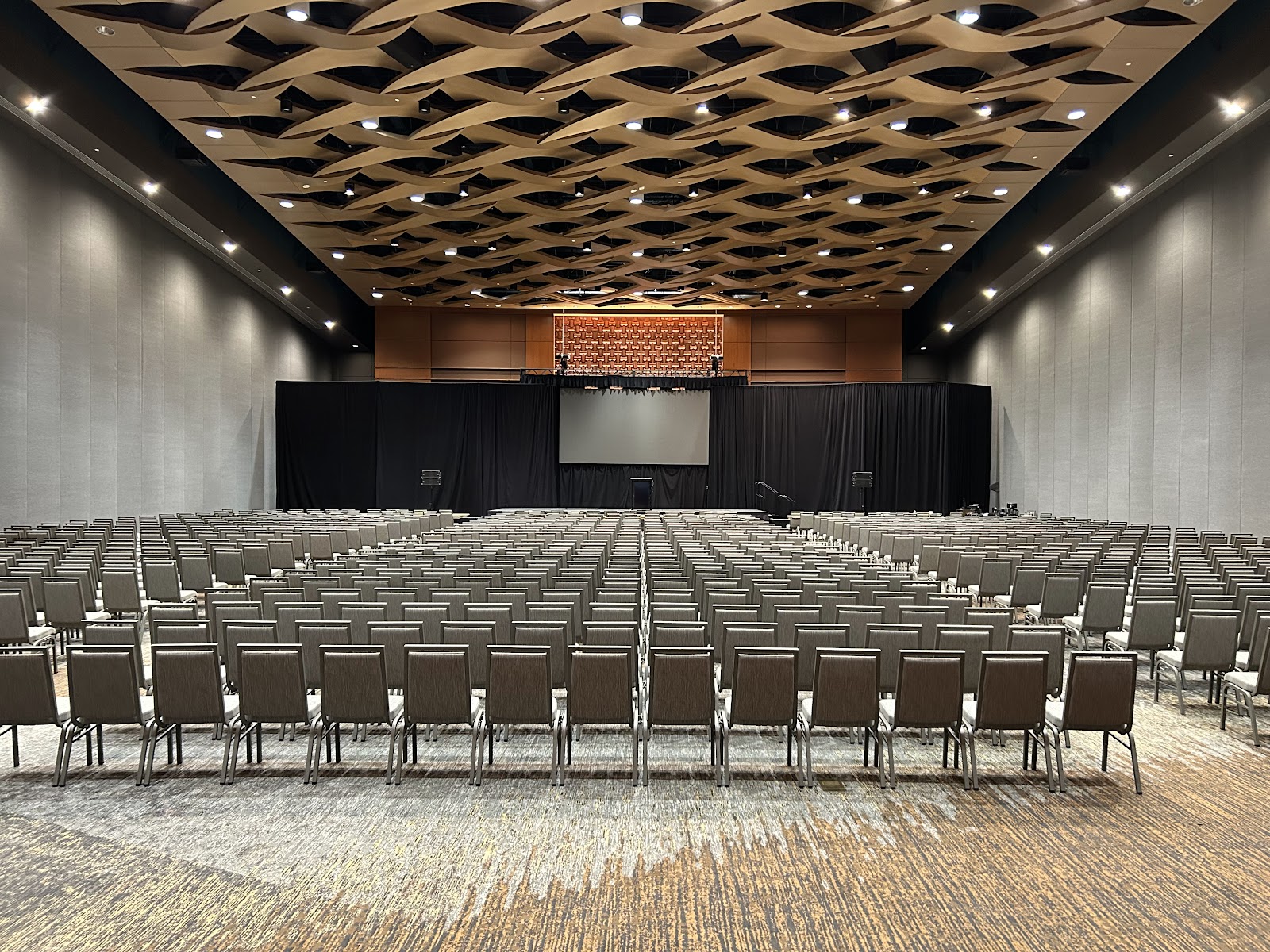
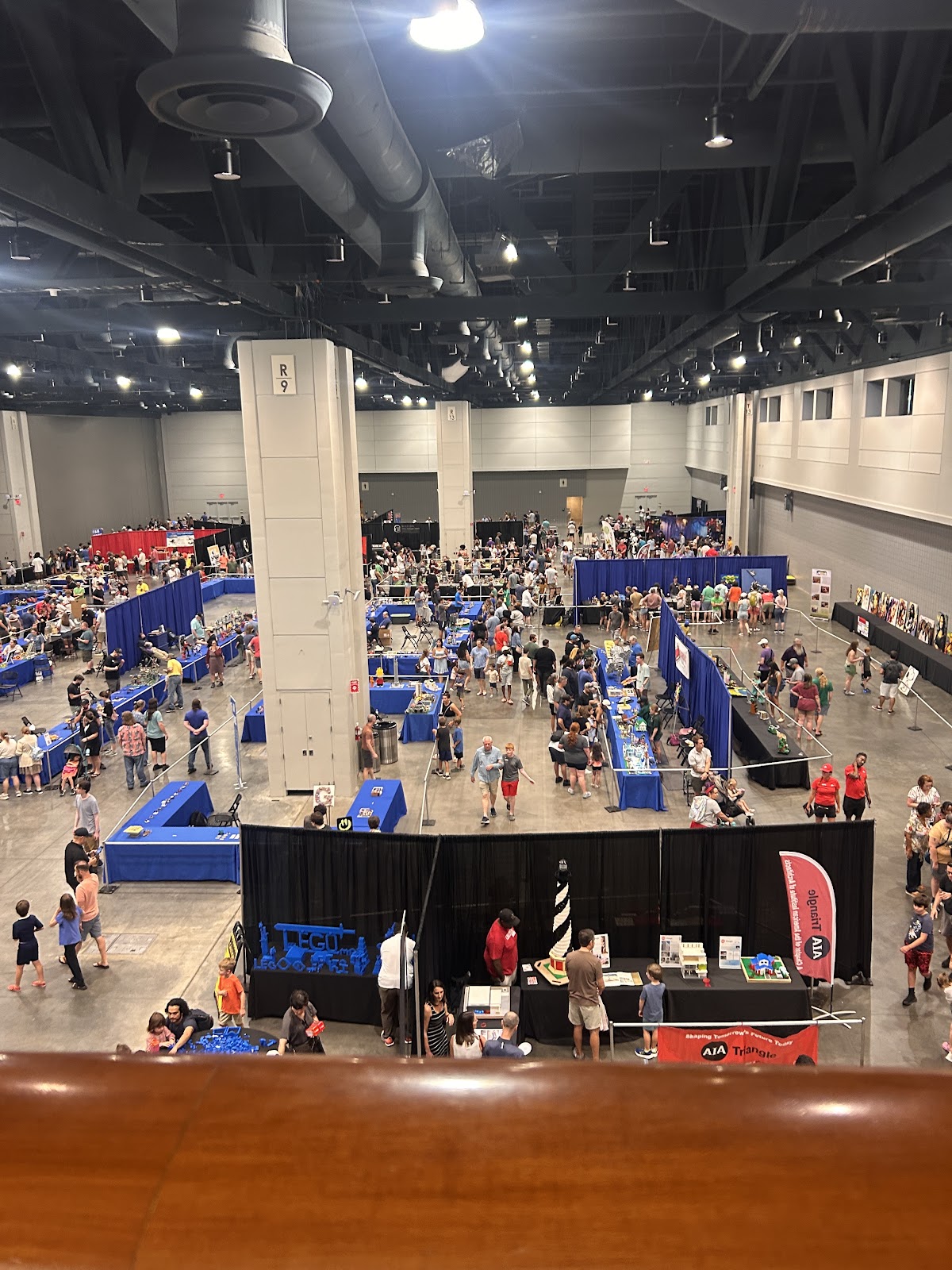
A convention ballroom is a very large neutral room, which is the hardest combination in this series.
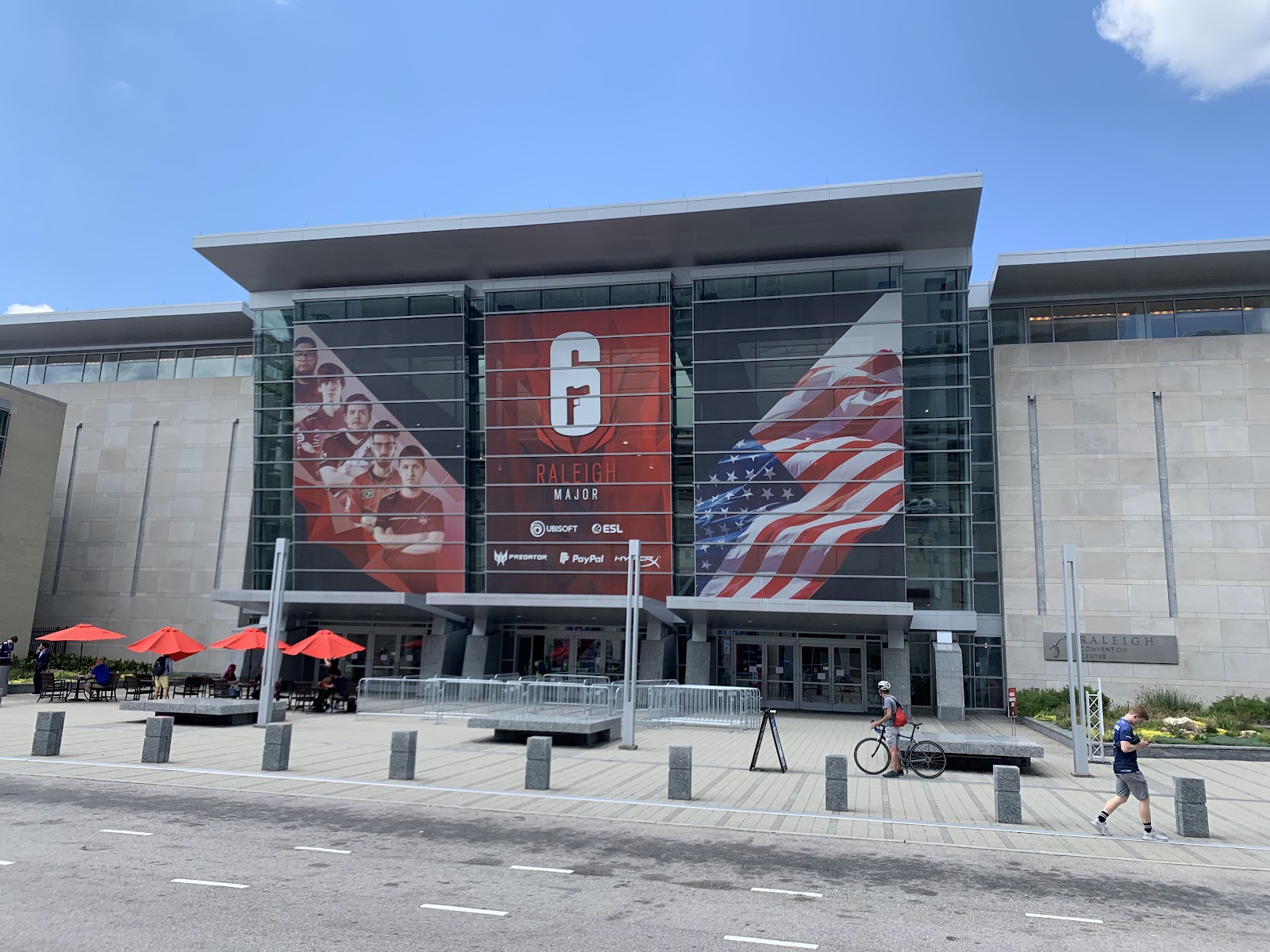
The Raleigh Convention Center occupies a site in downtown Raleigh, North Carolina, with large ballroom spaces that divide and combine, glazed public lobbies and frontage onto the city streets.
It is worth being direct about what this venue asks of a photographer, because it is the hardest combination in this whole series: large and neutral at the same time. A large ornate room — a cathedral, a grand hall, a period ballroom — is difficult to light but supplies character in exchange. A small neutral room is characterless but at least the walls are close enough to bounce off. A large neutral room gives neither. The volume defeats lighting because there is nothing near enough to return the spill, and the surfaces defeat composition because there is nothing in the frame to build on.
That is solvable but it takes deliberate work, and it suits some weddings much better than others. We have not photographed a wedding here; large divisible ballrooms and glazed convention lobbies behave the same wherever they are. Which halls are allocated, how they are divided and what rigging is permitted are questions for their events team — and division matters more than it sounds.
The Raleigh Convention Center at a glance
| Where | Downtown Raleigh, North Carolina |
| Character | Convention centre with large divisible ballrooms and glazed lobbies |
| The problem | Large and neutral at once — defeats both lighting and composition |
| The lever | How the room is divided; a smaller partition is a better room |
| Where the light is | The glazed lobbies, not the halls |
Why large plus neutral is the hardest combination
Light falls off with the square of distance, and in an ordinary room that hardly matters because walls and ceiling return the spill and lift the whole space. In a hall of convention scale there is nothing close enough to return anything — the ceiling is out of reach, the walls are far away, and any spill simply travels outward and never comes back. A strobe that fills a hotel function room disappears here.
The visible result is the standard failure of large rooms: two brightly lit people in an enormous dark cavity. Adding power makes the couple brighter without making the room more visible, because the room was never being lit.
Neutrality removes the other escape. In a large ornate hall you can at least expose for the architecture and let the scale be the subject, because the architecture is worth seeing. In a large neutral hall there is nothing to expose for — plain walls, a suspended ceiling, patterned carpet and air walls do not reward being shown, so the wide frame that rescues a cathedral does not rescue this.
Which leaves a clear conclusion worth stating plainly: do not try to photograph the room. Photograph what is in it, and use the venue’s other spaces for anything that needs a background.
Who this venue suits
There are briefs it genuinely serves, and they are mostly about scale and certainty:
- Very large guest counts, which most venues in this series simply cannot accommodate
- Couples who want a designed, styled reception, since the room is a blank canvas for it
- Weddings needing certainty — loading, power, capacity and staff are all industrial-grade
- Briefs where the reception is the priority and portraits happen elsewhere in the city
- Anyone wanting complete weather and time independence for the main event
Who should look elsewhere
And it fights a number of reasonable intentions:
- Couples wanting the venue to appear in and shape the photographs
- Anyone drawn to texture, patina or architectural character, none of which exists here
- Smaller weddings, which read as sparse in a room built for hundreds
- Briefs relying on natural light, since the halls have none at all
- Anyone unwilling to have the portrait coverage happen outside the building
Working it properly: division, density, lobbies and the street
The first lever is division. Convention ballrooms are built to be partitioned, and a smaller partition is a materially better photographic room — the walls come closer, bounce becomes possible again, and the space stops swallowing light. If there is any flexibility in how the hall is configured, asking for the smallest configuration that fits the guest count is the single most useful request available, and it improves the photographs more than any equipment decision.
The second is density. A neutral room photographs badly empty and well full, because people supply the texture, colour and incident the architecture lacks. So the frames that work here are tight and populated: a packed dance floor, a table mid-toast, a crowd reacting. Wide frames showing the room are the ones to avoid, not to attempt.
The third is that the styling is the background. In a blank room, whatever the couple have brought — lighting design, florals, drapes, a feature wall — is the only visual content, and it should be treated as the set rather than as decoration. That means photographing it properly while the room is pristine, before guests enter, because that is when it exists as designed.
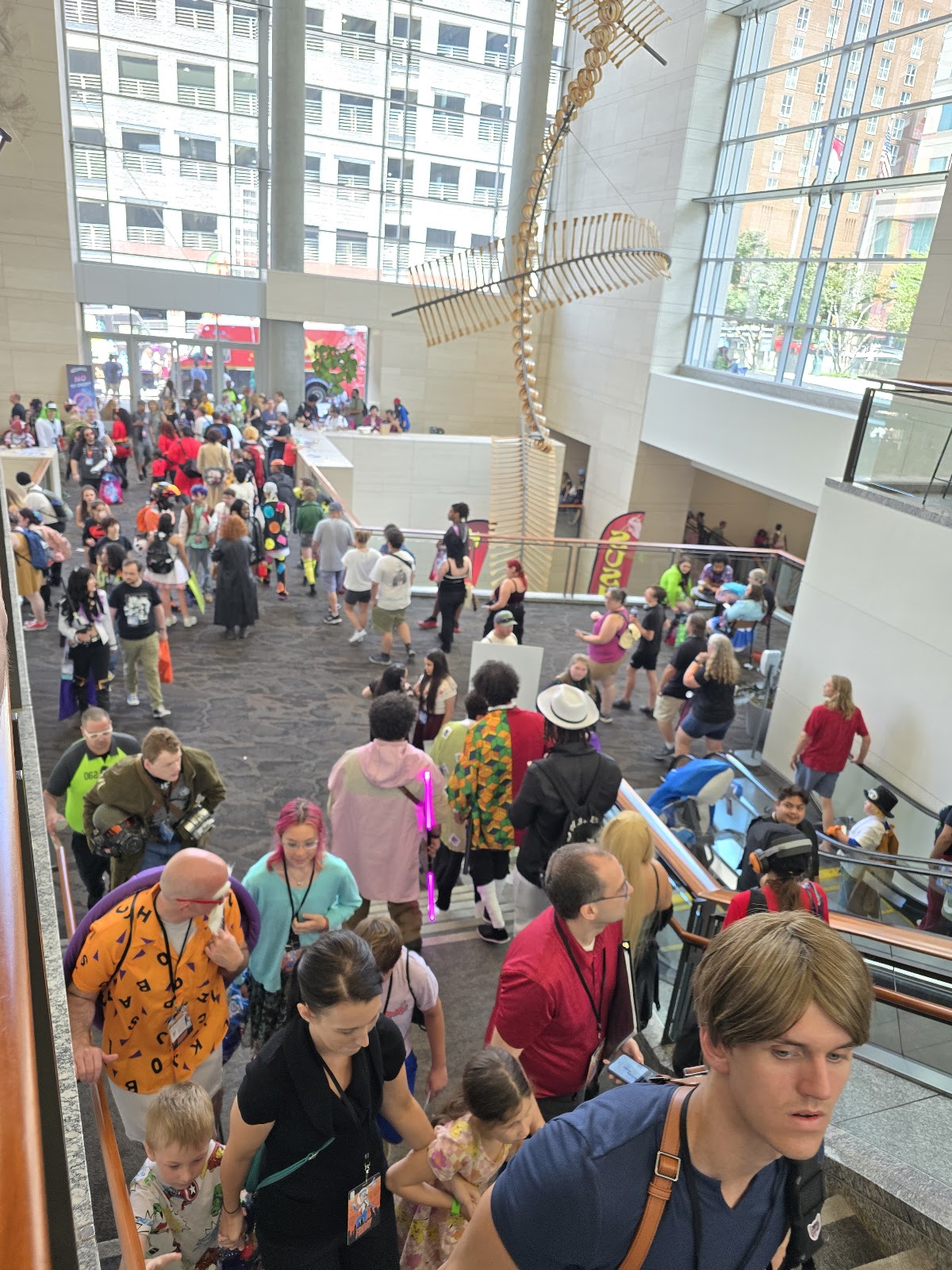
The fourth is the lobbies, which is where the light is. Convention centres have extensively glazed public spaces because they are circulation, and those give large soft directional daylight with a city view — genuinely good light, and the only natural light in the building. A couple a metre back from the glass, turned into it, has the best portrait light on site. And at dusk the glass gives the crossing frame: for about twenty minutes the sky outside falls to the brightness of the interior and a single exposure holds the lobby, the couple and the city. After that every pane becomes a mirror.
Fifth is the street. Downtown Raleigh is immediately outside, with brick frontages, period buildings and a compact walkable centre that is low-rise enough in parts for low evening sun to run along a street. That is where the frames that locate the gallery get made, because a convention ballroom could be anywhere on earth.
The honest summary: the hall is where the wedding happens and it is a lighting exercise rather than a photographic location; the lobby is where the light is; the street is where the place is. A timeline that gives twenty minutes to a glazed lobby at dusk and twenty to a street at golden hour will produce a gallery that the hall alone never could.
More frames from The Raleigh Convention Center
The Raleigh Convention Center wedding photography: common questions
Why is a convention ballroom so hard?
Because it is large and neutral at once. The volume means nothing is close enough to bounce spill back, so lighting disappears, and the plain surfaces mean there is nothing worth exposing for — so the wide frame that rescues a cathedral does not rescue this.
What is the most useful request?
The smallest hall configuration that fits the guest count. Convention ballrooms partition, and a smaller partition brings the walls closer, makes bounce possible again and stops the space swallowing light. It improves the photographs more than any equipment.
How do you photograph a neutral room?
Don’t. Photograph what is in it — tight, populated frames where people supply the texture and incident the architecture lacks. A packed dance floor works; a wide frame showing the room does not.
What about the couple's styling?
It is the background, because in a blank room it is the only visual content. Treat it as a set rather than decoration, and photograph it while the room is pristine before guests enter — that is when it exists as designed.
Where is the light in the building?
The glazed lobbies. They are circulation space so they are generously glazed, giving large soft directional daylight with a city view — the only natural light on site, and the best portrait light in the building.
Is there a frame worth timing?
Yes — the lobby at dusk. For about twenty minutes the sky outside falls to the brightness of the interior, so one exposure holds the lobby, the couple and the city. After that the glass turns into a mirror.
More North Carolina venue guides
We are writing a photographer’s guide to every venue we would happily shoot in North Carolina. Here are three more, plus the full index:
- The Stockroom at 230: Photographing a Downtown Loft and Its Roof
- The Bradford: What a Purpose-Built Venue Gets Right and Wrong
- The Barn at Old Fort, Old Fort: The Venue’s Own Logic
Planning a wedding at The Raleigh Convention Center?
Ask for the smallest hall that fits, and give us twenty minutes in the lobby at dusk. Tell us your date and guest count.