 The Venue, Asheville: A Season-by-Season Guide
The North Carolina Museum of History: Field Notes on Exhibit Lighting
History galleries are dim on purpose, because light damages what is in them. That is not a flaw to fight.
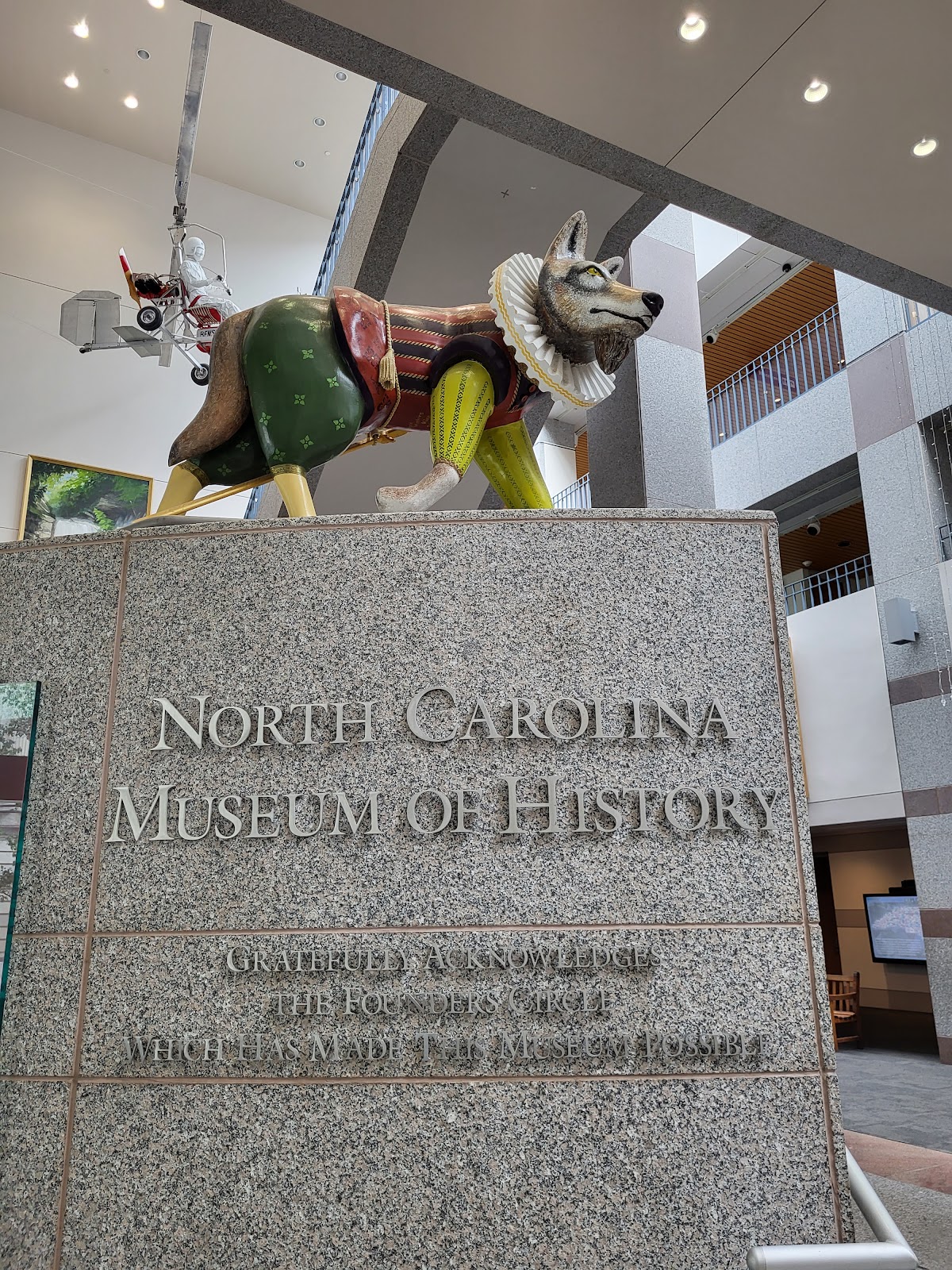
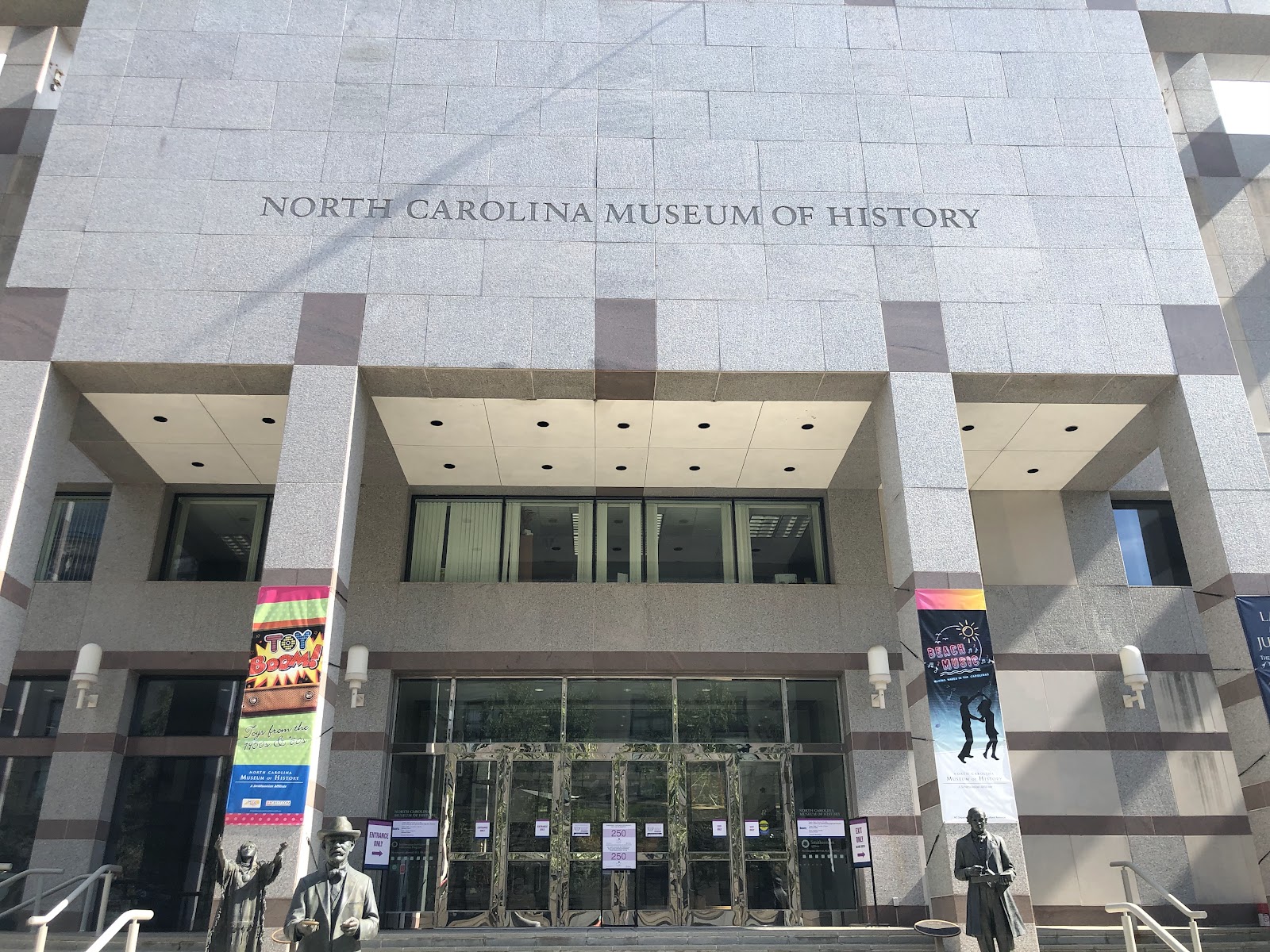
The North Carolina Museum of History stands on the Capitol square in downtown Raleigh, with gallery spaces, an atrium and public areas, and the state government buildings immediately around it.
History museums differ from art museums in a way that matters photographically and is rarely explained. Paintings and sculpture tolerate reasonable light levels; textiles, paper, photographs, dyed materials and organic artefacts do not, because light causes cumulative irreversible fading. So conservation standards keep galleries containing those materials genuinely dim — often far dimmer than an art gallery — and that is a deliberate protective measure rather than an aesthetic choice or an oversight.
Understanding that changes how a photographer behaves in the building, and it also sets realistic expectations. These are field notes on working with it. We have not photographed a wedding at the NC Museum of History; conservation-lit galleries and museum atria behave the same wherever they occur. Which spaces host events, what the flash rules are and whether galleries are available at all are questions for their events team — and the flash answer shapes everything.
The North Carolina Museum of History at a glance
| Where | Capitol square, downtown Raleigh, North Carolina |
| Character | History museum with conservation-lit galleries and an atrium |
| Why it is dim | Light permanently fades textiles, paper and dyed materials |
| The consequence | Flash is often restricted, and for a good reason |
| Where the light is | The atrium and public spaces, not the galleries |
Problem one: flash may be prohibited, and that is reasonable
In galleries holding light-sensitive material, flash is commonly restricted or banned outright. It is worth understanding why rather than treating it as an obstacle: cumulative light exposure is what fades a nineteenth-century flag or a hand-written document, the damage is irreversible, and a museum that allows a hundred flashes a day is spending its collection. A photographer who understands that will get a more useful conversation with an events team than one who asks for an exception.
Practically it means planning for the possibility that the galleries are available to walk through but not to light. That is workable. Conservation-lit galleries are dim but not black, and modern sensors handle the levels involved — expect fast primes wide open and an ISO that would have been unthinkable a decade ago, and accept visible grain as the price of a frame that exists at all.
It also means a tripod earns its place, if tripods are permitted. A second of exposure on a tripod with the couple asked to stay still turns a marginal frame into a clean one, and in a dim gallery that is often the difference between a usable image and none. Whether tripods are allowed is a separate question from flash and worth asking separately, because the answers frequently differ.
Where any lighting is permitted, keep it small and controlled. A gridded source at low power on the couple alone, with nothing spilling onto cases or walls, is both the most respectful approach and the best-looking one — because a dim gallery with a small pool of light in it reads as atmospheric, whereas a gallery flooded with flash reads as a lit room with cases in it.
Problem two: exhibit lighting is aimed at objects
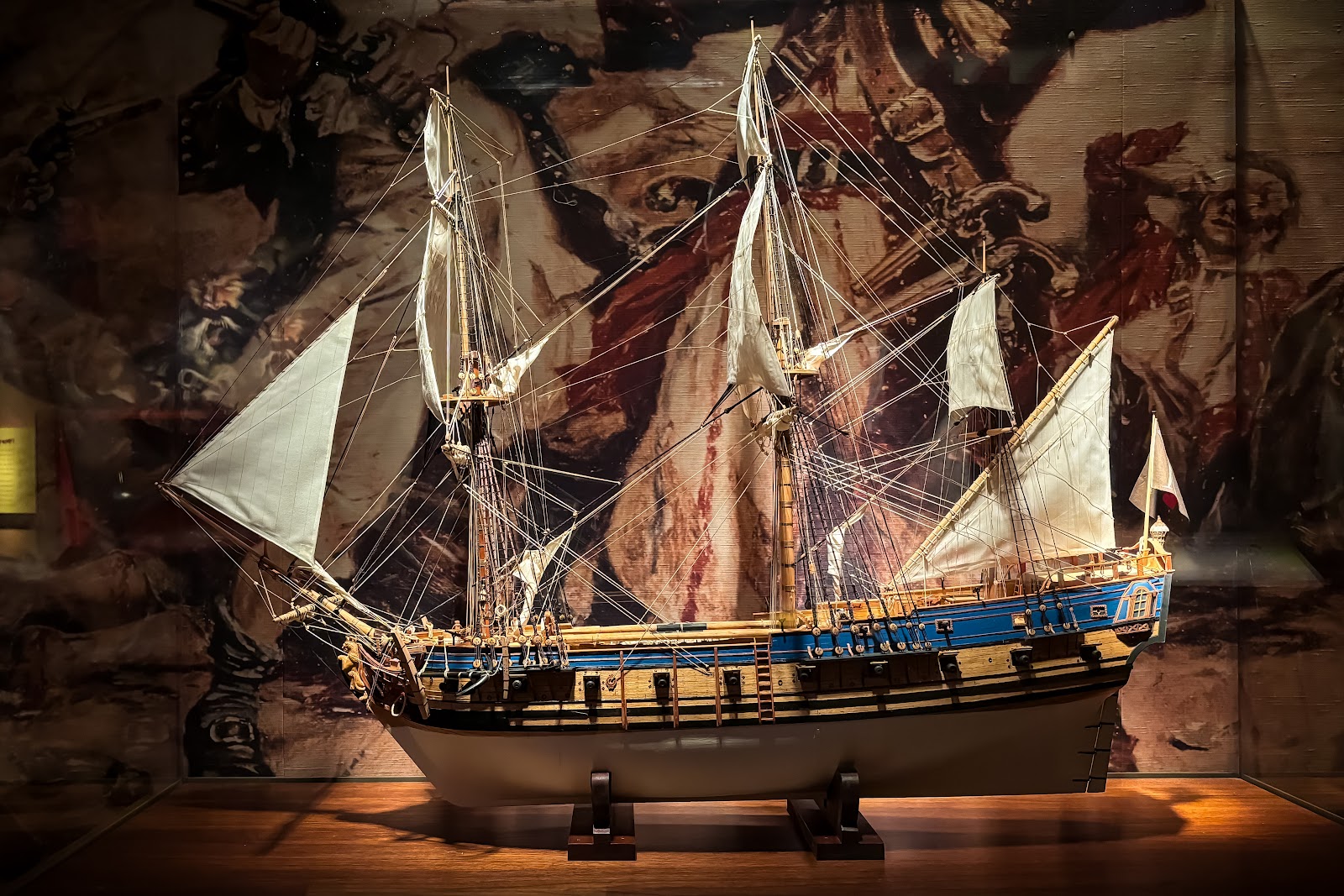
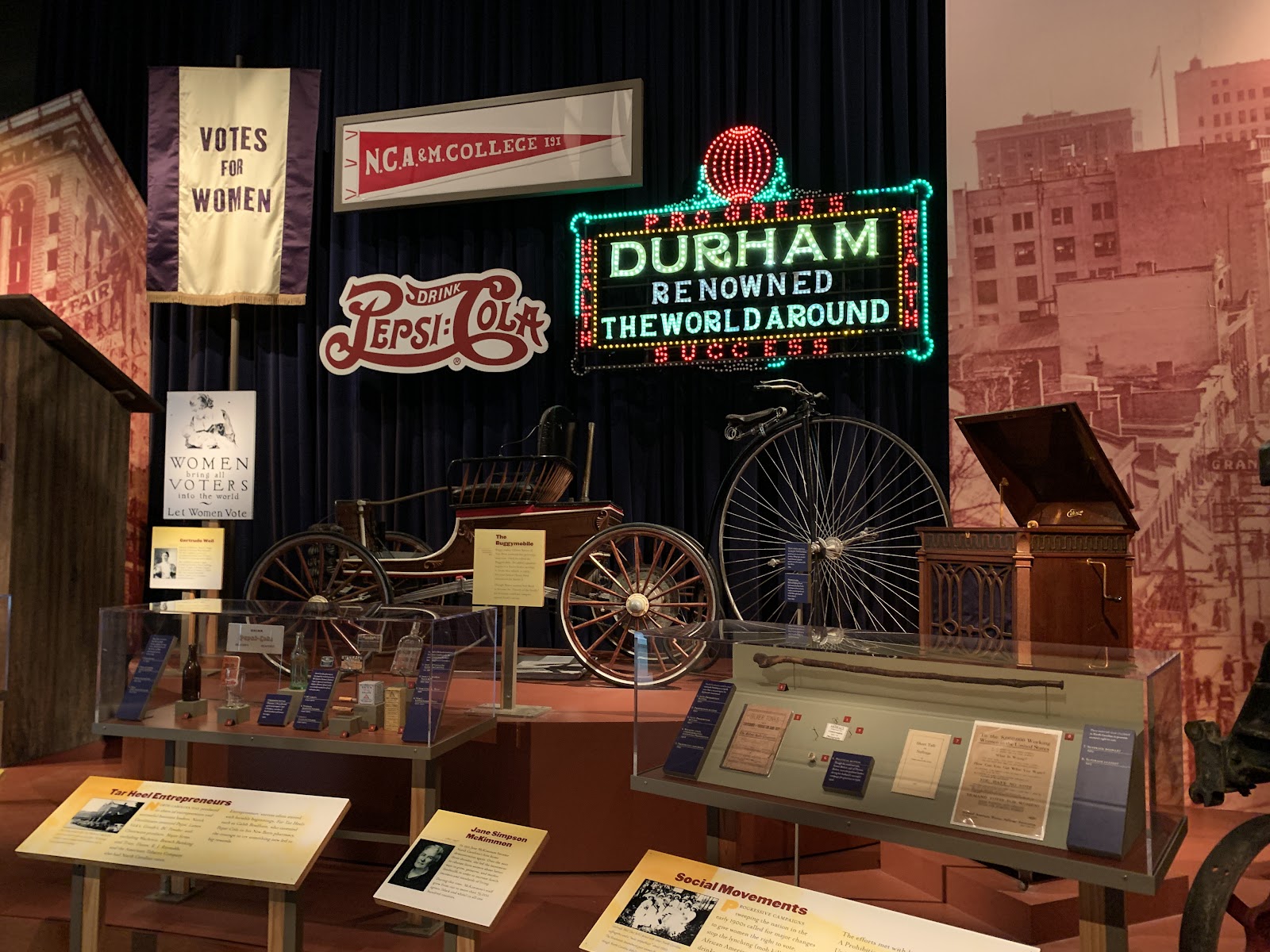
Where light does exist in a gallery, it is directed at display cases and panels rather than at people, and it is usually narrow-beam and mixed in colour. That produces a specific and awkward condition: a face crossing the space passes through hot spots and shadows and through two or three different colour temperatures within a few metres, so consecutive frames of the same sequence do not match.
The reliable answer, where lighting is allowed, is to bring one source and let it own the faces — then skin is consistent regardless of what the exhibit lighting is doing, and the exhibit lighting becomes background atmosphere. Where lighting is not allowed, the answer is positional: find the spots where a wall wash or a case is throwing usable light onto the floor in front of it and work there, rather than in the corridor between.
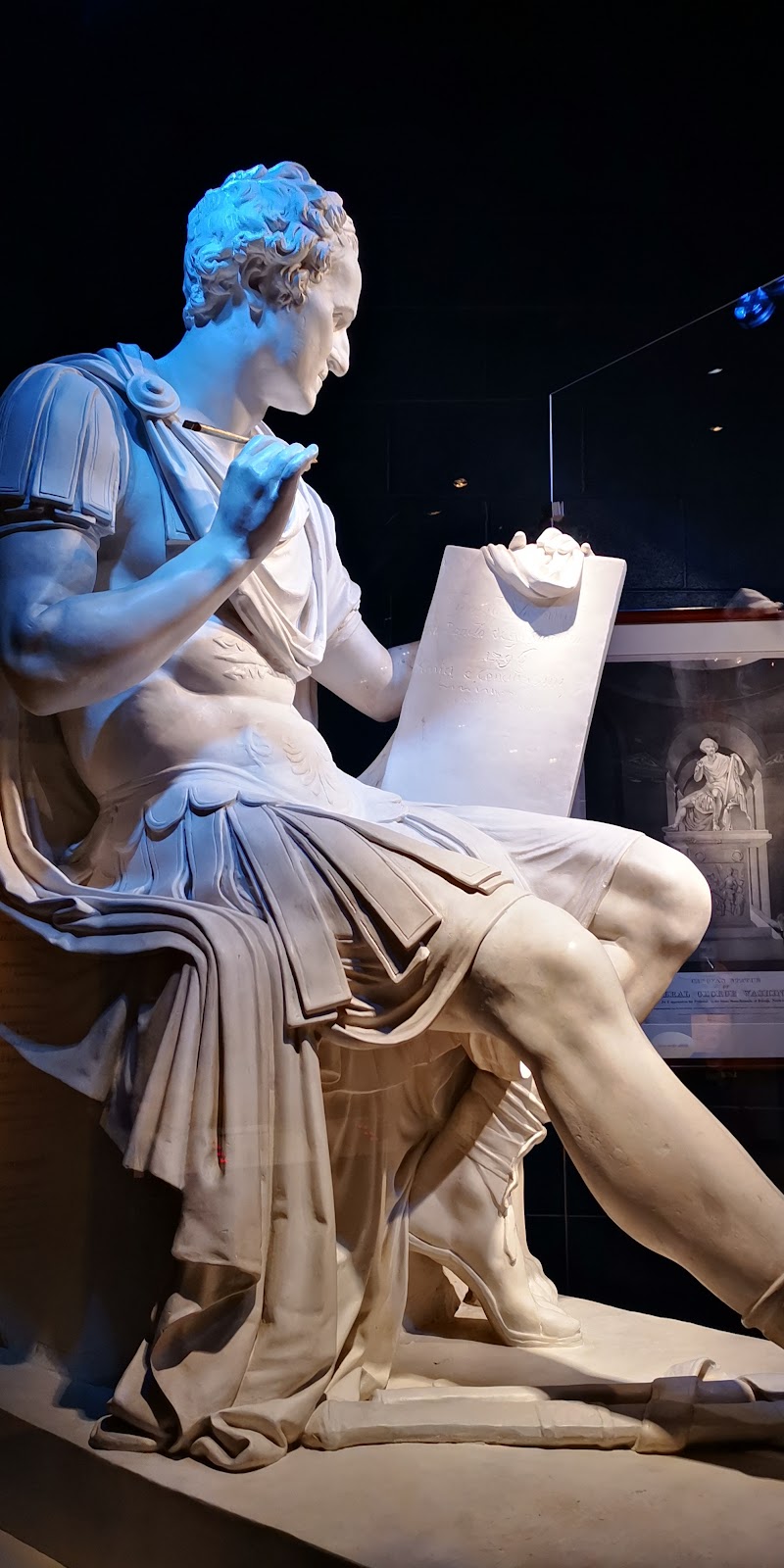
Cases themselves are glass, which means they reflect. They will show you, your lights and anything bright behind you, and because a case is usually vertical and flat the reflection is predictable — shoot obliquely and the reflected cone goes off to one side. Used deliberately a couple reflected in a case with an artefact behind the glass is a genuinely interesting frame, but it needs to be intended.
Exhibits are also assertive backgrounds with content, so the standard decision applies: subordinate with a long lens at a wide aperture, or commit and place the couple deliberately within the composition. And there is a permissions layer here too — displayed items may be on loan, so it is worth asking which may appear in published photographs rather than assuming.
- Ask about flash and tripods separately; the answers often differ
- Expect fast primes wide open and high ISO; accept the grain
- Where light is allowed, grid it and light only the couple
- Shoot display cases obliquely so the reflected cone misses the lens
- Confirm which displayed items may appear in published images
Problem three: where the good light actually is
The galleries are the character of the building and the atrium is its light. Museum atria are usually generously glazed or top-lit, because they are circulation space with nothing light-sensitive in them, and that makes them the best place in the building for anything that needs to be flattering rather than atmospheric — preparation coverage, portraits, and group photographs.
If the atrium is top-lit, it behaves like a diffusing roof: a large, even, soft source that is at its best in the middle of the day and gives no hard shadows, with the usual caveat that overhead light shadows eye sockets and wants a low bounce or a lifted chin. If it is side-glazed, treat it as a very large window — a metre back, turned into it, with the space behind falling away.
That division makes the day easy to sequence. Atrium and public spaces for the frames that must work; galleries for two or three deliberate atmospheric frames rather than as the main location; and the downtown square outside for daylight and a sense of place.
The Capitol square is genuinely useful. State government buildings give classical stone, columns and symmetry, and a square gives open ground for groups with buildings rather than sky as a background. Stone needs raking light to show its texture, so the first and last ninety minutes are when the exteriors are worth having — and that is also when faces work best outdoors, which simplifies matters.
Two North Carolina notes. Summer humidity fogs a lens carried from a heavily air-conditioned museum into outdoor air for ten to twenty minutes, so acclimatise the body you intend to use outside before the exterior block. And summer afternoon storms build and clear fast, which here is barely a problem — the museum is a very large indoor fallback, and a better one than most venues can offer.
What works in your favour
- A glazed or top-lit atrium giving the building’s best light
- Conservation-dim galleries that read as atmospheric when lit sparingly
- Capitol square outside for classical stone, columns and symmetry
- An enormous weatherproof fallback if a storm comes through
- Display cases usable as deliberate reflective frames
What to plan around
- Flash commonly restricted in galleries, for sound conservation reasons
- Exhibit lighting is narrow, mixed and aimed at objects not people
- Sequences shift colour as people move between exhibit lights
- Loaned items may not be reproducible in published photographs
- Top-lit atria shadow the eye sockets without a low bounce
More frames from The North Carolina Museum of History
The North Carolina Museum of History wedding photography: common questions
Why are history galleries so dim?
Because light permanently fades textiles, paper, photographs and dyed materials, and the damage is cumulative and irreversible. Conservation levels are a protective measure rather than an aesthetic choice, which is also why flash is often restricted.
What if flash is not allowed?
It is workable. Conservation-lit galleries are dim but not black, and fast primes wide open at high ISO produce usable frames with visible grain. Ask about tripods separately, because a second of exposure on a tripod turns a marginal frame into a clean one.
Where light is allowed, how should it be used?
Small and controlled — a gridded source at low power on the couple alone, with nothing spilling onto cases or walls. A dim gallery with a small pool of light reads as atmospheric; a gallery flooded with flash reads as a lit room with cases in it.
Why do consecutive frames not match in a gallery?
Because exhibit lighting is narrow-beam and mixed in colour and aimed at objects, so a face crossing the space passes through hot spots, shadows and two or three colour temperatures within a few metres. One source of your own on the faces fixes it.
Where is the best light in the building?
The atrium. It is circulation space with nothing light-sensitive in it, so it is usually generously glazed or top-lit — which makes it the place for anything that must be flattering rather than atmospheric, including groups and preparation.
What do the display cases do?
They reflect, predictably, because they are flat and vertical — shoot obliquely and the reflected cone misses the lens. Used deliberately, a couple reflected in a case with an artefact behind the glass is a genuinely interesting frame.
More North Carolina venue guides
We are writing a photographer’s guide to every venue we would happily shoot in North Carolina. Here are three more, plus the full index:
- The Raleigh Convention Center: Photographing a Very Large Neutral Room
- The Stockroom at 230: Photographing a Downtown Loft and Its Roof
- The Bradford: What a Purpose-Built Venue Gets Right and Wrong
Planning a wedding at The North Carolina Museum of History?
Dim galleries are a conservation decision, not an obstacle. Tell us your date and we will ask about flash and tripods separately.