 The Venue, Asheville: A Season-by-Season Guide
The JC Raulston Arboretum: Four Ways Out of the No-Shelter Problem
A garden laid out in rooms is a gift. A garden with no roof anywhere is a problem the calendar makes worse.
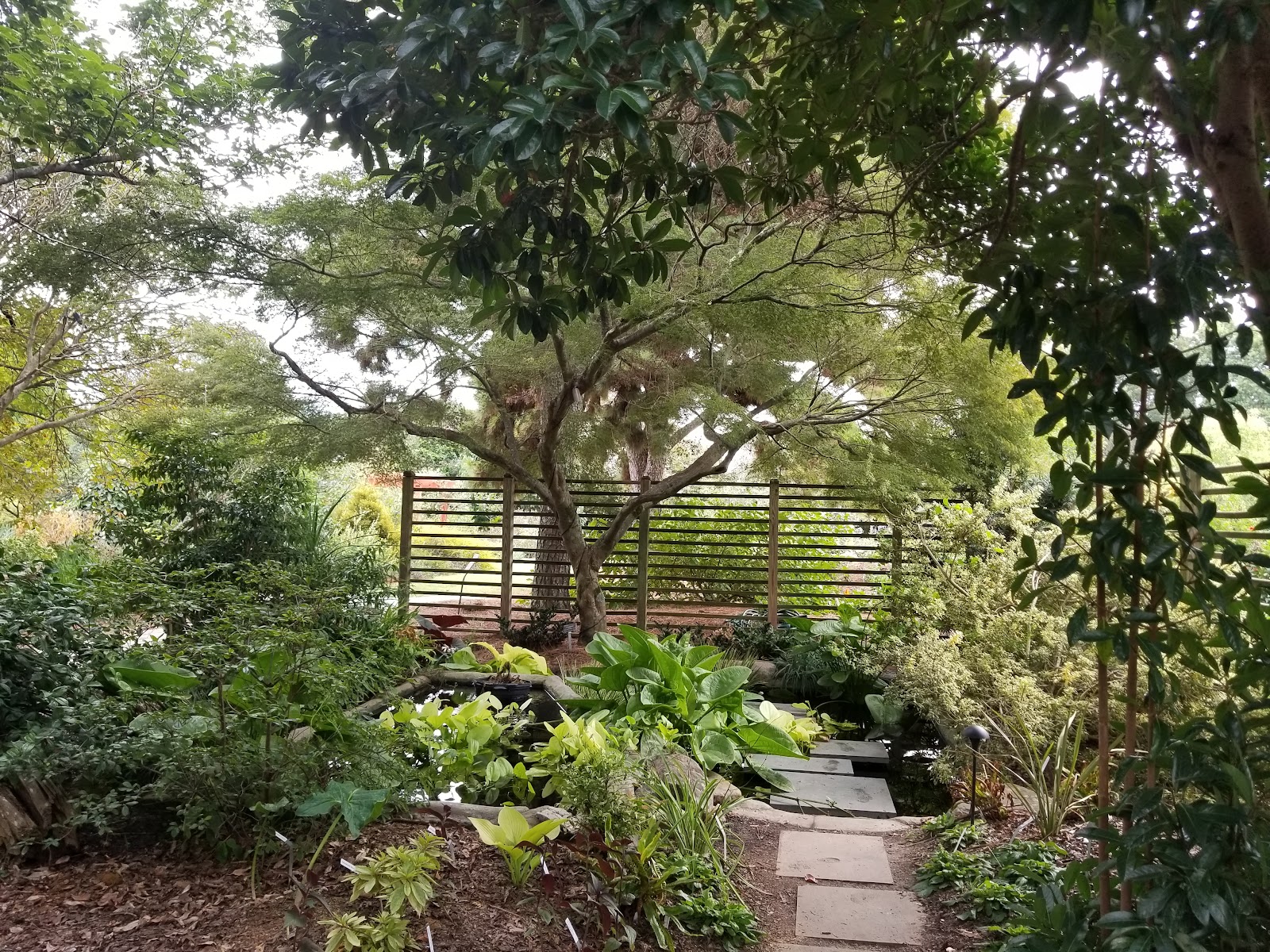
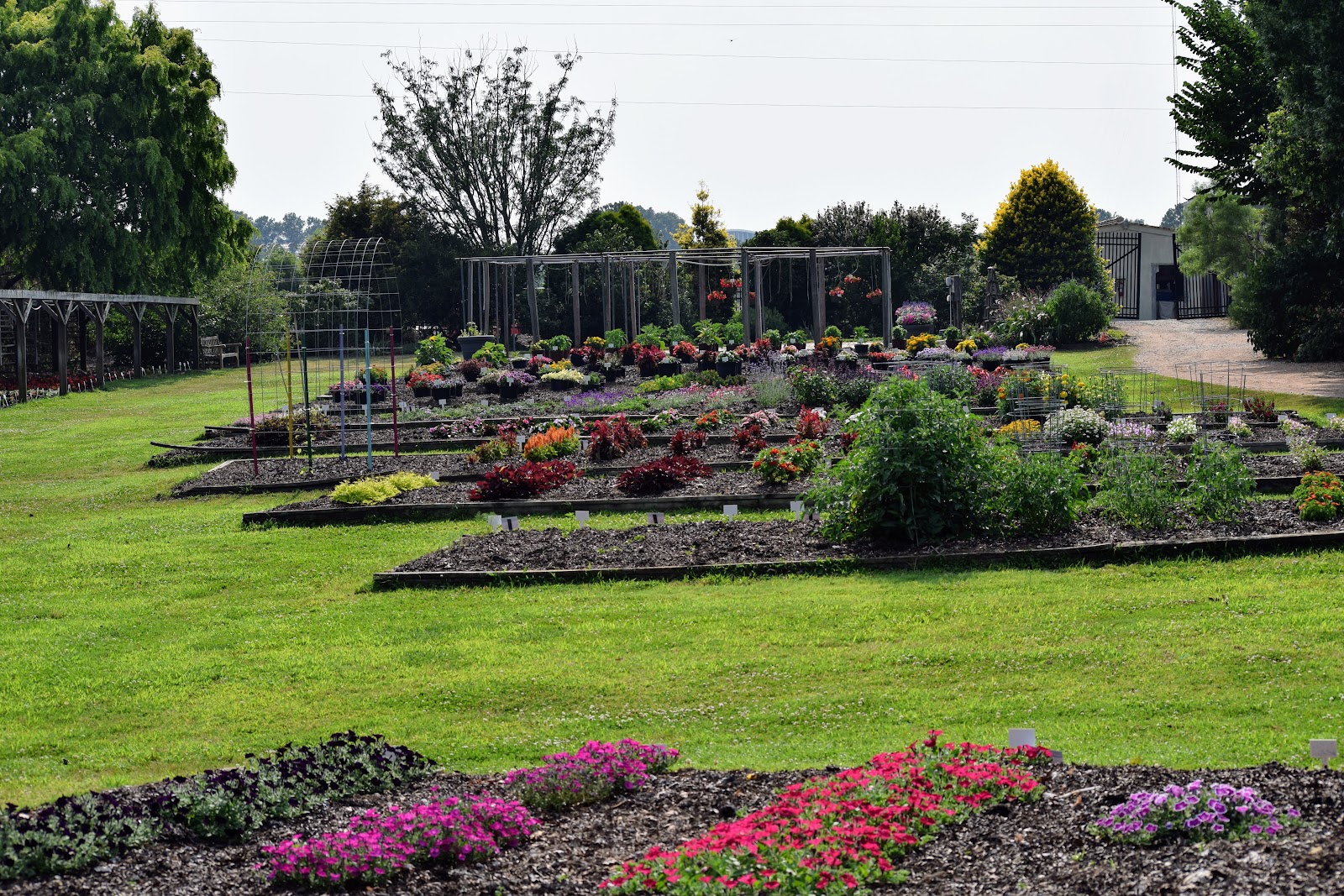
The JC Raulston Arboretum occupies ground in Raleigh, North Carolina, a teaching arboretum organised as a sequence of distinct garden areas — each with its own planting character, from formal borders to woodland edge to collections of specific genera.
Photographically that layout is genuinely valuable, because a garden divided into rooms gives variety within a short walk in a way an open lawn cannot: different backgrounds, different scales of planting, different light conditions, all reachable in a couple of minutes. It is one of the better garden-venue structures there is.
The problem is what it does not have, and it is worth naming plainly: a building. A teaching garden is not built around an event space, which means there is no reliable indoor fallback, no covered ceremony option and nowhere for forty guests to go when a North Carolina summer afternoon does what it usually does. There are four ways to work with that and they are all worth knowing in advance. We have not photographed a wedding at the arboretum; garden rooms and mixed planting behave the same wherever they are. What structures exist, what shelter is available and whether the garden is closed to visitors are questions for their team — and shelter is the first.
The JC Raulston Arboretum at a glance
| Where | Raleigh, North Carolina |
| Character | A teaching arboretum laid out as a sequence of distinct garden rooms |
| The gift | Real variety of background and planting within a short walk |
| The problem | No building, so no dependable shelter from sun or storms |
| Ask first | What covered structures exist, and how far apart they are |
Why no shelter is a bigger problem in this climate
Two conditions make the absence of a roof matter here more than it would further north. North Carolina summer afternoons produce convective thunderstorms with real regularity — they build quickly, rain hard, and clear, which means the risk is not a wet day but a sudden twenty minutes. And summer humidity combined with high sun makes standing on open ground at one in the afternoon genuinely uncomfortable, which shows in a gallery whether anyone mentions it or not.
Neither is a reason to avoid the venue, but both are reasons to establish exactly what cover exists before the day rather than discovering it. A shower that passes in fifteen minutes is trivial if there is a pergola, a shade structure or a covered entrance thirty seconds away, and it is a serious problem if the nearest cover is a five-minute walk with guests in formal clothes.
For the photographer the equipment consideration is straightforward: bring rain protection that works in a downpour rather than a drizzle, and accept that in this humidity a lens carried from an air-conditioned car into garden air will fog for ten to twenty minutes. Acclimatise the body you intend to use before you need it.
The four approaches below are all about building a day that does not depend on cover existing.
Ways one and two: use the garden rooms, and use the edges
The first approach exploits the layout. Because the arboretum is divided into areas with different planting heights and densities, there is almost always somewhere with usable light — a pergola-covered walk, a dense shrub border casting real shade, a woodland-edge section, a wall or hedge tall enough to throw a shadow. The skill is knowing which of those is working at the hour you need it, and that comes from a site visit at roughly the ceremony time rather than from a map.
The second approach is the most useful piece of garden craft there is, and it applies everywhere: work the canopy edge rather than under it or in the open. At the margin of a tree stand or a tall border, light arrives sideways from the open sky rather than filtering down through leaves — which makes it directional, much brighter than under canopy, and far less green because it has not passed through foliage. Standing a couple just inside that edge facing out towards the bright garden gives a large soft key with a dark surround behind.
That combination — soft directional key, dark background — is the same thing a porch or loggia provides at a built venue, and in a garden without buildings it is the substitute. It is available all day regardless of the sun’s position, which is exactly what a venue with no shelter needs.
The trap to avoid is the prettiest spot. In a garden, the most attractive-looking position is usually the one with sun flecking through the canopy, and dappled light is the least manageable natural condition there is — several stops across a face, random, and moving with the breeze. It cannot be corrected and the only remedy is to move. Look for continuity, not for beauty.
- Site-visit at the ceremony hour; a map will not tell you which room works
- Work the canopy edge facing out — the substitute for a porch
- Look for continuous shade, not for the prettiest dappled spot
- Use tall planting as foreground, close to the lens, for depth
- Bring real strobe power if midday portraits are unavoidable
Ways three and four: bring the light, or move the time
The third approach is to carry the shade or the light. A large diffusion panel held over a couple converts direct sun into a soft overhead source and works beautifully for two people — but it needs an assistant, it is unusable in any wind, and it cannot cover a ceremony party. The more practical version is real fill flash: enough strobe power to lift faces against a sunlit garden, with high-speed sync or a neutral density filter to hold the aperture. That is the only way to make a midday open-ground portrait work properly, and a speedlight will not do it.
The fourth is free and the most effective of all: move the time. A ceremony ninety minutes before sunset sits in warm low raking light with faces lit from the side, mountains of contrast problems simply absent, and nothing to correct. In a garden with no shelter, timing is not a preference but the main tool available, and it is a conversation to have before invitations go out rather than after.
The last ninety minutes are also when the planting comes alive, which is the other half of the argument. Low sun arriving under the canopy horizontally turns leaves and petals translucent and rims every figure — the single most reliable beautiful frame on any planted site, and unavailable at any other hour.
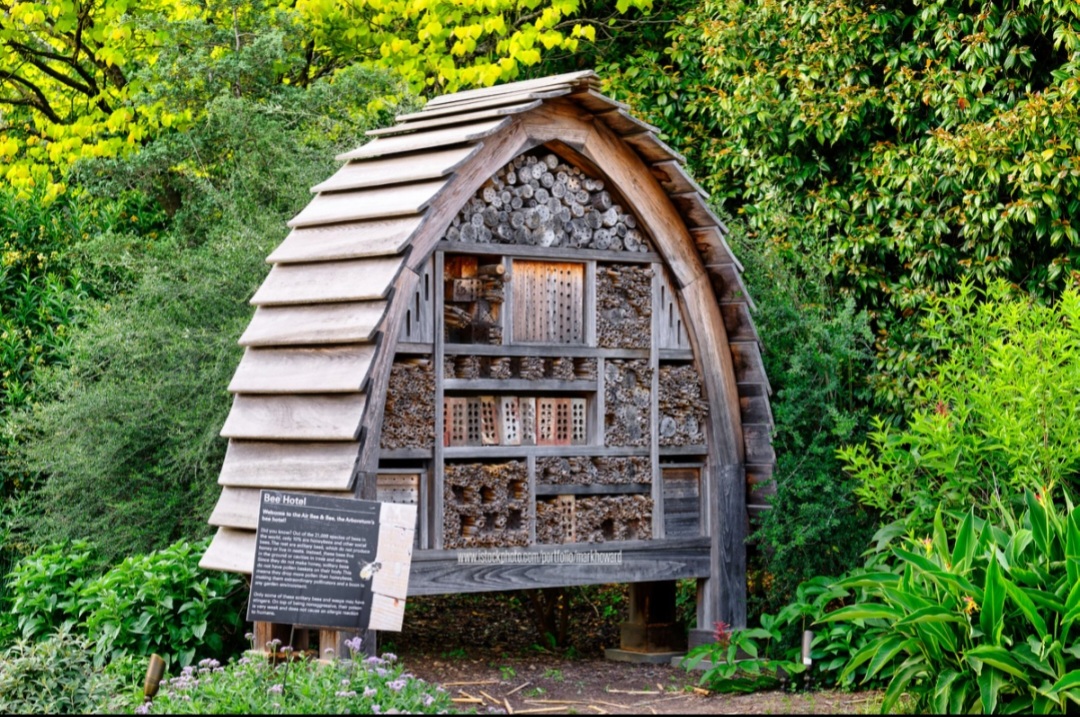
One further use of a teaching garden’s structure: because the planting is collected rather than purely ornamental, there are usually specimens with genuinely distinctive form — architectural foliage, unusual bark, strong seasonal colour. Those work as foreground rather than background. Something half a metre from the lens with a couple two metres beyond gives depth and softness with no equipment, and in a garden divided into rooms there is always something suitable within reach.
Finally, respect the collection. A teaching arboretum’s planting is its purpose: keep to paths, do not direct anyone into beds, and confirm in advance which areas are open for events. It costs nothing and it is the difference between being welcome back and not.
What works in your favour
- A sequence of garden rooms giving real variety within a short walk
- Canopy edges providing a porch-equivalent soft key all day
- Distinctive collected specimens that work as close foreground
- Strong seasonal change, so the same venue reads differently by month
- Excellent backlit planting in the last ninety minutes
What to plan around
- No building, so no dependable shelter from storms or sun
- North Carolina summer thunderstorms build and clear fast
- High humidity fogs lenses moving from air conditioning to outdoors
- Dappled light wherever the canopy breaks, correctable only by moving
- Midday portraits need real strobe power, not a speedlight
More frames from The JC Raulston Arboretum
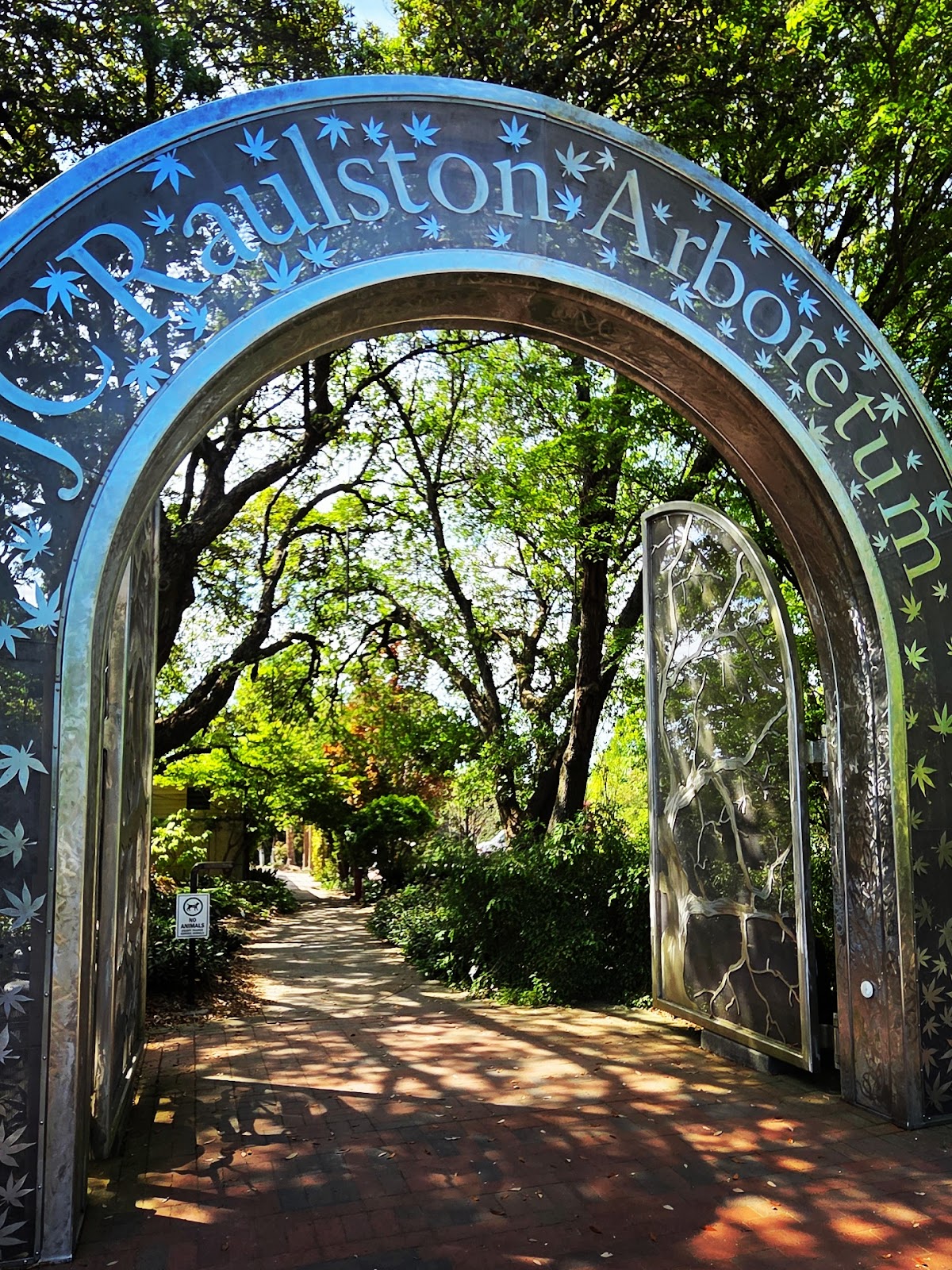
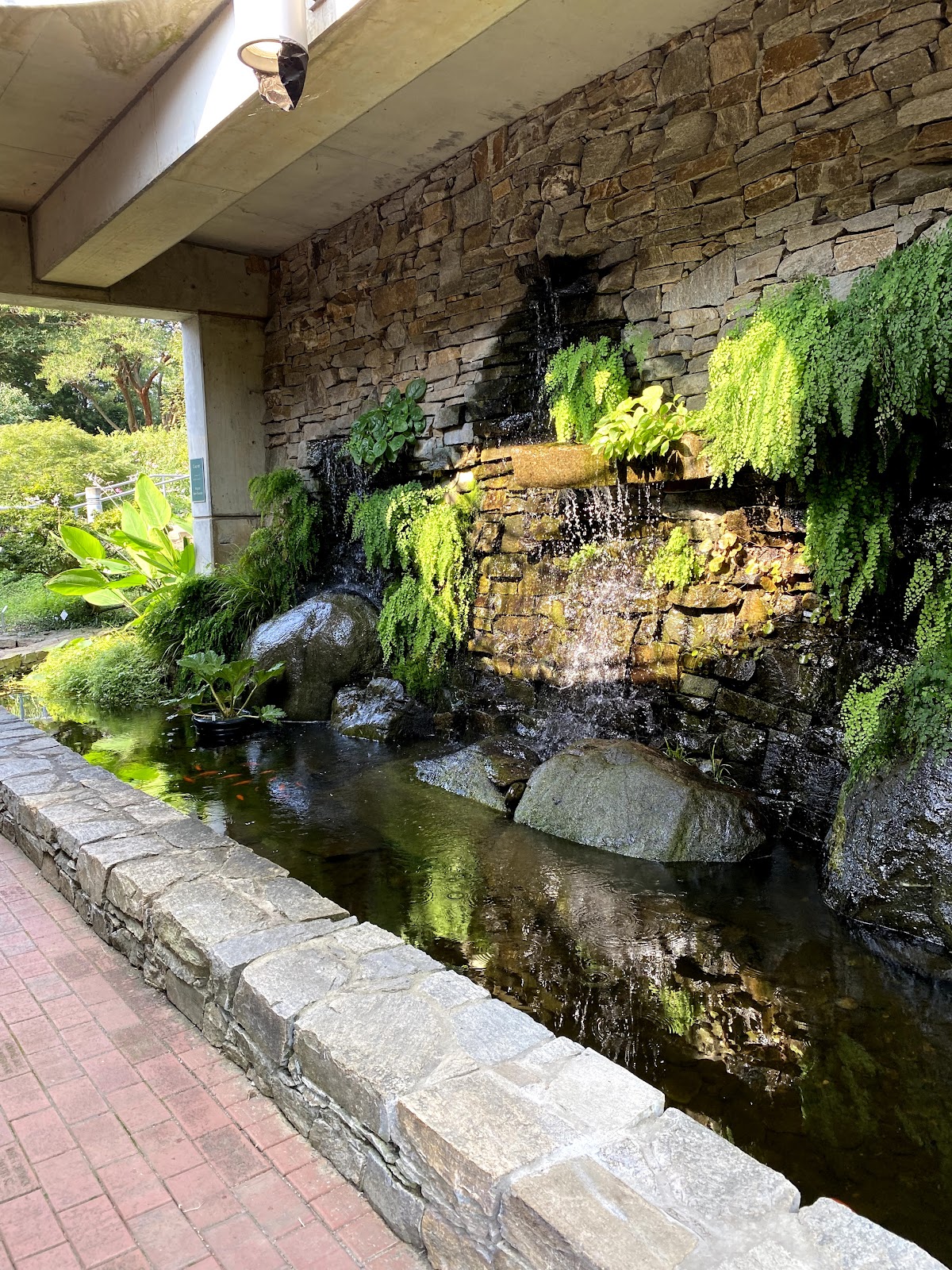
The JC Raulston Arboretum wedding photography: common questions
What is the main risk at a garden with no building?
Summer afternoon thunderstorms, which in North Carolina build fast, rain hard and clear. The risk is a sudden twenty minutes rather than a wet day — so what matters is how far the nearest cover is, not whether the forecast looks good.
What is the best light in a garden with no porch?
The canopy edge. At the margin of a tree stand or tall border, light arrives sideways from open sky rather than filtering through leaves, so it is directional, brighter and far less green. Standing just inside it facing out gives a soft key with a dark surround.
Why avoid the prettiest spot?
Because in a garden the most attractive position usually has sun flecking through the canopy, and dappled light is the least manageable condition there is — several stops across a face, random, and moving with the breeze. Look for continuity instead.
What is the single most effective fix?
Moving the time. A ceremony ninety minutes before sunset sits in warm low raking light with faces lit from the side and nothing to correct. In a garden with no shelter, timing is the main tool available and it costs nothing.
Do you need flash here?
Only if midday portraits are unavoidable, and then real strobe power rather than a speedlight, plus high-speed sync or an ND filter. A diffusion panel works for two people but needs an assistant and is unusable in wind.
How should the collection be treated?
As the point of the place. Keep to paths, never direct anyone into a bed, and confirm which areas are open for events. It costs nothing and it decides whether you are welcome back.
More North Carolina venue guides
We are writing a photographer’s guide to every venue we would happily shoot in North Carolina. Here are three more, plus the full index:
- The Longleaf Hotel: Photographing a Mid-Century Building Reworked
- Marbles Kids Museum: Four Ways Out of the Bright-Colour Problem
- The Merrimon-Wynne House: Reading an 1876 House Through the Day
Planning a wedding at The JC Raulston Arboretum?
No roof makes timing the main tool rather than a preference. Tell us your date and we will count back from sunset.