 The Venue, Asheville: A Season-by-Season Guide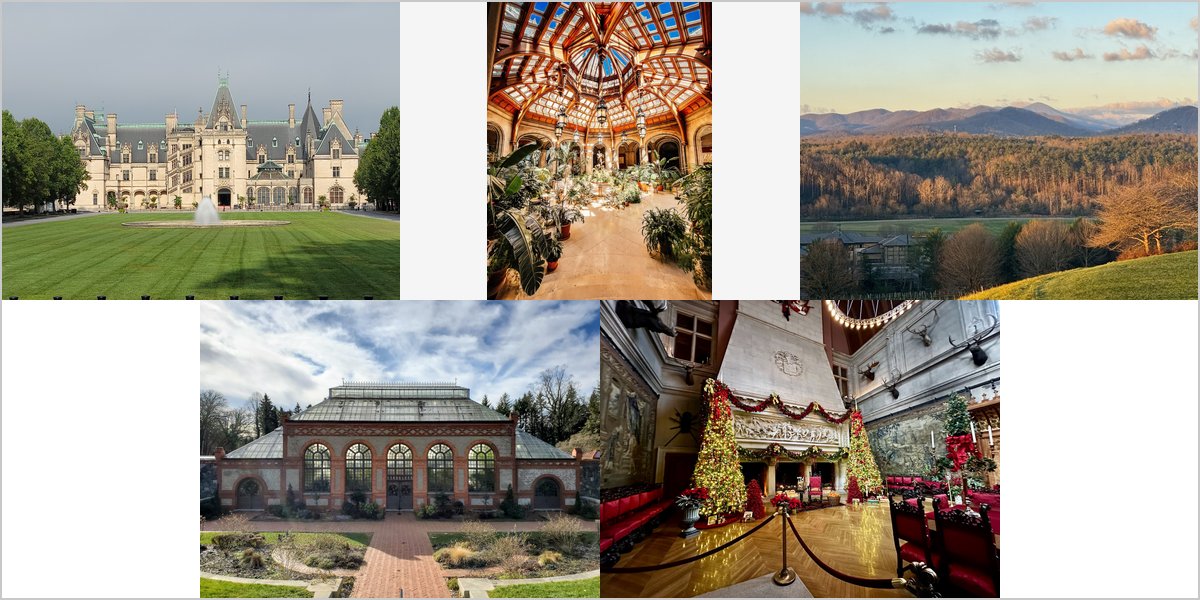
April 20, 2026
Biltmore Estate: Reading the Light on 8,000 Acres
The mountains are the whole story. They take your light an hour before the almanac says, and they make every distance longer than it looks.
Biltmore was completed in 1895 for George Vanderbilt, designed by Richard Morris Hunt in the French Renaissance chateau manner, with grounds laid out by Frederick Law Olmsted. It remains the largest privately owned house in the United States, and the estate covers roughly 8,000 acres of the Blue Ridge Mountains outside Asheville.
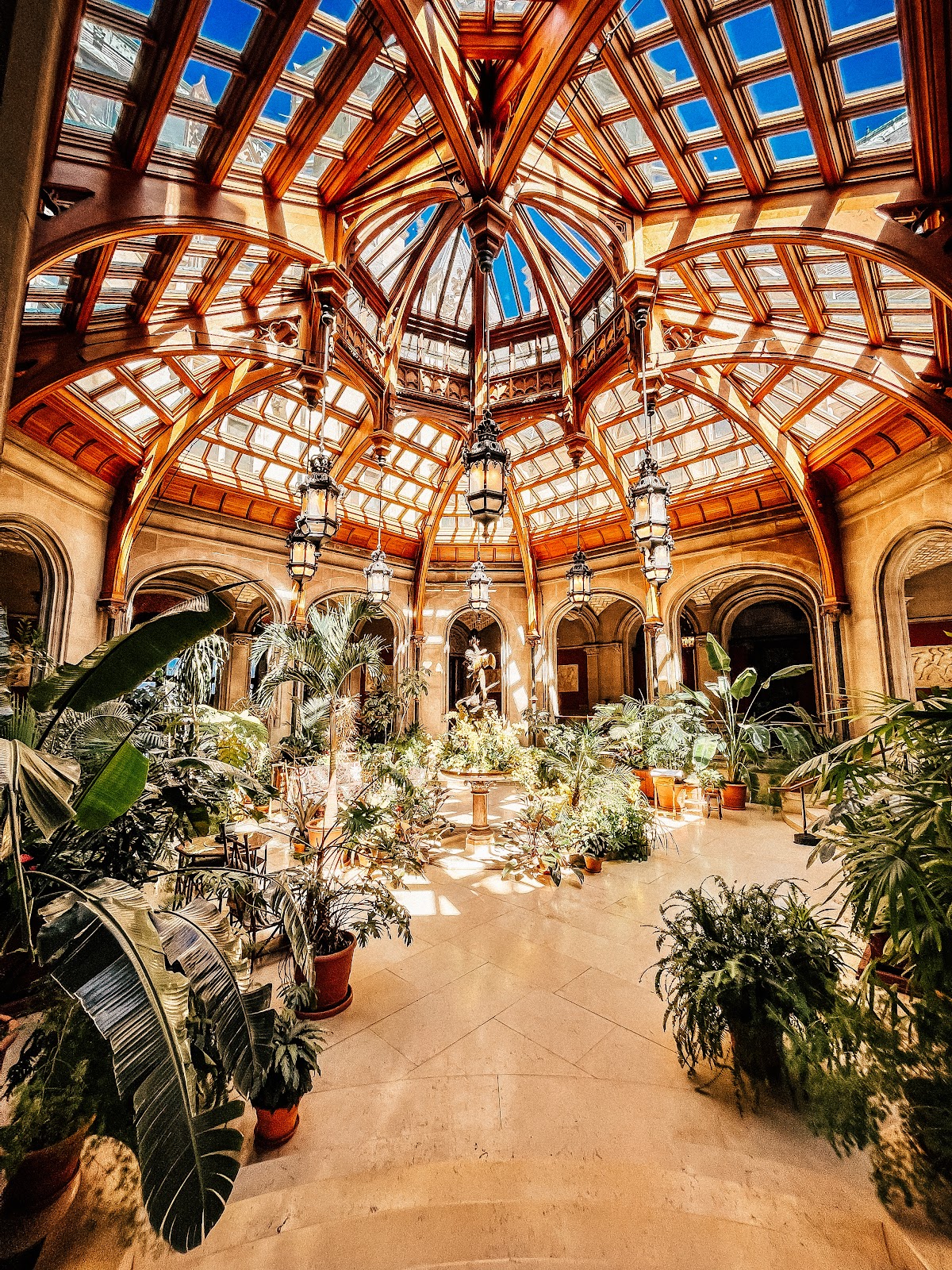
Photographically, two facts dominate and neither is about the house. The first is the mountains: Biltmore sits in a valley ringed by ridgelines, and ridgelines cut off direct sunlight well before the sun reaches the horizon. Usable light disappears an hour or more before the published sunset, and a timeline built on almanac times will run out of light mid-portrait.
The second is scale. Eight thousand acres and a 250-room house mean distances that are genuinely large, and a wedding party moving between the house, the gardens, the conservatory and a terrace is moving a long way. We have not photographed a wedding at Biltmore; the geography and Olmsted’s planting are matters of record, while access, which spaces are included and the estate’s photography rules are entirely for their events team — and at a house museum of this significance those rules will be firm.
Biltmore Estate at a glance
| Where | Asheville, North Carolina — roughly 8,000 acres in the Blue Ridge |
| Completed | 1895, Richard Morris Hunt; grounds by Frederick Law Olmsted |
| Scale | The largest privately owned house in the United States, 250 rooms |
| Light | Mountain ridgelines cut direct sun an hour or more before almanac sunset |
| Assume | Firm house-museum rules on interior photography, flash and access |
How mountains change the light
A ridgeline to the west acts as a false horizon. The sun sets behind it while it is still well above the true horizon, which means direct light on the estate ends early — often an hour or more before the sunset time in any app. What follows is not darkness but a long period of soft, flat, cool ambient light while the sky is still bright overhead.
That has two consequences. First, golden hour effectively happens earlier and is shorter than you would plan for. If the almanac says sunset at eight, the last direct sun on a west-facing terrace may be at seven, and the warm raking light you wanted is in the hour before that.
Second, the post-sunset ambient period is long and useful. Because the sky stays bright after the ridge has taken the sun, you get an extended stretch of even, soft light that is excellent for group photographs and for anything where you do not need drama. Mountain venues give you less golden hour and more good flat light than flatland venues do, and a timeline that knows this works well.
Valley fog, and why mornings are worth considering
Cool clear nights in a mountain valley produce morning fog, and it is the most photogenic condition the estate can offer. Fog separates a landscape into receding layers, softens the chateau’s silhouette, and turns 8,000 acres of managed parkland into something atmospheric rather than merely grand.
It cannot be planned for, but it can be prepared for. It is most likely after a cool clear night in spring and autumn, and it usually burns off within a couple of hours of sunrise. That means a morning ceremony or an early first look is the only way to be positioned for it — by eleven o’clock the chance has gone.
Even without fog, mountain mornings have a quality worth having: the air is clearest, the light is low from the east, and the estate is quiet before day visitors arrive. For a venue this heavily visited, that last point is not a small consideration.
The house, the gardens and the conservatory
Assume the interiors are the most restricted part of the property. A house museum with a collection of this significance will limit where photography is permitted, prohibit flash in most spaces, and control access tightly. Plan for that rather than hoping, and build the portrait plan around the exterior and the grounds.
The gardens are Olmsted’s, which means they are designed as a sequence of contrasting spaces rather than a single formal layout — walled garden, shrub garden, azalea garden, managed woodland. That variety is a genuine asset: several visually distinct locations within walking distance, each with mature planting and high open shade.
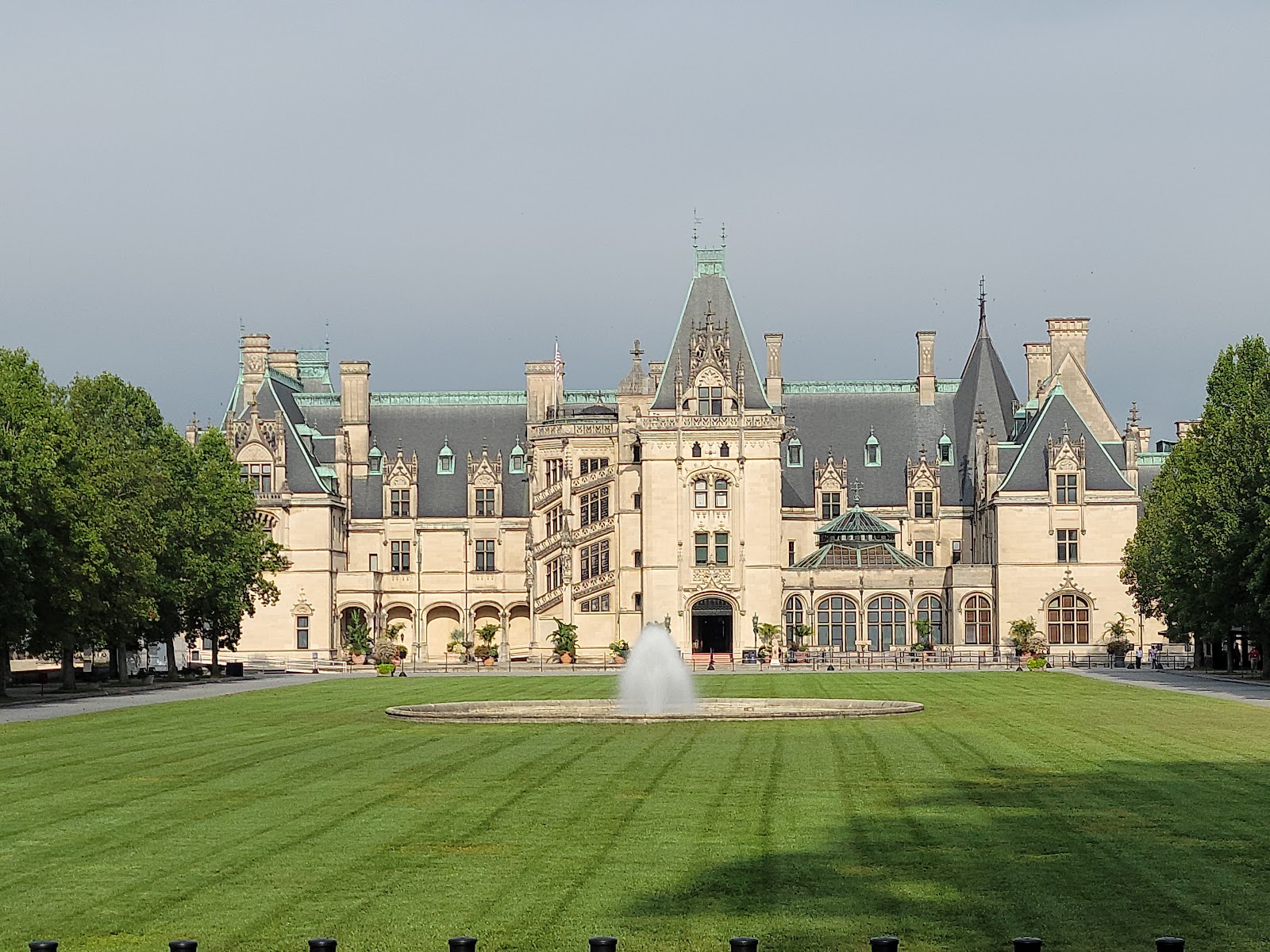
A conservatory, if included, is the best light on the property. Glass on the sides as well as overhead means lateral daylight, which fills eye sockets rather than shadowing them, and it is entirely weather-independent. In a mountain climate with unpredictable afternoons, a glazed space is worth a great deal. Ask specifically whether it is available.
The timeline, and the distances
Working backwards from when the ridge takes the light rather than from the almanac.
- Find out when direct sun actually leaves your locations. Not sunset — the ridgeline time. This is the single most valuable piece of planning for any Blue Ridge venue.
- Put the couple’s portraits in the hour before that. Warm raking light on a chateau facade is the frame worth protecting above everything else.
- Use the long post-ridge ambient for groups. Soft, even and flattering, and it lasts much longer than a flatland twilight.
- Budget the distances honestly. A move between the house, a garden and the conservatory is not a five-minute walk. Ask about transport, and pick three locations rather than eight.
- Consider a morning slot. Fog, clean air, low eastern light and fewer visitors. For a heavily visited estate, the morning is a genuinely different venue.
What works in your favour
- The largest private house in America — an establishing frame of real grandeur
- Olmsted gardens give several visually distinct locations with mature planting and open shade
- A long post-ridge ambient period gives extended soft light ideal for groups
- Valley fog, when it comes, is the most photogenic condition available
- A conservatory, if included, offers lateral daylight that is fully weather-independent
What to plan around
- Ridgelines cut direct light an hour or more before almanac sunset — golden hour is early and short
- Distances are genuinely large; location changes eat the timeline
- Assume strict house-museum limits on interior photography and flash
- Heavily visited, so day visitors appear in frames outside private-access hours
- Mountain weather is changeable, which makes a covered or glazed fallback important
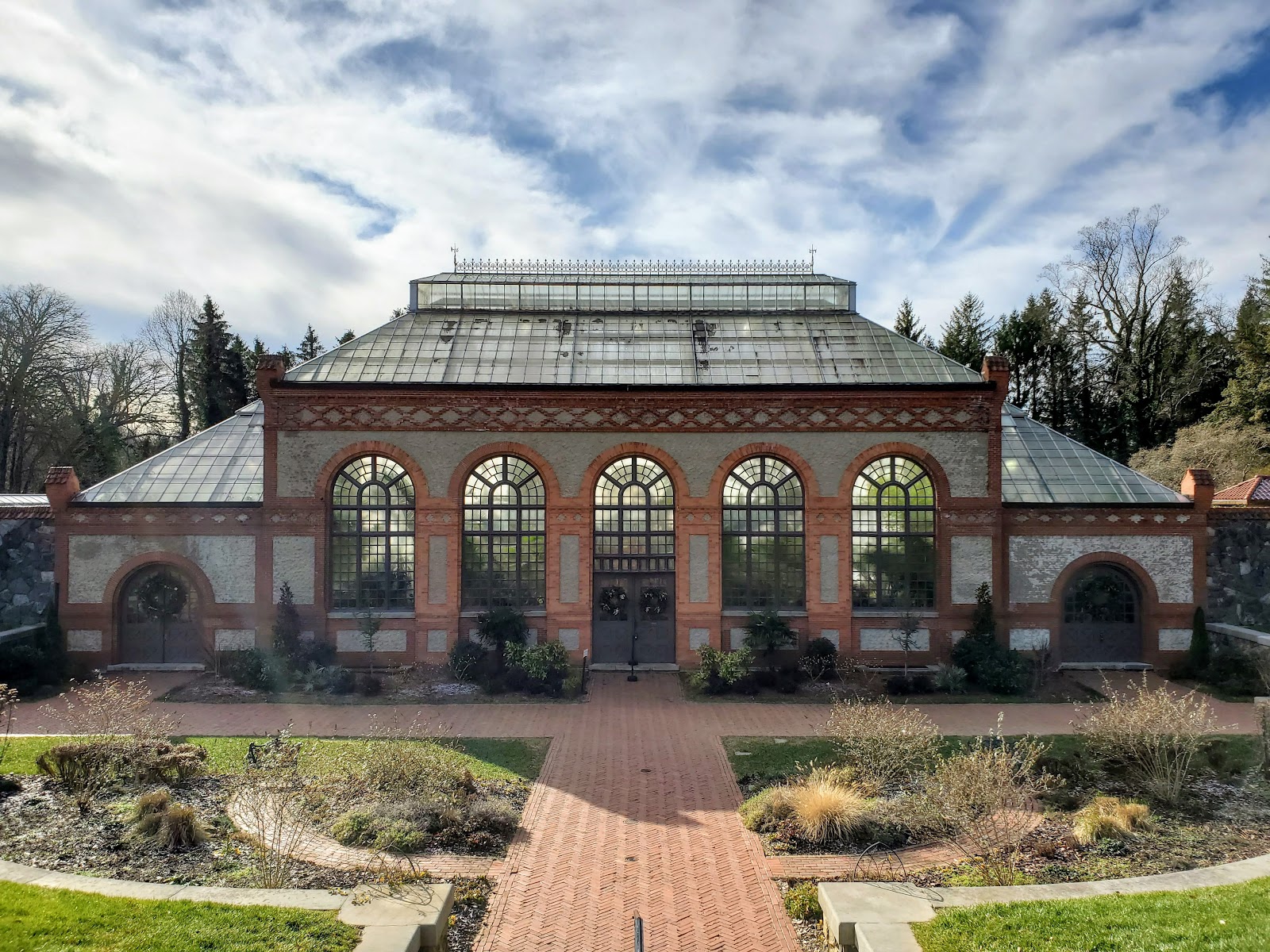
More frames from Biltmore Estate
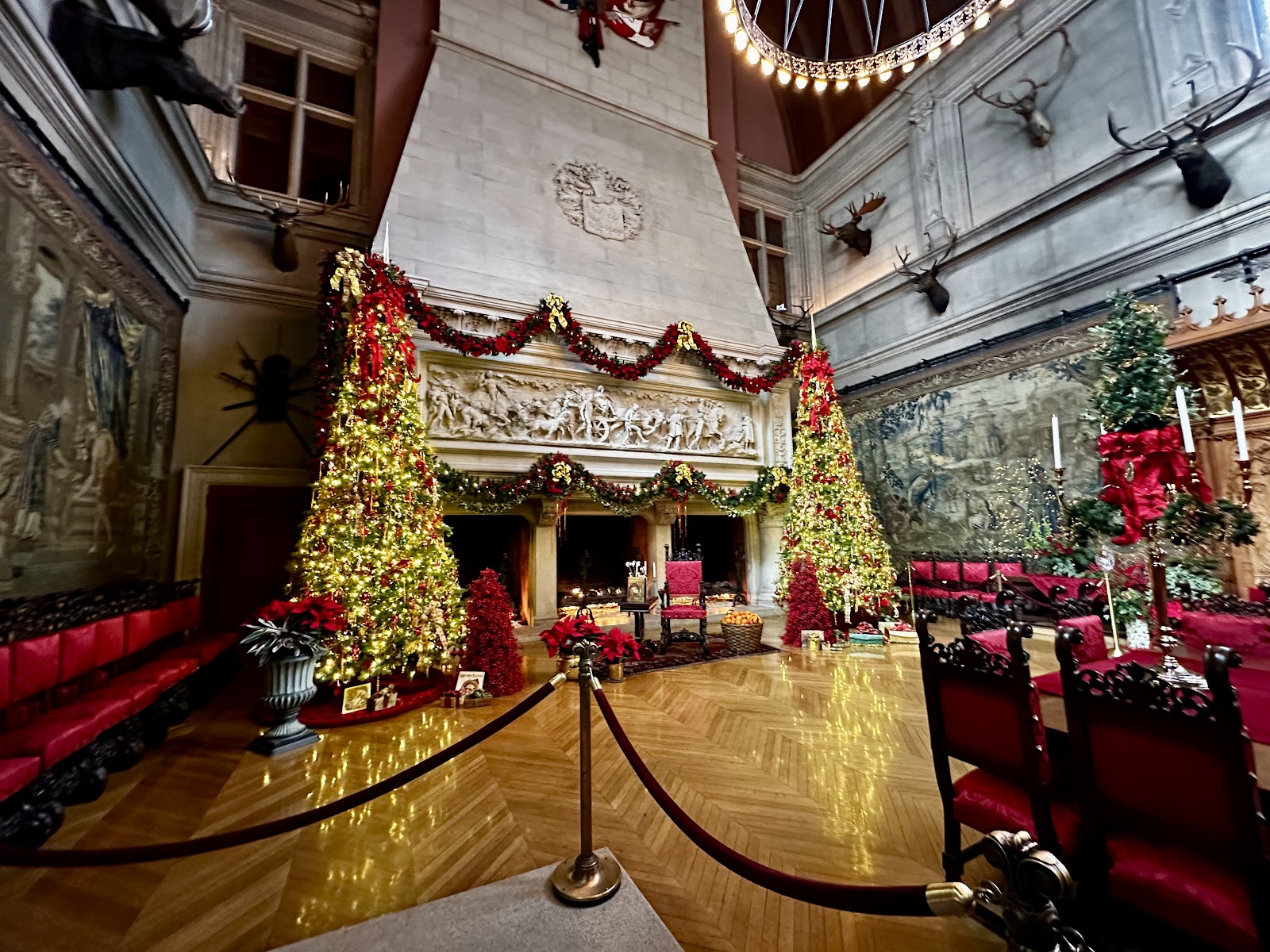
Biltmore Estate wedding photography: common questions
When does the light actually run out at Biltmore?
Earlier than any app will tell you. Ridgelines to the west act as a false horizon, so direct sun leaves the estate an hour or more before the published sunset. Finding out the ridgeline time for your specific locations is the single most valuable piece of planning for any Blue Ridge venue.
Is that a disadvantage?
Partly, and partly not. You get less golden hour than a flatland venue, but you get a much longer period of soft even ambient light afterwards, because the sky stays bright after the ridge has taken the sun. That extended flat light is excellent for group photographs, so a timeline that knows about it works well.
Why consider a morning wedding?
Fog. Cool clear nights in a mountain valley produce morning fog, which separates the landscape into receding layers and is the most photogenic condition the estate offers. It burns off within a couple of hours of sunrise, so only a morning slot can catch it — and mornings are also quieter and clearer.
Can we photograph inside the house?
Assume significant restrictions. A house museum with a collection of this importance will limit where photography is permitted, prohibit flash in most spaces and control access tightly. Build the portrait plan around the exterior and the grounds, and treat any interior access as a bonus.
How much should we allow for moving between locations?
More than you think. Eight thousand acres and a 250-room house mean a move between the house, a garden and the conservatory is not a five-minute walk. Ask about transport, and choose three locations done properly rather than eight rushed — which is how estate timelines usually collapse.
More Asheville venue guides
We are writing a photographer’s guide to every venue we would happily shoot in Asheville. Here are three more, plus the full index:
- The Botanical Gardens at Asheville: A Photographer Answers Your Questions
- Claxton Farm: A Season-by-Season Photography Guide
- Highland Brewing Company: Field Notes on a Brewery Venue
All Asheville Wedding Venues →
Planning a wedding at Biltmore Estate?
One piece of homework transforms a Biltmore timeline: when does direct light actually leave your locations? Tell us your date and we will work out the ridgeline time and build the day around it.