 The Audubon Aquarium: Field Notes on Photographing Through Glass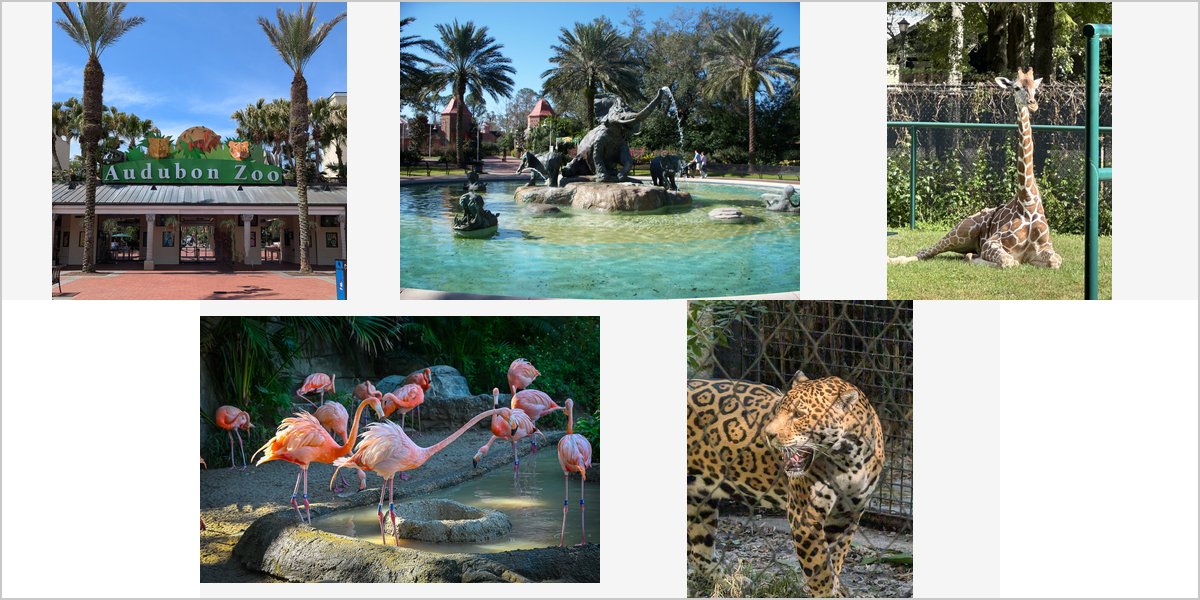
June 7, 2026
The Audubon Zoo: A Season-by-Season Photography Guide
Mature live oaks in Audubon Park, on the Gulf Coast. The trees are the asset all year; the season decides whether you can stand under them comfortably.
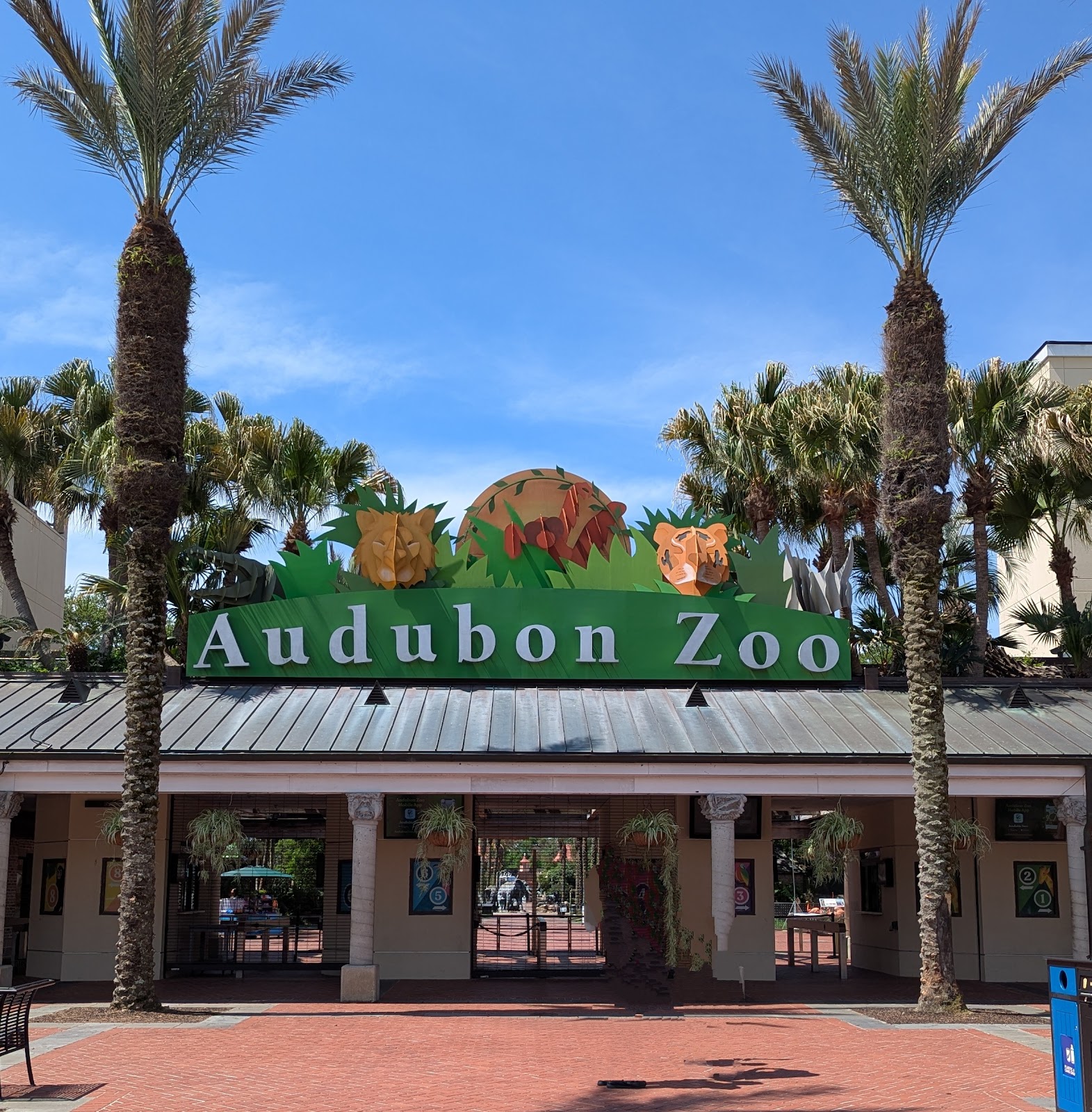
The Audubon Zoo occupies part of Audubon Park in Uptown New Orleans, with grounds laid out among mature live oaks — some of the oldest and largest trees in the city — and a sea lion pool dating from the 1920s at its centre.
Photographically the live oaks are the venue’s real asset and they are an unusual one. A mature live oak has a wide, low, spreading crown that produces high open shade across a large area, and in New Orleans that shade is not a nicety but the difference between usable and unusable light for much of the year. Add Spanish moss, which is translucent and glows when backlit, and you have the defining photographic character of the Gulf South.
Because the Gulf Coast climate varies enormously across the year while the trees do not, this guide is organised by season. We have not photographed a wedding at the Audubon Zoo; live oak canopy light and Gulf humidity behave predictably. Access times, whether the public is present and which areas are available are for their events team.
Audubon Zoo at a glance
| Where | Audubon Park, Uptown New Orleans, Louisiana |
| Character | Grounds among mature live oaks, with a 1920s sea lion pool |
| The asset | Live oak canopy giving high open shade across large areas |
| Seasonal driver | Gulf Coast heat and humidity; live oaks are evergreen year-round |
| Ask first | After-hours access, and which areas are included |
Spring: the best season, comfortably
March through May is New Orleans at its most workable. Temperatures are pleasant, the humidity has not yet become oppressive, and the city’s flowering — azaleas, jasmine, magnolias — is at its peak. Outdoor time is genuinely comfortable in formalwear, which for a Gulf Coast venue is the single most important variable.
The live oaks are in their fresh growth and the light under them is at its best: high open shade, soft and even, with enough brightness that you are not pushing ISO. Backlit Spanish moss at the low-sun hours glows because the moss is translucent, and spring air is clear enough that the effect reads cleanly.
The caution is that spring is also when the zoo is busiest with families and school groups. If access is during public hours, that matters; if it is after closing, it does not.
Summer: heat, humidity and a very short window
June through September is genuinely difficult and it needs to be planned rather than endured. New Orleans summer heat combined with humidity above eighty per cent makes standing outdoors in formalwear punishing, and it shows in faces within ten minutes — flushed skin, damp hair, visible discomfort.
The usable window narrows to early morning and the last hour before sunset. Under the live oaks it extends somewhat, because deep canopy shade is markedly cooler than open ground, and that is the practical reason the trees matter so much here.
Afternoon thunderstorms are routine and often heavy, arriving with little warning and usually clearing. That means a real covered plan is essential, and it means the storms themselves are worth using — wet live oaks and saturated Spanish moss photograph beautifully, and the light after a storm clears is soft and even.
The equipment problem is severe. A lens carried from air conditioning into Gulf summer air fogs completely and takes fifteen to twenty minutes to clear. Acclimatise before you need it, and dedicate one body per environment if you are moving in and out.
Autumn: the second-best season and the most reliable
October and November are excellent and under-appreciated. The humidity breaks properly for the first time since spring, temperatures become comfortable, hurricane season winds down, and the light is lower through the whole afternoon — which widens the good window from one hour to two or three.
New Orleans does not get dramatic autumn colour; live oaks are evergreen and much of the planting stays green. What you get instead is warmth in the light rather than in the foliage, which suits a city of stucco, brick and ironwork very well.
It is also quieter than spring and the air is clearer than at any other time of year, which makes backlit Spanish moss read at its best. If asked to pick one month for photographs in New Orleans, we would say late October or early November.
Winter: mild, quiet and the most underrated
New Orleans winters are mild — cool rather than cold, with comparatively little of the misery a northern winter brings — which makes winter far more viable here than in most cities we write about. Outdoor time is comfortable, the zoo is quiet, and the low sun angle gives good raking light through much of the short day.
The live oaks being evergreen is the decisive fact. Unlike a northern venue where winter means bare branches, Audubon’s oaks keep their canopy and their Spanish moss year-round, so the defining visual character of the place is available in January exactly as it is in June. That is genuinely unusual and it is the strongest argument for an off-season date.
The constraint is day length rather than weather: the sunset arrives in the late afternoon, which means portraits should happen before the ceremony or immediately after. And occasional cold snaps do occur, so a covered fallback is still worth confirming.
For a couple weighing dates, the honest summary is this: spring is best, autumn is nearly as good and quieter, winter is a genuine option that most people dismiss, and summer is the one that needs real planning rather than optimism.
What works in your favour
- Mature live oaks give high open shade across large areas — the difference between usable and unusable light
- Spanish moss is translucent and glows when backlit at the low-sun hours
- Live oaks are evergreen, so the venue looks like itself in January
- A 1920s sea lion pool and Audubon Park give variety beyond the enclosures
- Winter is mild, quiet and genuinely underrated here
What to plan around
- Gulf summer heat and humidity make outdoor time punishing and it shows in faces
- Severe lens fogging moving between air conditioning and outdoors — fifteen to twenty minutes
- Routine summer thunderstorms require a real covered plan
- Public presence during opening hours is unavoidable in wide frames
- Short winter days mean portraits must precede the ceremony
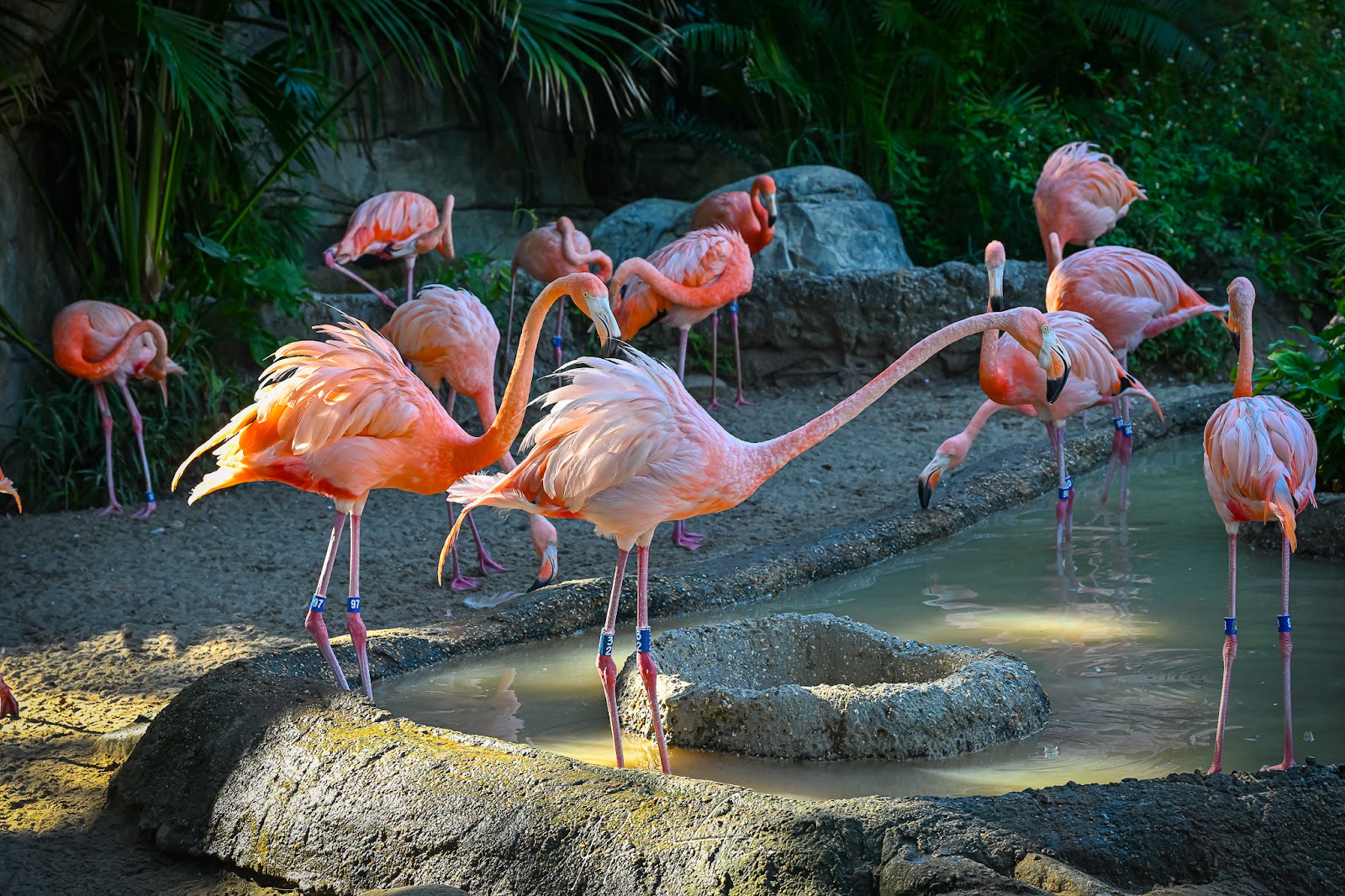
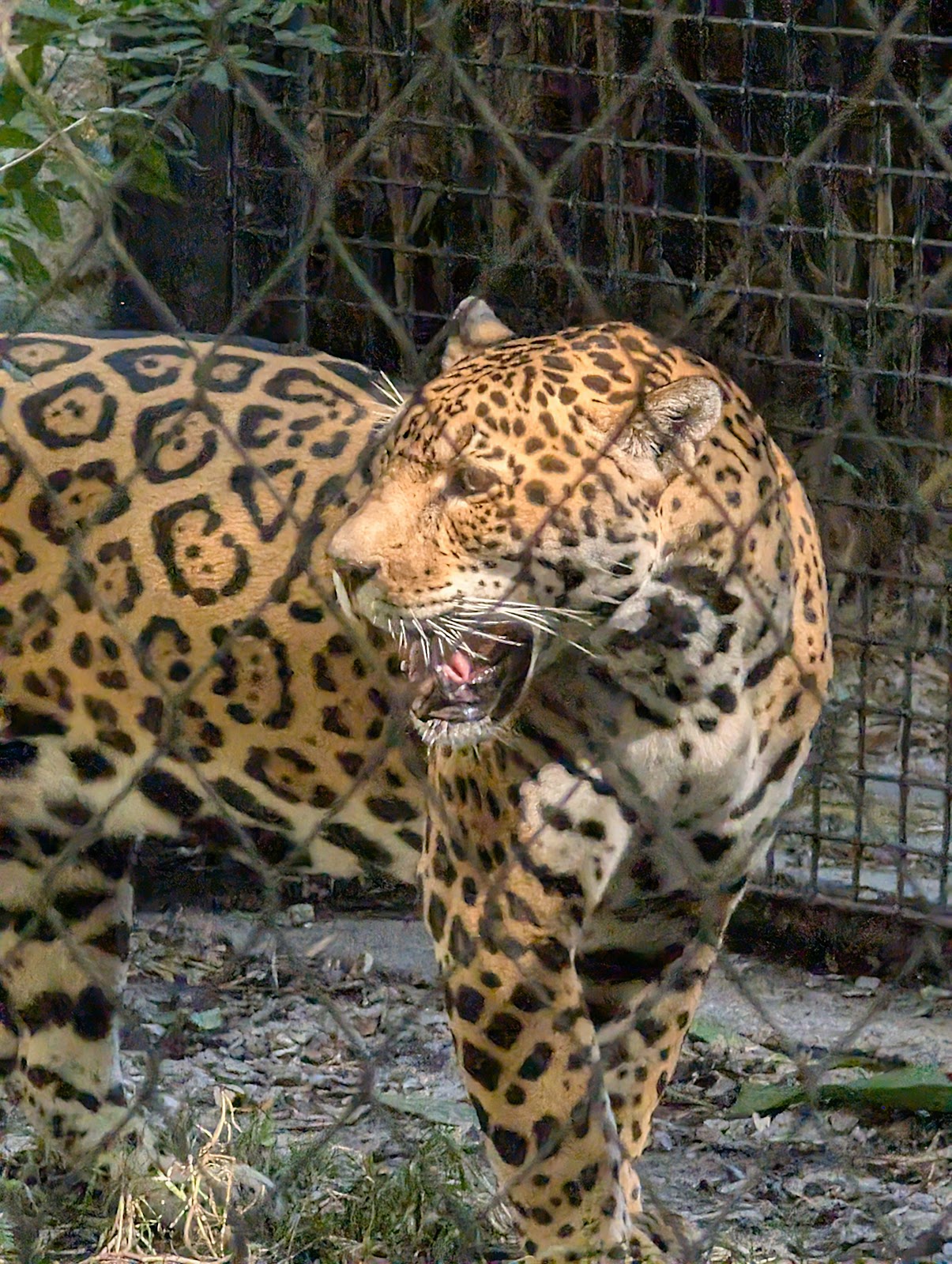
More frames from Audubon Zoo
Audubon Zoo wedding photography: common questions
What is the best season at the Audubon Zoo?
Spring, March to May, for comfort and flowering. Late October and early November are nearly as good and considerably quieter, with clearer air that makes backlit Spanish moss read at its best. Summer needs real planning; winter is a genuine option most couples dismiss.
Why do the live oaks matter so much?
Because a mature live oak has a wide, low, spreading crown that gives high open shade across a large area — and in New Orleans that shade is the difference between usable and unusable light for much of the year. Deep canopy shade is also markedly cooler than open ground, which matters for comfort.
Is a winter wedding viable here?
More than in most cities. Winters are mild, the zoo is quiet, and crucially the live oaks are evergreen and keep their Spanish moss — so the place looks like itself in January, unlike a northern venue where winter means bare branches. The constraint is day length, not weather.
How bad is the summer for photographs?
The heat and humidity show in faces within about ten minutes — flushed skin, damp hair, visible discomfort. The usable window narrows to early morning and the last hour before sunset, extended somewhat under deep canopy. Lens fogging takes fifteen to twenty minutes to clear.
Are the summer thunderstorms a problem?
They need a real covered plan, because they are routine, often heavy and arrive with little warning. They are also worth using: wet live oaks and saturated Spanish moss photograph beautifully, and the light immediately after a storm clears is soft and even.
More New Orleans venue guides
We are writing a photographer’s guide to every venue we would happily shoot in New Orleans. Here are three more, plus the full index:
- The Hermann-Grima House: Who This French Quarter Courtyard Suits
- Longue Vue: Reading the Light Across Eight Acres of Gardens
- The New Orleans Pharmacy Museum: Who This Venue Suits
All New Orleans Wedding Venues →
Planning a wedding at Audubon Zoo?
Live oaks make this venue work in every season; the season decides how long you can stand under them. Tell us your date and we will tell you the realistic outdoor window and the covered plan you need.