 Isleta Resort: How the Lake and Mountain Frame Is Made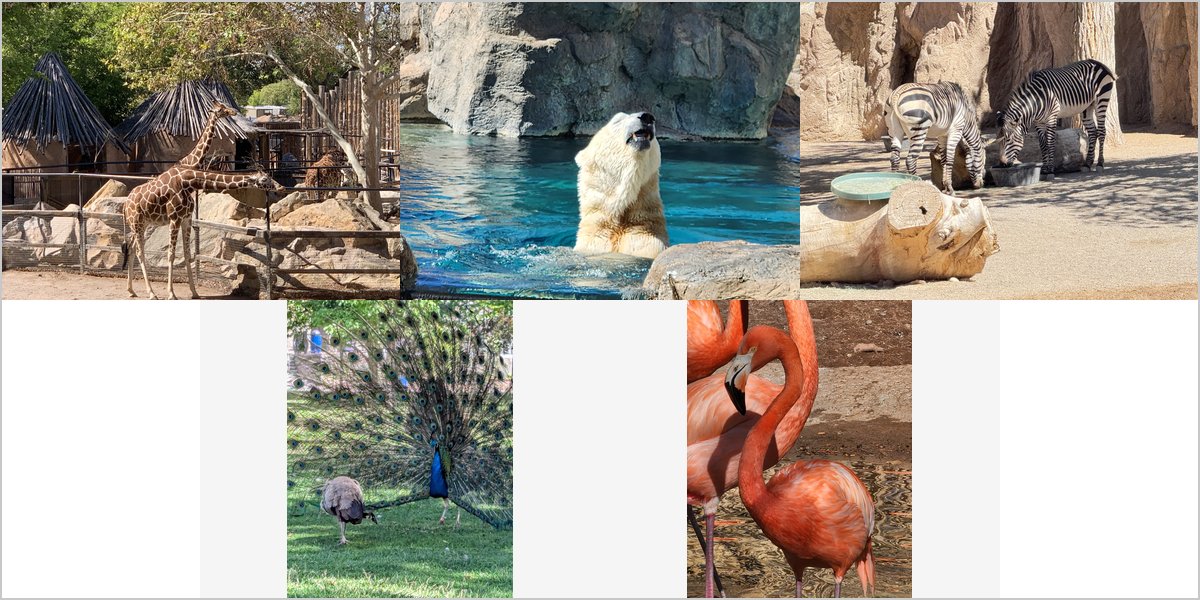
The Rio Grande Zoo: Cottonwood Shade and the Enclosure Problem
Mature cottonwood canopy is the rarest thing in a desert city: real shade. The fencing is what you pay for it.
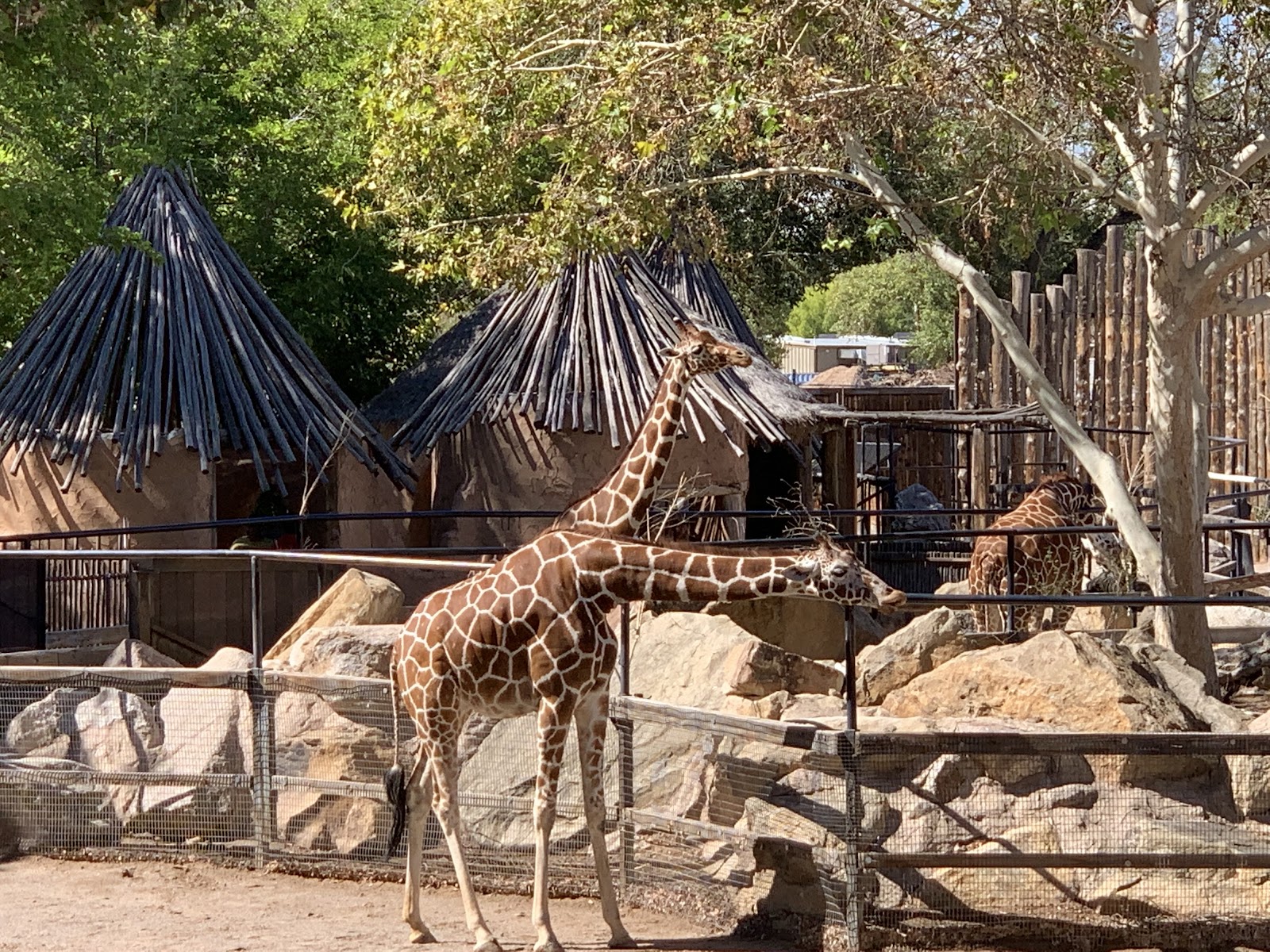
The Rio Grande Zoo occupies ground in the bosque beside the Rio Grande in Albuquerque, New Mexico, among mature cottonwoods, with planted grounds, water and animal enclosures distributed through the site.
In a city at five thousand three hundred feet where the midday sun runs to five stops across a face and most outdoor venues have no shade at all, a site with a mature closed canopy is a genuinely valuable thing — and it is the first reason to consider this venue. Cottonwoods are large, broad-crowned and dense, and a bosque canopy produces continuous shade of a kind that no constructed shade structure matches for scale.
What you pay for it is the thing every zoo carries: enclosures. Mesh, glass, bars, safety railings and service infrastructure are everywhere, they photograph badly, and they are hard to exclude. This is an honest account of that trade and who it suits. We have not photographed a wedding at the Rio Grande Zoo; cottonwood canopy and enclosure fencing behave the same in any zoo. Which areas host events, and whether the grounds are private at your hour, are questions for their events team — and the second matters more than anything else here.
The Rio Grande Zoo at a glance
| Where | The Rio Grande bosque, Albuquerque, New Mexico |
| Character | Zoo among mature cottonwoods, with planted grounds and enclosures |
| The asset | Continuous mature canopy — real shade in a city that has almost none |
| The cost | Mesh, glass, railings and service infrastructure throughout |
| Ask first | Whether the grounds are private during the event |
Why canopy matters more here than in a temperate city
At altitude in dry air, midday sun is not merely unflattering — it is close to unusable for faces, because the ratio between a lit and a shaded side of a face can exceed what a single exposure holds, and the sky is saturated enough to clip to near-black if you expose for skin. Most Albuquerque venues answer that with constructed shade, which is small, or with interiors, which means going inside.
A closed cottonwood canopy answers it with scale. Continuous shade over a large area means a whole ceremony, a whole group photograph and a whole portrait block can happen outdoors in the middle of the day with even light on everyone. That is genuinely rare in this city and it is the strongest argument for the venue.
The caveat is the one every wooded site carries: canopy shade is only good where it is continuous. Where the canopy breaks, you get dappled light — patches several stops apart, moving with the breeze, neither soft nor directional. It cannot be corrected and the only remedy is position. So the working method is to find the closed areas rather than the pretty ones, and stay in them.
Cottonwood also has a colour advantage over conifer. Its leaves are broad and relatively yellow-green rather than blue-green, so the cast it throws on skin is warmer and much more forgiving than the green a pine or fir produces. Still worth a custom white balance under the canopy, but far less of a correction problem.
Who this venue suits
The trade lands well for a specific set of intentions:
- Midday and early-afternoon summer weddings, where continuous shade solves the hardest problem in the city
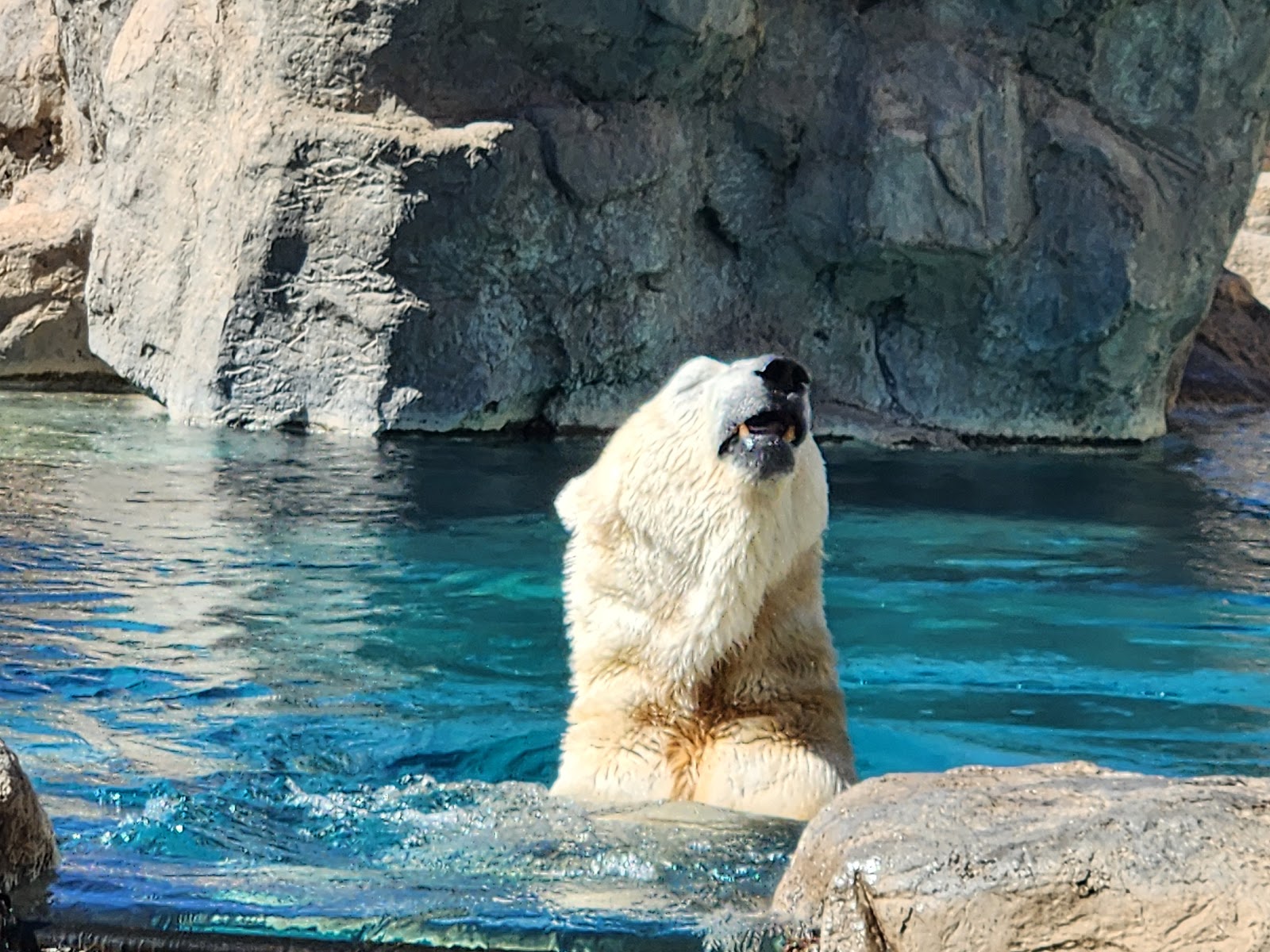
- Couples who genuinely want the animals and habitats in the photographs rather than merely nearby
- Larger guest counts, since the grounds are extensive and the shade is not a single small structure
- Anyone wanting a green, leafy, temperate-looking gallery in a desert city, which the bosque uniquely provides
- Late-October dates, when the cottonwoods turn strong yellow-gold against a deep blue sky
Who should look elsewhere
And it fights several reasonable briefs:
- Couples wanting the Southwestern register — adobe, desert planting, mountain views — none of which is the bosque
- Anyone whose gallery must have no fencing, mesh or railings anywhere in it; that cannot be guaranteed here
- Briefs needing a grand interior, since zoo buildings are functional rather than architectural
- Evening-heavy weddings, because a closed canopy goes dark early and has almost no ambient after sunset
- Anyone unwilling to work with a long lens, which is the only real tool against background clutter
Managing enclosures, and the hours that work
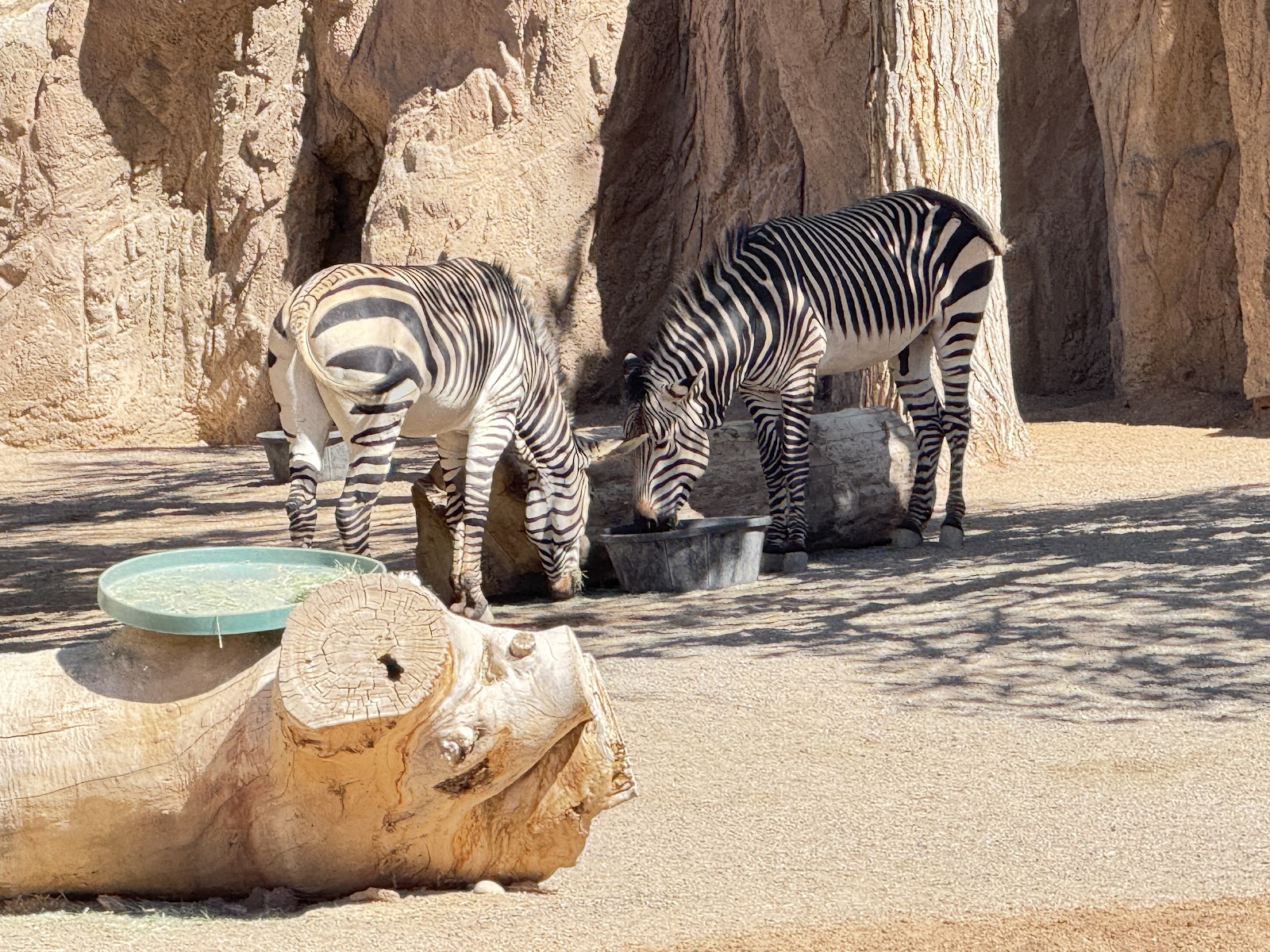
The fencing problem has one reliable solution and it is optical. A long lens at a wide aperture, with the couple several metres in front of any barrier, turns mesh or railings into an unreadable soft band — present in the frame but not legible as fencing. That works consistently, and it is why a zoo wedding is a long-lens assignment rather than a wide-lens one.
What does not work is a wide lens near an enclosure. Wide angles keep background detail sharp and include far more of it, so a wide frame near a barrier contains a visible fence, a sign, a bin and a service door. If a frame seems to need a wide lens in a zoo, it usually needs a different location instead.
Glass viewing panels are a separate case and behave like any architectural glazing: they reflect whatever is behind the camera, they are usually scratched, and they tint. Press a rubber hood flat against the panel and shoot perpendicular for a view-only frame; for frames including people, keep any light well off the camera axis and check the reflection deliberately.
For timing, the canopy inverts the usual schedule. Midday is the best outdoor hour here, because the shade is continuous and the light is even — which is exactly when every unshaded venue in the city is unworkable. And the end of the day is worse than elsewhere: a closed canopy blocks low sun as effectively as high sun, so the golden hour that transforms an open site barely reaches the ground here, and once the sun is down there is very little ambient under the trees. Anything after sunset is a lit frame.
Two final practicalities. Fine dust is constant in this climate and a zoo adds its own, so change lenses indoors rather than on a path and clean more often than feels necessary. And unless the grounds are private, this is a busy public attraction: long lenses, tight framing, and the hours immediately after opening or before closing. If private access is available it changes the venue substantially, because the paths and the water become usable at any hour and the canopy becomes the only remaining constraint.
What works in your favour
- Continuous mature canopy — real large-scale shade, rare in this city
- Cottonwood casts a warmer, more forgiving colour than conifer
- Midday is the best outdoor hour, inverting the usual problem
- Extensive grounds that accommodate larger guest counts comfortably
- Cottonwood gold against deep blue sky in late October
What to plan around
- Mesh, railings, signage and service infrastructure throughout
- Broken canopy means dappled light that only position can fix
- Closed canopy blocks low evening sun, so golden hour barely arrives
- Almost no ambient under the trees after sunset; everything is lit
- A busy public attraction unless the grounds are private
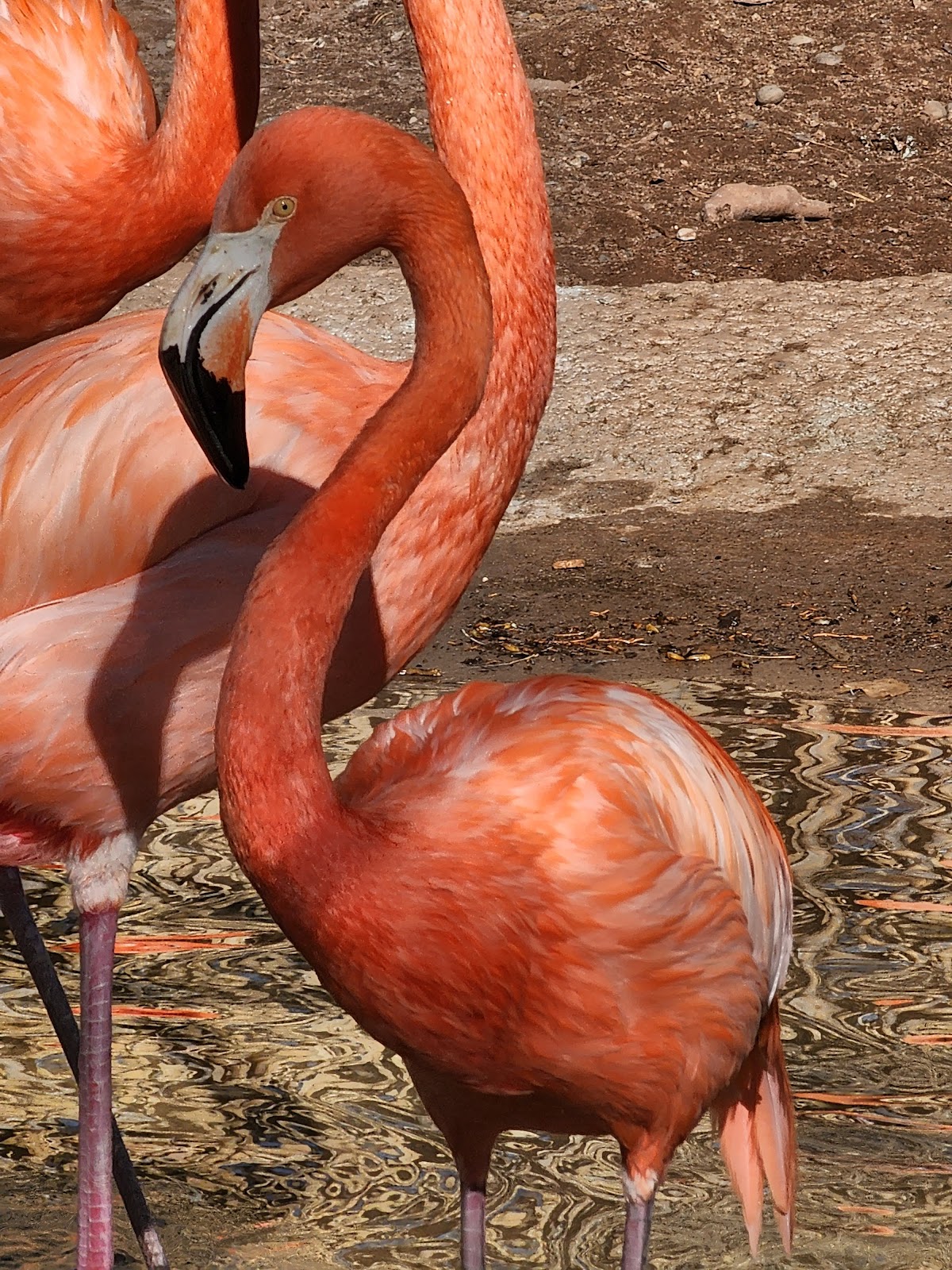
More frames from The Rio Grande Zoo
The Rio Grande Zoo wedding photography: common questions
Why is shade such a big deal in Albuquerque?
Because at 5,300 feet in dry air the lit-to-shaded ratio across a face can exceed what one exposure holds, and the sky clips to near-black if you expose for skin. Most venues here answer that with small constructed shade; a closed cottonwood canopy answers it at scale.
How do you keep fencing out of the frame?
A long lens at a wide aperture with the couple several metres in front of the barrier, which turns mesh into an unreadable soft band. A wide lens near an enclosure keeps background detail sharp and will include a fence, a sign and a service door.
Is cottonwood shade better than pine shade?
For colour, yes. Cottonwood leaves are broad and relatively yellow-green, so the cast on skin is warmer and much more forgiving than the blue-green a conifer throws. Still set a custom white balance, but it is far less of a correction problem.
When is the best time to shoot here?
Midday, which inverts the usual rule. The canopy gives continuous even shade exactly when every unshaded venue in the city is unworkable. The trade is that evenings are worse here than elsewhere.
Why are evenings worse under canopy?
Because a closed canopy blocks low sun as effectively as high sun, so the golden hour that transforms an open site barely reaches the ground. And after sunset there is very little ambient under the trees, so every frame becomes a lit one.
What about the glass viewing panels?
They behave like any architectural glazing — they reflect what is behind you, they are usually scratched and they tint. Press a rubber hood flat and shoot perpendicular for view-only frames; for frames with people, keep lights off the camera axis and check reflections.
More Albuquerque, NM venue guides
We are writing a photographer’s guide to every venue we would happily shoot in Albuquerque, NM. Here are three more, plus the full index:
- Sandia Resort: Reading High Desert Light Hour by Hour
- The ABQ BioPark Botanic Garden: Glasshouses in a Dry Climate
- The Albuquerque Museum: From Modern Glass to Old Town Adobe
All Albuquerque, NM Wedding Venues →
Planning a wedding at The Rio Grande Zoo?
Canopy buys you the middle of the day and costs you the evening. Tell us your date and we will plan which hours belong outside.