 The Bierstube: What Changes When the Reception Is in a Bar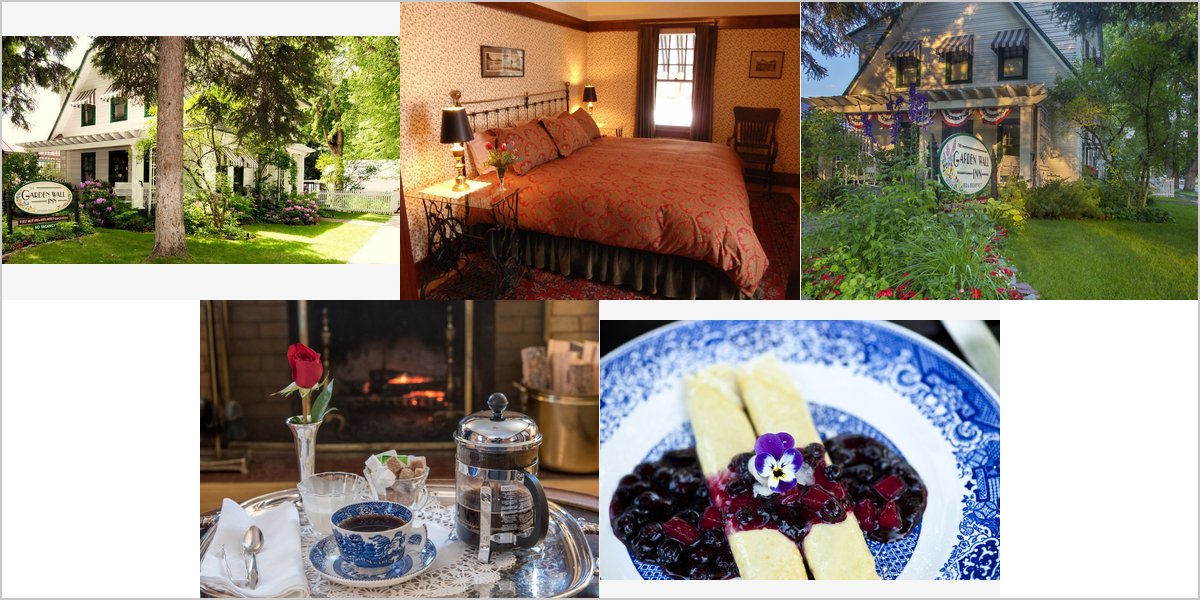
July 15, 2026
The Garden Wall: How to Work a Genuinely Small Venue
Small venues are not scaled-down large ones. They are a different assignment, and the lens decides most of it.
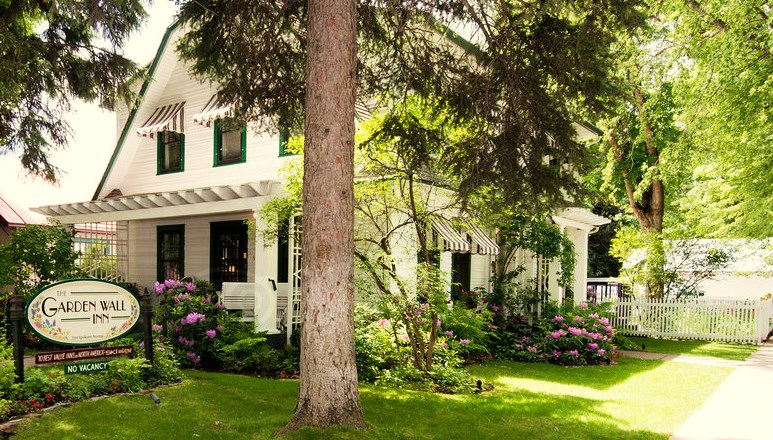
The Garden Wall is a small period inn in Whitefish, Montana — domestic scale, garden ground, the kind of building where a wedding happens in rooms rather than in halls. It is the opposite end of the spectrum from the resort venues above the town, and it is chosen deliberately by couples who want that.
A genuinely small venue is not a large venue with fewer people in it. It is a different set of constraints, and the biggest of them is camera position. In a hall you choose where to stand and therefore choose your focal length. In a room twelve feet across, the wall chooses for you: there is exactly one position, and whatever lens covers the shot from there is the lens you are using. Everything else — group planning, lighting, how the ceremony is covered — follows from that single fact.
So this is an honest account of who an intimate venue suits and who it frustrates. We have not photographed a wedding at The Garden Wall; small period rooms and garden ground behave the same everywhere. Capacity, which rooms are used, and what the garden allows are questions for their team — and capacity is the question to ask first here.
The Garden Wall at a glance
| Where | Whitefish, Montana |
| Character | Small period inn at domestic scale, with garden ground |
| The constraint | In a small room the wall picks your focal length, not you |
| The gift | Proximity — every frame is close, warm and unavoidably intimate |
| Ask first | Real capacity, and whether the garden is the ceremony space |
What small rooms do to a photograph
Three consequences follow from a room you cannot back up in. The first is focal length: you end up on a 24mm or 28mm for anything with more than two people in it, and wide lenses at close distance distort — faces near the frame edge stretch, and a person at the corner of a group shot gets a visibly wider head than the person in the middle. The fix is compositional, not optical: keep faces away from the edges, and accept that a room-wide group has to be arranged in an arc rather than a line.
The second is that your lights have nowhere to go. A softbox needs distance to be soft; jammed against a wall two feet from a subject it becomes a hard source with a harsh fall-off. In a small room the walls themselves are the modifier — bounce a bare flash off a pale wall or ceiling and the whole room becomes the light source, which is softer than anything you could physically fit in there. This is the one context where bounce beats a modifier outright.
The third is that everything is in frame. In a hall you can hide a bag, a lighting stand, a caterer. In a twelve-foot room every object is visible from the only position you can shoot from, so tidying the room is part of the photographic work. Two minutes moving a suitcase and a water bottle out of a corner changes a frame more than any camera setting.
What proximity gives in return is the thing large venues cannot buy: closeness. Every frame contains people near each other because there is no alternative. Reactions are legible, hands are visible, the camera is inside the event rather than observing it from the back of a hall. That is a real aesthetic advantage and it is the whole reason to pick a venue like this.
Who this venue suits
The fit is specific and, when it lands, it lands completely:
- Small guest counts — genuinely small, meaning the number the venue states rather than the number a couple hopes to squeeze in
- Couples who want a documentary, close-in, reportage gallery rather than grand formal portraiture
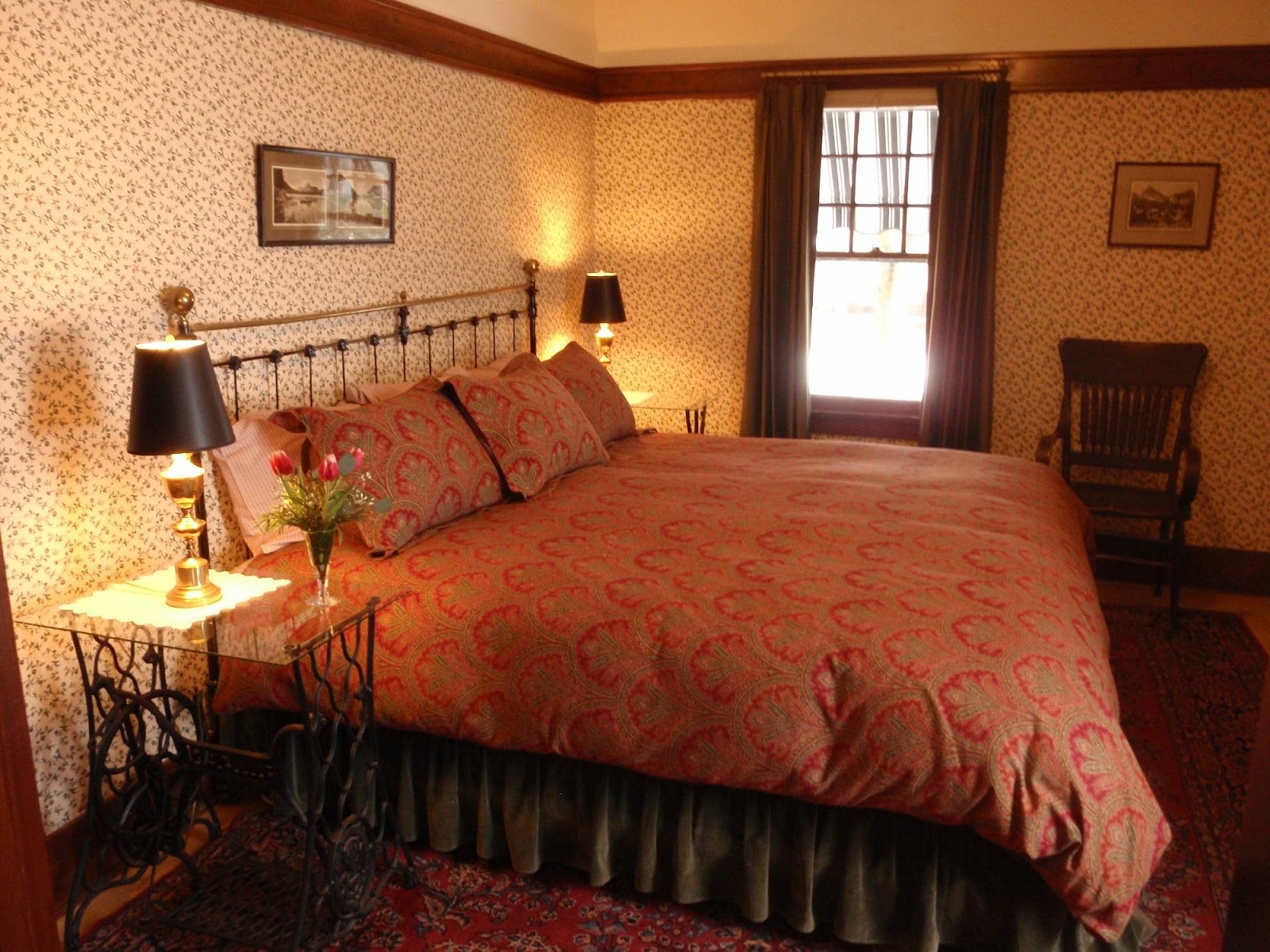
- Anyone drawn to period texture: patterned wallpaper, old glass, detailed woodwork, real furniture
- Elopements and second weddings, where the priority is the two people rather than the production
- Couples happy for the garden to carry the outdoor frames, at garden scale rather than landscape scale
Who should look elsewhere
And the mismatches are equally clear:
- Large guest lists — a small venue at over-capacity photographs as a crowded room, and no lens fixes it
- Anyone who wants sweeping mountain backdrops, which are elsewhere in this valley and not here
- Couples planning large formal group photographs, which need ground and ceiling this venue does not have
- Anyone wanting a bright airy modern look, since period rooms are darker and more patterned than that style needs
- A wedding with a big band, big dance floor and big production, which will not fit and will not read
The garden, and how to use small outdoor ground
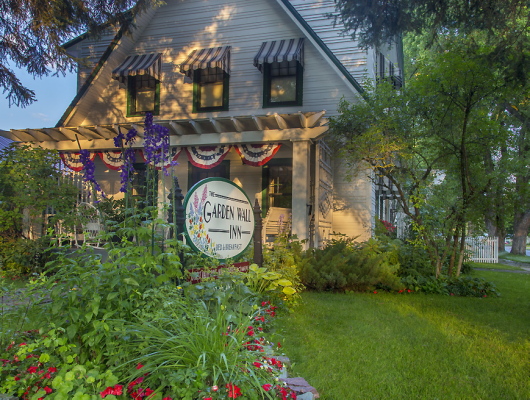
Garden ground is to landscape what a small room is to a hall: less space, more control. You cannot produce a wide vista, but you can produce frames that are dense with texture — foliage close to the lens, dappled light through a shrub, a couple framed by a gate or an arch, flowers filling the foreground. A long lens shot through planting turns a small garden into an apparently endless one, because compression and shallow depth of field remove all the evidence of scale.
The trick with any small garden is to work through things rather than at them. A frame shot through a branch or over a flowering shrub reads as intimate and deliberate; the same couple photographed against the garden as a backdrop reads as a snapshot in a yard. The foreground is what makes a garden frame, and most photographers under-use it.
Whitefish’s light applies here as everywhere in the valley: high, hard and contrasty at midday in thin air, and beautiful very late. A garden has the advantage of walls and planting that throw usable shade, so midday is more workable here than on open ground — find the shade line and keep people on the right side of it. And in late June, the last usable light runs to nearly ten at night, which in a garden means warm light coming in almost horizontally through the planting.
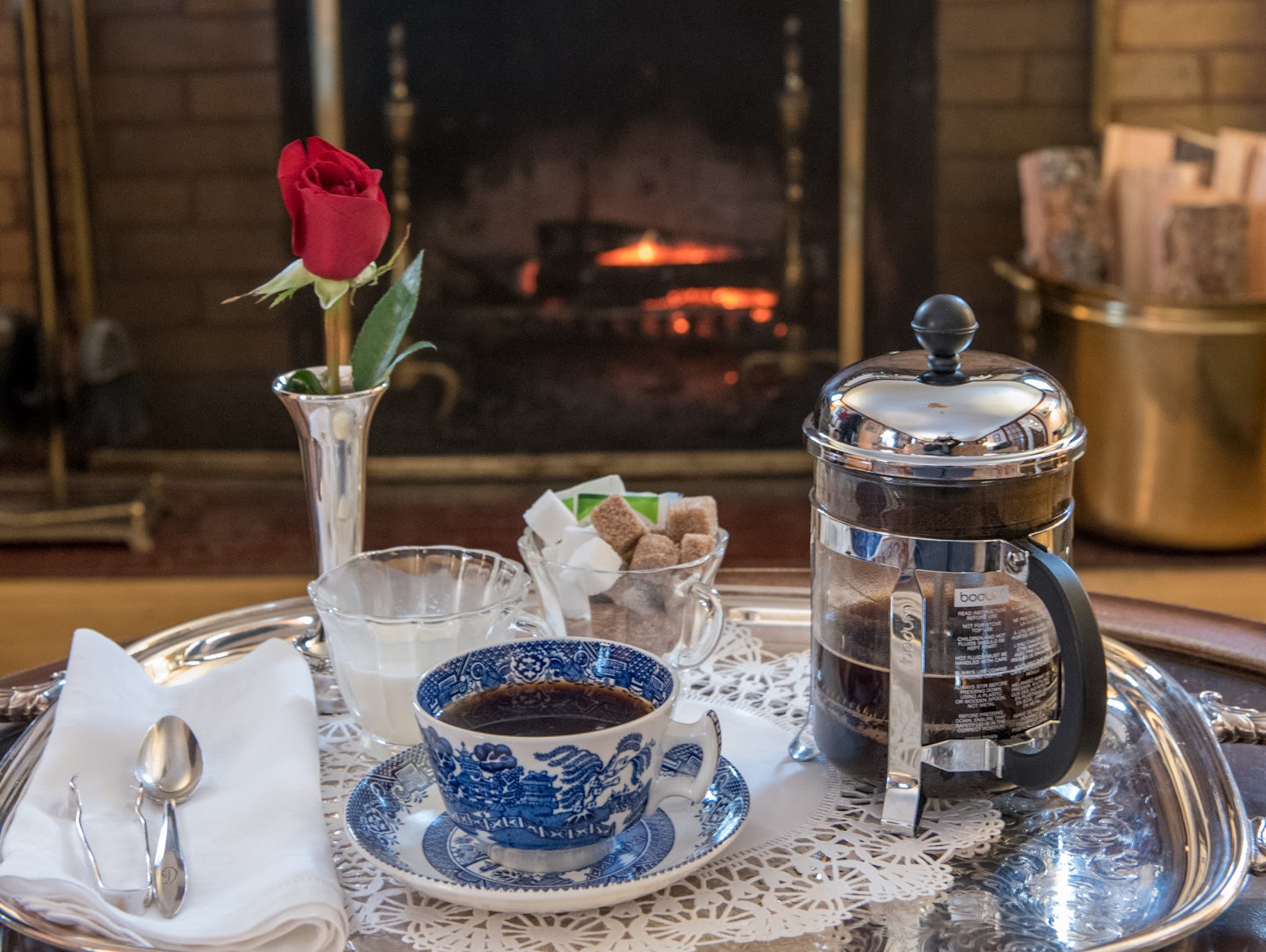
One thing a small venue does exceptionally well is the end of the night. In a large hall, the last hour disperses. In a small inn it concentrates — everyone in one warm room, close together, lit by whatever lamps and candles are there. Shoot that on a fast lens at high ISO and accept the grain: those frames are usually the ones the couple keep, and they only exist at this scale.
What works in your favour
- Proximity makes every frame close, legible and unavoidably intimate
- Pale walls in a small room out-perform any softbox you could fit
- Period texture — wallpaper, old glass, woodwork — gives frames character for free
- Garden walls and planting throw usable midday shade
- The end of the night concentrates rather than disperses
What to plan around
- The wall picks your focal length; wide lenses distort faces at the edges
- Modifiers have no room to work, so bounce is the only soft option
- Everything is in frame, so tidying the room is part of the job
- No mountain vistas — garden scale, not landscape scale
- Over capacity it photographs as a crowded room and nothing fixes that
More frames from The Garden Wall
The Garden Wall wedding photography: common questions
What lens do you need in a small venue?
Whatever covers the shot from the only position available, which usually means 24mm or 28mm for groups. Wide lenses distort faces near the frame edge, so arrange groups in an arc rather than a line and keep faces away from the corners.
How do you light a room you cannot back up in?
Bounce, not a softbox. A modifier needs distance to be soft, and jammed two feet from a subject it becomes a hard source. Bouncing a bare flash off a pale wall or ceiling turns the whole room into the light source, which is softer than anything that would physically fit in there.
Is a small venue harder or easier?
Different. Harder in that camera position is fixed, modifiers do not fit and every object is in frame. Easier in that proximity does the emotional work for you — every frame contains people close together, because there is no other option.
How do you make a small garden look bigger?
Work through things rather than at them. Shoot with a long lens through planting, put foliage or flowers close to the lens, and use shallow depth of field. Compression and a dense foreground remove the evidence of scale; a couple photographed against the garden as a backdrop just reads as a yard.
Can we do large group photographs?
Not well. Formal groups need ground to arrange people on and ceiling height for even light, and a domestic-scale venue has neither. If large formal groups matter to you, the open-lawn venues in the valley are the better fit and it is worth being honest about that early.
What is the best part of the night at a venue like this?
The last hour. In a large hall the end of the night disperses; in a small inn it concentrates — everyone in one warm room lit by lamps and candles. Shoot it wide open at high ISO and accept the grain. Those frames only exist at this scale.
More Whitefish venue guides
We are writing a photographer’s guide to every venue we would happily shoot in Whitefish. Here are three more, plus the full index:
- Whitefish Mountain Resort: One Decision Governs the Whole Day
- The Farmhouse Inn: Four Ways Out of the Open-Ground Problem
- The Firebrand Hotel: Photographing a Mountain Town from Inside It
All Whitefish Wedding Venues →
Planning a wedding at The Garden Wall?
A small venue is a different assignment, not a smaller one. Tell us your guest count and we will tell you honestly whether the fit is right.