 Hotel Saint Louis: A Walk-Through of an 1893 Union Trust Building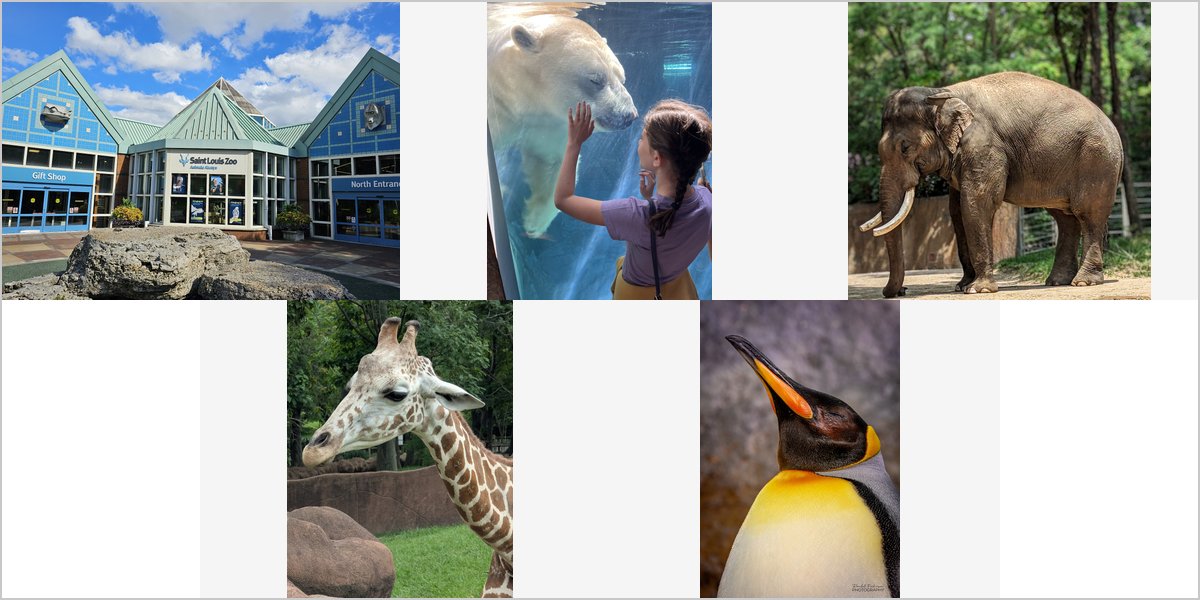
June 16, 2026
The Saint Louis Zoo: A Photographer Answers Your Questions
A zoo is a venue with a crowd and a schedule of its own. Evening access after closing is the difference between a good gallery and an impossible one.
The Saint Louis Zoo sits within Forest Park and is free to enter, which makes it one of the most visited attractions in the region. Among its structures is the 1904 World’s Fair Flight Cage, a large walk-through aviary that is one of the oldest of its kind, and the grounds include mature planting, water features and historic architecture alongside the modern enclosures.
Photographically a zoo is a genuinely distinctive proposition and it has one dominant variable: whether you are there during public hours or after closing. During public hours it is a busy attraction in which you are also having a wedding. After closing it becomes a large private park with unusual architecture and no one in it. Those are completely different assignments.
These are the questions couples ask. We have not photographed a wedding at the Saint Louis Zoo; the behaviour of aviary light, enclosure backgrounds and Forest Park’s setting is predictable. Which areas are available, what access times apply and whether animals feature are for their events team.
Saint Louis Zoo at a glance
| Where | Forest Park, St. Louis, Missouri — free admission |
| Notable structure | The 1904 World’s Fair Flight Cage, among the oldest walk-through aviaries |
| Character | Mature planting, water, historic architecture and modern enclosures |
| The dominant variable | Public hours versus after-closing access |
| Ask first | Access times, which areas are included, and whether animals are part of it |
How much difference does after-closing access make?
All the difference. During public hours the zoo is busy, frequently with families and children, and there is no arrangement that removes them from wide frames. You would be shooting tight with longer lenses all day and accepting strangers in anything broader.
After closing the same grounds become effectively a private park: mature planting, water, historic structures, wide paths, and complete quiet. It is one of the better private outdoor spaces in St. Louis and nobody else is in it.
That also aligns with the light. Evening access means working in the last ninety minutes of daylight and the twenty minutes after sunset, which is the best light of the day anyway. So the after-closing option solves the crowd problem and the light problem in one move, and it is the first thing to ask about.
Do animal enclosures work as backgrounds?
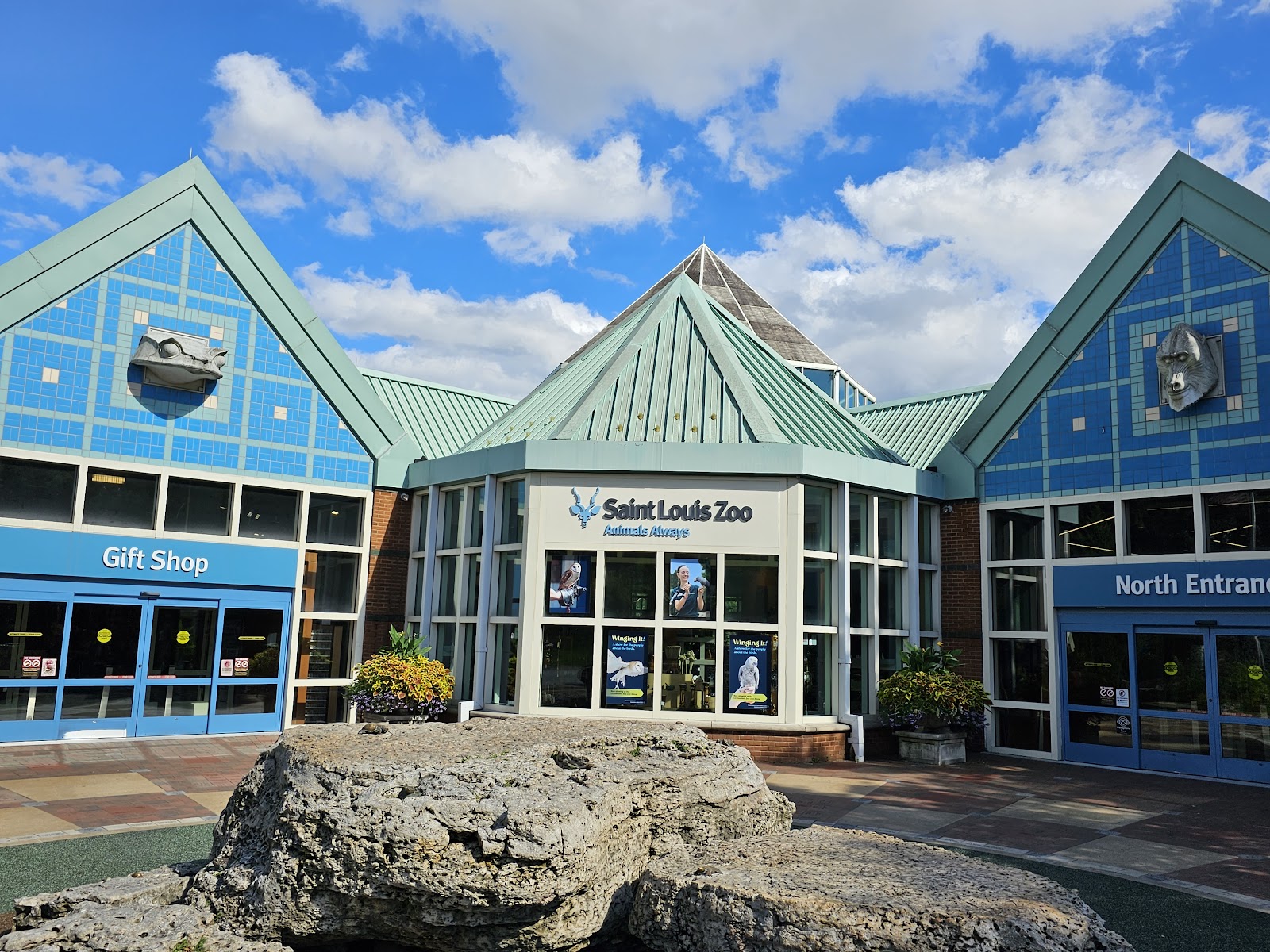
Less often than couples imagine, and it is worth being honest about why. Modern enclosures are designed for animal welfare and public viewing, which means glass, mesh, moats and safety barriers. Glass produces reflections that are very hard to control, mesh reads as a grey haze over everything behind it, and barriers put distance between you and anything interesting.
Where enclosures do work is when the architecture itself is the subject rather than the animals — historic structures, stonework, sculptural forms — or when you can get close enough to glass to press a lens against it and eliminate reflection, which is not usually possible with a wedding party in tow.
The honest recommendation is to treat a zoo as a park with unusual architecture rather than as a venue where animals appear in the photographs. If animals do feature, it will be through whatever the zoo arranges deliberately, not opportunistically. Ask, because some zoos do offer this and it changes the gallery completely.
What about the Flight Cage?
A large walk-through aviary is the most photographically interesting structure at most zoos, and a 1904 World’s Fair one especially so. Structurally it is a great curved cage of mesh over a planted space, which produces two useful things: a dramatic architectural form, and light filtered through mesh from above.
That filtered light is soft and even, rather like a very large scrim, which makes the interior surprisingly flattering. The complication is the mesh itself: at a wide aperture and close range it disappears, and at a small aperture or from a distance it reads as a grey pattern across the frame. So work close and wide open if you want the mesh gone, or include it deliberately as texture.
Shooting up at the structure from inside, with the couple small beneath the curve, uses the architecture properly and is the frame worth planning. The planting inside also bounces green onto skin, as any dense foliage does, so set white balance in there rather than trusting auto.
What else should we know?
Four practical things. Forest Park surrounds the zoo, which means that if the zoo’s own areas are restricted, you have one of the largest urban parks in the country immediately outside with mature trees, open ground and the Grand Basin — a substantial fallback that costs nothing.
Distances inside the zoo are real. It is a large site with paths and inclines, and moving a wedding party between areas takes longer than a map suggests. Choose two or three locations rather than touring.
St. Louis summers are hot and humid, and a zoo has limited shade in some areas and none in others. That affects comfort in formalwear, and humidity will fog a lens moving from an air-conditioned building to the grounds. Allow acclimatisation time.
And ask about smell and sound, which sounds trivial and is not. Some areas of any zoo are unpleasant to stand in for twenty minutes, and animal noise can be loud enough to matter during a ceremony. The zoo will know which areas are best avoided, and asking saves an awkward discovery.
What works in your favour
- After-closing access turns it into one of the better private outdoor spaces in St. Louis
- Evening access aligns with the best light of the day
- The 1904 Flight Cage is a dramatic structure with soft mesh-filtered light inside
- Mature planting, water and historic architecture across the grounds
- Forest Park immediately outside as a substantial free fallback
What to plan around
- During public hours it is busy with families and children, unavoidably in wide frames
- Enclosure glass, mesh and barriers make animals poor backgrounds in practice
- Aviary mesh reads as grey pattern unless you work close and wide open
- Real distances and inclines; touring the site eats the timeline
- Heat, humidity, limited shade, and some areas unpleasant to stand in
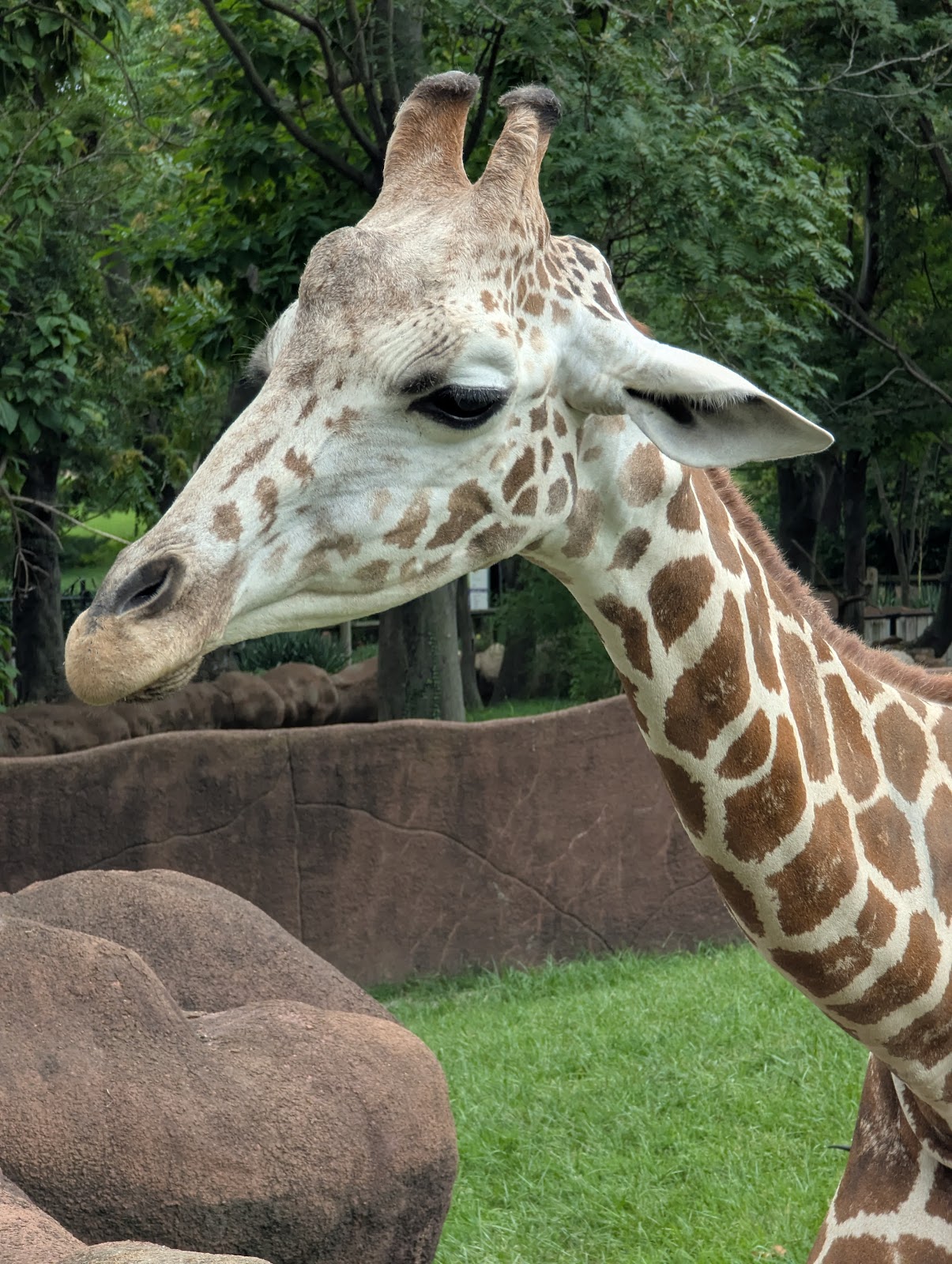
More frames from Saint Louis Zoo
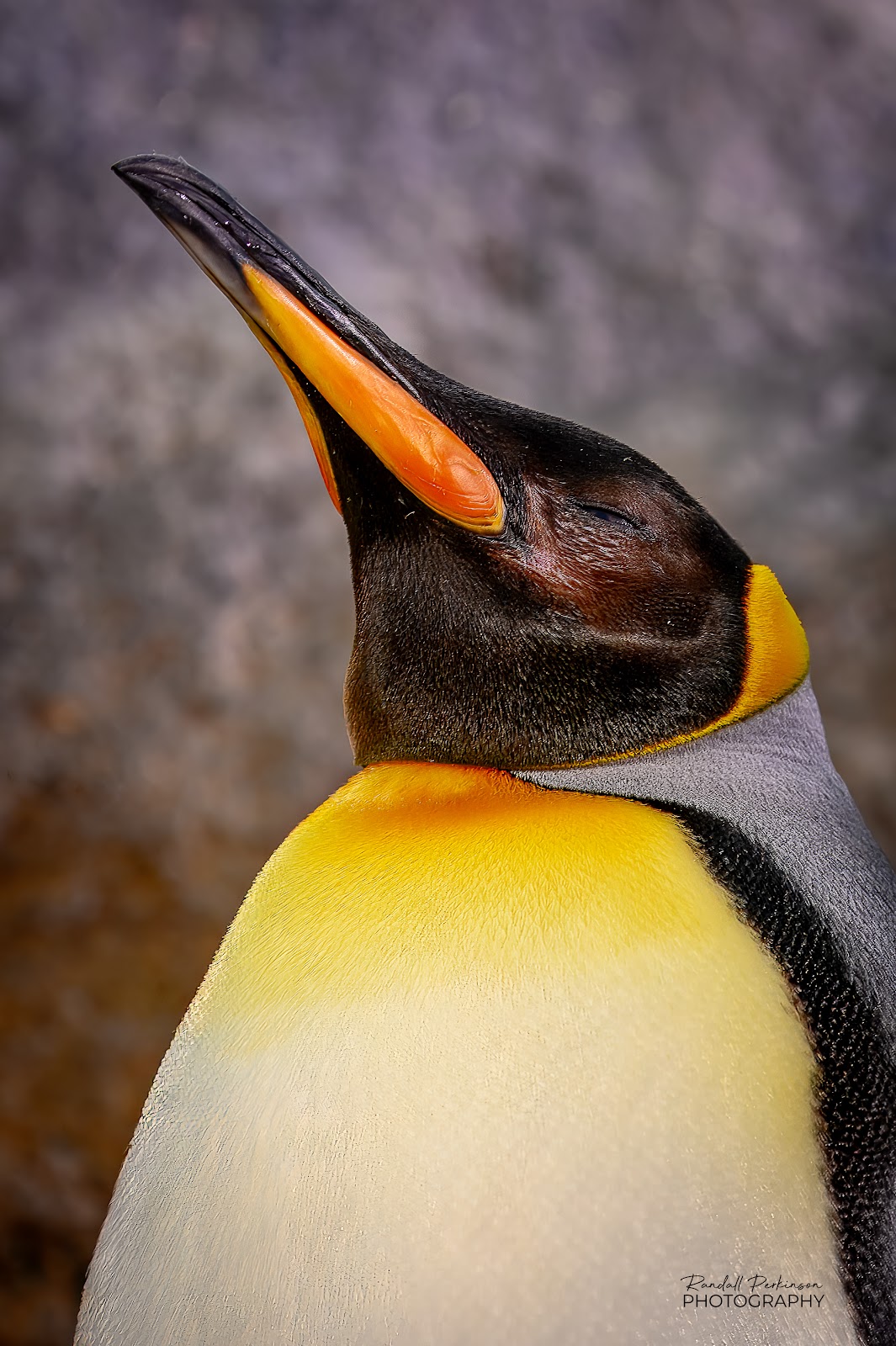
Saint Louis Zoo wedding photography: common questions
Should we ask for access after closing?
It is the first thing to ask. During public hours the zoo is busy with families and there is no way to keep strangers out of wide frames. After closing the same grounds become a quiet private park — and evening access also puts you in the best light of the day, so it solves two problems at once.
Will animals be in our photographs?
Probably not, unless the zoo arranges it deliberately. Modern enclosures use glass, mesh, moats and barriers for welfare and viewing, all of which are hostile to photography — glass reflects, mesh reads as grey haze, and barriers add distance. Treat a zoo as a park with unusual architecture rather than an animal backdrop.
How do you photograph inside the Flight Cage?
Work close and wide open if you want the mesh to disappear, or include it deliberately as texture — at a small aperture or from a distance it reads as a grey pattern across the frame. The light inside is soft and even, filtered through the mesh like a very large scrim, which makes it surprisingly flattering.
Is there a fallback if areas are restricted?
An excellent one. Forest Park surrounds the zoo — one of the largest urban parks in the country, with mature trees, open ground and the Grand Basin, free and immediately outside. Very few venues have a fallback of that quality within a few minutes’ walk.
Anything unusual we should ask about?
Smell and sound. Some areas of any zoo are unpleasant to stand in for twenty minutes, and animal noise can be loud enough to matter during a ceremony. The staff know which areas to avoid, and asking prevents an awkward discovery on the day.
More St. Louis venue guides
We are writing a photographer’s guide to every venue we would happily shoot in St. Louis. Here are three more, plus the full index:
- The Union Station Hotel: Photographing a Barrel-Vaulted Grand Hall
- The Angad Arts Hotel: Who This Colour-Themed Venue Suits
- The Cathedral Basilica of Saint Louis: Photographing 41 Million Tesserae
All St. Louis Wedding Venues →
Planning a wedding at Saint Louis Zoo?
Ask for evening access and the whole venue changes. Tell us your date and we will help you get the right access window, then plan two or three locations rather than a tour.