 The Omaha Children’s Museum: A Photographer Answers Your Questions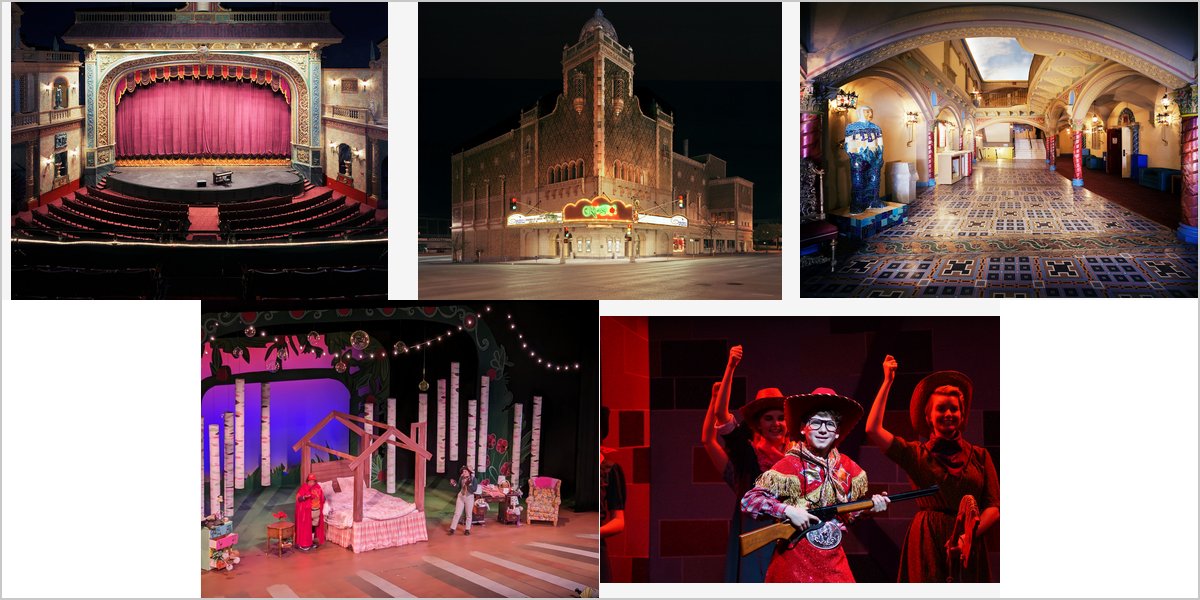
June 11, 2026
The Rose Theater: A Walk-Through of a 1926 Movie Palace
Another 1926 atmospheric palace, and the same rule applies: the room is meant to be dark, so light the people and leave it alone.
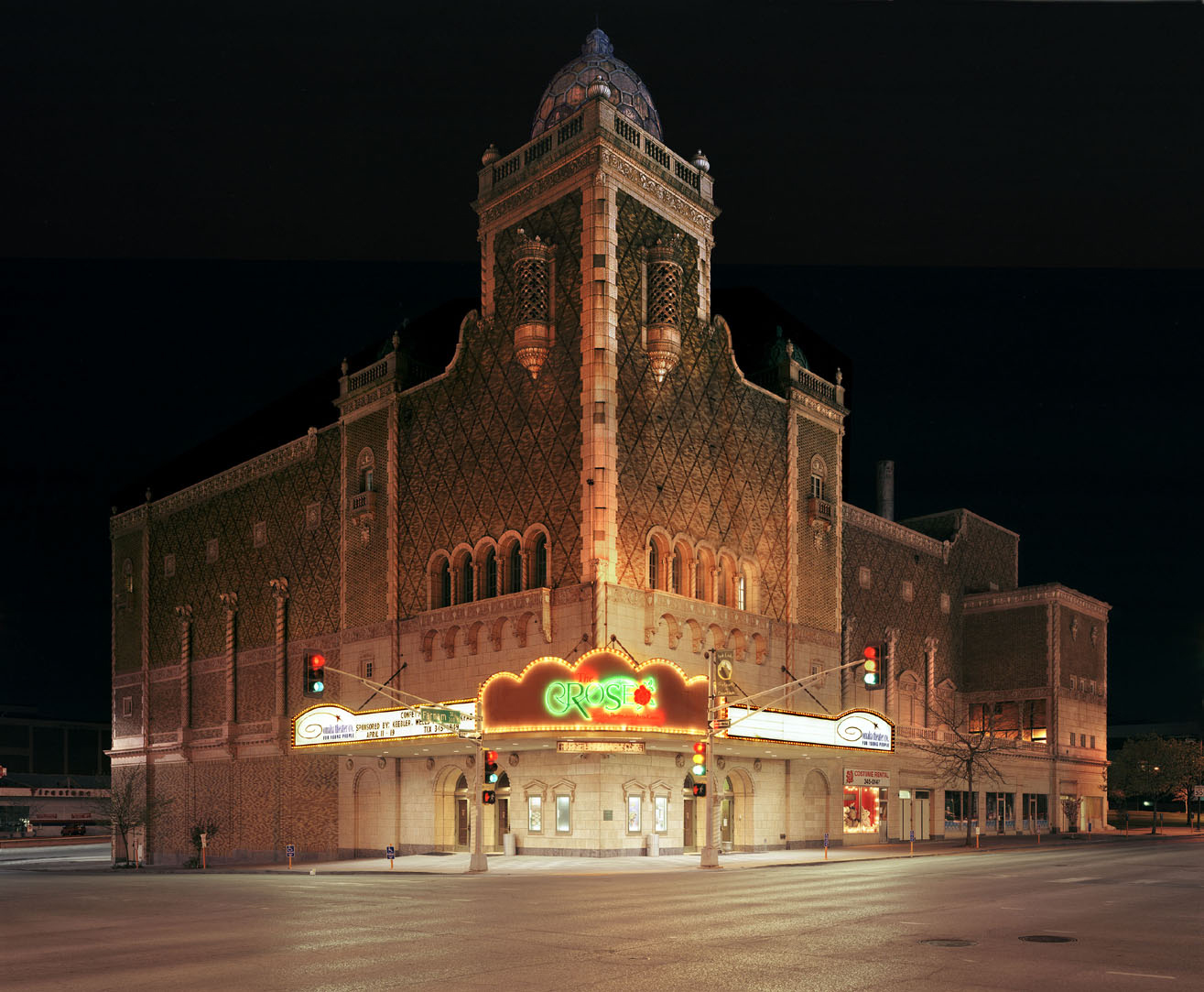
The Rose Theater opened in 1926 in downtown Omaha as the Riviera, an atmospheric movie palace with Spanish and Moorish detailing and a ceiling treated to suggest an open evening sky. It is now a children’s theatre and performing arts venue, restored and in active use.
Photographically the atmospheric palace is a well-defined type and its rules are consistent. Elaborate low-relief plasterwork that only reads under raking light. A ceiling designed to read as sky, which means it is dark and any attempt to light it destroys the illusion. Deeply coloured ornament with no neutral surface anywhere. And a proscenium stage with fixed raked seating.
This is a walk-through in shooting order. We have not photographed a wedding at the Rose; atmospheric palaces behave identically everywhere. Stage access, balcony access and whether the lighting rig will be run for you are for their events team, and those answers determine most of what is possible.
Rose Theater at a glance
| Where | Farnam Street, downtown Omaha, Nebraska |
| Opened | 1926 as the Riviera; an atmospheric movie palace, later restored |
| Character | Spanish and Moorish detailing; a ceiling treated to suggest an open sky |
| Light | Intentionally dark; theatrical rig on stage; no daylight anywhere |
| Ask first | Stage and balcony access, and whether the board will be operated for you |
The lobby and foyer: where the only daylight is
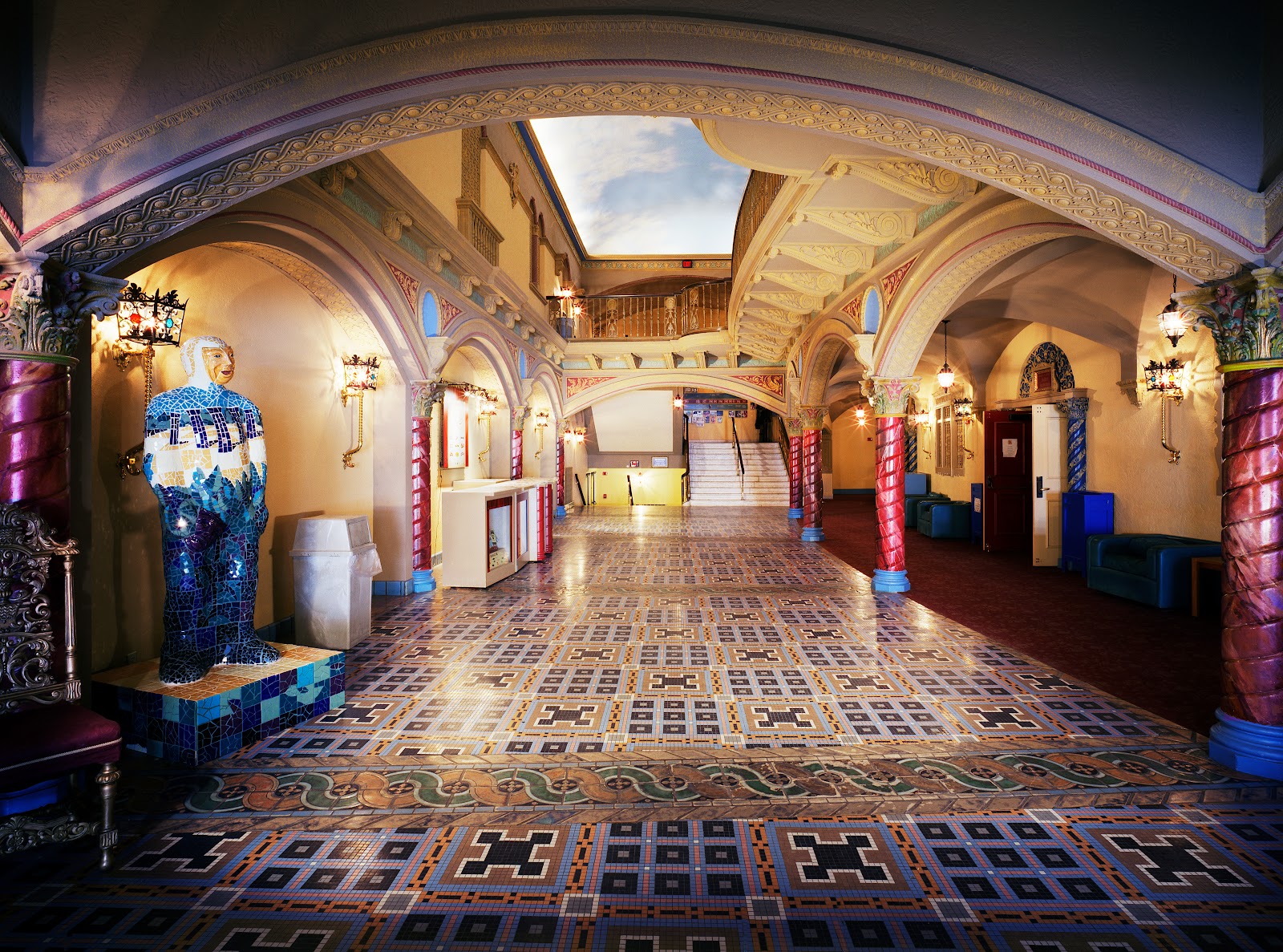
In a movie palace the front of house is the brightest part of the building, because it has street doors and often some glazing. That makes the lobby and foyer the place for any frame that benefits from daylight, and it is worth using early while there is still light outside to borrow.
Those spaces also carry the decorative scheme, so you get ornament without the auditorium’s darkness. A foyer portrait with Moorish detail behind and borrowed daylight on faces is the easiest good frame in the building, and it is the one most photographers skip because they go straight to the auditorium.
The staircase, if the building has a substantial one, is the other front-of-house asset — verticality, leading lines, and sometimes a window on a landing. Take it while the daylight lasts.
The auditorium: light the people, not the room
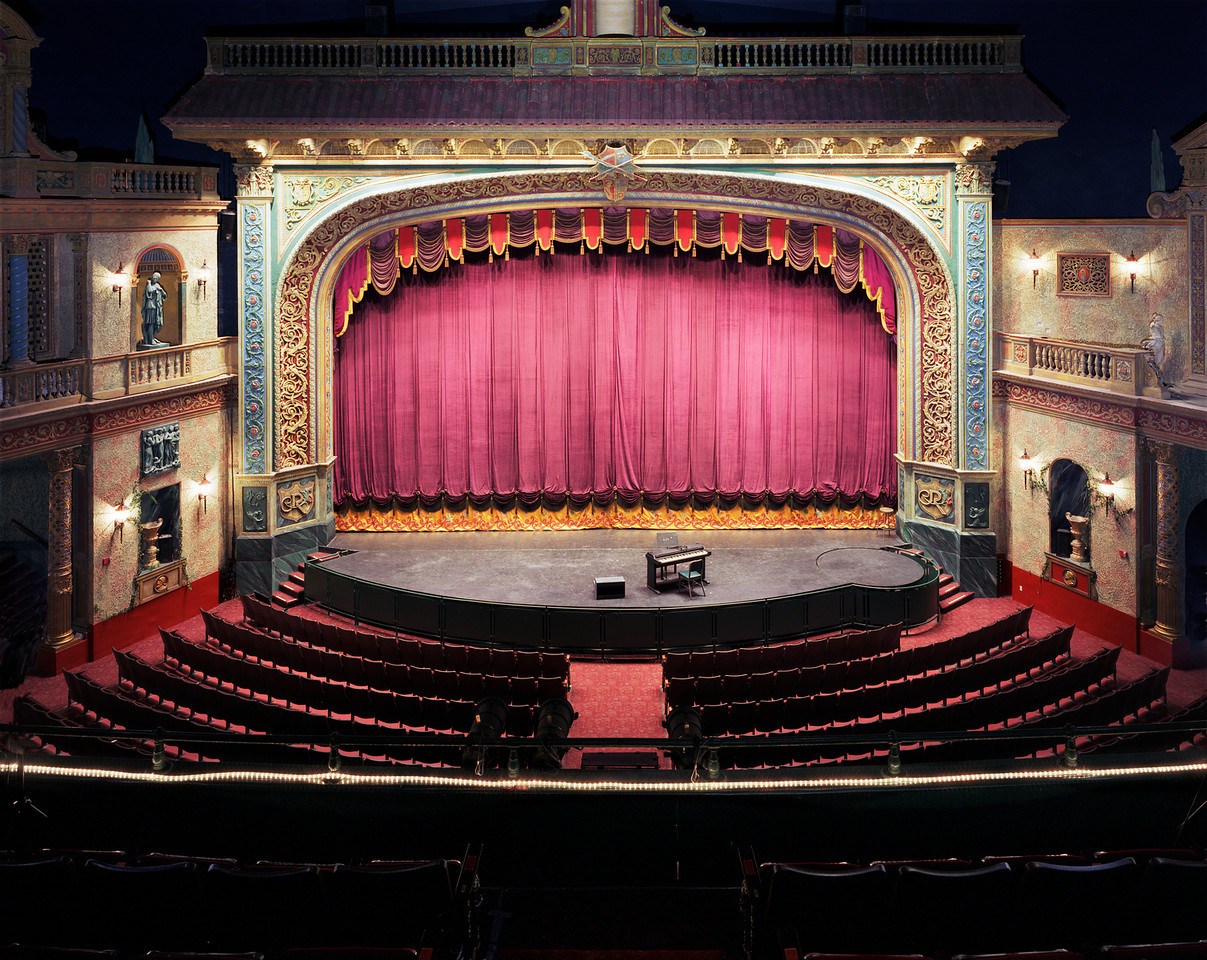
An atmospheric theatre is built to feel like an open courtyard at night, and the effect depends on the ceiling being dark and the room being dim. Flooding it with light collapses the illusion: the sky ceiling stops reading as sky, the niches lose their depth, and an extraordinary room becomes an ordinary hall with decoration on it.
So light selectively. One modified flash as a key on the couple, exposed so they sit two or three stops above the ambient, keeps the theatre a theatre while your subjects stay legible. That is the opposite instinct from a hotel ballroom, where you are trying to lift the whole space, and getting it right is the difference between a good theatre gallery and a disappointing one.
Place that key well off the camera axis, because the plasterwork is low-relief and needs raking light to read. One decision solves two problems: the ornament gains depth and the faces gain modelling.
For a wide frame that shows the auditorium’s scale and its painted ceiling, shoot it at the ambient level and accept high ISO. Any added light kills the ceiling. If the ceiling has an installed star or sky effect, expose for those points and let the painted surface sit properly dark — overexposure turns the sky muddy grey and blooms the points.
Colour in a deeply ornamented room
Spanish and Moorish decorative schemes use saturated colour — deep reds, ochres, blues — alongside gilding and warm tungsten fixtures. There is nothing pale or neutral anywhere, so skin lit only by the ambient has no cool component and reads as artificial rather than merely warm.
Keep the room warm in white balance, because it honestly is, and light faces with something closer to neutral so skin retains some coolness. Set it manually and re-set whenever the lighting state changes, because in a working theatre that may happen several times and auto white balance chasing each change gives you a set of frames that do not match.
Also mind proximity. A strongly coloured wall bounces its own colour onto anyone standing close to it, so keep a metre or two of separation where you do not want that, and lean into it deliberately where you do. Colour on a wall is dramatic; colour on a face is a mistake.
Positions, the stage, and downtown outside
Fixed raked seating means your positions are the aisles, the front of the stage, the boxes if any, and the balcony. Walk them in advance. The balcony is the one worth confirming, because an elevated frame looking down at a lit stage across a dark auditorium explains the venue better than any other single image and is the frame most photographers never ask for.
If the rig will be operated for you, ask for a neutral or lightly warm front wash on the ceremony position with the house lights low. Continuous light beats flash for natural moments. And avoid coloured gels for the ceremony — a dress lit magenta cannot be recovered in editing.
There is no daylight in an auditorium, so the outdoor block is the only naturally lit part of the day. Downtown Omaha has good early twentieth-century commercial architecture and the Old Market’s brick warehouses and cobbled streets are close, both excellent in the twenty minutes after sunset. Schedule ten minutes as a fixed item.
Season matters for that block: comfortable in spring and autumn, humid in July, and very brief in a sub-freezing January. Plan its length to match the month.
What works in your favour
- A genuine 1926 atmospheric palace with Spanish-Moorish detail and a sky ceiling
- Front-of-house lobby and foyer carry the ornament and have the only daylight
- Ornate low-relief plaster is spectacular under raking light
- Balcony and stage give angles most photographers never obtain
- Old Market and downtown architecture close by for the dusk block
What to plan around
- Intentionally dark — lighting the room destroys the illusion it was built for
- The painted sky ceiling has narrow exposure latitude and needs its own frame
- Saturated colour with no neutral surface; a differential white balance is required
- Fixed raked seating limits positions; balcony access must be confirmed
- No daylight in the auditorium at all
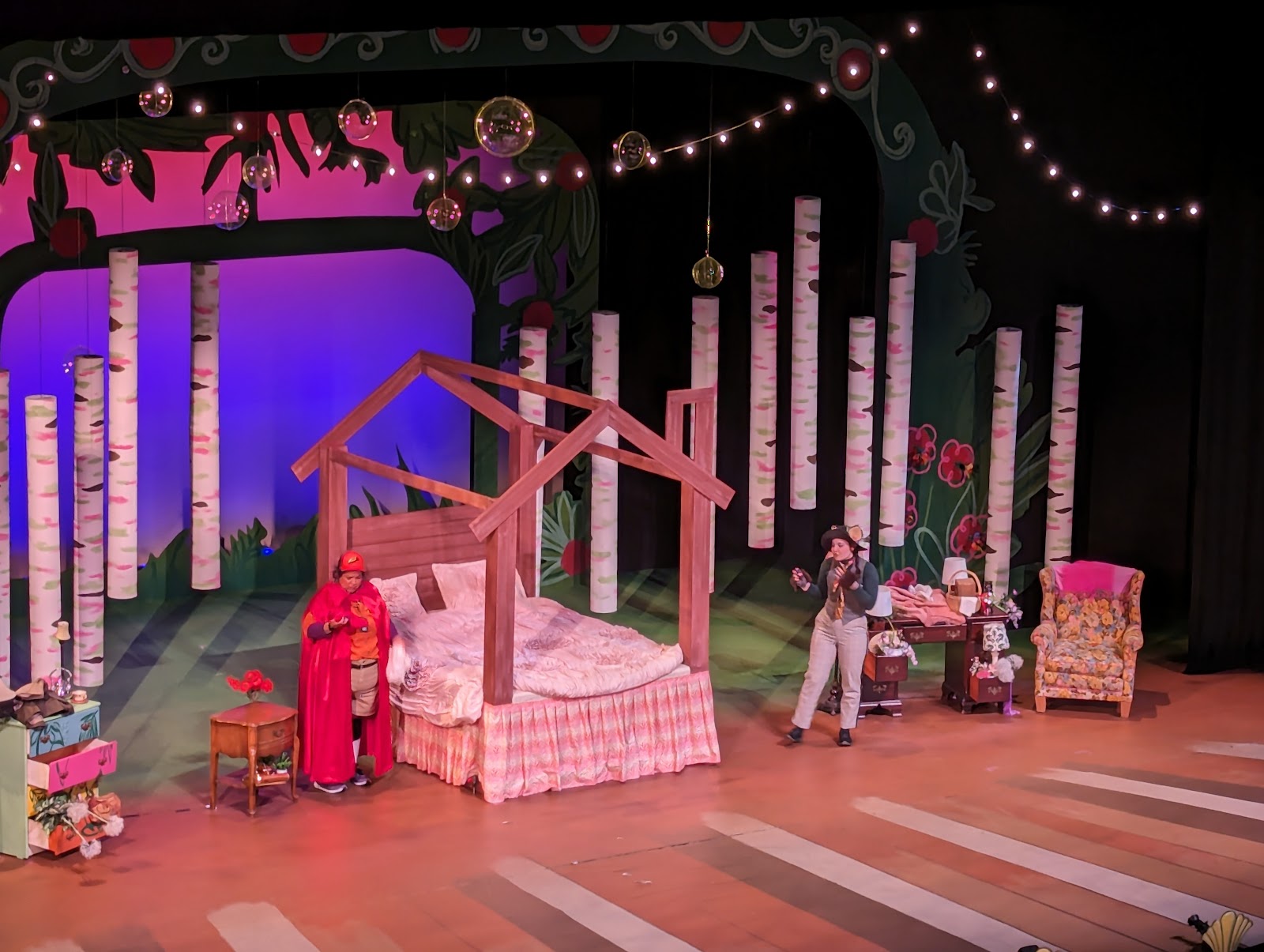
More frames from Rose Theater

Rose Theater wedding photography: common questions
Why not light the auditorium brightly?
Because an atmospheric theatre is built to feel like an open courtyard at night, and the effect depends on the room being dim and the ceiling dark. Flooding it stops the ceiling reading as sky and flattens the niches — an extraordinary room becomes an ordinary hall with decoration on it.
Where is the only daylight?
Front of house. The lobby and foyer have street doors and sometimes glazing, which makes them the brightest part of a movie palace and the place for any frame that wants daylight. They also carry the decorative scheme, so you get ornament without the auditorium’s darkness — and most photographers skip them.
How do you photograph the painted ceiling?
At the ambient level, accepting high ISO, as its own frame. Any added light kills it. If there is an installed star or sky effect, expose for those points and let the painted surface stay properly dark — overexposure turns the sky muddy grey and blooms the points into blobs.
Does the ornament affect skin tones?
Yes. Saturated reds, ochres and blues alongside gilding and warm tungsten leave nothing neutral in the room, so skin lit only by ambient has no cool component. Keep the room warm and light faces closer to neutral, and keep a metre or two from strongly coloured walls where you do not want the bounce.
What is the frame most photographers miss?
An elevated view from the balcony, looking down at a lit stage across the dark auditorium. It explains the venue better than any other single image, and it is the one nobody asks for. Confirm balcony access specifically rather than assuming it.
More Omaha venue guides
We are writing a photographer’s guide to every venue we would happily shoot in Omaha. Here are three more, plus the full index:
- The Brickway: Who This Old Market Distillery Suits
- The Venue at 60th: Field Notes on a Purpose-Built Event Space
- The Holland Center: Building the Shot List in a Contemporary Concert Hall
Planning a wedding at Rose Theater?
Atmospheric palaces reward a photographer who leaves the room dark. Tell us your date and whether the stage, balcony and lighting board are available, and we will plan around the answers.