 The Cheyenne Crossing, Cheyenne: The Problem, and Four Ways Out of It
The Snake River Ranch, Jackson: The Venue’s Own Logic
A ranch is organised by work. And the mountains are lit at dawn, not dusk.
Two facts organise photography here and they are both about the place rather than the building.
The first is that a working ranch has a logic and it is functional. Nothing on it was laid out to be looked at. Barns stand where stock needs shelter, corrals where animals are handled, hay meadows on the ground that grows hay, irrigation ditches along the contour, fence lines on the property boundaries and the paddock divisions, and the ranch buildings clustered where the access road reaches them.
Read that organisation and the property becomes legible: the good positions are where the working geometry produces a line, an enclosure or a frame, and they are not where a designer would have put them. A photographer who walks a ranch looking for a garden will find nothing; one who looks for the lines that work makes will find a great deal.
The second fact is the range, and it is the planning point that matters most.
Snake River Ranch lies in Jackson Hole, the high valley below the Tetons in western Wyoming, at something like nineteen hundred metres. The Tetons are to the west.
Which means the classic lit-mountain frame here is at sunrise, not at sunset. In the first hour of the day the low sun comes from the east behind you and strikes the eastern faces of the range directly, and the peaks go gold and then hold warm light while the valley floor is still cold and blue. In the evening the same peaks are between you and the sun, which gives a silhouette against a bright sky — dramatic, but not the photograph most couples have in mind.
That is the reverse of the western slope of the same range, and it is the single most consequential thing to know about photographing in Jackson Hole. If a couple’s reference images show golden Teton peaks, those were made at dawn.
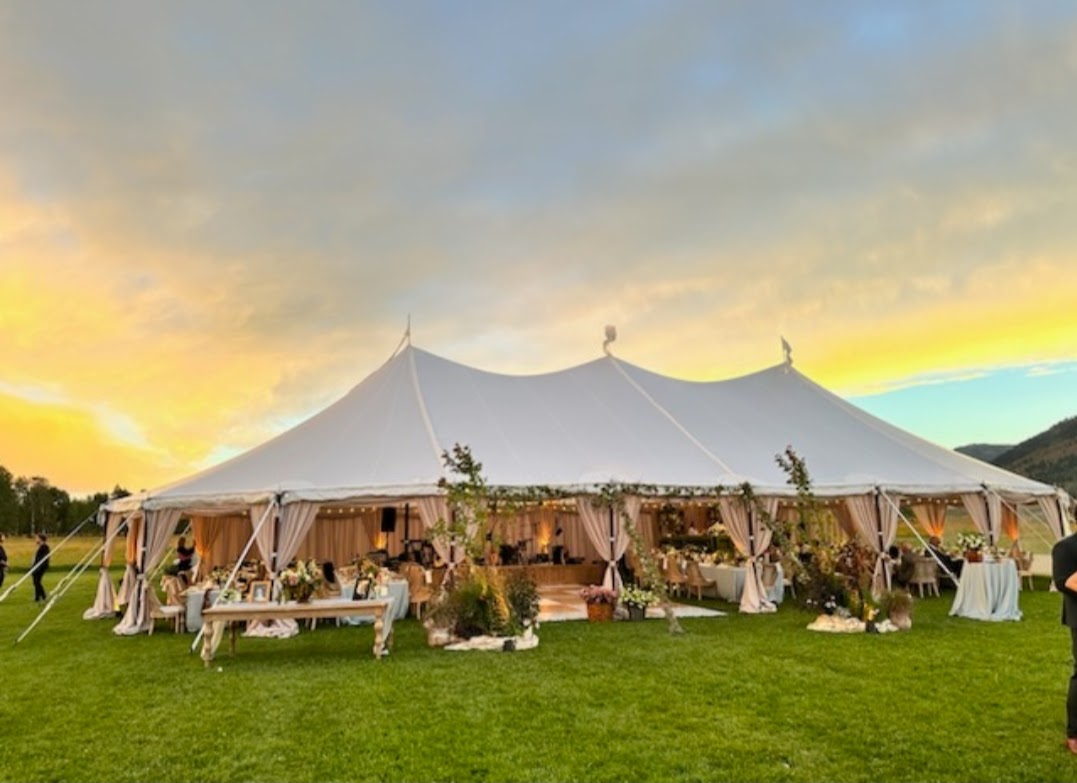
It is also not a disaster for a wedding, because a valley of this kind gives you two other things in the evening: alpenglow on the peaks after the sun has gone, which is a separate and often better phenomenon, and a foreground that takes beautiful low light from the west across open sagebrush and hay meadow while the range behind goes to shape.
So the day divides clearly. Morning for the mountains, evening for the ranch, and a short window after sunset for the alpenglow.
What follows is how to read the ranch, then the valley and the river, then the year at nineteen hundred metres — which is short, dry and more extreme than the postcard suggests.
The Snake River Ranch at a glance
| Where | A working ranch in Jackson Hole, Wyoming, at around 1,900 m, below the Tetons |
| The logic | Functional geometry: barns, corrals, fence lines, ditches, hay meadows, river bottom |
| The key fact | The Tetons are west — front-lit at dawn, silhouetted in the evening |
| The division | Mountains in the morning, the ranch in the evening, alpenglow after sunset |
| Ask first | Which areas and buildings are available, vehicle access, and the stock situation |
Reading the ranch
Start with the fence lines, because they are the strongest compositional element a ranch owns.
A fence is a straight line drawn across a landscape by someone who needed a boundary, and in this region it is usually buck-and-rail or post-and-rail timber — a repeating structure of poles and crossings running away over open ground. Photographed along its length from low down, it is a leading line with a built-in vanishing point and a rhythm in it, and it does something no natural feature does: it gives an enormous empty landscape a human measure.
So look for the fence that runs toward the mountains and the one that runs across the light. Both are frames. A couple standing at a fence corner, small, with the line running out of the bottom of the frame, is a photograph about being somewhere very large.
Then the barns and outbuildings. Ranch buildings are timber, plain and weathered, and weathered timber is one of the best textural surfaces there is — grain, splits, saw marks, nail heads, the silvering of an exposed board. It rewards raking light absolutely: a source almost parallel to the surface throws every ridge into its own small shadow, while frontal light flattens it to a brown plane. Photograph timber from the side, never straight on.
A barn’s other gift is its doorway. A large opening in a dark timber wall is an enormous soft light source with an extraordinarily fast falloff, because nothing inside reflects anything back — a subject a metre inside a barn door is beautifully modelled with a genuinely dark side, and the dark interior behind separates them completely with no aperture tricks. That is the best portrait light on any ranch and it is free. Step the positions out rather than guessing, because falloff near a barn opening can be a stop and a half per metre.
The corrals are the third element and they are more useful than they look. A corral is a curved or polygonal enclosure of rails, which means it gives you curved lines, layered rails to shoot through, and an enclosed space with a defined edge. Shooting through two or three rails at a subject inside softens the foreground into bands and gives the frame depth.
The hay meadows are the fourth and they are the venue’s open-ground answer. Irrigated meadow in a dry valley is a strong saturated green against grey sage and grey rock, which is a colour relationship you do not get on unirrigated ground, and cut hay in windrows or bales is a graphic pattern across a field that lasts a few weeks. Ask when the cut happens, because a meadow at full height, a meadow in windrows and a meadow in stubble are three different backgrounds.
Standing hay backlights well — the heads are translucent and a low sun behind them turns a field into a glowing screen. That is the best exterior frame the ranch itself offers and it is available in the weeks before the cut.
The irrigation ditches are the fifth and they are the only water you can rely on. A ditch is a straight or gently curved channel of clear moving water across a meadow, often with a strip of greener growth either side, and from low down it is a line of light running through the frame. It is also a mirror on a still morning, which on a ranch with no pond is worth knowing.
The river bottom is the sixth and it needs its own paragraph, in the next section.
Two practical questions to settle months ahead and in writing. Which areas, buildings and access roads a wedding may actually use, because a working ranch has stock, machinery, hay operations and private areas, and the answer will be a defined list rather than the whole property. And what the stock situation is on the date, because cattle in a paddock you wanted are not moving for a photograph, and a wedding party walking through livestock is a safety matter rather than a charming one.
Ask also about vehicle access to the further positions. A ranch is measured in square kilometres, and a wedding party of a dozen in formal clothing moves at perhaps fifty metres a minute with stops. If a vehicle can reach the river or the far meadow, the evening has three locations in it; if not, it has one.
The valley, the range and the river
Jackson Hole is a fault-bounded valley and the shape of it explains both the mountains and the light.
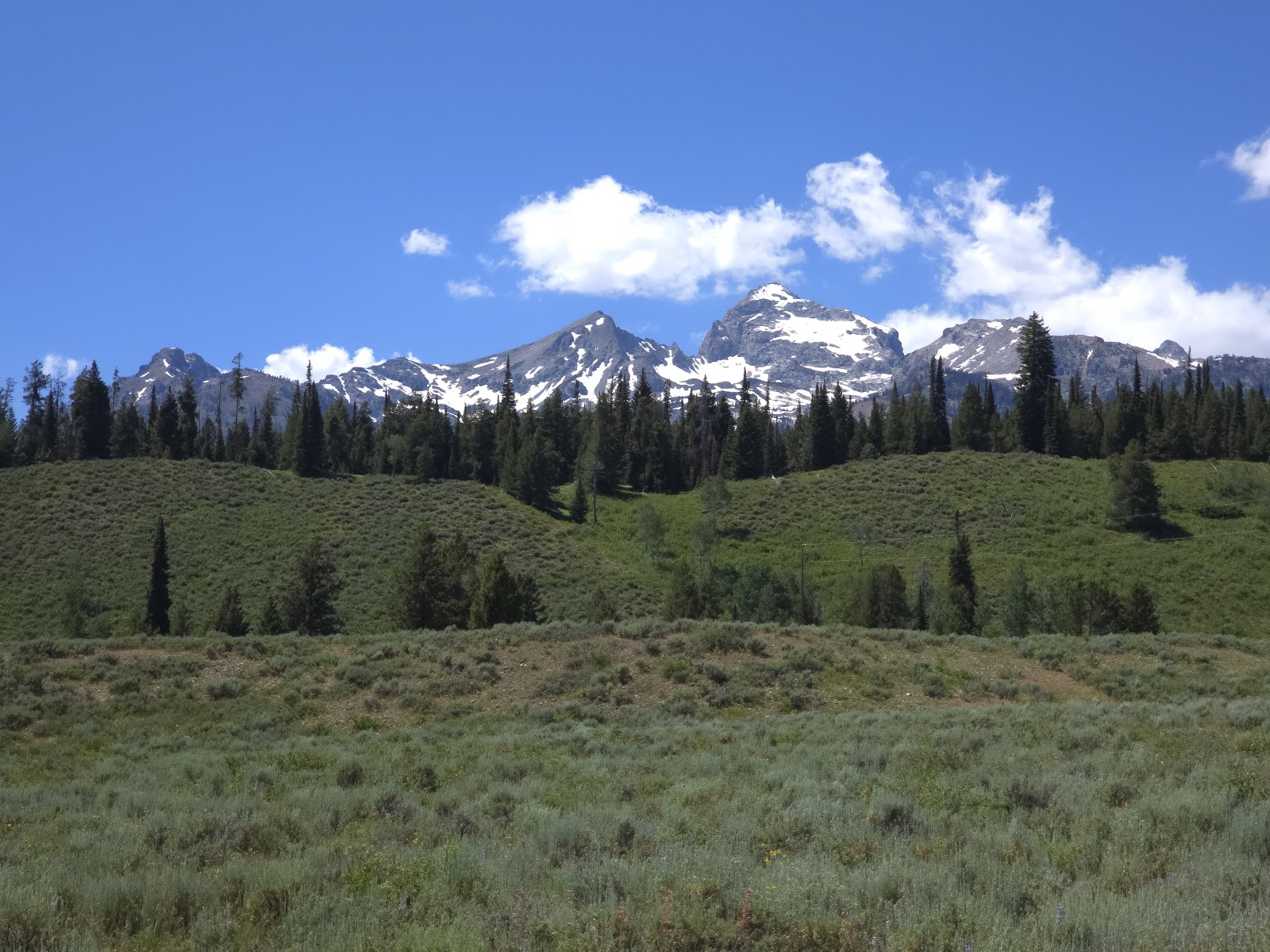
The Tetons rise along a fault on the western side, and the valley block has dropped while the range has been pushed up — so the peaks stand something like two thousand metres directly above the valley floor with no foothills between. The photographic consequence is that you get the whole mountain in one frame from the valley, base to summit and in proportion, which is why the range is recognisable to people who have never been near it.
Because the range is close and tall it occupies a large vertical angle, which forces a choice. A long lens on the peaks alone makes a landmark frame with no people in it, worth thirty seconds. A wide frame holding both the range and the couple makes the couple small and the mountain contextual. The version couples ask for — portrait distance with enormous peaks behind — is not available, and it is better to say so and offer the two that are.
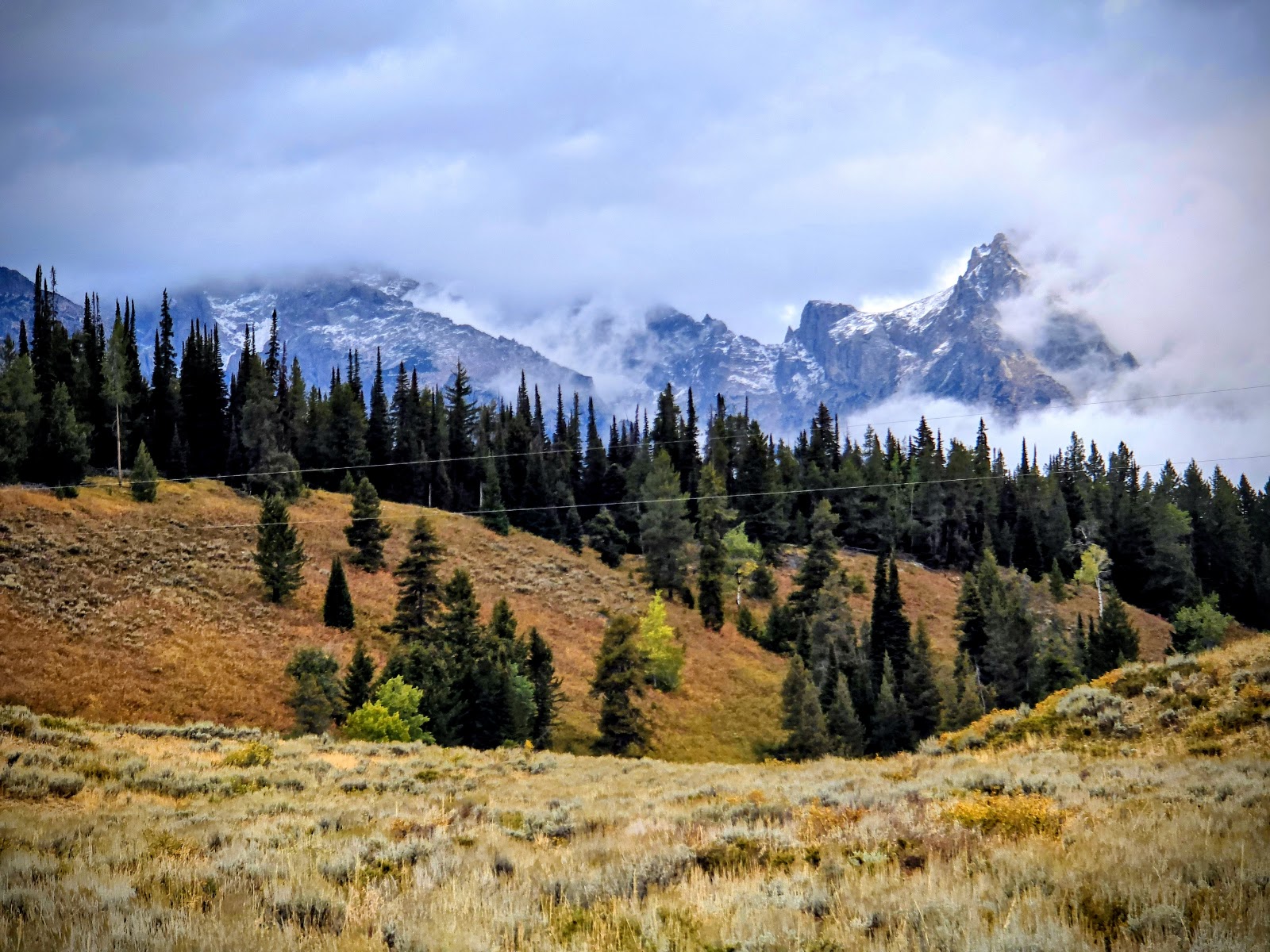
The morning is when the range is lit and it is worth getting up for. In the first hour, the eastern faces take direct low sun while the valley floor is still in shadow and often holds mist over the river and the meadows. A frame of lit peaks above a cold blue valley with mist in it is the best photograph available in Jackson Hole, and if a couple is staying on the ranch, a twenty-minute session at first light costs them sleep and nothing else.
In the evening the peaks are backlit. That produces two things worth having: a silhouette of a very distinctive skyline against a bright or coloured sky, and — crucially — beautiful low light on everything in the foreground, because the sun is coming across the valley from the west at a low angle. So the evening is the ranch’s hour: fence lines, timber, hay meadows and sage all take raking light while the range behind goes to shape.
Then alpenglow, after the sun has gone. The high peaks continue to catch light for several minutes, arriving pink and then deep rose because it has travelled a long way through the lower atmosphere, and they glow while the valley is already dark. Expose for the lit peaks and light the couple, because at any exposure holding the mountain a face in valley shadow is unlit. One small warmed source at low power, set up before the sequence rather than during it, because the whole thing lasts minutes.
The Snake River is the valley’s other feature and it does not behave like a lowland river. It is snowmelt-fed and braided, running in multiple shifting channels across a wide gravel bed, with cottonwood galleries along it — tall broad-crowned trees that are the only substantial deciduous canopy in a valley otherwise covered in sage and conifer.
Those cottonwoods matter for three reasons. They are the only real shade on the valley floor, which makes them the midday answer in summer. They turn gold in late September, and gold cottonwood along a braided river with a grey range behind it is the valley’s best autumn frame. And they are enormous, with wide low crowns, so one of them is a natural room that shades a group and frames a ceremony with no structure at all.
Two canopy rules apply as always: position for open sky arriving from the side rather than light filtered through leaves, which is genuinely green, and avoid dappled shade entirely, because hard bright patches several stops above the surrounding skin cannot be recovered.
The river itself is a graphic subject rather than a reflective one. Braided channels over pale gravel read as a pattern of light lines across a broad flat bed, best from any slight elevation, and the water is clear and fast rather than still — so it scatters rather than mirrors, and a low camera turns a riffle into a broken specular path with a low sun behind it.
Two cautions about the river bottom. It is a gravel bed and the channels move, so what was a bank last season may be water now, and footing is loose. And it is wildlife habitat in a valley with large animals in it — ask the ranch about that directly, take their guidance seriously, and do not walk a wedding party into willow thickets at dusk.
And the sage is worth a word, because it is the valley’s dominant surface and it is easy to dismiss. Big sagebrush is silver-grey, low, and very finely textured, and it takes low raking light beautifully — a sage flat at sunset is a field of silver with long blue shadows in it, and it photographs as a distinct landscape rather than as scrub. It is also the reason the irrigated green of a hay meadow reads so strongly: the contrast is between two completely different colours of ground.
Nineteen hundred metres, and the year
Altitude and aridity govern this valley, and both are stronger than the scenery suggests.
At around nineteen hundred metres there is meaningfully less atmosphere above you and very little moisture in it, which produces four consequences that a photographer from a humid climate will get wrong. Shadows are hard and four or five stops below the sunlit subject, because there is almost nothing in the air to fill them — whatever fill you want, you bring. The sky is deeply saturated rather than pale. Distance resolves with extraordinary clarity, so a long lens across the valley at the range is genuinely usable. And ultraviolet is much stronger, so sunburn happens faster than anyone plans for.
The diurnal range is large, which is the dry-air signature. A July day in the mid-twenties can be near five degrees by ten at night, and frost is possible in any month at this elevation. An outdoor reception needs heating and a bride in a summer dress at nine will be cold, whatever the afternoon was like.
Altitude also affects guests: breathlessness on slopes, faster dehydration, and alcohol markedly stronger than expected. Arriving a day early and drinking water is the advice, and a couple can put it in an invitation.
The seasons here are short and clearly divided.
July and August are the reliable summer: warm dry days, cold nights, hay in the meadows, wildflowers, and the range visible more often than not. Two hazards attach. Afternoon thunderstorms build over the mountains almost daily in this period — localised, quick, and carrying genuine lightning risk on open sage flats and in a river bottom, which is a safety matter rather than an inconvenience, so know where everybody goes and how long it takes. And wildfire smoke has become a serious recurring feature of August and September across the northern Rockies: smoke can fill this valley for days, turning the light orange, flattening all contrast and removing the range entirely from every frame. It cannot be forecast far ahead, so a late-summer plan needs an air-quality contingency as well as a weather one.
The last ten days of September into the first week of October is the best window of the year and it is not close. Cottonwood and aspen turn gold, the air is at its clearest, mornings are cold and still and mist forms over the river, the crowds thin, and sunset around seven puts the alpenglow at a civil hour. Elk are active and audible. The risk is an early snow, which at this elevation is entirely possible and which is photographically a gift rather than a problem — fresh snow on the peaks above gold cottonwood is as good as this valley ever looks.
That fortnight is the answer if a couple is flexible, and it should be said plainly.
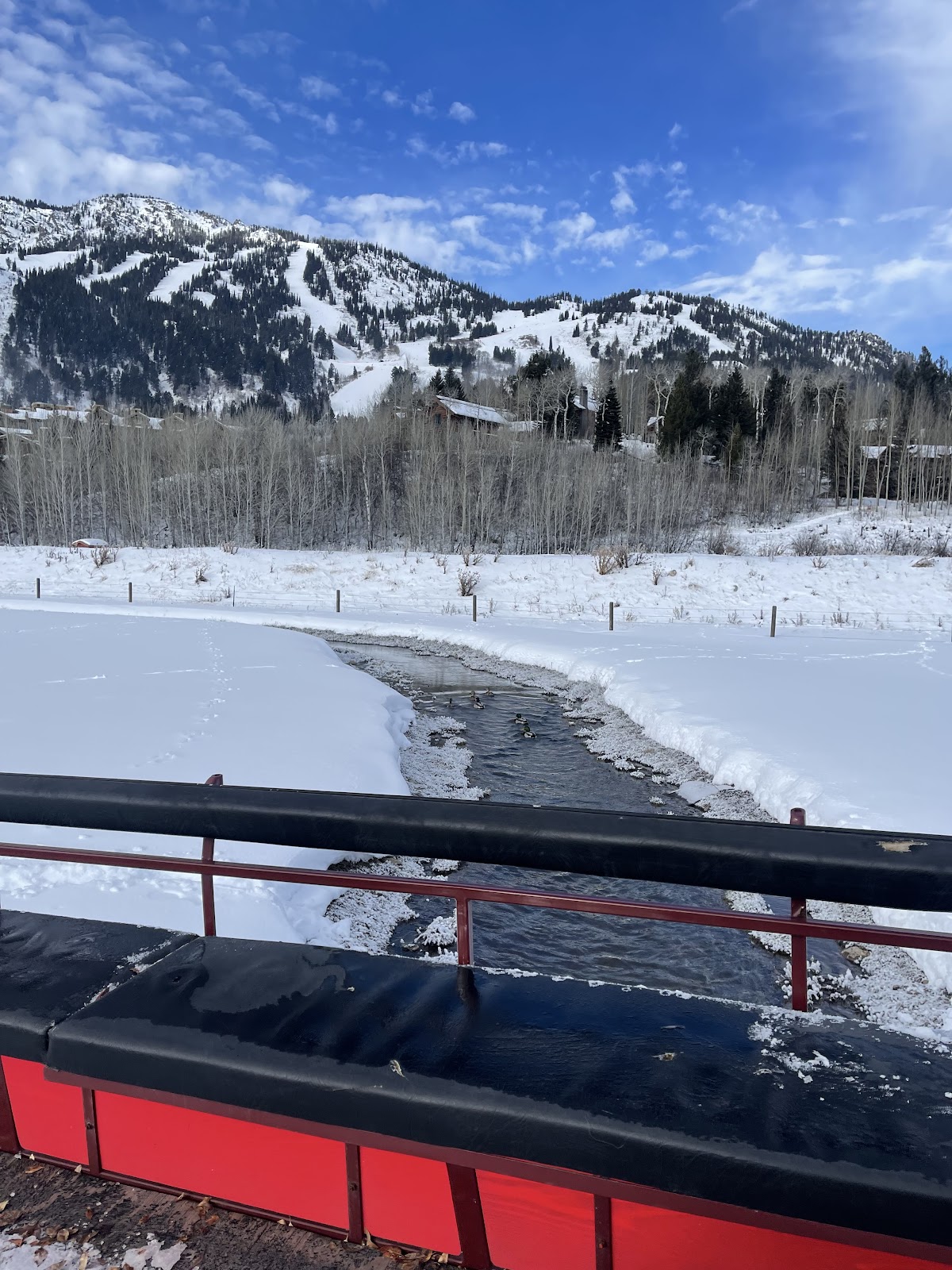
Late October into April is winter, and it is a long one. Deep snow on the valley floor, temperatures well below freezing and often far below, a low midwinter sun near twenty-three degrees that rakes everything through a short day, and roads that depend on conditions. The light is superb and the constraints are severe: sunset before five, cold that limits a party in wedding clothes to minutes, and a working ranch that in winter is feeding stock rather than hosting events. Establish whether the venue operates at all in that period.
For any cold-season date, two snow notes. Snow is the best natural fill light there is — it reflects a very high proportion of the light falling on it, so the ground throws light upward into faces and fills eye sockets with no card or flash at all. And it fools a meter: a mostly white scene reads as mid-grey and comes back one to two stops under, so add compensation and check a histogram. Snow in shade is genuinely blue because it reflects a blue sky, which at this altitude is a deeper blue than at sea level, so the effect is strong — leave it, because neutralising it makes the snow grey and dead.
May and June are the wet shoulder: high water in the river, mud on ranch tracks, late snow on the peaks, and a valley that greens up quickly. Late June is genuinely lovely and the ground is still soft.
Two closing notes that apply all year. Civil twilight at this latitude runs about twenty-eight to thirty minutes in midsummer, and at altitude the afterglow runs a little longer and considerably more colourful than that suggests, because you are seeing light scattered from air well above you — budget twenty minutes at the end rather than twelve, with the first half on the peaks.
And the compensation for any storm is the half hour after it clears, which at altitude is exceptional: the air washes to absolute clarity so the range resolves to its last detail, wet timber and wet gravel go several tones darker and far more saturated, fresh snow may have appeared on the peaks even in August, and a low sun comes under a broken ceiling onto a lit mountain face above a shaded valley. If a cell goes through at six, wait rather than pack.
More frames from The Snake River Ranch
The Snake River Ranch wedding photography: common questions
When are the Tetons actually lit?
At dawn. From Jackson Hole the range is to the west, so in the first hour of the day the low sun comes from behind you and strikes the eastern faces directly, and the peaks go gold while the valley floor is still cold and blue — often with mist over the river. In the evening the same peaks are between you and the sun, which gives a silhouette against a bright sky. If a couple’s reference images show golden Teton peaks, those were made at sunrise, and it is better to say so than to promise them at seven in the evening.
So what is the evening for?
The ranch. Because the sun is coming across the valley from the west at a low angle, everything in the foreground takes beautiful raking light — fence lines, weathered timber, hay meadows and silver sage — while the range behind goes to shape. Then alpenglow after the sun has gone, when the high peaks hold pink and then deep rose light for several minutes while the valley is already dark. Expose for the peaks and light the couple, because at any exposure holding the mountain a face in valley shadow is unlit.
How do you read a working ranch?
By its function. Nothing on it was laid out to be looked at, so the good positions are where working geometry produces a line or an enclosure. Fence lines are the strongest element — a repeating timber structure running away over open ground, which gives an enormous landscape a human measure. Barn doorways are the best portrait light, because a large opening in a dark timber wall is a big soft source with very fast falloff. Corrals give curved lines and rails to shoot through. And hay meadows give a saturated green against grey sage that no unirrigated ground provides.
What should we ask the ranch?
Which areas, buildings and roads a wedding may actually use, because a working operation has stock, machinery, hay work and private ground, and the answer is a defined list rather than the property. What the stock situation is on the date, since cattle are not moving for a photograph and walking a party through livestock is a safety matter. Whether a vehicle can reach the further positions, because a ranch is measured in square kilometres. And when the hay is cut, since standing hay, windrows and stubble are three different backgrounds.
Is the altitude a factor?
Yes, at around nineteen hundred metres. Guests will notice breathlessness on slopes, faster dehydration in very dry air, and alcohol markedly stronger than expected. For the camera it means very little atmospheric scattering: shadows four or five stops down with no fill available, a deeply saturated sky, and extraordinary clarity over distance. The diurnal range is also large — a July day in the mid-twenties can be near five degrees by ten at night, and frost is possible in any month, so an outdoor reception needs heating.
When is the best time of year?
The last ten days of September into the first week of October, and it is not close. Cottonwood and aspen turn gold, the air is at its clearest, mornings are cold and still with mist over the river, crowds thin, elk are active, and sunset around seven puts the alpenglow at a civil hour. The risk is early snow, which at this elevation is entirely possible and is a gift rather than a problem. Late summer is reliable but carries near-daily afternoon thunderstorms with real lightning risk on open ground, and a wildfire-smoke risk that can remove the range from every frame.
More Wyoming venue guides
We are writing a photographer’s guide to every venue we would happily shoot in Wyoming. Here are three more, plus the full index:
- The Cheyenne Crossing, Cheyenne: The Problem, and Four Ways Out of It
- The Grand Targhee Resort, Alta: Suits and Does Not Suit
Planning a wedding at The Snake River Ranch?
Mountains at dawn, ranch in the evening. Tell us your date.