 The Omaha Children’s Museum: A Photographer Answers Your Questions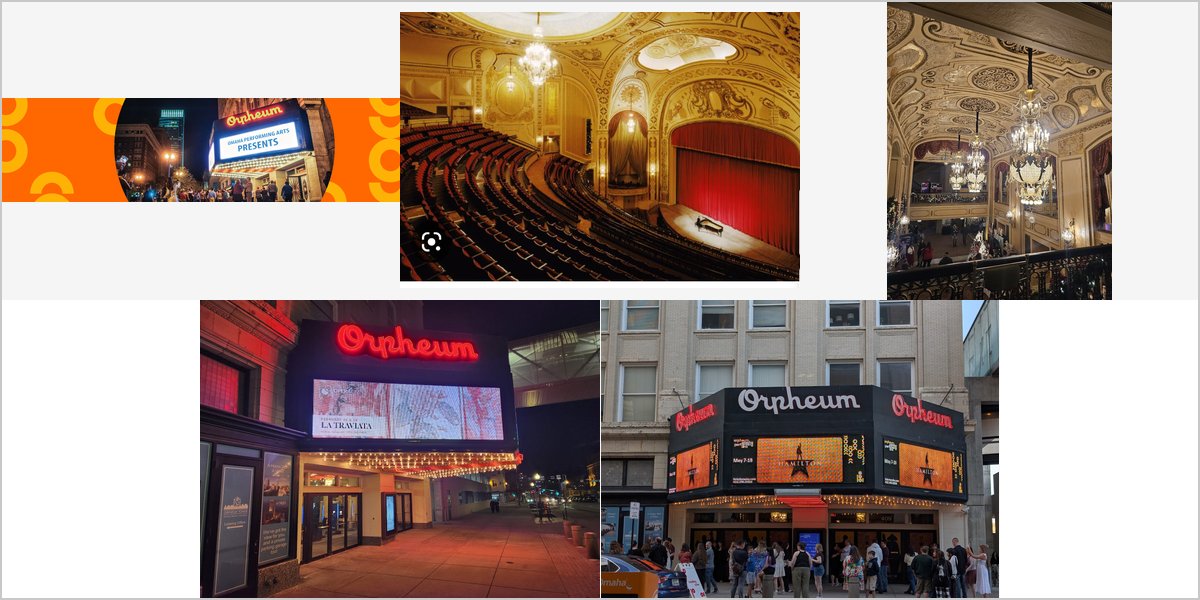
May 7, 2026
The Orpheum Theater: Field Notes on a 1927 Vaudeville Palace
Gilded plasterwork, chandeliers and a dark auditorium. Four problems, and the answer to three of them is the same: put the light to the side.
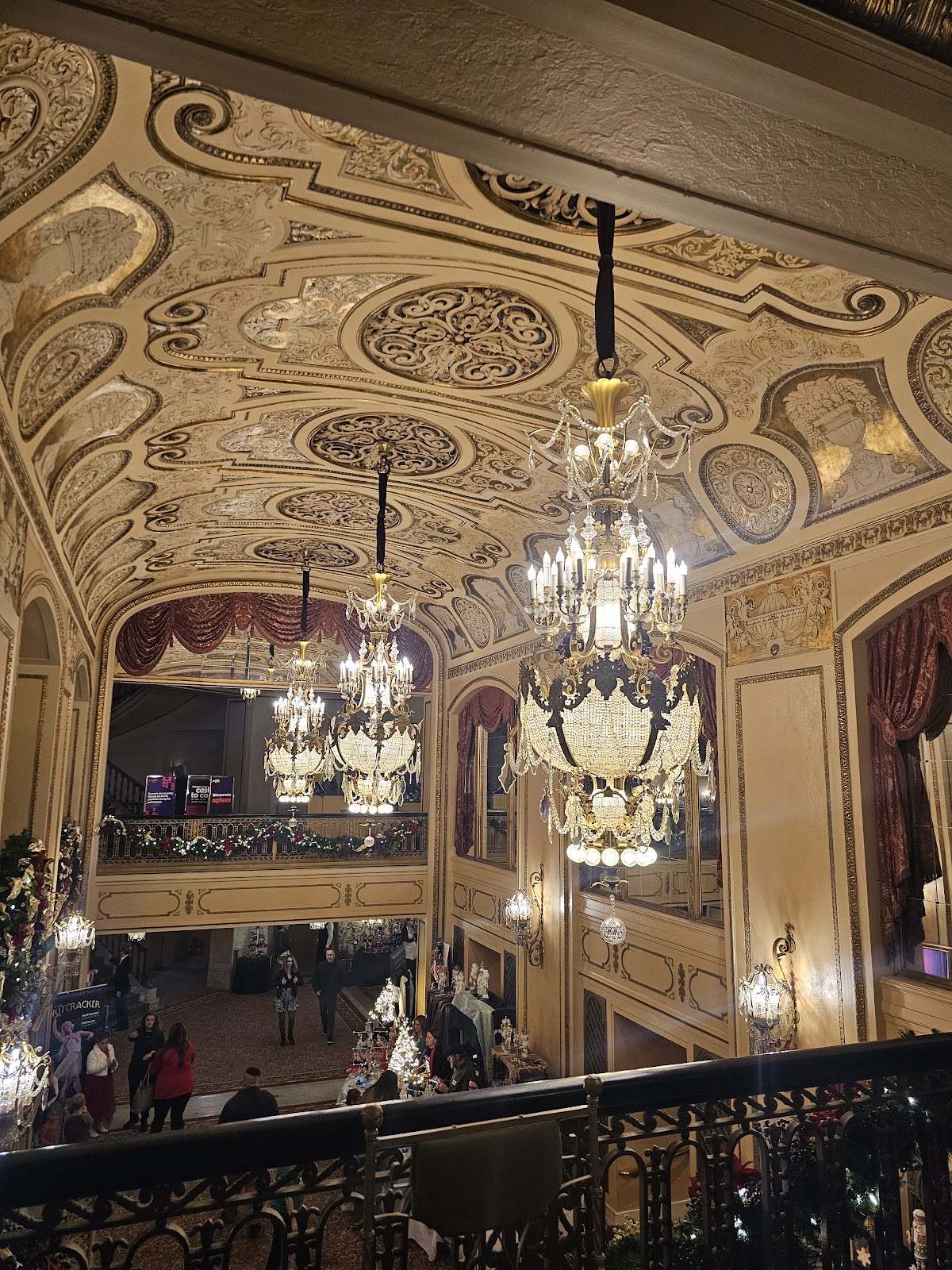
The Omaha Orpheum opened in 1927 as a vaudeville and movie palace, part of the Orpheum circuit, and was restored in the 1970s as a performing arts venue. It carries the full apparatus of the type: elaborate gilded plasterwork, chandeliers, a proscenium stage, boxes and a balcony.
Photographically it combines the two problem sets that define this kind of building. It is an ornate historic interior — low-relief gilded plaster that only reads under raking light, warm surfaces with no neutral reference, chandeliers several stops brighter than the room. And it is a working theatre — a dark auditorium, fixed raked seating, and a lighting rig that may or may not be available to you.
These are field notes on four problems. We have not photographed a wedding at the Orpheum; gilded plaster and theatre lighting behave identically everywhere. Stage access, balcony access and whether the lighting board will be operated for you are for their events team, and those answers shape most of what is possible.
Orpheum Theater at a glance
| Where | Harney Street, downtown Omaha, Nebraska |
| Opened | 1927 as a vaudeville and movie palace; restored in the 1970s |
| Character | Gilded plasterwork, chandeliers, proscenium stage, boxes and balcony |
| Light | Dark auditorium by design; warm gilded surfaces; theatrical rig on stage |
| Ask first | Stage and balcony access, and whether the board will be run for you |
Problem one: gilded relief disappears under frontal light
Gilded plasterwork is low-relief and worked at a fine scale, and gold leaf compounds the issue because it is reflective. Light it from the camera position and two things happen at once: the relief flattens because its shadows are gone, and the gilding returns a single dull sheen rather than the line of specular points that makes it read as metal leaf.
Light it from well off axis, feathered so the beam skims across the surface, and both problems resolve simultaneously. The relief stands up because each moulding casts a small shadow, and the gilding produces a run of bright specular highlights that reads unmistakably as gold.
This is the single highest-value decision in the building and it costs nothing but placement. It is also the one most commonly got wrong, because the instinct with a dark room is to put light where the camera is.

Problem two: no neutral surface anywhere
Gold leaf, warm tungsten fixtures, deep-toned upholstery and patterned carpet all add amber, and there is nothing pale or neutral in the room to balance them. Skin lit only by the ambient has no cool component at all, which is what makes it look artificial rather than merely warm.
The fix is differential: keep the room warm in white balance because a 1927 palace genuinely is warm, and light faces with something closer to neutral so skin retains some coolness. Correcting the whole frame to neutral turns the gilding grey-green and removes the reason the room is impressive.
Set white balance manually and re-set it whenever the lighting state changes. In a theatre that may be several times in an evening, and auto white balance chasing each change produces a set of frames that do not match each other — which is worse than being slightly warm consistently.
Problem three: six or seven stops between stage and house
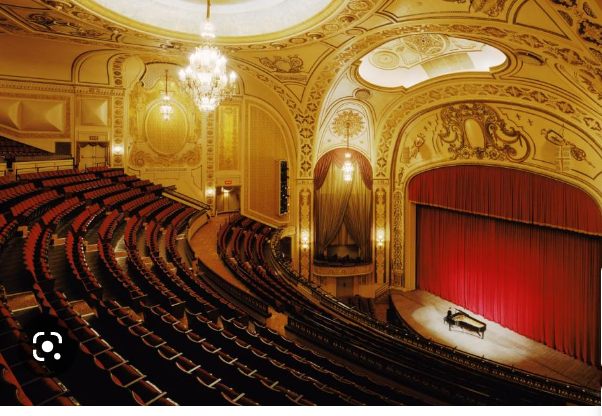
A lit stage in an unlit auditorium is a range no single exposure holds. Trying to find a middle setting gives a grey stage and a murky house and flatters nothing.
Expose for the stage and let the house go black. That is how a theatre looks and the darkness is the subject rather than a failure. Meter off the faces on stage and disregard what the overall meter says about the room.
For a wide frame showing the auditorium’s scale and plasterwork, take it separately with the house lights up — before guests arrive or during a break. Two frames, not one compromised. And take it from the balcony, because an elevated view down the auditorium shows the room in a way no ground-level position can, and it is the frame most photographers never ask for.
Problem four: fixed seating, and no daylight at all
Raked fixed seating means your positions are the aisles, the front of the stage, the boxes if permitted, and the balcony. That is a short list and it should be walked before the ceremony rather than discovered during it. Boxes are worth asking about specifically — a box gives an elevated side angle that is different again from the balcony.
If the lighting rig will be run for you, ask for a neutral or lightly warm front wash on the ceremony position and the house lights kept low. Continuous light means natural moments are lit rather than only posed ones, which is a real advantage over flash. Avoid coloured gels for the ceremony: a dress lit magenta stays magenta and no editing recovers it.
There is no daylight anywhere in a theatre, which makes the outdoor block the only naturally lit part of the day. Downtown Omaha has good early twentieth-century commercial architecture and the Old Market district of brick warehouses and cobbled streets is nearby, both excellent in the twenty minutes after sunset. Schedule ten minutes for it as a fixed item — in a windowless venue it is not optional.
A seasonal note: Omaha’s continental climate makes that exterior block comfortable in spring and autumn, uncomfortable in a humid July, and very brief in a sub-freezing January. Plan its length to match the month.
What works in your favour
- Elaborate 1927 gilded plasterwork that is spectacular under raking light
- Gold leaf produces genuine specular highlights when lit from the side
- A working rig, if operated for you, beats anything a photographer can bring
- Balcony and boxes give elevated angles most photographers never get
- Downtown Omaha and the Old Market nearby for the dusk block
What to plan around
- Frontal flash flattens the relief and kills the gilding’s specular quality
- No neutral surface anywhere; a differential white balance is required
- Six or seven stops between lit stage and dark house — two frames, not one
- Fixed raked seating limits positions; balcony and box access must be confirmed
- No daylight at all, so the dusk excursion is the only naturally lit frame
More frames from Orpheum Theater
Orpheum Theater wedding photography: common questions
Why does light direction matter so much in a gilded theatre?
Because frontal light causes two failures at once. The low-relief plasterwork flattens because its shadows disappear, and the gold leaf returns one dull sheen instead of the line of specular highlights that makes it read as metal. Light from well off axis and both problems resolve together.
Why not correct the warm colour globally?
Because it destroys the room. Correcting a gilded 1927 interior to neutral turns the gold grey-green and removes exactly what makes it impressive. Keep the room warm and light faces with something closer to neutral so skin retains a cool component — differential rather than global.
How do you handle the stage-to-house contrast?
Expose for the stage and let the house go black; the darkness is the subject rather than a fault. For a wide frame showing the auditorium and its plasterwork, shoot it separately with the house lights up, ideally from the balcony. Two frames rather than one compromised one.
What should we ask about the lighting rig?
Whether it will be operated for you, and if so ask for a neutral or lightly warm front wash on the ceremony position with the house lights kept low. Continuous light means natural moments get lit too. Avoid coloured gels for the ceremony — a dress lit magenta stays magenta.
Where do the daylight photographs happen?
Outside, because a theatre has none. Downtown Omaha’s early twentieth-century commercial architecture and the Old Market’s brick warehouses and cobbled streets are both nearby and both excellent in the twenty minutes after sunset. Schedule ten minutes; in a windowless venue it is not optional.
More Omaha venue guides
We are writing a photographer’s guide to every venue we would happily shoot in Omaha. Here are three more, plus the full index:
- The Rose Theater: A Walk-Through of a 1926 Movie Palace
- The Brickway: Who This Old Market Distillery Suits
- The Venue at 60th: Field Notes on a Purpose-Built Event Space
Planning a wedding at Orpheum Theater?
One decision carries this venue: put the light to the side so the 1927 gilding actually reads. Tell us your date and whether the rig will be run for you, and we will plan the rest around it.