 Indianapolis Zoo: Reading a Day From Open Grounds to Underwater Glass
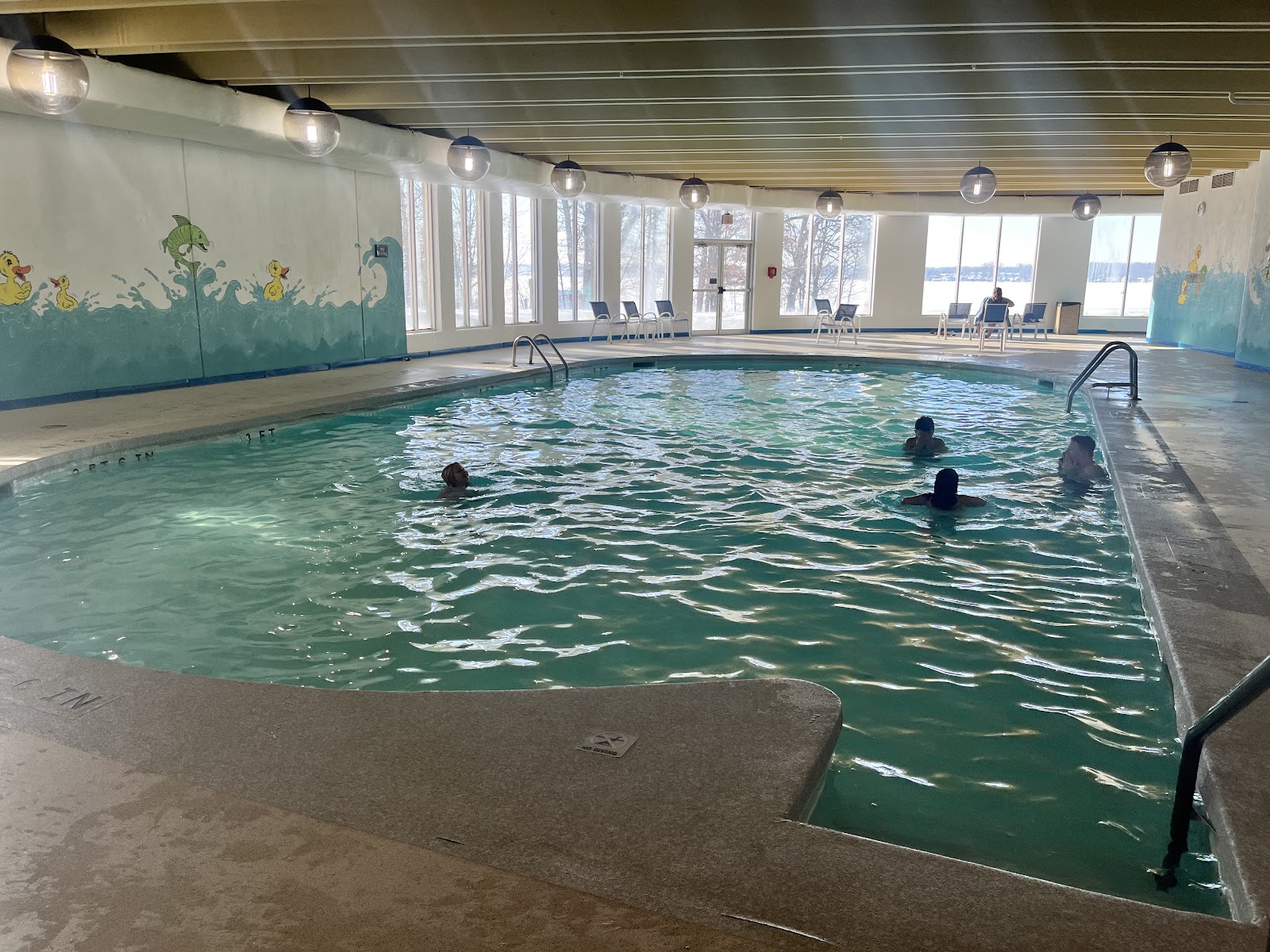
Potawatomi Inn, Angola: How the Light Moves on a Kettle Lake
A kettle lake: deep, clear and cold, which changes what the water does to light.
The lake here is a kettle lake and it is worth knowing what that means, because it determines how the water behaves photographically.
When the last ice sheets retreated from northern Indiana they left behind buried blocks of ice in the glacial debris. As those blocks melted, the ground above them collapsed into steep-sided depressions, which filled with water. The result is a kettle lake: deep relative to its area, steep-shored, fed largely by groundwater rather than by surface run-off, and consequently clear and cold.
That is different from a reservoir or a river-fed lake in three ways that matter to a camera. Clear deep water reads a genuine blue on a clear day rather than the brown-green of a sediment-laden lake, so the water itself contributes colour to a frame. The steep shores mean the wooded margin comes right down to the water, which gives a dark treeline reflected at close range. And groundwater feeding means the water is cold, which produces mist on warm mornings and delays freezing in winter.
The rest of the site is northern Indiana moraine country: rolling ground left by the ice, mixed hardwood forest with some conifer, and a park inn set among it. The ground is not flat — which distinguishes this corner of the state from the level till plain further south — and a gradient is always useful.
Angola sits in the far north-east corner of Indiana at about forty-one and a half degrees north. The June noon sun reaches around seventy-two degrees, the December noon sun about twenty-five and a half, days run from about nine hours five to fifteen hours ten, and civil twilight is around thirty-one minutes.
We have not photographed a wedding at this inn. Which spaces and grounds are included, what access there is to the shore and any dock, and what the permitted hours are, are questions for their team — and at a state park property, some answers will be rules rather than preferences.
Potawatomi Inn at a glance
| Where | A park inn on a chain of glacial kettle lakes in northeast Indiana |
| The lake | Deep, clear, cold and groundwater-fed: genuinely blue, and misty on warm mornings |
| The shore | Steep, with a dark wooded margin reflected at close range |
| The ground | Rolling moraine, not the flat till plain further south |
| Ask first | Included grounds, shore and dock access, permitted hours |
Dawn to midday
The first hour is the best on any lake and on a cold kettle lake it is better than most, because the temperature difference produces mist.
When air warmer than the water moves over it, the water vapour condenses — and a groundwater-fed lake stays cold well into the warm months, which makes mist on the surface a regular morning occurrence from late spring through autumn rather than an occasional one. Mist over still water with a dark treeline behind it is the most atmospheric frame this kind of property produces.
The surface is also unbroken at that hour, because the air has not started moving. A reflection frame belongs to the first hour and nowhere else in the middle of the day, and the technical point is consistent: a reflection is about a stop to a stop and a half darker than the thing it reflects, so a frame exposed for the sky has a flat dark reflection and one exposed for the reflection blows the sky.
The reliable solution here is easy, because a steep-shored kettle lake has a dark wooded margin coming right down to the water. Compose so the reflection is of that treeline rather than of the open sky, and the two sit within a stop of each other and need nothing at all.
Mid-morning is the best land portrait window before the evening. With the sun between twenty and forty degrees, the open ground is lit directionally rather than from overhead, faces have modelling, and the grass has texture. A group on open ground with the sun behind the camera at this hour needs nothing added.
It is also when the lake’s colour is at its strongest. A deep clear lake takes its colour from the sky and from depth, and with the sun high enough to penetrate and the surface still reasonably calm, mid-morning into early afternoon is when it reads most strongly blue. Anyone who wants that particular blue has to take it at a time when the light on people is otherwise difficult — a conscious trade.
Midday on the open ground is the hardest light of the day. At seventy-two degrees of June elevation the sun puts eyes in shadow and foreheads in light, and a lawn has no cover.
The lake helps more than it might: uplight off the water fills the sockets a high sun leaves dark, which means a subject at the shore at noon is workable where the same subject twenty metres inland is not. It also fools the meter — a frame with bright water and bright sky underexposes by a stop or more unless the compensation is deliberate and checked on skin.
The woodland at the margins is the other midday answer, and in northern Indiana the species mix divides the usual way. Any conifer — white pine, spruce, or planted stands — blocks almost everything and gives near-darkness, which makes its edge the best free separation available: a subject a metre inside a conifer margin has soft directional light in front and three or four stops of dark behind.
Hardwood canopy — maple, oak, beech, hickory — gives soft even light with a green cast, corrected by standing two metres inside the edge and facing out rather than going deeper. And on a steep kettle shore the wooded margin is close to the water, which means the conifer edge and the lake’s uplight can be combined in a single position: dark background behind, fill from below in front.
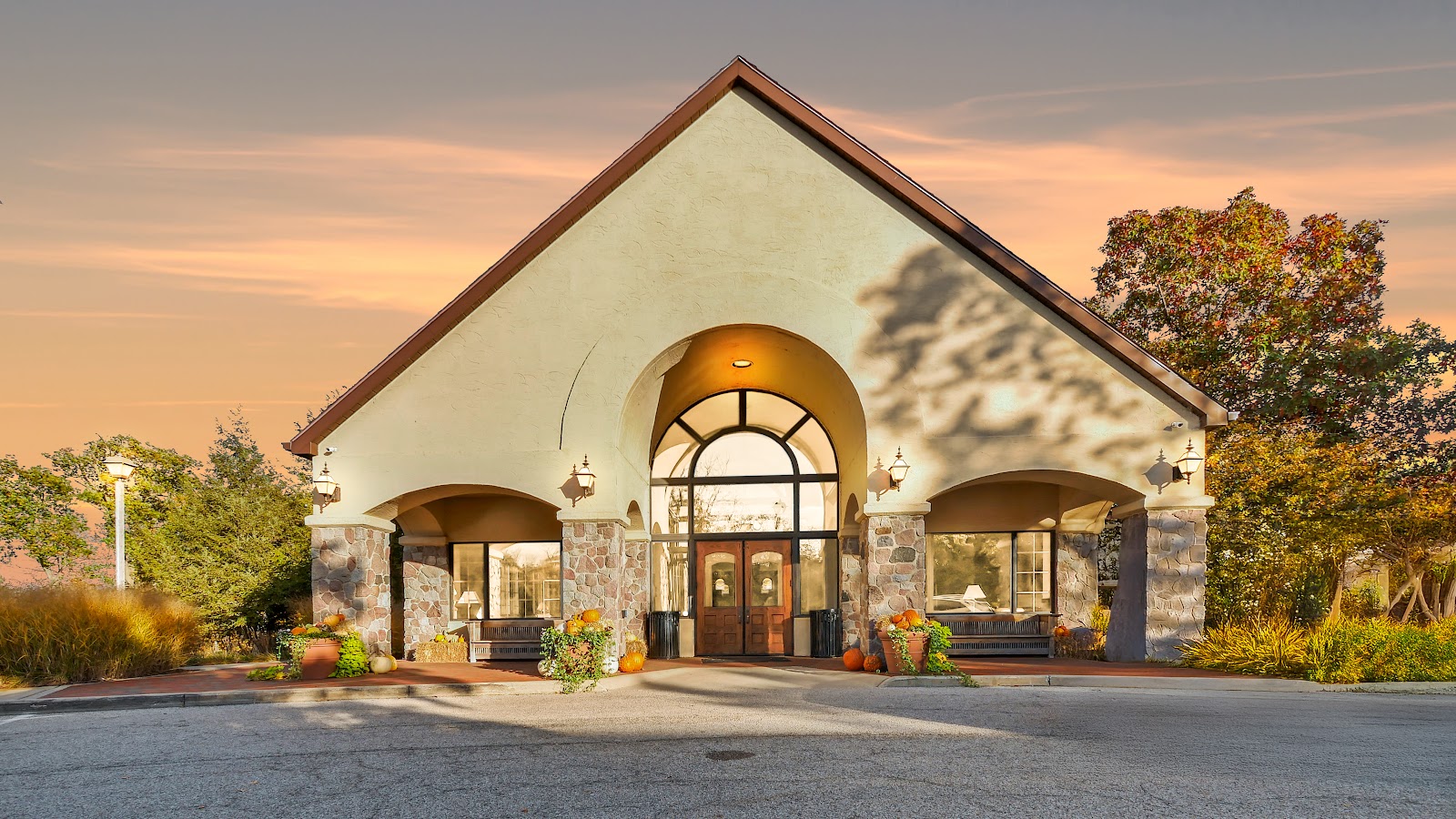
Afternoon to dark
Early afternoon is the weakest window and the right time for the interiors.
A park inn of this kind is likely to be timber and moderate in scale, which is a useful combination. Timber absorbs rather than bounces, which means the ambient sits a stop or two below what the eye estimates and the background falls away for free — meter on skin and let the room go dark. A window used at forty-five degrees is the whole interior plan.
The specific advantage of a lakeside building is that the lake-facing windows receive light bounced off the water as well as light from the sky, which makes them brighter and cooler than the inland-facing ones. On a bright day a lake-facing window is the best light in the building; it is also the coolest, which means white balance goes on a face rather than on a preset.
Corridors and stair halls are, as always, better than they look: a hallway with a window at one end has several stops of fall-off along its length.
Mid-afternoon into the last two hours is when the site comes back, and on a lake the improvement is continuous rather than sudden. The sun drops, the light warms, the surface begins to settle as the land cools, and the water changes from blue to gold and then to slate.
Which direction that happens relative to the venue decides the plan, and it is worth establishing on arrival rather than assuming. A west-facing shore takes the sunset over the water and the last hour is spectacular and technically demanding; an east-facing shore gets a lit far shore, a lit building and a calm dark lake in front — quieter, easier, and often the better photograph.
On a chain of kettle lakes, both aspects are usually available within a short walk, which is a genuine advantage over a single-shore property.
Where the sun does set over the water, the standard backlight problem applies and three answers work. Add a close warm-gelled source at a stop over the ambient and expose for the sky and water. Expose for the sky alone and silhouette, which works well on a lake because the far shore gives a clean horizontal base. Or turn around and use the low sun frontally with the lake behind, which cannot fail and should be taken first when the window is short.
The last hour also returns the mirror as the wind drops, and a reflection in warm low light with a dark treeline doubled in it is the strongest frame this kind of venue produces. It requires being in position at the right moment rather than arriving to look for it.
Then dusk, and at this latitude it is generous: around thirty-one minutes of civil twilight, which is a real working window rather than a scramble. On a lake with an open aspect the whole of it is usable; among trees, almost none of it is, because the wooded shore takes it early.
A dock, if there is one, is the single most useful structure at any lake venue: a straight line into water for perspective, people placed over the surface so they are filled from below, and a constraint that turns posing into small adjustments rather than arrangement. It is narrow, a camera cannot back up far on it so the shooting position is from the shore, and it is the windiest spot on the property.
Two practical notes. Mosquitoes are a real consideration near a wooded lakeshore at dusk from about June into September, and they belong in the planning conversation. And northern Indiana sits in the Great Lakes severe-weather region with a peak from April into June — on open ground or a dock with no cover, a named indoor alternative in those months is a requirement.
- Mist on a cold lake is a regular morning event, not a lucky one
- Compose reflections against the dark wooded shore, not the open sky
- The conifer edge and the lake’s uplight can be combined in one position
- Establish which way the shore faces before planning the evening
- Thirty-one minutes of twilight — usable on open water, gone among trees
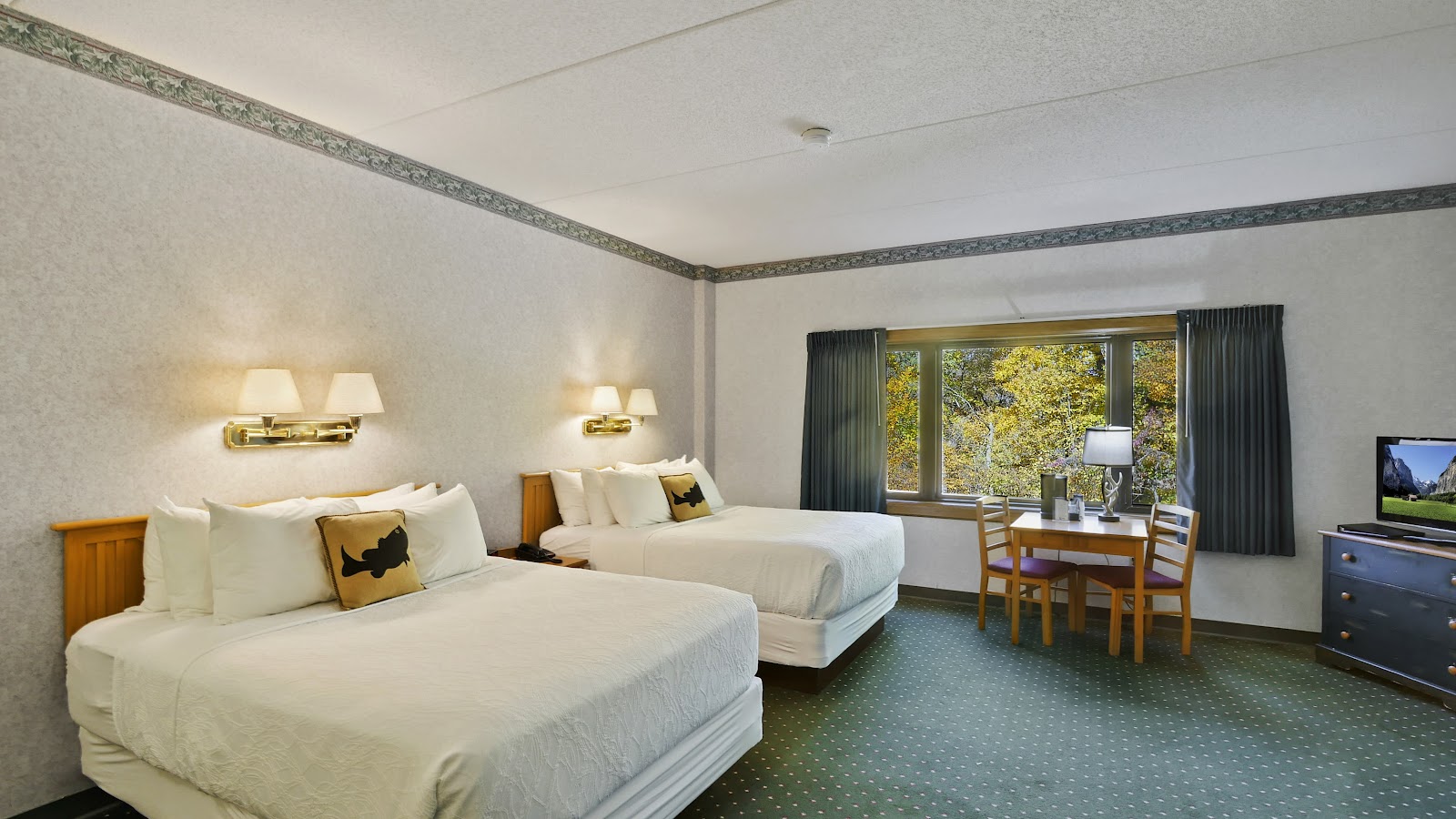
The northeast Indiana year
Four real seasons, and one regional characteristic that shapes half of them: this is cloudy country in winter.
The southern Great Lakes have some of the cloudiest winters in the United States, and northeast Indiana sits in that band. From November through February persistent low overcast is the normal condition rather than an interruption, with lake-effect cloud reaching this far inland from Lake Michigan in the right flow.
The consequence is that the raking low light that makes texture work is frequently unavailable in winter here. What is available instead is soft, directionless overcast, which is unflattering for landscape and forgiving for faces — and which makes group photography easy, because everyone is in the same light everywhere on the property.
An Indiana winter wedding should plan for soft light rather than dramatic light, and should treat the interiors and the covered spaces as the primary venue rather than the fallback.
When the lake does freeze, a kettle lake behaves differently from a shallow one: because it is deep and groundwater-fed it freezes later and thaws earlier, and the ice is often clearer. A frozen kettle lake with snow on it is a flat white plane ringed by near-black conifer and bare hardwood, and snow is the best natural fill available — it lifts every shadow to within a stop and fools a meter by about two, so open up deliberately.
Access onto ice is a question for the park and for conditions, never an assumption.
Spring is late here because the cold water holds the air temperature down at the shore. April is bare and grey; leaf-out runs into May, and the pale transmissive green of new foliage backlights beautifully for about three weeks. Redbud and flowering dogwood come in the wooded areas in late April and early May, lit directly before the canopy closes.
Spring is also the best mist season, because the air warms while the groundwater-fed lake stays cold — which is the exact condition that produces morning fog over water.
The costs are the severe-weather peak from April into June, and mosquitoes arriving with the warmth.
Summer is the season and the days are long: over fifteen hours at the solstice, with thirty-one minutes of civil twilight, which gives an unhurried evening. The lake is at its most saturated blue, the woods are full, and the middle of the day at seventy-two degrees is the hardest light of the year.
Humidity puts haze into the air, which on a lake at close range costs little and across a chain of lakes costs more. Boat traffic on a recreational lake breaks the surface, which means a mirror on a July afternoon is unlikely for reasons unrelated to wind.
Autumn is the best season here. Northern Indiana turns in the first half of October — a week or two ahead of the southern hills — with sugar maple orange and red, hickory gold, oak russet and sassafras orange-scarlet.
On a lake that colour arrives twice: once on the shore and once in the reflection, which doubles it. A still morning in the first week of October with mist rising off cold water and a mirrored shoreline of red and gold is the single strongest frame this venue produces all year, and it is worth building the day around.
By November the overcast has settled in, the woods are bare, and the interiors take over.
More frames from Potawatomi Inn

Potawatomi Inn wedding photography: common questions
What is a kettle lake?
A lake formed where a buried block of glacial ice melted and the ground collapsed. They are deep, steep-shored, groundwater-fed, and therefore clear and cold.
Why does that matter photographically?
Clear deep water reads genuinely blue rather than brown-green, the steep wooded shore reflects at close range, and the cold water produces mist on warm mornings.
How do I expose a reflection?
Compose so the reflection is of the dark wooded shore rather than the open sky. A reflection runs about a stop darker than what it reflects.
What is the best combined position?
On a steep kettle shore, a conifer edge close to the water — dark background behind the subject, and fill from below off the lake in front.
What should I expect of an Indiana winter?
Persistent low overcast from November to February. Plan for soft forgiving light and treat the interiors as the main venue, not the fallback.
When is the venue at its best?
A still morning in the first week of October: mist off cold water, and red and gold shoreline doubled in the reflection.
More Indiana venue guides
We are writing a photographer’s guide to every venue we would happily shoot in Indiana. Here are three more, plus the full index:
- The Riverbend Barn, LaPorte: A Walk Through the Site
- Sand Creek Country Club, Chesterton: Field Notes, Problem and Solution
- The Story Inn, Story: One Frame and How It Is Made
Planning a wedding at Potawatomi Inn?
A cold clear lake and a wooded shore. Tell us your date and we will plan the morning.