 Venue at Willow Creek, Huntsville: The Problem, and Four Ways Out
Historic Lacey’s Chapel, Athens: One Frame, and How It Is Made
A whitewashed chapel has nothing dark in it. That inverts every usual rule.
There is one frame a small plain chapel gives, and it is worth building carefully because the building works in the opposite way to almost every other chapel in this guide.
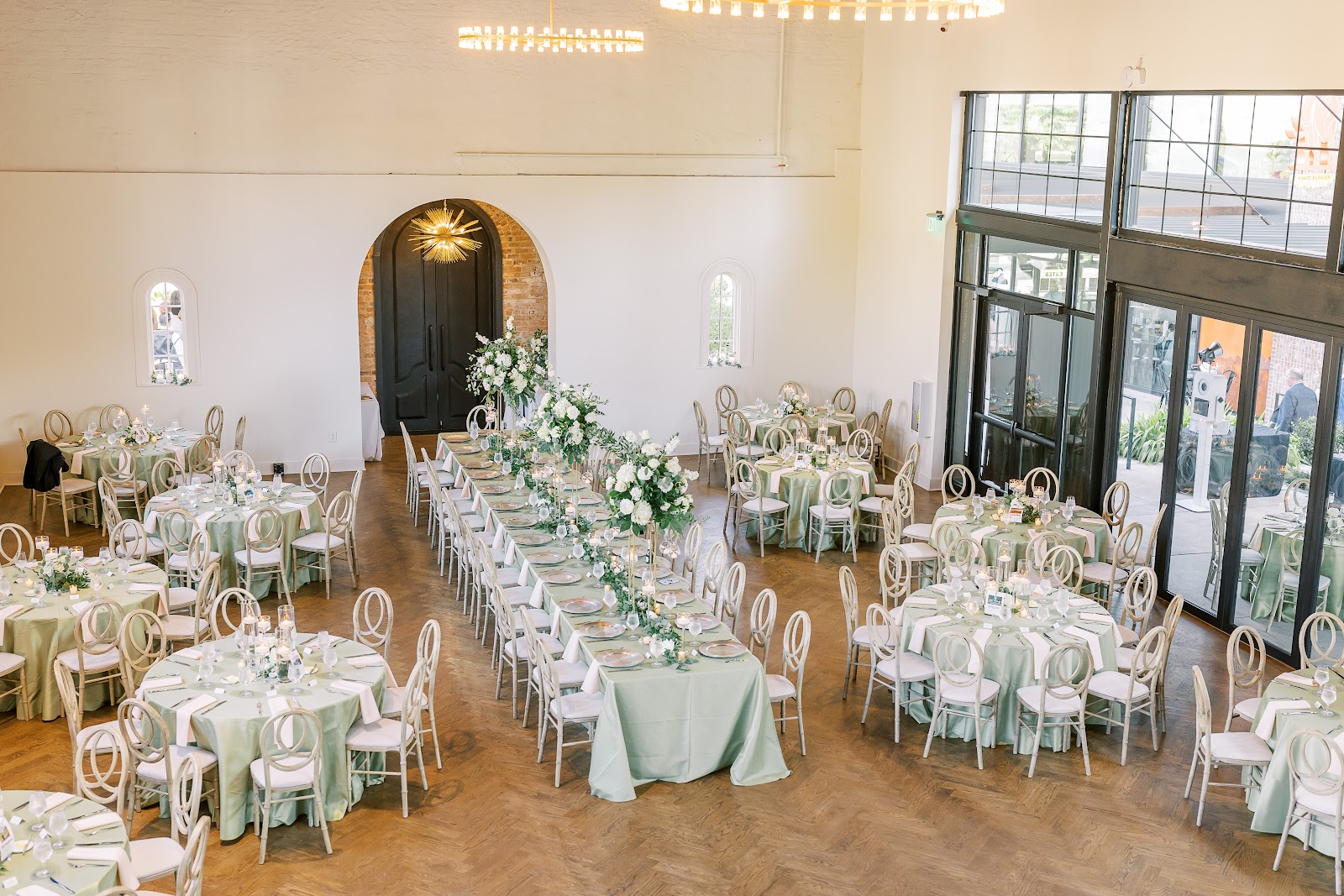
Most historic chapels are dark: stone, heavy timber, deep colour, small openings. Their gift is absorption — a background that falls away for nothing and a face lit by one window against near-black. A plain nineteenth-century country chapel in the American South is the reverse: whitewashed or white-painted inside, with tall clear-glazed sash windows down both sides, pale boarded walls and a pale ceiling.
That means light bounces from every surface. It fills the shadow side of a face, lifts the background, and travels the full length of the room — which makes the chapel bright, even and remarkably easy to see in, and removes the separation that a dark building supplies.
So the frame is different. A subject stands beside a tall sash window, turned into it, and the picture depends on the direction of the light rather than on the fall-off — because there is no fall-off worth having. Everything behind them is white, which means the separation comes from the modelling on the face and from the graphic simplicity of the room rather than from tone.
That simplicity is the frame’s real subject. A plain chapel has nothing in it: white walls, wooden pews, plain glazing, perhaps a simple pulpit. There is no ornament to compete with a couple, and a frame in such a room is about two people in an almost empty space — which is a strong and specific picture that an ornate building cannot produce.
The setting is north Alabama: humid subtropical, mixed hardwood and pine, red clay, and a genuine autumn.
We have not photographed a wedding at Historic Lacey’s Chapel; small plain southern chapels behave consistently. Capacity, whether photography is permitted during the ceremony and from where, whether flash is allowed, what the lighting can be set to, the covered alternative, and what access there is before and after are questions for their team.
Historic Lacey's Chapel at a glance
| Where | A small nineteenth-century chapel at Athens, north Alabama |
| The building | Whitewashed inside with tall sash windows — bright, even, and bouncing |
| The frame | A face beside a window in an almost empty white room |
| The inversion | No fall-off and no dark background; the separation is modelling and simplicity |
| Ask first | Capacity, photography positions, flash, lighting, access before and after |
How the frame is made
The exposure is the first decision and it runs the opposite way to every dark chapel in this guide. A meter looking at a whitewashed interior pulls the walls toward mid-grey, which underexposes the whole frame and gives grey walls and dark faces — the single commonest failure in a white room.
The correction is deliberate: meter on skin, work in manual, and expose brighter than the camera suggests, frequently by a stop. The check is the walls — they should read white with the texture of the boards or the plaster visible in them, not grey and not a featureless blank.
That is the whole technical discipline in a building like this, and getting it right is the difference between a clean bright honest photograph and a dull grey one.
The position is the second decision. Beside a tall sash window rather than in the middle of the room, turned about forty-five degrees into it, is the frame — because even in a bouncing white room the window is much brighter than the walls, which means it is still directional. The bounce fills the shadow side rather than eliminating the direction.
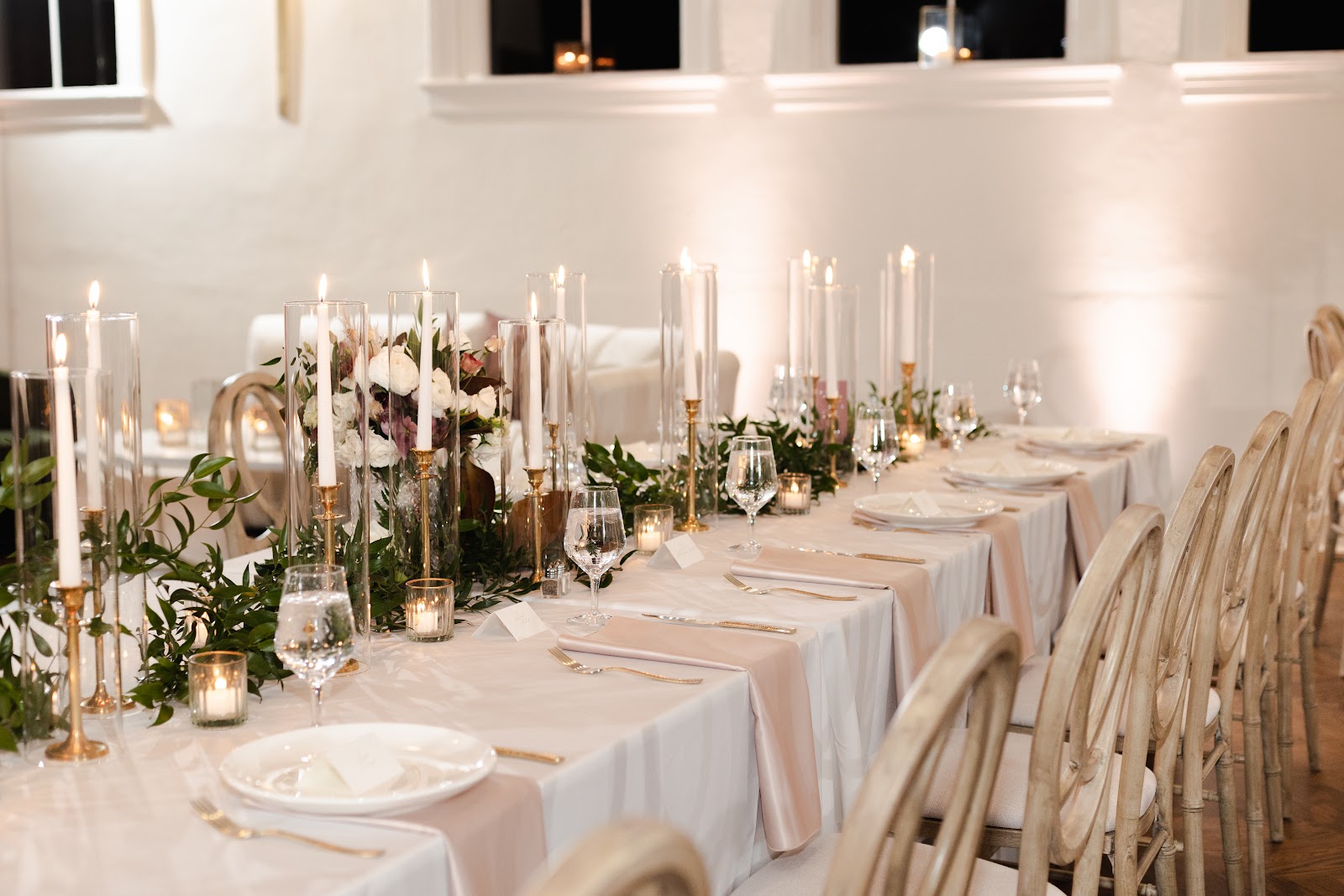
The catchlight confirms it: a broad catchlight on the window side of each eye means the window is doing the work. And in a white room there will be a second, weaker catchlight from the bounce off the opposite wall, which is what tells you the room is filling — and which is why the contrast is lower here than it would be in a dark chapel.
That lower contrast is worth understanding as a characteristic rather than a fault. A white chapel produces soft, even, gentle light with light shadows — which is flattering, which suits a plain building, and which is a different aesthetic from the dramatic low-key frame a stone chapel gives. Trying to force the latter in the former means fighting the building.
Where more contrast is wanted, there are two honest routes. Find the darkest thing in the room and put it behind the subject — an open doorway to an unlit space, a dark pew back, a shaded corner beneath a window, the space beneath a gallery if there is one. Or add a source at a stop above the ambient on one side, which restores the shadow side that the room’s bounce has filled in.
That second approach is adding light in order to add contrast rather than illumination, which is the reverse of the usual reason and the right one here.
The white balance is the third decision and a white room makes it easy in one respect and harder in another. Easy, because white-painted surfaces are neutral, so the bounce needs no correction. Harder, because the light through the windows is the colour of whatever is outside — and in north Alabama that is frequently dense green canopy or red clay ground, both of which tint it.
A custom white balance set on a face in position handles it, and it needs resetting if the subject moves to a window facing something different.
The fourth decision is the geometry, and a plain chapel demands more of it than an ornate one. A simple rectangular room with regularly spaced windows and straight pew lines is full of strong parallels, which means a frame a degree off level or with a converging vertical reads as an error rather than a style — where the same imprecision would hide in a cluttered building.
Square and level, checked rather than assumed, and standing further back with a longer lens rather than tilting up from close in.
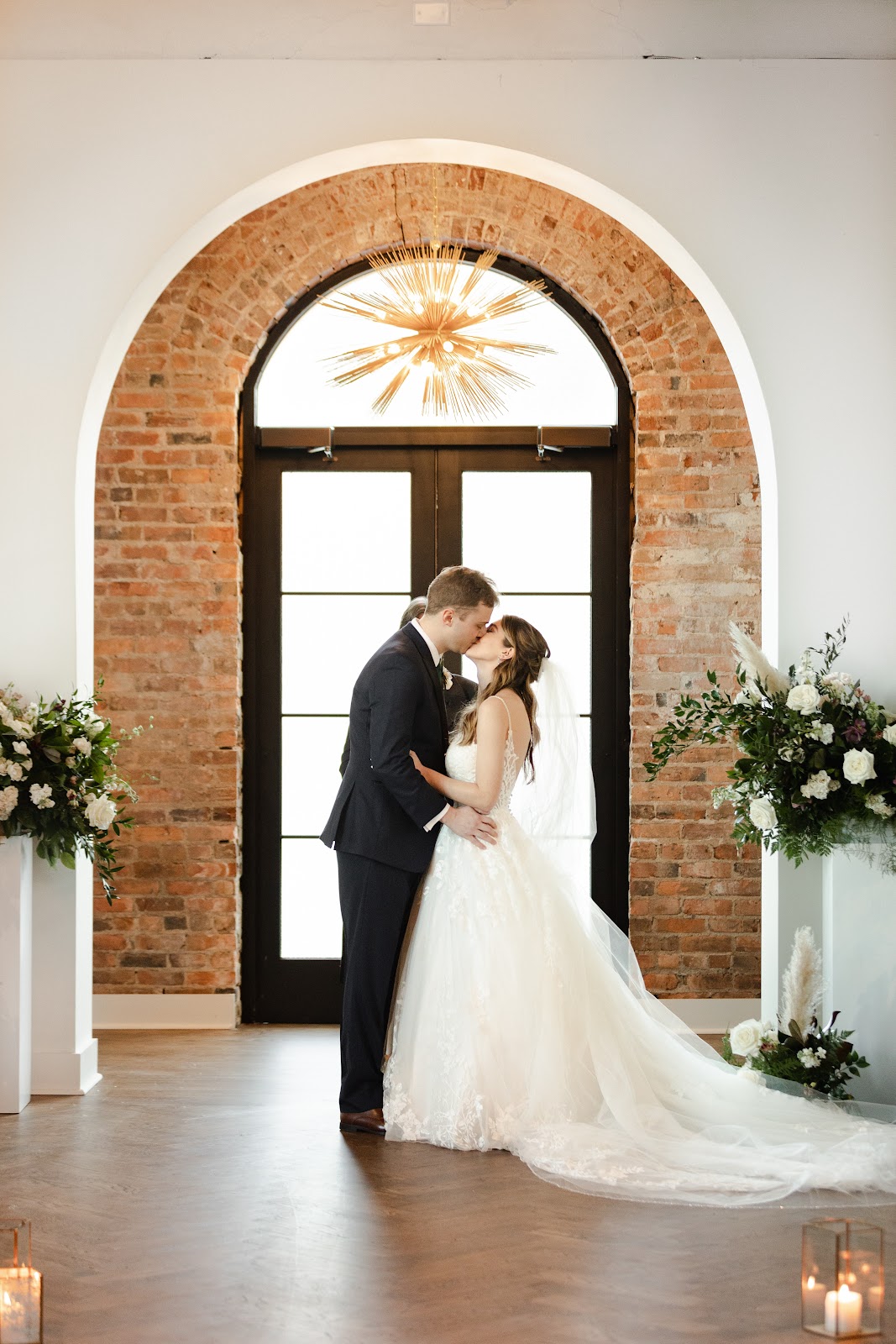
And the empty-room frame is the one worth making deliberately. A couple small and centred in an almost bare white chapel, shot square down the aisle, is what this building is for — and it works because there is nothing else in the picture. In an ornate chapel the same frame would be about the architecture; here it is about two people and a lot of white.
What breaks it, and the site outside
Direct sun through a window breaks the frame, and in a chapel with tall clear glazing down both sides it is likely at some point in the day. A hard-edged patch of sun on a face gives a range far beyond what one exposure holds, and sash glazing bars cut it into several patches at once.
A sheer curtain turns the window into a diffuser where one exists; a position at a shaded window solves it; and half a metre either way usually clears it. The test is universal: look at the face rather than the floor, and any hard edge on skin means move.
Mixed artificial light breaks it in a different way. A plain chapel of this age will have had lighting added, frequently warm and frequently overhead — and warm bulbs against cool window light put two colours on one face, with no white balance rendering both. Switching them off is free and it solves it; where they cannot be switched off, the gel on any added source has to match whichever is landing on the skin.
Capacity breaks it in planning rather than in technique. A small country chapel seats a small number, which means a large wedding does not fit and the group photographs happen outside — and in an Alabama summer that means in whatever the heat is doing. That shifts the balance of the coverage outward and it is a question with a definite answer.
Restrictions are the last and they should be established first. Many chapels limit where a photographer may stand during a ceremony and prohibit flash, and in a small room both matter more than they would in a large one. Where movement is not permitted, the frames have to be made before or after with the couple placed deliberately — which is entirely workable and much better arranged in advance.
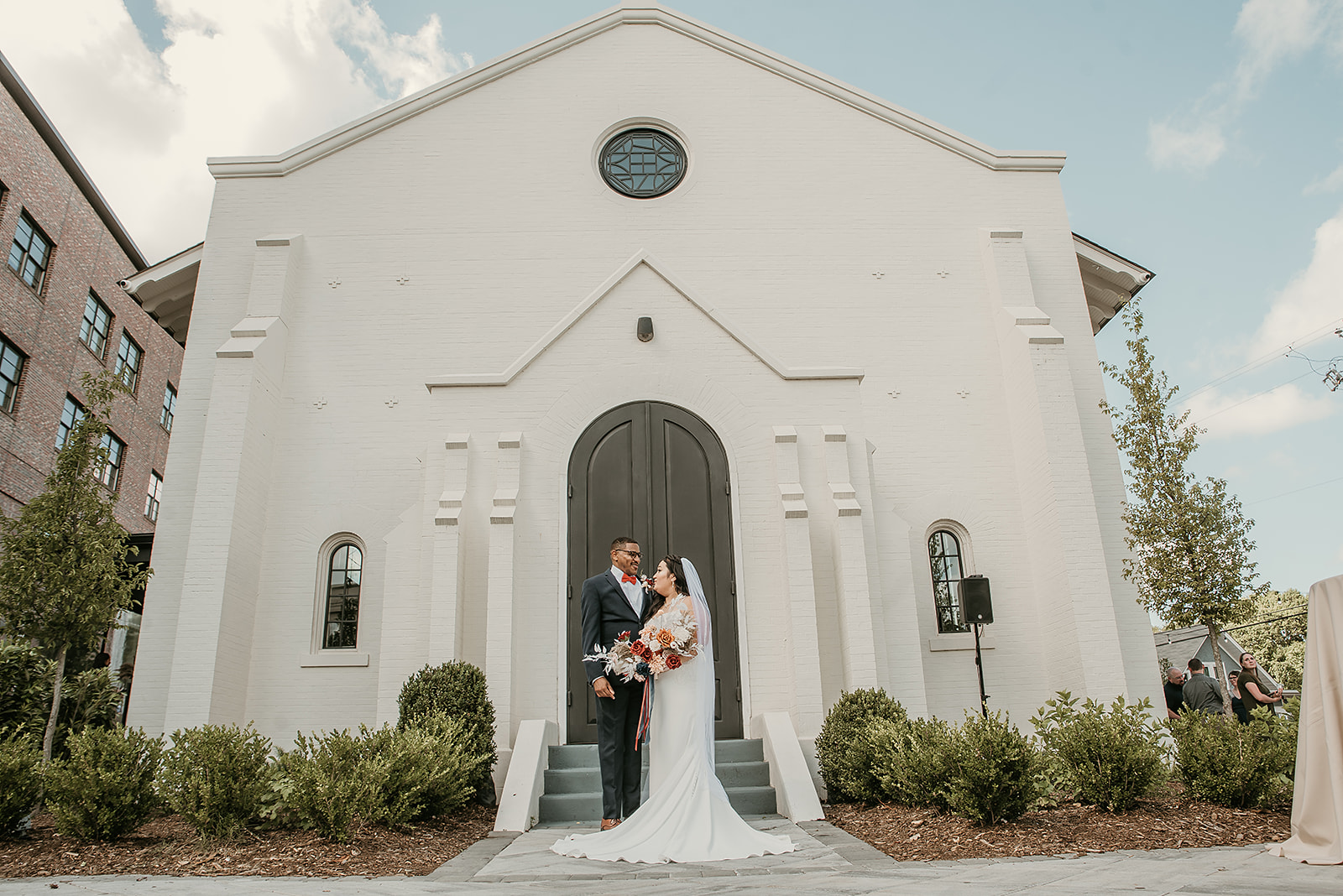
Outside, the setting is north Alabama country and the exterior of a white chapel is its own resource.
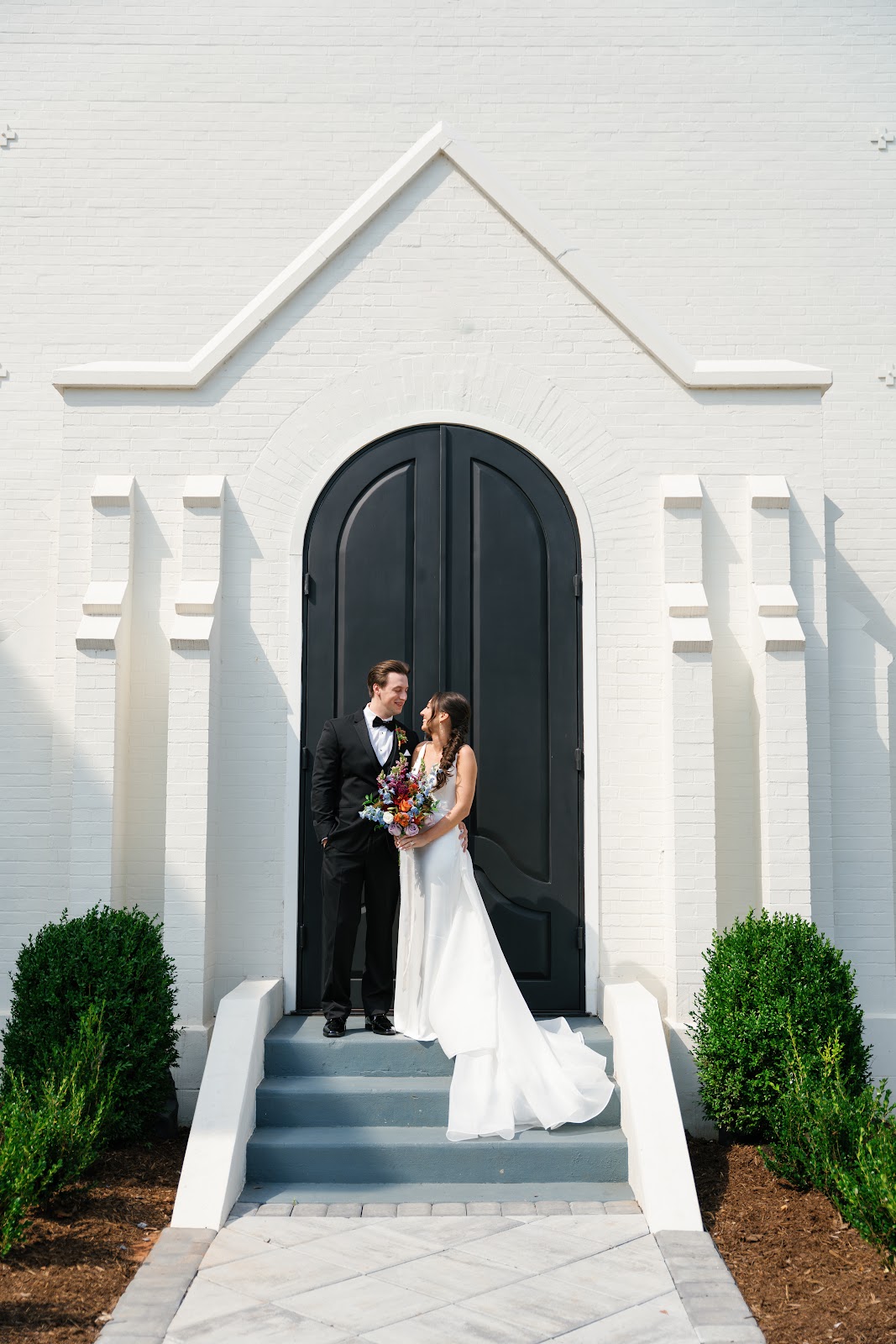
White-painted weatherboard is highly reflective, which means the same exposure correction applies outdoors: meter on skin and go brighter than the camera suggests, checking that the boards read white with texture rather than grey. And a large sunlit white wall is one of the best soft sources anywhere — a subject in shade on the shaded side, facing a lit wall, gets soft directional neutral light for nothing.
The building’s own shaded side is the reliable outdoor position at any hour in any weather, and any porch or covered entrance is better still: a solid roof restricting light to a horizontal band, bouncing off the boards to fill, and incapable of dappling.
The trees are the other shade. North Alabama is mixed hardwood and pine — oak, hickory, maple, sweetgum and tulip poplar with loblolly pine through it — and deciduous canopy filters as much as it blocks, so it dapples. The canopy edge is the reliable position: a metre or two inside at the margin of an opening, soft directional light in front and darkness behind, three or four stops of free separation.
That dark canopy is also the one place on the property where the metering reverses: it makes a meter overexpose a face where the white chapel makes it underexpose, and those positions can be twenty paces apart. Manual, metered on skin, reset at every transition.
And white against autumn colour is the strongest exterior pairing this site offers. White competes with nothing, which means the late hardwood colour of a north Alabama November reads at full saturation against a white chapel wall — more strongly than it would against brick, stone or timber.
The practical Alabama notes apply. Summer heat and humidity make an outdoor gathering between June and September a welfare matter first; afternoon thunderstorms are near-daily in July and August; spring is the state’s severe-weather peak, which makes a named covered alternative a requirement — and at a small chapel that is a real question rather than a formality, because the chapel itself may not hold everyone.
- Meter on skin and expose brighter — a white room fools every meter
- Beside a window at forty-five degrees; the bounce fills rather than kills direction
- Accept the low contrast, or build it with a dark background or one source
- Square and level: a plain room punishes a crooked frame
- White against November colour is the strongest exterior frame here
The north Alabama year
North Alabama has a humid subtropical climate with a genuine four-season feel, and a chapel of this kind is close to weather-independent — which means the season decides the exterior and the quality of the window light rather than whether the day works.
Winter is mild but not warm: hard freezes occur, snow is occasional and rarely lies, and the deciduous canopy is down.
Winter is the best season for the interior frame and the reason is the sun’s angle. The December sun at this latitude reaches about thirty-four degrees above the horizon, which means light enters a tall sash window almost horizontally and travels much further down the chapel than a high summer sun does — and it arrives at head height rather than from above, which is exactly what the frame wants.
The leafless canopy outside also matters: in summer, windows shaded by dense hardwood deliver green-tinged light, and in winter the same windows deliver clean neutral light. A white chapel is both brighter and cleaner in colour in January than in July.
Snow, when it comes, is the best natural fill available outdoors — and snow against a white chapel is an unusual and very clean frame, with the exposure correction doubled because both surfaces mislead in the same direction. Expose deliberately brighter than the camera suggests and check the highlights twice.
Frost on red clay and morning fog in the valleys are the more common winter conditions, and a white chapel rising out of fog is the most atmospheric frame the site offers.
Late winter into spring brings the flowering: redbud and dogwood through March and April, azaleas in the planted ground, and wisteria on anything it can reach. Against white boards that saturated colour reads at full strength.
The honest spring caveat is severe weather. Alabama sits in one of the most tornado-prone regions in the country with a pronounced peak from March through May, and severe thunderstorms are a real feature. A named covered alternative with real capacity is a requirement — and at a small chapel that means an answer beyond the chapel itself.
Spring proper is the most comfortable season: warm, green, long-lit, and with the canopy leafing out through April.
Summer is hot and humid and it is the hardest season here. Low nineties Fahrenheit with high humidity pushes the heat index considerably higher, a small building full of people is warm regardless of what cooling exists, and the outdoor group photographs are uncomfortable in a way that shows.
The summer effect on the interior is the one to note: a high sun barely enters a window at all, which means the light arrives from above rather than from the side and the frame weakens. Standing closer to the glass is the fix.
Autumn is the best season overall and by a clear margin. The heat breaks in October, the humidity drops, the air clears, and the hardwood colour arrives late — typically from the last week of October into mid-November in north Alabama, weeks later than New England.
Oak russet, maple scarlet, hickory and tulip poplar yellow and sweetgum’s mixed red and purple arrive over two or three weeks, and against a white chapel that colour reads at full saturation because white competes with nothing. That is the strongest frame this site produces.
By then the sun is low enough that the interior light is improving again as well, which means late October and early November give the best of both — with the caveat that November is the state’s second severe-weather peak.
More frames from Historic Lacey's Chapel
Historic Lacey's Chapel wedding photography: common questions
How is a white chapel different from a stone one?
Everything bounces. It fills the shadow side, lifts the background and removes the fall-off that a dark building gives for free.
What is the main exposure error?
Underexposure. A meter pulls white walls toward mid-grey, so meter on skin and go brighter than the camera suggests, checking the walls hold texture.
Where should the subject stand?
Beside a tall window, turned about forty-five degrees into it. Even in a bouncing room the window is much brighter than the walls, so it is still directional.
How do I get more contrast?
Find the darkest thing in the room and put it behind the subject, or add a source at a stop above the ambient to restore the shadow side.
Why does the frame need to be square?
A plain rectangular room is full of parallels, so a degree off level reads as an error where the same imprecision would hide in a cluttered building.
When is the site at its best?
Late October into mid-November: hardwood colour at full saturation against white boards, with the interior light improving as the sun drops.
More Alabama venue guides
We are writing a photographer’s guide to every venue we would happily shoot in Alabama. Here are three more, plus the full index:
- Lodge at Gulf State Park, Gulf Shores: Field Notes
- Pines at Lake Martin, Dadeville: The Problem, and Four Ways Out
- Retreat at Yellowhammer, Athens: What It Suits and What It Does Not
Planning a wedding at Historic Lacey's Chapel?
A plain white room, done properly. Tell us your date and your numbers.