 Venue at Willow Creek, Huntsville: The Problem, and Four Ways Out
The Club, Homewood: The One Decision That Governs Everything
The view is the reason. Whether it is any good on the day is a question about the air.
At a clifftop club above a city there is one decision that governs the photographic day, and it is whether the pictures are built around the view or around the building.
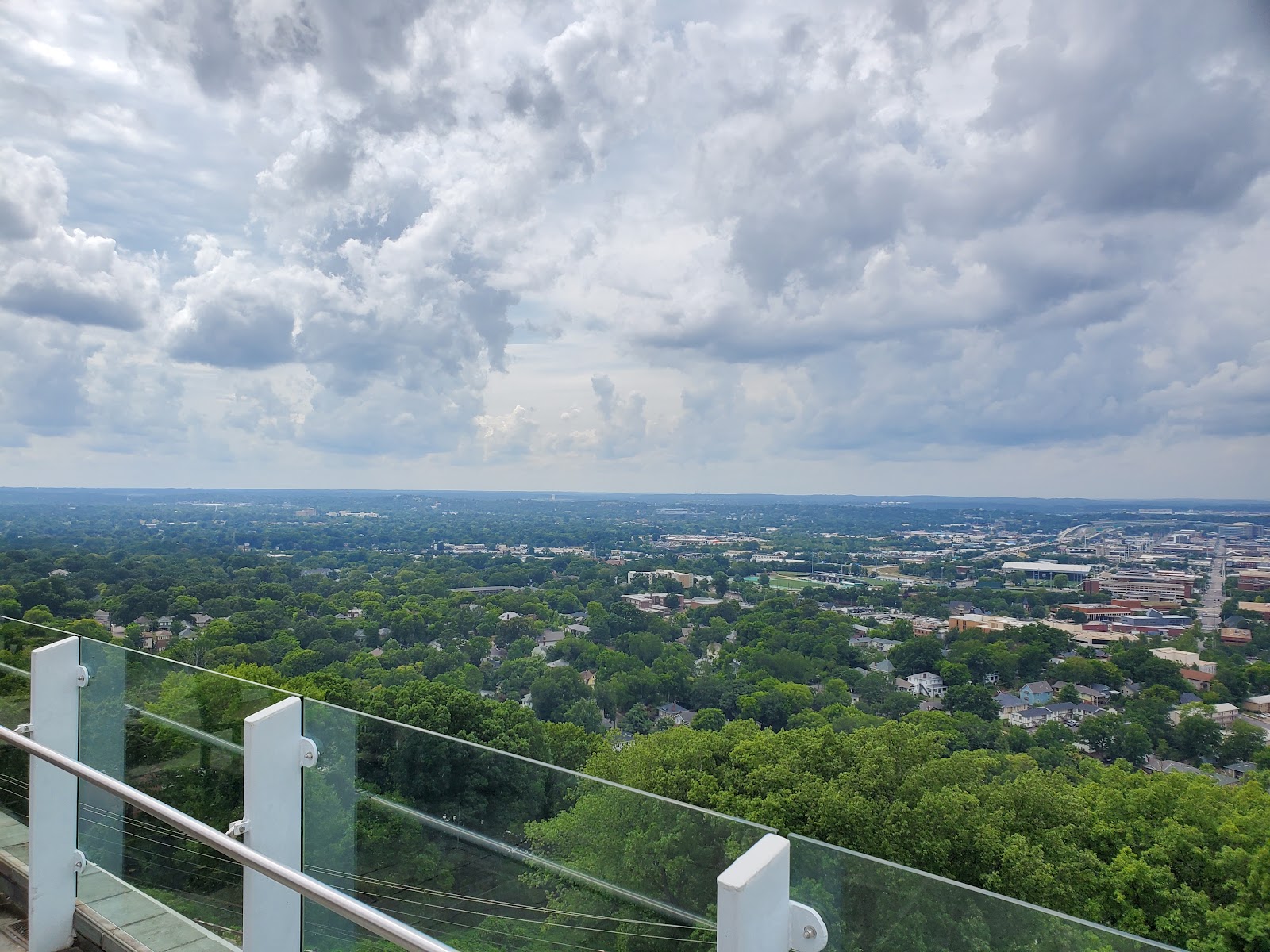
The view is why such a place exists. A position on the crest of the ridge that runs through Birmingham looks out over the whole valley — the city, the industrial ground beyond it and the successive wooded ridges of the southern Appalachians receding into distance. It is a genuinely large view and it is unusual in this guide.
The complication is the air. Central Alabama is humid for most of the year, and humidity at distance is the enemy of a long view: fifteen or twenty miles of moist summer air reduces the far ridges to pale grey suggestions and flattens the city to a haze. The same view in January after a front is sharp and layered.
So the view is a seasonal and daily variable rather than a fixed asset, and any plan whose best frames require it is a plan that may not happen. That is the decision: build the day around the view and keep it flexible, or build it around the building and treat the view as a bonus.
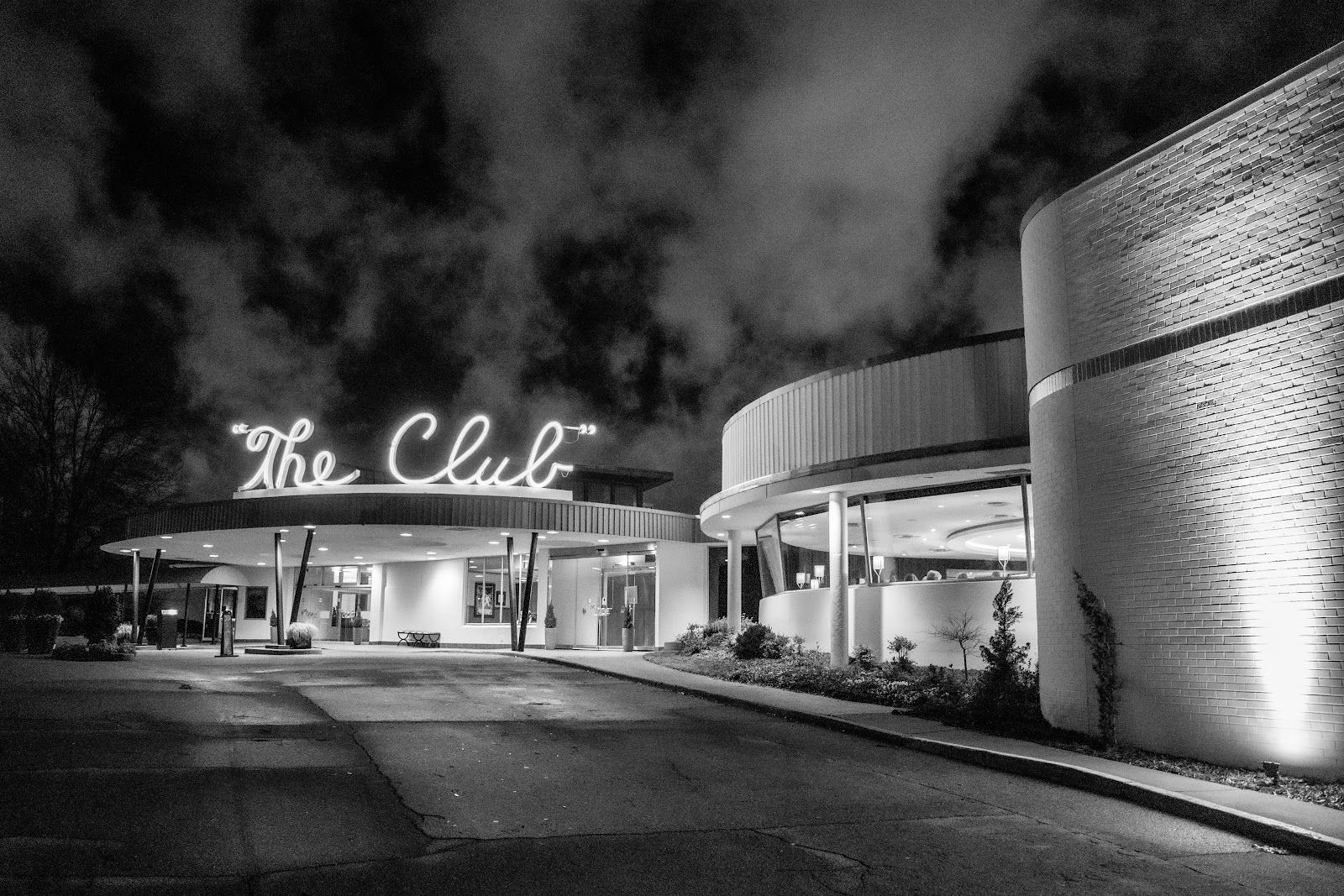
The second fact is that the building is genuinely capable of carrying the day. A club of this kind has substantial function rooms, terraces facing the view, and interiors designed for events — which means the pictures can be made without the view at all.
And the third is the geography of the light. A clifftop position on a ridge crest gains the sun earlier and keeps it later than the valley below, which extends the good light at both ends — and it is exposed, which means wind.
We have not photographed a wedding at The Club; clifftop club venues behave consistently. Which rooms and terraces are included, whether the function-room lighting can be dimmed, the covered alternative, what the wind exposure is, and what the actual timings are are questions for their team.
The Club at a glance
| Where | The ridge crest above Birmingham at Homewood, Alabama |
| The decision | Build the day on the view, or on the building |
| The variable | Humidity. A summer view is a grey suggestion; a winter one is sharp |
| The building | Substantial enough to carry the whole day without the view |
| Ask first | Rooms and terraces included, lighting control, wind exposure, timings |
If it is built on the view
Betting on the view is worth doing when the date is right, and three things decide whether it works.
The first is the air, and the honest ranking is straightforward: the clearest views come in winter and after the passage of a front, the worst in a humid July afternoon. Days after rain are better than days into a dry humid spell. And the morning is clearer than the afternoon, because haze builds as the ground heats and moisture rises.
That last point is the useful one for a scheduling decision. If a couple want the city and the ridges to read as layers rather than as a wash, the frames belong in the morning — which is the opposite of the instinct at a view venue, where everyone wants the sunset.
The second is the lens, and it has to be long. A wide lens from a ridge crest renders the valley as a broad indistinct expanse with a thin band of ridges above it, which throws away everything the position offers. A longer lens compresses the ridges into stacked layers of decreasing tone and brings the city forward as a mass behind the couple — which is the frame.
Compression is also what makes the haze legible as depth rather than as a fault: successive ridges each a little paler than the last is atmospheric perspective, and on a long lens it reads as layered distance rather than as murk. On a wide lens the same haze reads as a grey smear.
The third is the exposure and it goes on the distance rather than on skin. A bright hazy valley and a shaded face differ by more than one exposure holds, which means metering on faces gives a white sky and a washed-out view — the standard failure at every view venue.
So the ambient goes on the view and the faces are lifted by a close source gelled to match the light. Close matters because a terrace bounces some light but not enough to lift a backlit face: a source at two metres needs roughly a quarter of the output of the same source at four.
The direction of the view decides the rest of the day’s shape and it is worth establishing on a walk. A ridge crest looking one way is front-lit in the morning and backlit in the evening; looking the other, the reverse. Front-lit means the city and the ridges hold colour and detail; backlit means they read as silhouettes against a bright sky — which is a different and often stronger picture, but it has to be intended.
In the evening the backlit version needs exposing for the sky with the ridges allowed to go dark, and the faces lifted separately. Averaging the two gives a grey valley and slightly dark faces, which is what automatic metering produces and it fails at both ends.
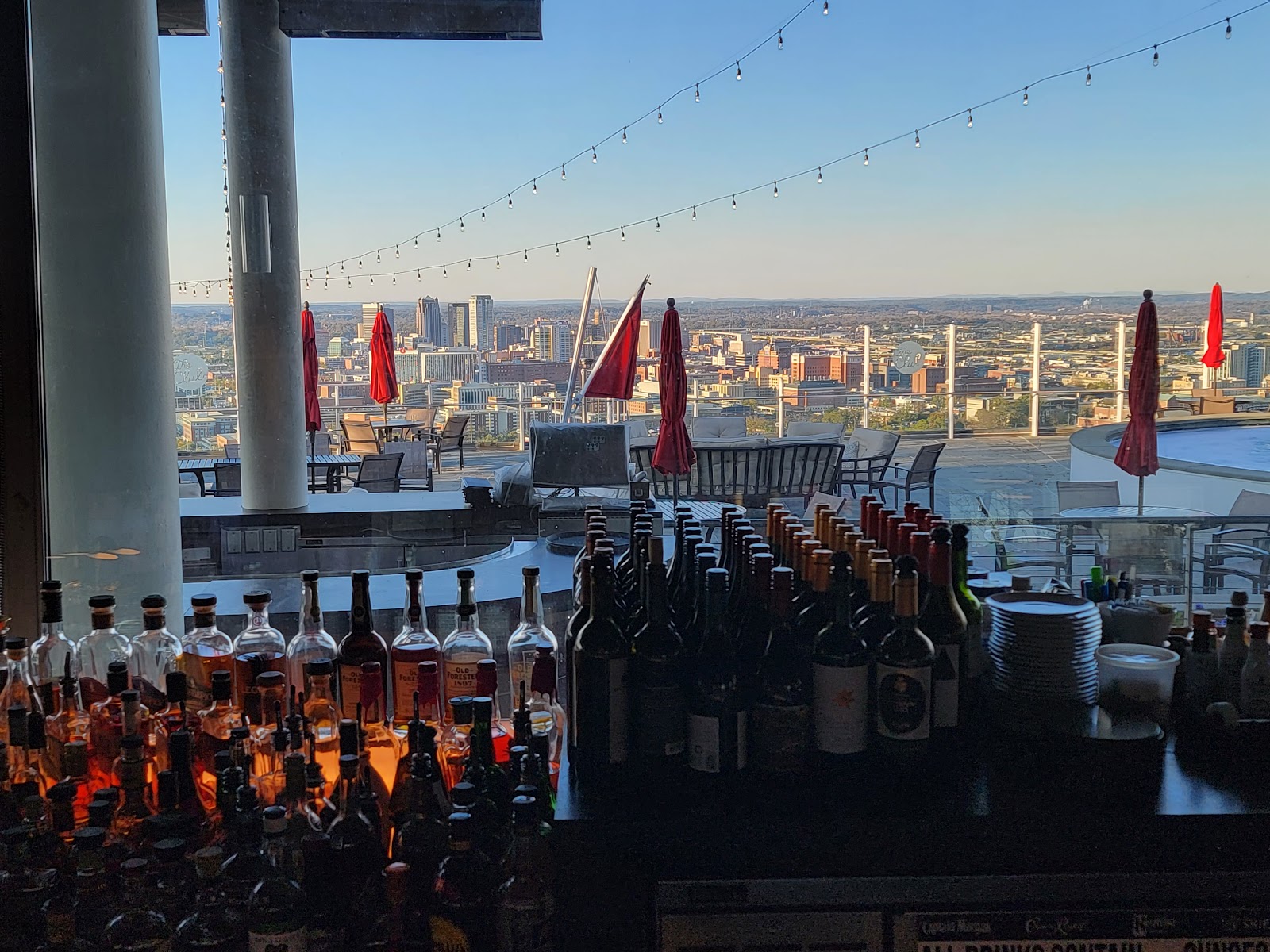
And the best view frame of the day is frequently the twenty minutes after the sun has gone, because a city’s lights come up while the sky still holds colour — which narrows the brightness range to something a single exposure holds and makes the haze largely irrelevant, since the subject becomes points of light rather than surfaces. That belongs in the running order explicitly.
Wind is the practical constraint on a crest position. There is nothing between an exposed terrace and the valley, which means a lightstand is a liability and a held modifier is a sail — so handheld or bracketed sources are the working configuration, planned from the start.
If it is built on the building
Building the day on the property is the reliable choice and it is not a consolation, because a club of this kind has more to work with than a first look suggests.
The terraces are the first resource and they are the transitional ground. A terrace with a solid roof or a deep overhang is the most dependable position on the property: it blocks the overhead component, restricts the light to a horizontal band that models a face properly, bounces off the paving to fill from below, and cannot dapple. Two or three metres in from the open edge, at any hour in any weather — and with the view behind the subject if it happens to be good.
The distinction that matters is solid versus slatted. A pergola or a gapped canopy is not shade but a striped dappling machine, and a face beneath one in strong Alabama sun is unusable. The test is universal: look at the face rather than the ground, and any hard edge on skin means move.
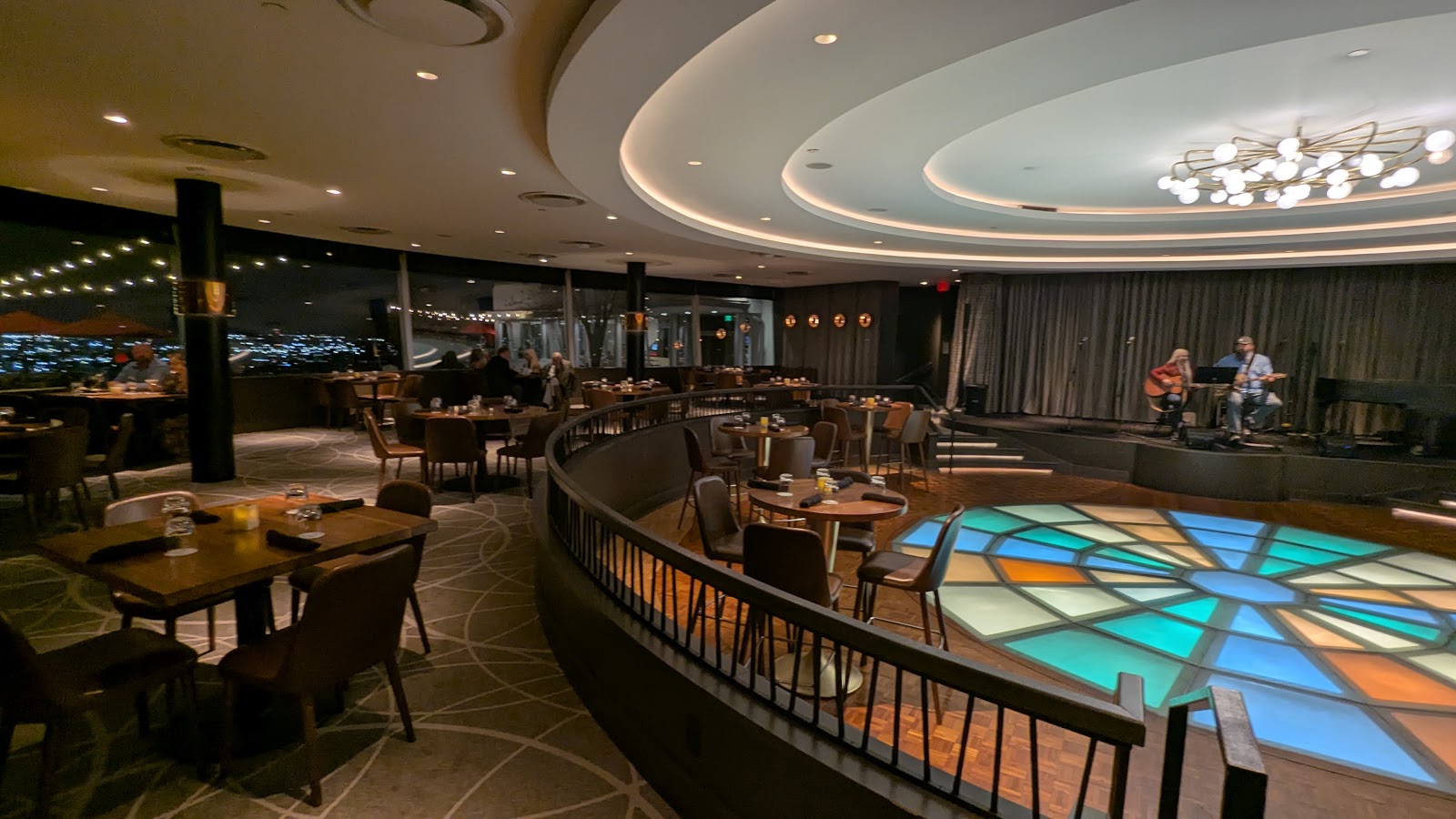
The interiors are the second resource and their character decides the technique. Where a club’s function rooms are pale and evenly lit, the problem is separation rather than light: soft bounced light against pale walls gives no fall-off, no shadow side and no tonal difference, so the frames read flat and identical wherever they are made.
The three fixes are consistent. Find something genuinely dark to put behind the subject — a doorway, a corridor receding away, a dark panel, drapery. Use whatever glazing exists as a directional source, with the subject a metre from it turned about forty-five degrees. Or add a source at a stop above the ambient specifically to restore the shadow side the room’s own bounce has filled in, which is adding light for contrast rather than illumination.
Where the rooms are darker and more traditional, the correction reverses: meter on skin and let the room go dark, because a dark-panelled interior makes a meter overexpose a face by a couple of stops. A day that moves between the two needs the correction reset at every crossing.
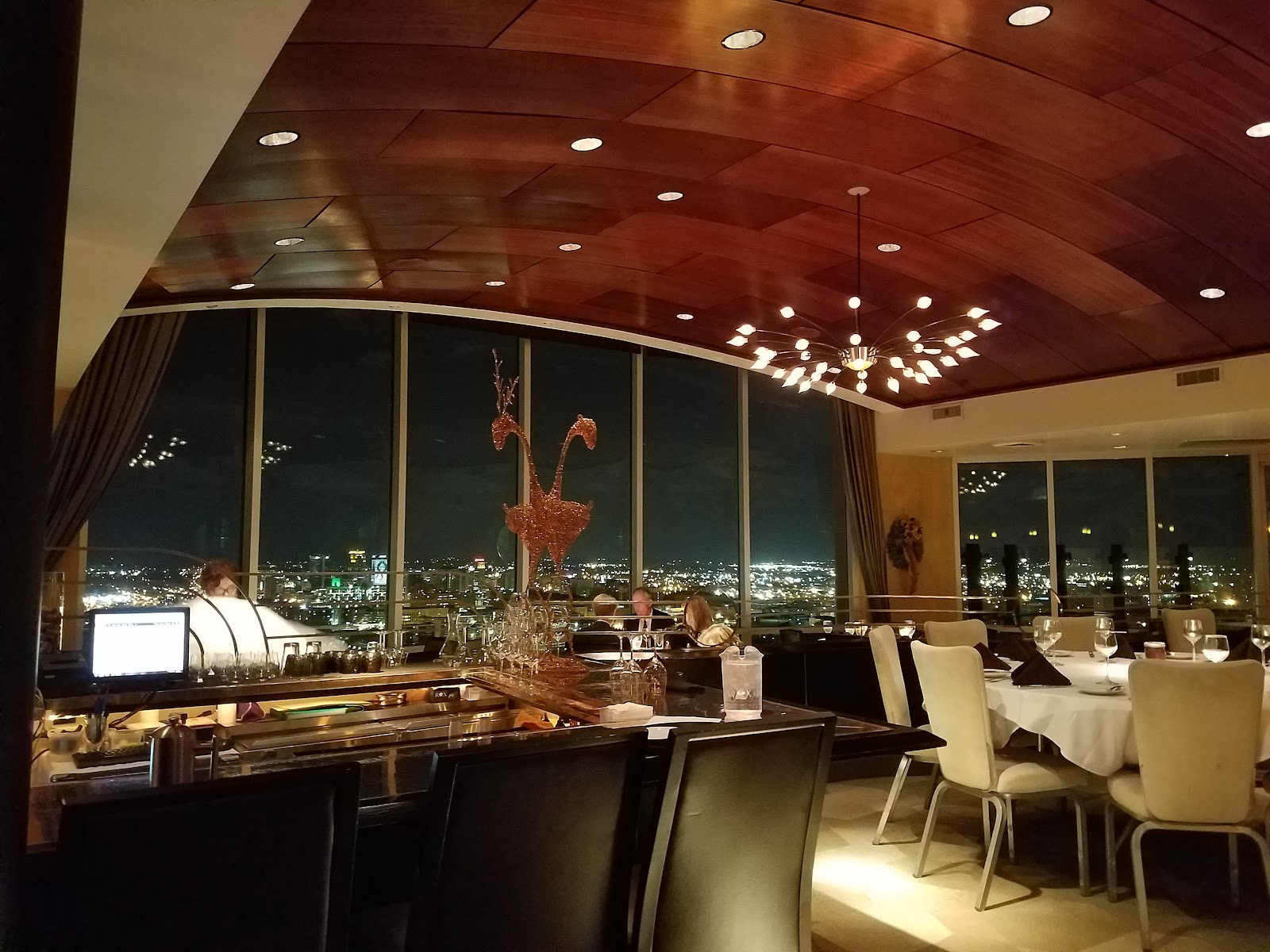
Large glazing facing a view is a specific opportunity and a specific problem. A subject a metre from it turned forty-five degrees gets real modelling because the window is much brighter than anything bouncing around; and the window is a subject as well as a source, which means exposing for the view silhouettes the subject and exposing for the subject whites out the view. The resolution when both are wanted is a close source at roughly the window’s brightness.
It also reflects, and by the evening it becomes a mirror as the exterior darkens — which means every frame pointed that way contains the lit room twice. A few degrees off perpendicular removes it.
For the reception: expose the ambient about a stop under what faces need so the room keeps depth, then add one warm-gelled source just above skin level with the white balance set to the gel. A lower ceiling is a usable bounce surface, which is the modern function room’s real advantage.
The grounds are the third resource and the ridge here is wooded — southern mixed forest of oak, hickory, maple, sweetgum and tulip poplar with pine through it. The canopy edge is the reliable outdoor position: a metre or two inside at the margin of an opening, soft directional light in front and darkness behind, three or four stops of free separation.
Deciduous canopy filters as much as it blocks, so it dapples; pine and magnolia are the real blockers, with the caution that magnolia’s glossy leaves throw hard specular highlights in direct sun.
And the ridge crest’s own timing advantage applies to the building frames as well as the view: an elevated position keeps the sun later than the valley below, which extends the last hour and produces the interval frame — the valley already in shade while the crest and the building are still lit.
- Morning views are clearer than afternoon ones; haze builds as the day heats
- Long lens, always: compression makes haze read as depth rather than murk
- Expose for the view and lift the faces close and gelled, or silhouette deliberately
- The twenty minutes after sunset is the best view frame and the haze stops mattering
- Solid-roofed terraces are the building’s best position, at any hour
The central Alabama year
Central Alabama has a humid subtropical climate with mild winters and a long hot summer, and at a view venue the season decides whether the view exists more than anything else does.
Winter is the best season for the view and by a clear margin. Cold dry air after the passage of a front is the clearest of the year, which means the city and the successive ridges read as distinct layers in a way they simply do not in July. A clear January day gives the strongest view frames this site will ever produce.
The low sun helps too. The December sun at this latitude reaches about thirty-five degrees above the horizon, which is low enough that the whole short day rakes rather than floods — removing any dappling problem outdoors, modelling the building, and keeping the view front-lit or side-lit for much longer than a high summer sun does.
Indoors, the same low sun enters glazing almost horizontally and travels much further into a room than a summer sun does, which widens the whole usable area near the glass.
Winter also puts the after-dark exterior frames — and the city-lights view, which is the site’s best evening subject — inside a normal running order rather than after eight in the evening. Hard freezes occur here and snow is occasional, and snow on a wooded ridge with the city beyond it is a rare and clean frame.
Late winter into spring brings the flowering: camellias through the cold months, then redbud, dogwood, azaleas and wisteria from March into April, in quantity in a landscaped setting.
The honest spring caveat is severe weather. Alabama sits in one of the most tornado-prone regions in the country with a pronounced peak from March through May, and severe thunderstorms are a real feature. On a ridge crest a storm is visible coming across the valley from a long way off, which is useful warning and the most dramatic sky the site produces — and a named covered alternative with real capacity is a requirement.
Spring proper is the most comfortable season: warm, green, long-lit, and with the view still reasonable because the humidity has not reached its summer level.
Summer is the worst season for the view and it is worth saying plainly to a couple who booked for it. Twenty miles of humid Alabama air in July reduces the ridges to a pale grey wash, and no lens or filter recovers it — which makes the building the honest plan for a summer date.
Heat is the other summer fact: the low nineties Fahrenheit with high humidity pushes the heat index considerably higher, which makes an outdoor ceremony a welfare matter first. Afternoon thunderstorms are near-daily in July and August.
The summer compensation is the evening: long days mean the twenty minutes after sunset falls late, and the city’s lights against a still-blue sky are largely unaffected by haze. A July view frame belongs at half past eight rather than at five.
Autumn is the best season overall. The humidity breaks in October, the air clears and the view returns, the heat goes, and the hardwood colour arrives late — typically from the last week of October into mid-November, weeks later than New England.
That gives the site both subjects at once: wooded ridges in full colour and a sharp layered view over the city, on the same afternoon. It is the reason late October and early November are the best dates here, with the caveat that November is the state’s second severe-weather peak.
More frames from The Club
The Club wedding photography: common questions
What is the governing decision?
Whether the day is built on the view or on the building. Humidity makes the view a variable rather than a fixed asset.
When is the view clearest?
Winter, and after a front has passed — and in the morning rather than the afternoon, because haze builds as the ground heats.
What lens do I need?
A long one. Compression stacks the ridges into layers and makes haze read as atmospheric depth; a wide lens turns the same haze into a grey smear.
How is the view exposed?
For the distance, with the faces lifted by a close gelled source — or deliberately as a silhouette in the evening. Never the average.
When is the best view frame?
The twenty minutes after sunset. The city’s lights come up while the sky holds colour, and haze stops mattering when the subject is points of light.
Which season is best?
Late October into mid-November: the humidity has broken, the view returns, and the ridges are in full colour on the same afternoon.
More Alabama venue guides
We are writing a photographer’s guide to every venue we would happily shoot in Alabama. Here are three more, plus the full index:
- Columns at Fairhope, Spanish Fort: A Walk Through the Site
- Estate at Shoal Creek, Stemley: What It Suits and What It Does Not
- Gardens at Gaineswood, Demopolis: A Walk Through the Site
Planning a wedding at The Club?
A view that depends on the air. Tell us your date and we will plan for both answers.