 The Omaha Children’s Museum: A Photographer Answers Your Questions
June 18, 2026
The Kimpton Cottonwood: Lighting a Restored 1916 Grand Hotel
A restored 1916 grand hotel. Restoration is good news photographically — the plasterwork is crisp again, which means raking light has something to catch.
The Kimpton Cottonwood occupies the 1916 Blackstone Hotel on Farnam Street in Omaha, a grand hotel of the era that was restored and reopened in recent years. It retains the period apparatus — a ballroom, ornamental plasterwork, substantial public rooms — alongside contemporary hotel finishes.
Photographically a recently restored historic hotel is a slightly different proposition from an unrestored one, and in a way that favours the photographer. Restoration means the plaster relief has been repaired and repainted rather than softened by decades of overpainting, so the ornament is crisp and casts clean shadows. Gilding and metalwork have been cleaned, so they produce proper specular highlights. And the lighting has usually been renewed, which means fewer wildly mismatched colour temperatures than an accumulated century produces.
This is the technical guide. We have not photographed a wedding at the Cottonwood; restored 1910s plasterwork and hotel ballrooms behave predictably. Which spaces your booking includes are for their events team.
Kimpton Cottonwood Hotel at a glance
| Where | Farnam Street, midtown Omaha, Nebraska |
| Building | The 1916 Blackstone Hotel, restored and reopened as the Kimpton Cottonwood |
| Character | Grand ballroom, ornamental plasterwork, substantial public rooms |
| Light | Warm artificial in the event spaces; guest rooms hold the daylight |
| Technical headline | Restored plaster relief is crisp — raking light has something to catch |
Why restoration helps the photographer
In an unrestored historic interior, decades of successive overpainting soften plaster relief — the crisp edges of a moulding fill in, and what was a sharp shadow line becomes a vague gradient. The ornament is still there but it photographs mushily, and no amount of raking light fully recovers it.
A properly restored interior has that relief back. Edges are sharp, profiles are clean, and light crossing the surface at a shallow angle produces the defined shadows that make the ornament read as three-dimensional carving rather than as texture. That is a genuine photographic advantage and it is worth exploiting rather than taking for granted.
So the usual rule applies with extra reward: light from well off the camera axis, feathered so the beam skims the surface. Restored gilding and cleaned metalwork also produce proper specular highlights under raking light, where a tarnished or overpainted surface gives only a dull sheen.
The ballroom: high ceilings and the usual consequences
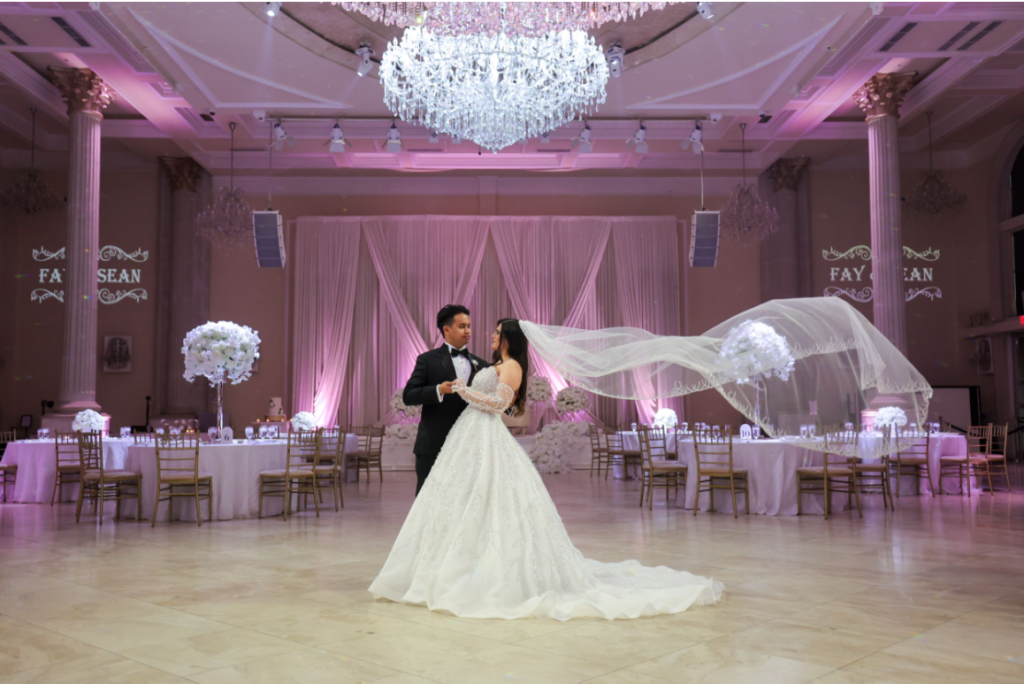
A 1916 grand ballroom has the standard profile: no daylight, warm fixtures, and a high decorated ceiling that absorbs bounced light and returns what little comes back warmed. Bounce flash is not a viable primary technique.
Light comes from stands with modifiers. One flash with a softbox or umbrella as a feathered key off to one side, and one behind the dancefloor as a rim light. That second unit is the highest-value addition in any large dark room — it separates people from a distant background and turns a flat crowd shot into a photograph with depth.
Expose so the chandeliers and sconces read as glowing points with structure rather than blown white holes. That means the ambient exposure sits deliberately darker than instinct wants, with faces brought up by your own light. If the hotel dims the fixtures for dinner service, take the wide room frame then — the range collapses to something a single exposure can hold.
There is a useful corollary to the rim-light point that is easy to skip. The unit behind the dancefloor does not need to be bright — it needs to sit about a stop above the ambient and be aimed so it skims across the backs of heads rather than straight into the lens. Too high and it becomes a flare source that washes the frame; set correctly it draws a thin bright edge along shoulders and hair that separates a crowd from the darkness behind. It is the cheapest depth available in a dark room, and the level matters more than the equipment.
Colour in a restored warm interior
Restored hotels are usually warm: cream and gold plaster, timber, patterned carpet, and modern warm-white LED or tungsten fixtures. There is rarely a neutral surface, so skin lit only by ambient has no cool component and reads as artificial.
Keep the room warm in white balance because it genuinely is, and light faces with something closer to neutral so skin retains a little coolness. That differential is the single decision that most improves photographs in any warm grand interior, and it costs nothing.
One advantage of recent restoration: the fixtures are likely to be consistent with each other, which is not true in a building whose lighting has accumulated over a century. That means one white balance setting per space is more likely to be correct throughout, rather than needing adjustment from corner to corner. Still set it manually, but expect fewer surprises.
Daylight, and midtown Omaha outside
Guest rooms hold the only real daylight, which makes them the place for preparation photographs. Ask for a higher floor with a street-facing window, switch off every artificial fixture so daylight and tungsten are not mixing, clear the clutter, and work within a metre or two of the glass.
Outside, the Blackstone district around the hotel has been substantially redeveloped and retains early twentieth-century commercial stock, which photographs well in raking light. The twenty minutes after sunset is the best exterior window — streetlight balancing the sky, masonry holding colour, and wet asphalt after rain doubling every source.
In a building with no daylight in its event spaces, that outdoor block is the only naturally lit part of the gallery, so schedule ten minutes for it as a fixed item rather than an aspiration.
Omaha’s continental climate governs its length: comfortable in spring and autumn, uncomfortable in a humid July, and very brief in a January that regularly sits below freezing. Match the plan to the month.
What works in your favour
- Restored plaster relief is crisp, so raking light produces defined shadows rather than mush
- Cleaned gilding and metalwork give proper specular highlights
- Renewed lighting means more consistent colour temperature than an unrestored century produces
- Dimmed fixtures at dinner give a wide frame a single exposure can hold
- Guest rooms for daylight preparation, and a redeveloped district outside
What to plan around
- No daylight in the ballroom or event spaces
- High decorated ceilings make bounce flash ineffective
- Warm throughout with no neutral reference; a differential white balance is required
- Frontal flash still flattens the relief, restored or not
- A working hotel; exclusive access to public areas is unlikely
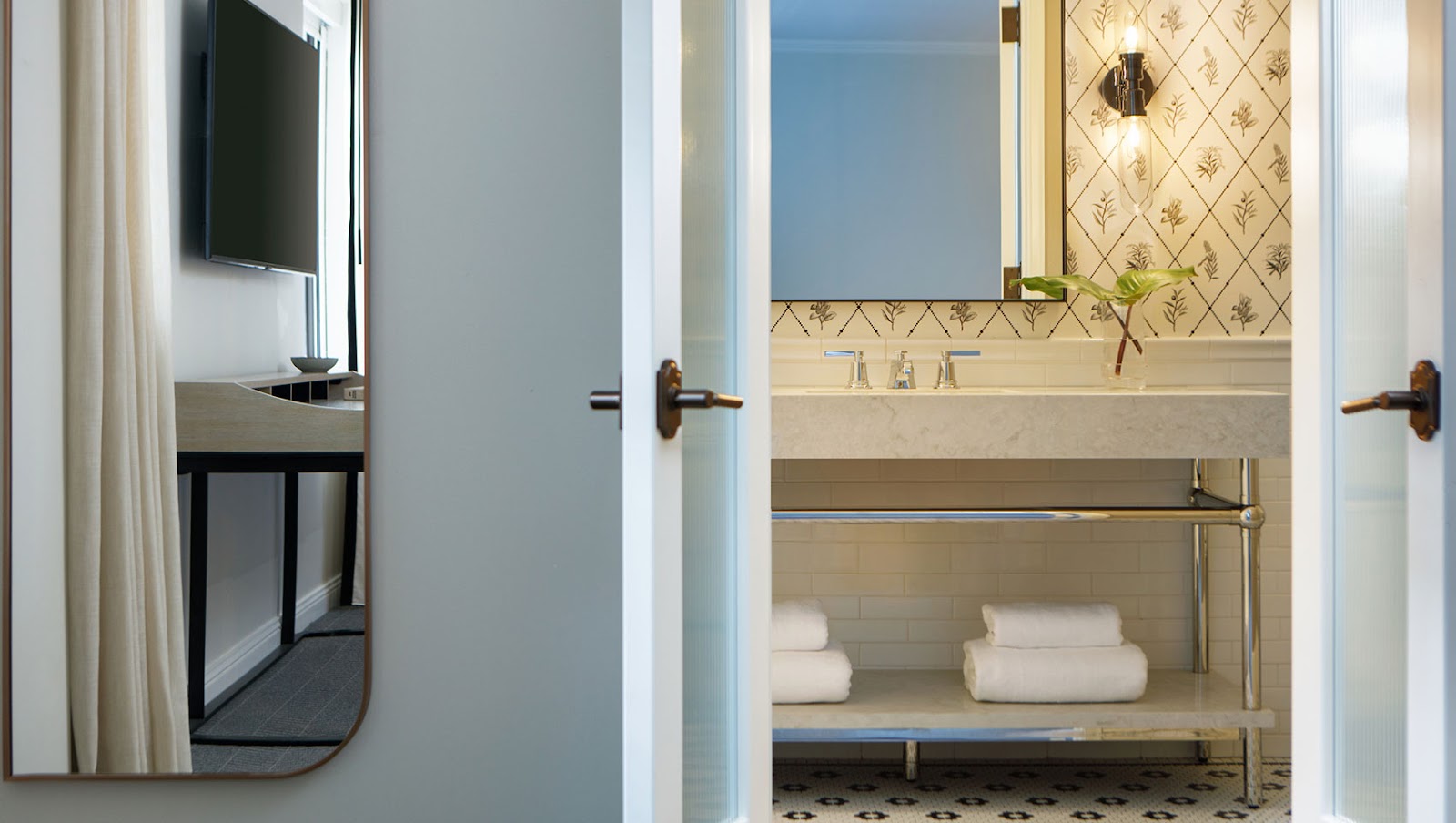
More frames from Kimpton Cottonwood Hotel
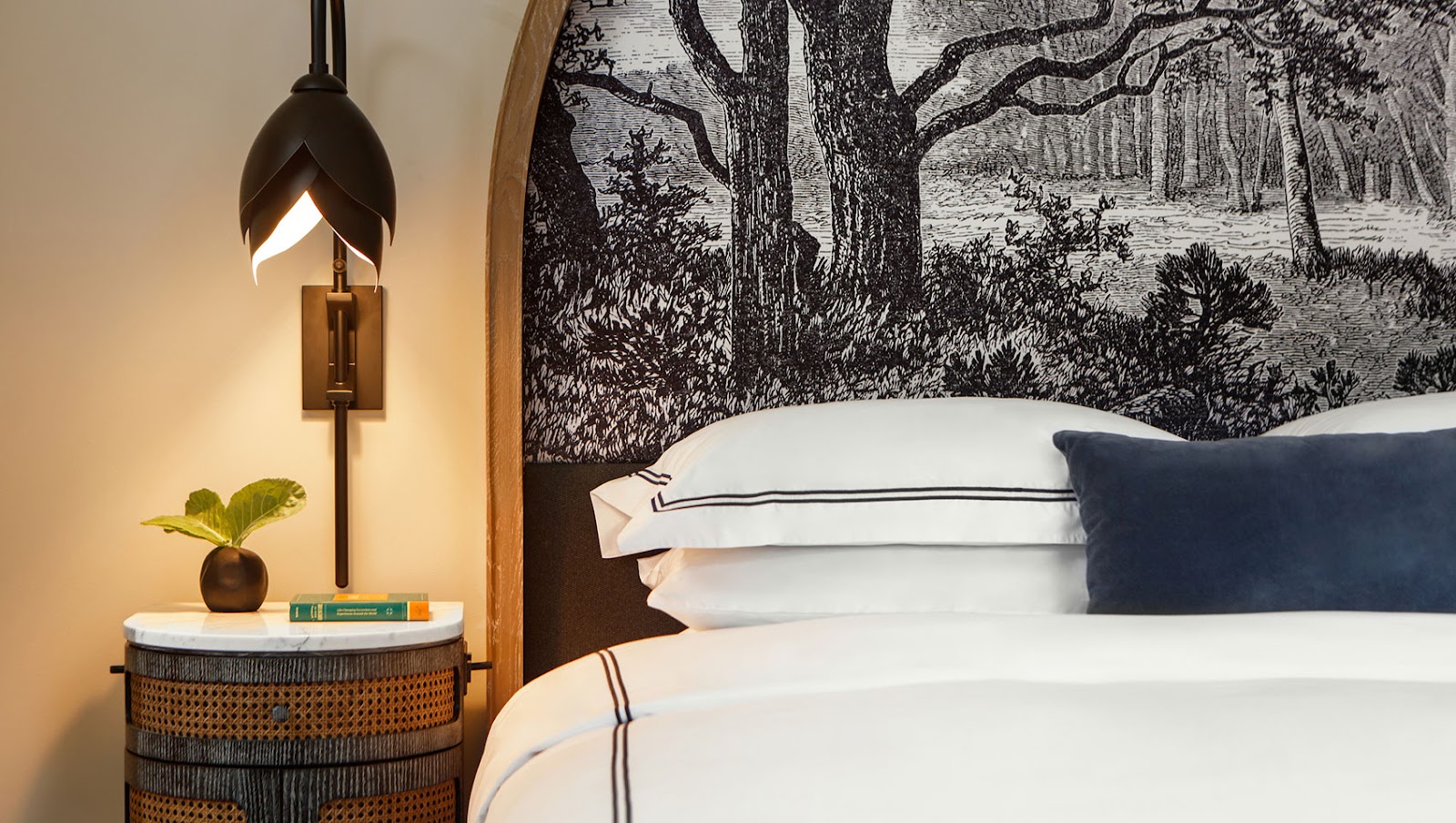
Kimpton Cottonwood Hotel wedding photography: common questions
Does restoration make a difference to photographs?
Yes, and in the photographer’s favour. Decades of overpainting soften plaster relief so the ornament photographs mushily; restoration returns sharp edges and clean profiles, which means raking light produces defined shadows and the ornament reads as three-dimensional carving. Cleaned gilding also gives proper specular highlights.
How should the ballroom be lit?
From stands, not by bounce. A high decorated ceiling absorbs light and returns little, warmed. Use one modified key feathered from the side and one unit behind the dancefloor as a rim light — that second light is the highest-value addition in any large dark room.
How should the chandeliers be exposed?
So they read as glowing points with visible structure rather than blown white holes, which means letting the ambient sit darker than instinct suggests and bringing faces up with your own light. If the hotel dims them for dinner, take the wide room frame then, when the range collapses.
Is the colour easier in a restored hotel?
Somewhat. Renewed lighting tends to be consistent with itself, unlike a building whose fixtures have accumulated over a century and mismatch from corner to corner. Still set white balance manually per space, keep the room warm and light faces slightly cooler — but expect fewer surprises.
Where do the daylight photographs happen?
A higher-floor guest room with a street-facing window, every artificial light switched off, everything moved to within a metre or two of the glass. Beyond that, the ten minutes outside after sunset is the only other naturally lit part of the gallery, so it belongs in the schedule.
How bright should the rim light be?
About a stop above the ambient, aimed to skim across the backs of heads rather than into the lens. Too bright and it flares and washes the frame; set correctly it draws a thin edge along shoulders and hair that lifts a crowd off a dark background. The level matters far more than the equipment does.
More Omaha venue guides
We are writing a photographer’s guide to every venue we would happily shoot in Omaha. Here are three more, plus the full index:
- Lauritzen Gardens: A Season-by-Season Photography Guide
- The Magnolia Hotel: Working an Italian Renaissance Revival Building
- The Omaha Children’s Museum: A Photographer Answers Your Questions
Planning a wedding at Kimpton Cottonwood Hotel?
Restored plasterwork rewards side light more than tired plasterwork does. Tell us your date and we will send a lighting plan for the ballroom plus the dusk window for that evening.