 Woodwinds, Branford: The Problem, and Four Ways Out
Lighthouse Point Marina, New Haven: The Problem, and Four Ways Out
No shade, no shelter, no cover. Everything here depends on the hour and the sky.
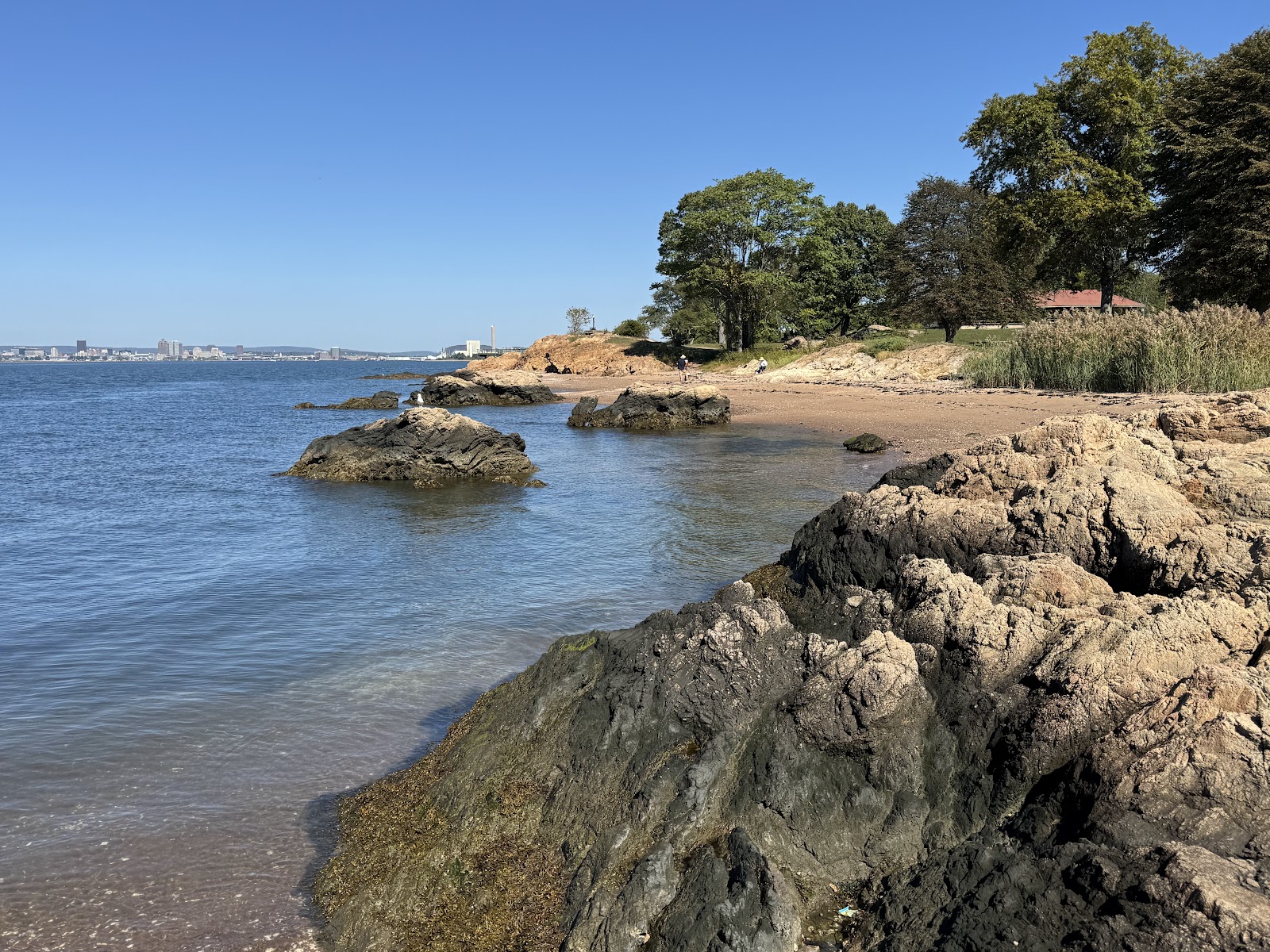
The problem at a marina on a harbour point is exposure, in every sense, and it is worth naming plainly because all four solutions follow from it.
There is no shade. A point of land with a marina on it is paved, decked, grassed and open — with docks, parking, slipways and breakwaters rather than trees. What planting there is has been shaped and stunted by salt wind, which means crowns are low, one-sided and useless as cover.
There is no shelter. Wind comes off the harbour and across the point with nothing to slow it, and a marina exists precisely because that water is open.
And there is very little cover from weather. A marina building is functional and modest, which means a named indoor alternative with real capacity is a question rather than an assumption — and on an exposed point, wind-driven rain is a different proposition from rain falling straight down.
What the site gives in exchange is genuinely worth having: boats, structure, a lighthouse, long water views, and a horizon in more than one direction. But every one of those is available only in the conditions the sky provides.
There are four ways out. We have not photographed a wedding at Lighthouse Point Marina; exposed harbour points behave consistently. What areas are available and under what conditions, what permits apply to the point and the waterfront, the covered alternative and its capacity, guest limits, and what the tide does on a given date are questions for the venue and for whoever administers the point.
Lighthouse Point Marina at a glance
| Where | A marina on a point on New Haven harbour |
| The problem | No shade, no shelter and very little weather cover |
| Way one | The hour — and on a harbour point it is a narrow one |
| Way two | Bring the shade. Way three: use the structures as frames |
| Way four | Let the weather be the subject rather than the obstacle |
Ways one and two: the hour, and bringing the shade
The first way out is the hour, and on a completely exposed site it is not a preference but the whole plan.
High sun on an open point is the hardest condition in this guide’s northeast section: vertical shadows under the brows, a hard line under every chin, squinting from anyone facing the light, and water in front of the camera scattering thousands of specular points that clip easily. Nothing fixes a face in that light.
So the site is a morning and evening proposition. The first two hours give soft light, the calmest water of the day because wind builds later, and frequently sea haze or mist over the harbour — which is the most atmospheric condition the point produces and the one that separates a near shore from a far one into tonal layers.
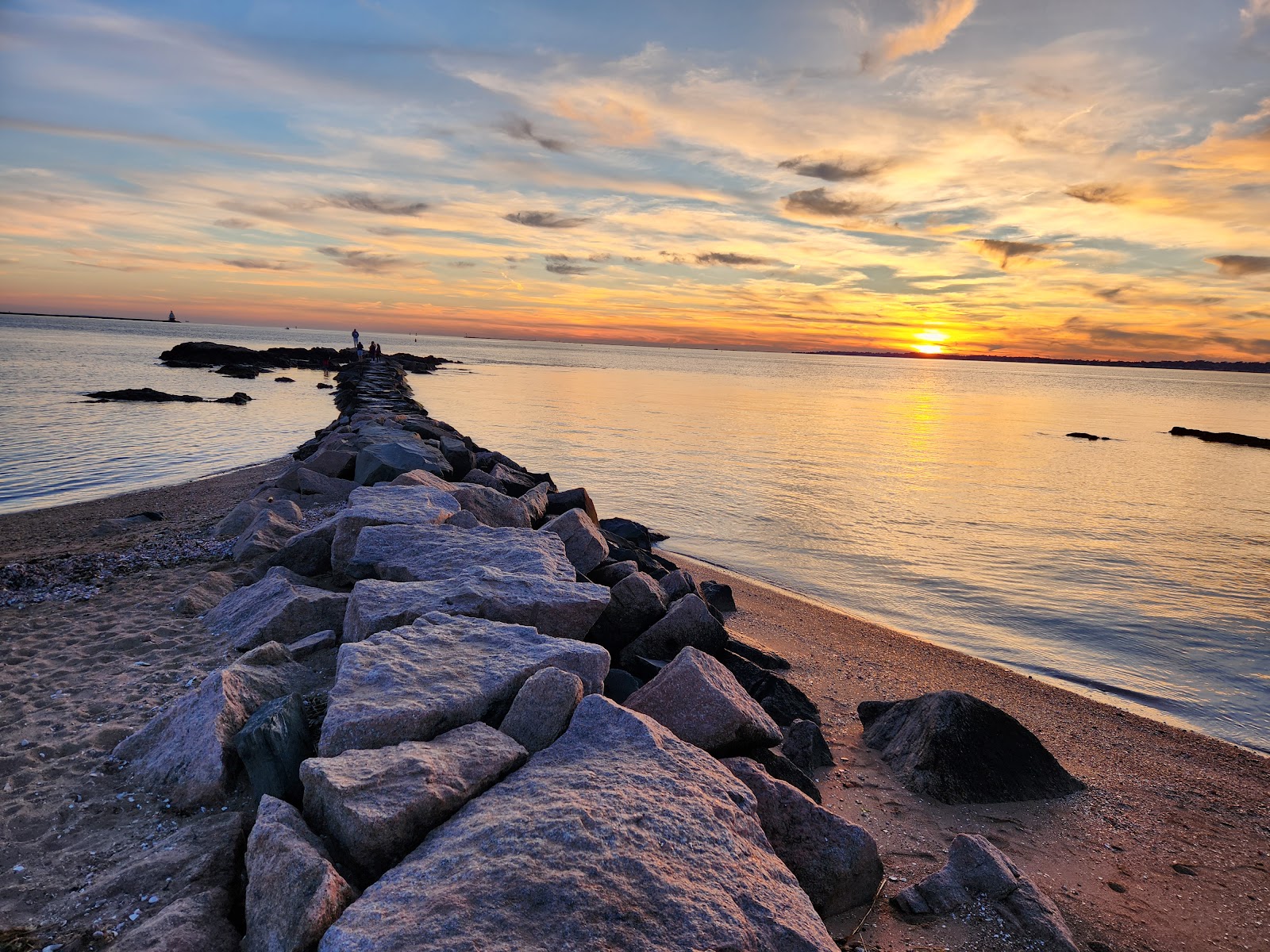
The last two hours give raking light along the water, texture on the surface rather than glare, and the warm end of the day. And the ten minutes after the sun has gone is the best window of all: the brightness range collapses into something a single exposure holds, the water keeps the colour of the sky, the wind typically eases, and the frame needs nothing added.
The orientation is the fact to plan around, because it is unusual. This coast faces south, which means the sun crosses the water through the day and sets over land to the west rather than into the sea. So there is no backlit sunset over open water, and the colour frame looks west along the shore rather than out across it.
What that gives instead is side light for most of the day and an evening sun off to one side — which means a subject can be front-lit, side-lit or rim-lit simply by being turned, and a frame at the end of the day frequently does not need to be exposed for a bright sky at all. That is a genuine simplification and the strongest technical argument for a south-facing shore.
The second way out is to bring the shade, because none exists. A large held diffuser above and to one side of a subject turns hard overhead sun into soft directional light, and on an exposed site it is the only way to make a midday portrait work.
The problem is that a panel in wind is a sail, and a harbour point has wind almost all the time. So the honest version of this solution has three parts: a held diffuser rather than a stand-mounted one, two people to hold it, and a willingness to abandon it when the wind makes it unsafe.
A more reliable variant is to use the boats. A moored vessel is a large solid object, and standing in the shade it throws — on the lee side, out of the wind — gives both shade and shelter at once. That is the single most practical midday position on a marina and it requires nothing but permission and a walk.
The marina building’s own shaded wall is the other one. A wall in shade facing open water is a soft directional source and it gives a background at the same time, and it works at any hour in any weather — which on a site with no other options makes it disproportionately valuable.
And the added light that an exposed site does need has to be handheld from the start. A lightstand on a harbour point will go over, and the configuration that works is a source in a hand or on a bracket, close — because nothing over water bounces, so a source at two metres needs roughly a quarter of the output it needs at four.
Ways three and four: the structures, and the weather
The third way out is to use the marina’s own structures as frames, and this is where an exposed site gives more than a scenic one.
A marina is full of geometry. Masts are strong verticals, rigging gives fine lines, hulls repeat, docks and finger piers give receding parallels, and a breakwater gives a hard horizontal. Those are compositional resources and they are the reason a marina frame is stronger than an empty water frame — an open horizon has three flat bands in it and nothing else.
The instrument is a longer lens from further back. Compression stacks the masts into a thicket, brings the far shore forward so it closes the top of the frame, and squeezes the water out — which gives a background of pure structure behind a couple. A wide lens spreads it all out and empties the frame, which is the standard mistake at every marina.
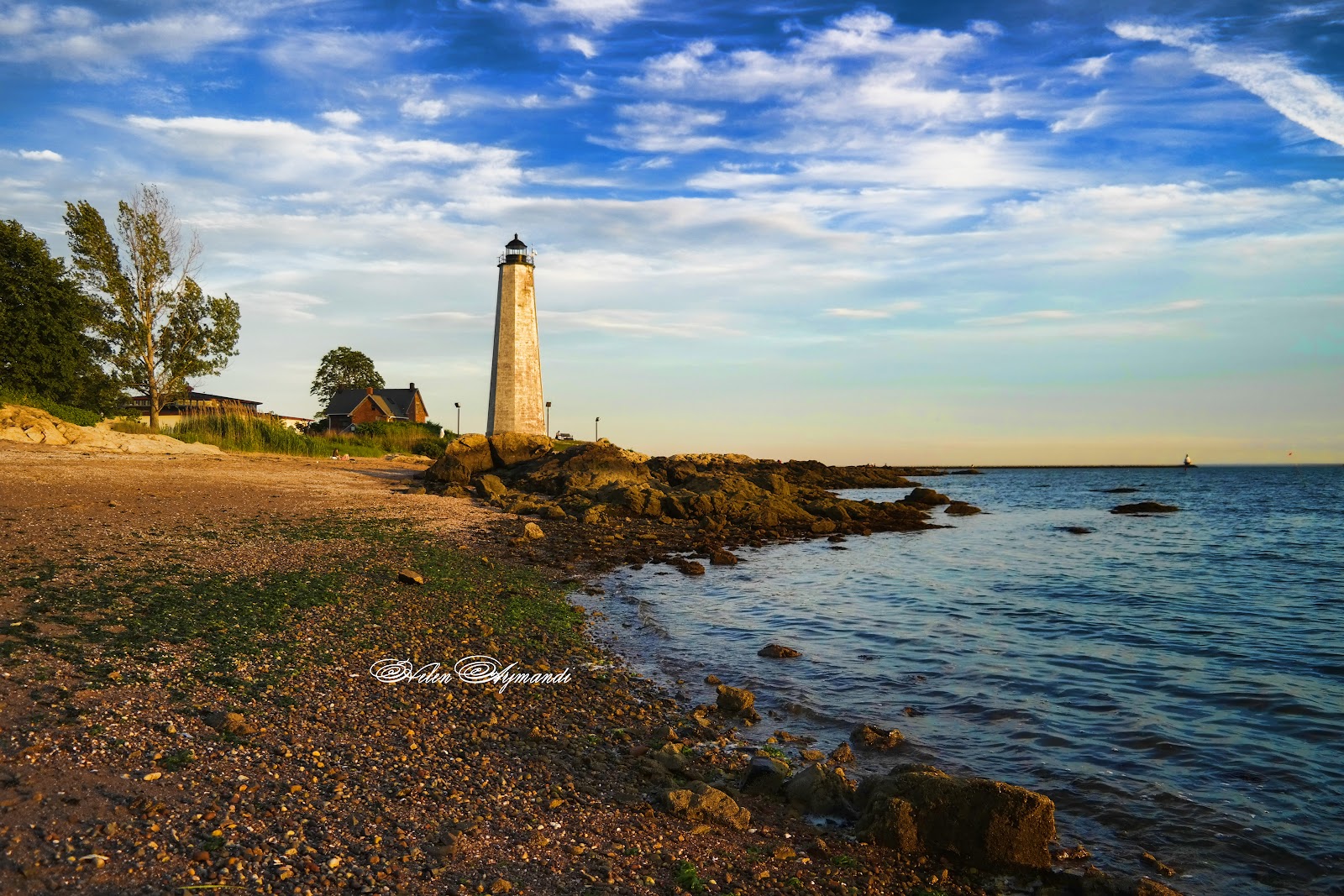
A lighthouse, where there is one, is the site’s single most useful object. It is a strong vertical with recognisable scale, it reads instantly as a place, and it works at almost any distance — close for graphic detail, or distant on a long lens as a terminating element in a frame. It also works after dark, which almost nothing else on the point does.
Docks are the other structure worth working deliberately. A finger pier is a perspective line pointing out over water, which means a frame down it has convergence, depth and a subject at its end. And a dock is a hard level reference: water gives an absolute horizon, so a frame that is a degree off level is glaringly obvious — and docks themselves are frequently not level, which means levelling to the water rather than to the decking.
The exposure problem at a marina is white hulls, and it is worth naming because it is severe. Sunlit white fibreglass is as bright as anything in this guide, and a shaded face in the same frame can be five or six stops under it. Expose for the hulls so white paint holds texture rather than clipping to a blank, and lift the faces with a close gelled source — or wait until the boats are in even light, which happens for part of every day.
The average metering that produces grey hulls and slightly dark faces fails at both ends, which is why a marina is worked in manual.
Clutter is the commonest way these frames go wrong. A real marina has fenders, hoses, bins, signage, cables, trailers and parked cars in it, and a frame that includes them reads as a car park with boats in it. The fix is entirely positional: a step to one side, a longer lens, or a lower camera that puts the dock edge across the bottom of the frame.
The fourth way out is to let the weather be the subject, and on an exposed harbour point that is a real option rather than a consolation.
Overcast collapses the whole brightness range, which removes every problem the site has at once: no dappling because there is nothing to dapple, no squinting, no clipped hulls, no glare on the water, and no bad hour. A grey day at a marina is technically the easiest day of the year, and it is worth saying so plainly rather than apologising for it.
Weather coming across open water is visible for a long time, which is the point’s genuine advantage: a squall line, a broken sky with shafts on the water, or fog moving in are all available as subjects and all visible before they arrive. Those are the most dramatic frames the site produces.
The practical limit is that wind-driven rain on an exposed point ends the outdoor day completely, which is why the covered alternative and its capacity is the most important question to ask about this kind of venue. And salt and spray are the maintenance note: lens changes in shelter, a cloth in a pocket, and nothing set down on a wet dock.
- Morning and evening only; the ten minutes after sunset is the best of all
- Use the lee shade of a moored boat — shade and shelter in one position
- Longer lens from further back; compress the masts and close the frame
- Expose for the white hulls and lift faces close, or wait for even light
- Overcast removes every problem the site has. A grey day is the easiest
The harbour year
A harbour point on this coast keeps a maritime New England calendar. The water moderates the extremes, so summers are cooler and winters milder than inland, and both spring and autumn arrive later here.
Winter is cold with snow in most years and an exposed point in a January wind is genuinely raw — a welfare consideration rather than a photographic one, and one that decides whether an outdoor ceremony is viable at all.
What winter gives is considerable. Snow on a dock, a snow-covered breakwater and dark harbour water is the widest brightness range the site offers: expose for the snow and let the water go black. Snow fools a meter by about two stops toward underexposure, so deliberate overexposure relative to the camera is the rule.
The December sun at this latitude reaches only about twenty-five degrees above the horizon, which on an open site is decisive: the whole short day rakes rather than floods, so the point’s central summer problem simply does not exist. In December there is no hour at which the sun is high enough to flatten a face, which makes winter the easiest light of the year here by a wide margin.
Low sun across water also produces a long path of broken reflection rather than a point of glare, and on a calm winter afternoon the whole surface between the camera and the far shore becomes a field of light — the strongest thing the water does all year, lasting most of the short afternoon rather than twenty minutes.
Winter is also the clearest air of the year, which matters for the compressed long-lens frames. The honest caveat is that most boats come out of the water between roughly November and April, which removes the structure that makes a marina frame — leaving empty slips and bare pilings, which is spare and graphic and a different picture. That is a question for the marina rather than a guess.
Spring is late and slow because the water keeps the land cool: raw wet weather into May is possible and the boats return progressively. Late spring is the first reliably good season and it is when harbour mist is most frequent in the mornings, because the water is still cold and the air is warming.
Summer is the marina’s own season and it is comfortable rather than hot: the water keeps the point several degrees below inland temperatures and the sea breeze is reliable, which is why the calm water belongs to the morning and the evening. Low eighties Fahrenheit with high humidity is typical.
Afternoon thunderstorms are a real feature from June into August and on an exposed point they are a genuine consideration rather than an inconvenience — visible coming across the water, which is useful warning, and a reason the covered alternative matters.
Humidity is the summer photographic factor and it is strongest over water: haze reduces clarity at distance, which softens every compressed frame. A July afternoon across a harbour is noticeably hazier than an October one.
Tropical storm season runs from roughly August into October. Direct hits are uncommon and the effects of a passing system are not — heavy rain, strong onshore wind, and a harbour that stops being calm. On an exposed point that removes every outdoor option at once. It cannot be planned for, only acknowledged.
Autumn is the best season and by a clear margin. The heat and humidity break, the air reaches its clearest, the water is at its calmest, the weather is at its most settled, the boats are still in, and foliage on the shores around the harbour turns from the middle of October into early November.
A marina itself has no foliage, but the shores do, and autumn colour reflected in calm harbour water behind white hulls and dark rigging is the strongest frame available here. The window runs two or three weeks because the species turn at different rates.
More frames from Lighthouse Point Marina
Lighthouse Point Marina wedding photography: common questions
What is the central problem here?
Total exposure — no shade, no shelter and very little weather cover. Everything depends on the hour and the sky.
When is the site usable?
Morning and evening. High sun on an open point is the hardest light in this region, and the ten minutes after sunset is the best window of the day.
Is there any shade at all?
The lee side of a moored boat, which gives shade and shelter at once, and the marina building’s shaded wall. Nothing else.
How should a marina be photographed?
On a longer lens from further back, compressing the masts into a thicket. A wide lens spreads everything out and empties the frame.
What about the white hulls?
They can be five or six stops above a shaded face. Expose for the hulls and lift faces with a close gelled source, or wait for even light.
Is a grey day bad?
It is the easiest day of the year — overcast removes the glare, the clipping, the squinting and the bad hour all at once.
More Connecticut venue guides
We are writing a photographer’s guide to every venue we would happily shoot in Connecticut. Here are three more, plus the full index:
- Lyman Orchards, Middlefield: Field Notes
- Madison Beach Hotel, Madison: The Building’s Own Logic
- Mohegan Sun, Uncasville: The One Decision That Governs Everything
Planning a wedding at Lighthouse Point Marina?
Completely exposed, and entirely workable. Tell us your date and we will pick the hours.