 The Bierstube: What Changes When the Reception Is in a Bar
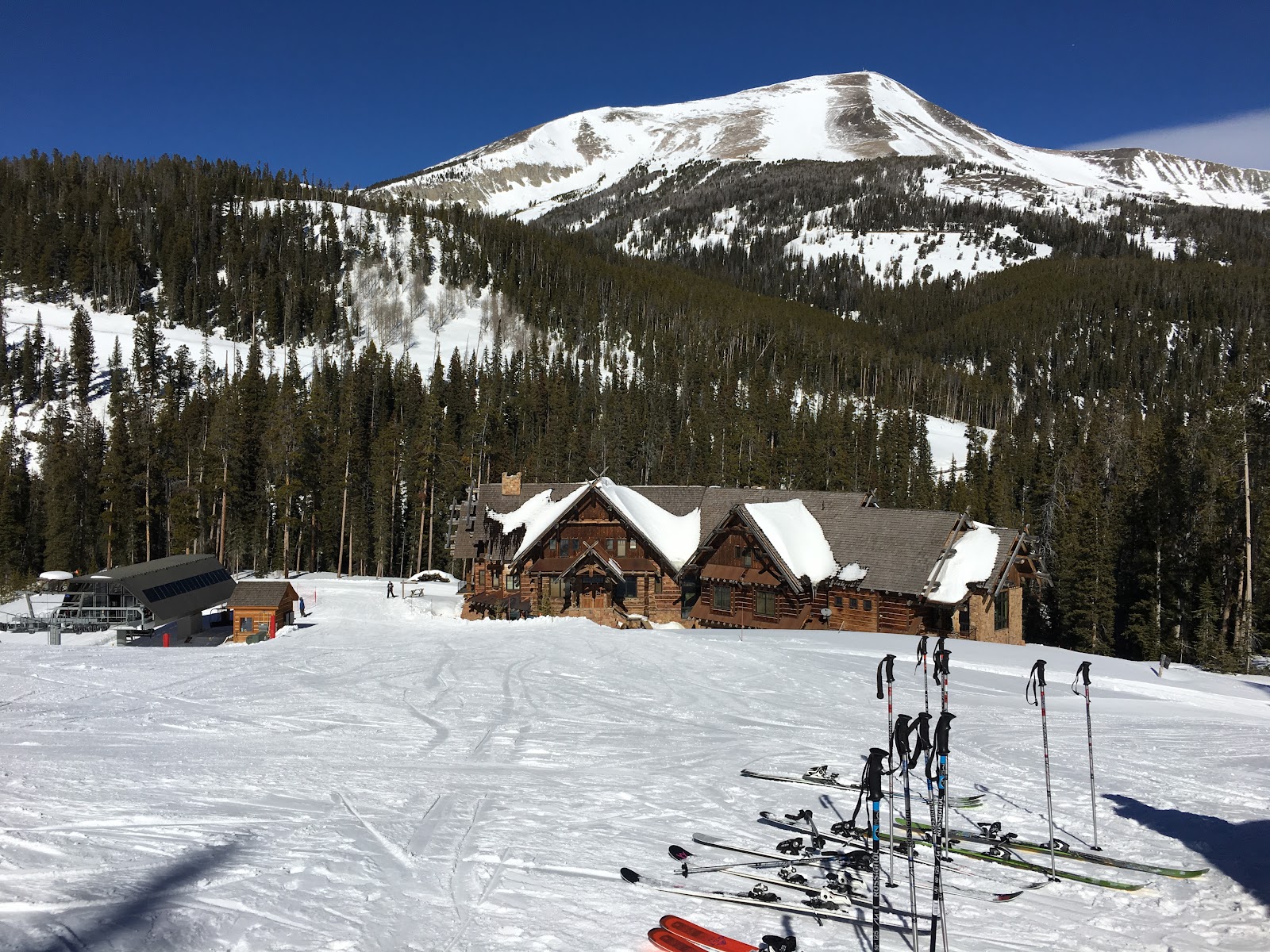
The Yellowstone Club, Big Sky: One Frame, and How It Is Made
The best frame here happens after the sun has left you. Six decisions make it work.
There is one frame a high mountain valley gives that nowhere else can, and it happens at a moment when most photographers have already put the camera away.
The frame is this. A couple stands on the valley floor in soft shade, because the sun has already dropped behind the western ridge. Behind and above them, the peaks are still in full direct sunlight — warm, hard, and at this altitude very clean. The faces are correctly exposed and the rock is correctly exposed, which means the range between them has been bridged rather than split. Nothing is clipped and nothing is black, and the picture contains two different times of day at once.
That is technically the hardest frame in this landscape and it is the one worth planning the evening around. Six decisions make it.
We have not photographed a wedding at the Yellowstone Club; high mountain valleys behave consistently and the light is a matter of geometry. Which venues and areas are included, what the ceremony site’s altitude and aspect are, and what the access arrangements are are questions for their team.
The Yellowstone Club at a glance
| Where | A high valley at Big Sky, Montana |
| The frame | Shaded couple below, sunlit peaks above, both correctly exposed |
| When | After the sun leaves the valley floor — twenty or thirty minutes |
| The difficulty | A brightness range that has to be bridged, not split |
| Ask first | Areas included, site aspect, access arrangements, weather plan |
Decisions one to three: the timing, the position, the exposure
The first decision is when, and it cannot be taken from a sunset table. The sun leaves a high valley floor when it drops behind the western ridge, which may be an hour or more before nominal sunset — and the peaks stay lit until actual sunset, which is what creates the gap.
So the window is between those two events, and its length depends entirely on the local topography: a steep western ridge close by gives a long interval, a distant low one gives a short one. The only reliable way to know is to ask the venue when the sun leaves their site, which they will answer precisely because everything they do depends on it. One question replaces an evening of guessing.
The second decision is the position, and it is governed by where the lit rock is rather than by where the couple looks best. The peaks that stay lit are the ones facing west, so the frame requires standing somewhere with a clear view of a west-facing face — which is not necessarily the direction the venue’s main aspect points.
Within that, three things matter. The couple should be in open shade rather than under a canopy, because a dappled foreground destroys the frame. There should be something solid to one side of them — a stand of conifer, a building, a rock face — because open shade without an edge is flat, and this frame needs the faces shaped. And the peaks should occupy the upper third or more of the composition, because they are the reason for the picture.
The third decision is the exposure and it is where this frame is usually lost. Sunlit rock and shaded faces can differ by four or five stops, which exceeds what a single exposure holds once both skin tone and highlight detail are required.
There are two honest resolutions and one that is not. Expose for the rock and let the couple silhouette, which is a legitimate picture and not the one described here. Expose for the rock and light the faces back up, which is the frame — and which requires a source with enough output to compete at close range with the ambient the shaded valley is giving.
The one that is not honest is a compromise exposure: grey rock and dark faces, which is what automatic metering produces every time and which fails at both jobs. Choose, then commit.
The practical figures vary but the shape does not. The rock wants the exposure that holds its texture — and alpine rock in late light has a lot of texture to hold, which is why it is worth getting right. The faces then need a stop, perhaps a stop and a half, of added light to match.
Decisions four to six: the source, the colour, the fallback
The fourth decision is the source, and it must be close. Outdoors there is nothing at all to bounce off — no ceiling, no near walls — so every photon travels direct, and light falls off with the square of distance. A modifier at two metres is soft and needs modest power; the same modifier at six metres is hard and needs four times as much.
So: one source, off the camera axis at face height, in a modifier at two or three metres, in a hand or on a bracket rather than a stand, because a stand in mountain wind is a liability. That is less equipment than most photographers would carry to a hotel, and it is the whole lighting plan for this frame.
The fifth decision is the colour of that source and it is what separates a good version from an obviously lit one. The light on the peaks at this moment is warm — low sun through a lot of atmosphere — while the shaded valley is lit by blue sky and is markedly cool. An ungelled flash sits between the two and matches neither, which produces faces that look pasted into the landscape.
The answer is to gel the source warm, to roughly the temperature of the light on the rock, and set white balance to that gel. The faces then read as though the same light were reaching them, while the shaded surroundings stay cool — which is a natural and pleasing separation rather than an error.
There is a related refinement worth the trouble: if there is snow, the shade is cooler still, because snow under a blue sky reflects that blue strongly. A warm gel is more necessary in snow, not less.
The sixth decision is the fallback, because this frame depends on clear skies over the peaks and mountain weather does not cooperate reliably. The two things that remove it are cloud on the summits, which is common, and wildfire smoke, which from late August into September can flatten the peaks to grey silhouettes for days at a time.
The fallback is not a lesser picture, it is a different one. With cloud on the summits the frame becomes atmospheric rather than dramatic — ridges appearing and disappearing, light shifting minute to minute, and a much narrower brightness range that needs no added light at all. With smoke, the ridges separate into flat grey layers, which is genuinely striking, the light is warm and diffused, and faces need nothing.
Both of those are good, and knowing in advance that they are the alternative rather than the failure is what lets a photographer work a difficult evening instead of waiting for one that is not coming.
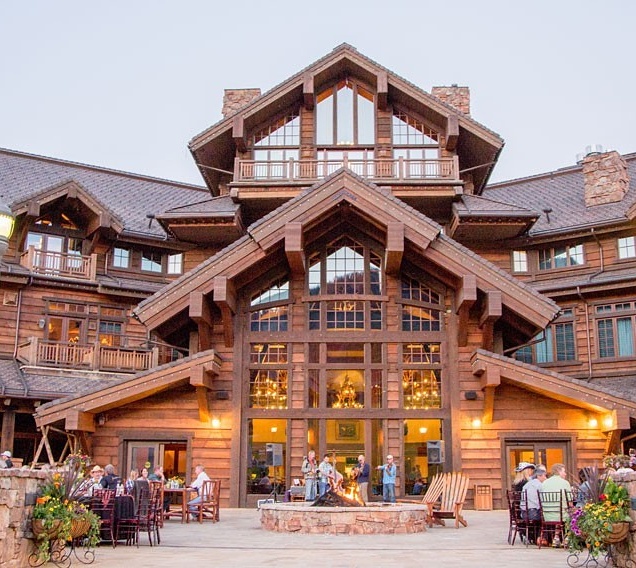
Inside, the club’s buildings will follow the mountain pattern: timber and stone, warm, dark and absorbent, sitting two or three stops below a pale room and returning almost nothing to a bounced flash. One test frame aimed at the ceiling settles it, and the usual answer is to light directly into a modifier, gelled warm with white balance set to the gel, about a stop above the ambient.
- Ask when the sun leaves the valley floor; that starts the window
- Stand where a west-facing peak is visible, with something solid to one side
- Expose for the rock and light the faces — never compromise between them
- Source close, in a hand, gelled warm to match the light on the rock
- Know the fallback: cloud and smoke give different good frames, not failures
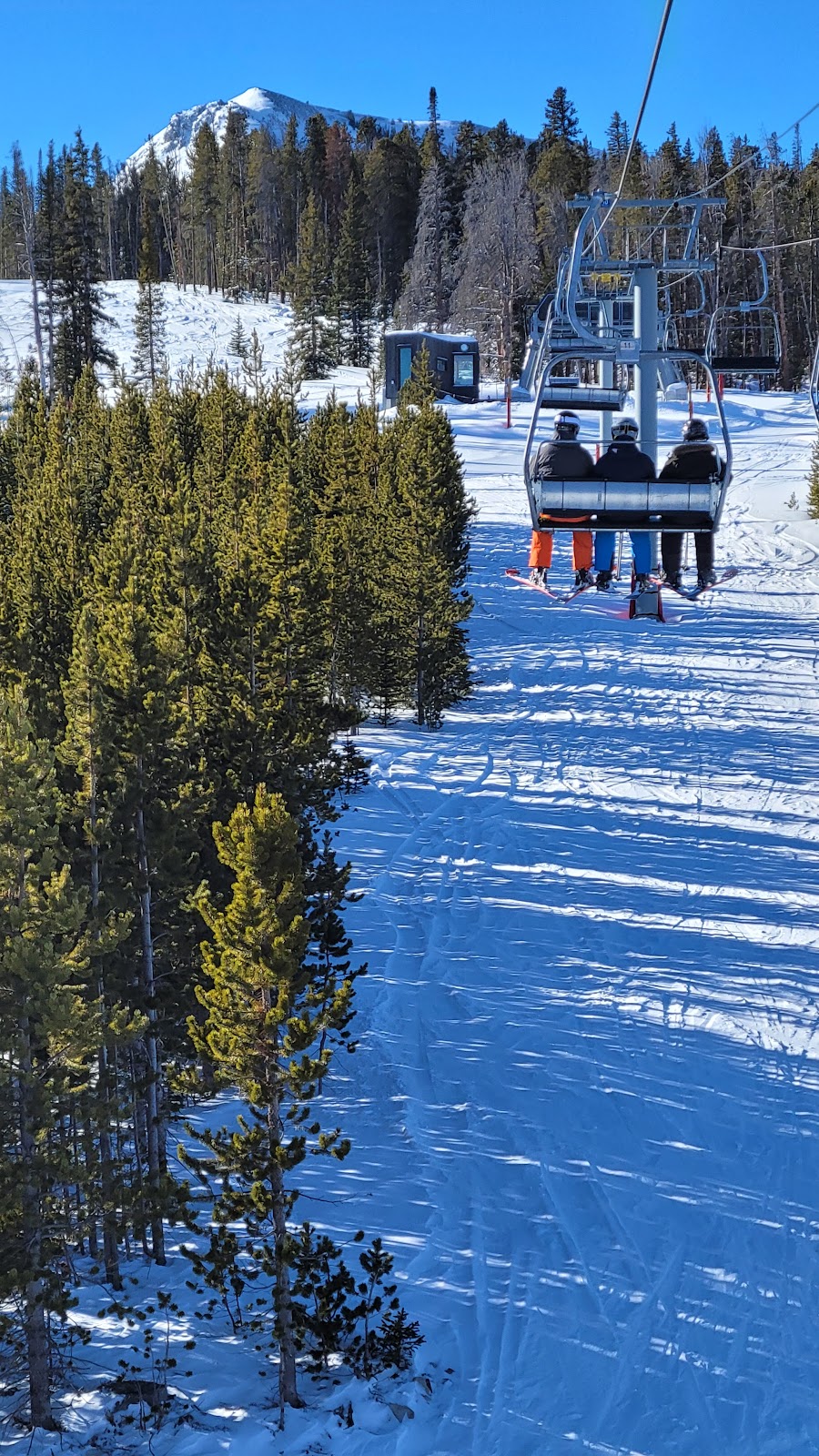
Altitude, and the Montana year
The altitude underlies all of it. At around seven thousand feet and considerably above, there is roughly a quarter less atmosphere overhead to scatter sunlight than at sea level — which is why the light on the peaks is so clean, why the sky is a deeper blue, and why the brightness range in the frame described above is wider than the same geometry would give lower down.
It has three practical consequences. Ultraviolet is markedly higher, so a party standing outdoors burns faster than expected, including under cloud and including over snow reflecting upward. The diurnal swing is large — well over twenty degrees Celsius between afternoon and evening is normal, and a valley cools faster than open ground because the sun leaves it earlier — so a party comfortable at four o’clock is genuinely cold by seven, and coats and heat are the answer. And anyone arriving from sea level feels the elevation, which argues for a short portrait route close to the buildings.
Batteries drain faster in cold and at altitude both, so spares belong in an inside pocket rather than a bag.
Winter is the valley’s own season and photographically the strongest. At about forty-five degrees north the December midday sun reaches only around twenty-one degrees above the horizon, which means the whole short day is raking light rather than overhead light — and the frame described above is available for much longer, because the sun spends the whole day at an angle that lights the peaks and shadows the floor.
Snow is useful twice. Outdoors it is the best natural fill available, lifting exactly the shadows a low sun carves while fooling a meter by about two stops toward underexposure — so a snow frame needs deliberate overexposure relative to what the camera suggests. Indoors it turns the ground into an enormous reflector, which transforms every window in a dark timber building.
Snow with dense conifer in the same frame is the widest natural brightness range a photographer meets, wider even than the frame described above: expose for the snow, which holds the detail and clips irrecoverably, and accept the trees as near-black, which is what the eye reads anyway. And conifer is worth using deliberately as a background, because it absorbs almost everything and separates a subject by three or four stops with no equipment at all.
Summer in a high valley is short, green and cool, with wildflowers through July and August. Afternoon thunderstorms build over high terrain from roughly July into September and they produce lightning, which on an exposed slope is a hazard rather than an inconvenience — a named indoor alternative is a requirement and the decision to use it belongs to whoever is responsible for the party.
Late September and early October are the best short window of the year: the smoke has usually cleared, the aspen turn strong yellow against the dark conifer, the afternoons are stable, and sunset falls at a reasonable hour. It lasts a week or two either side of peak, which is worth asking the venue about rather than guessing.
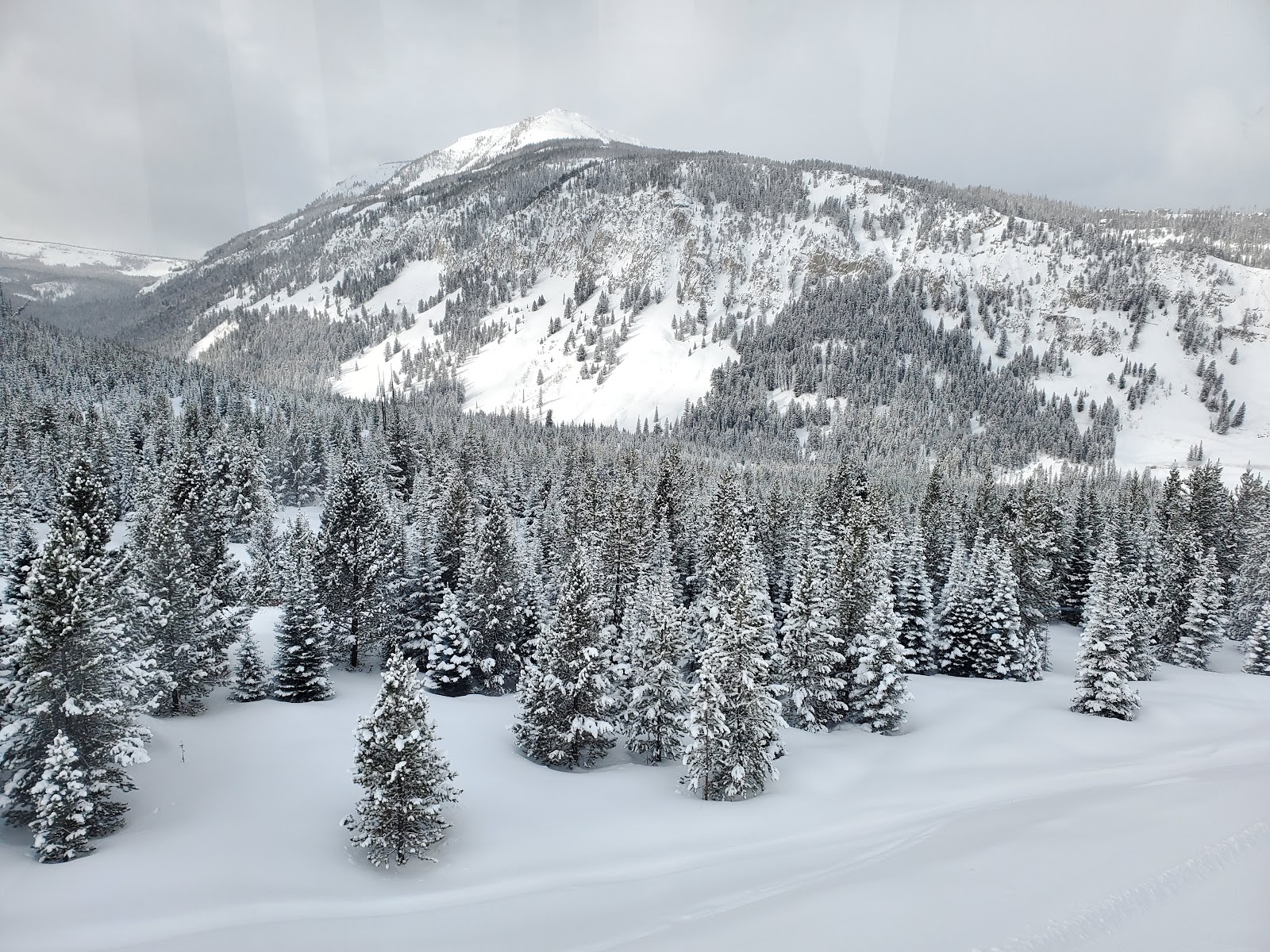
More frames from The Yellowstone Club
The Yellowstone Club wedding photography: common questions
What is the frame?
A couple in open shade on the valley floor with sunlit peaks above them, both correctly exposed — two different times of day in one picture.
When does it happen?
Between the sun leaving the valley floor and actual sunset. Ask the venue when the sun leaves their site; they will know precisely.
How is the exposure handled?
Expose for the rock, which holds the texture, and light the faces back up. A compromise exposure gives grey rock and dark faces and fails at both.
Why does the source have to be close?
Because there is nothing outdoors to bounce off and light falls off with the square of distance. A modifier at two metres needs a quarter of the power of one at six.
Why gel the flash warm?
Because the peaks are lit warm and the shaded valley is lit cool by blue sky. An ungelled source matches neither and makes faces look pasted in.
What if the peaks are in cloud or smoke?
Those are different good frames, not failures — cloud gives atmosphere and a narrow range needing no added light, smoke gives flat grey layers and warm diffusion.
More Big Sky, MT venue guides
We are writing a photographer’s guide to every venue we would happily shoot in Big Sky, MT. Here are three more, plus the full index:
- The 320 Guest Ranch, Big Sky: The Problem, and Four Ways Out
- Big Sky Resort, Montana: A Venue Built Around Winter
- Buck’s T-4 Lodge, Big Sky: What It Suits, and What It Does Not
Planning a wedding at The Yellowstone Club?
The frame after the sun has gone. Tell us your date and we will time it.