 The Bierstube: What Changes When the Reception Is in a Bar
Buck’s T-4 Lodge, Big Sky: What It Suits, and What It Does Not
A lodge that works all year is a lodge built for weather, not for light. Both halves matter.
A working mountain lodge — one that operates through the winter as well as the summer — is built for weather rather than for photographs, and the difference shows up in specific ways that are worth knowing before booking rather than discovering on the day.
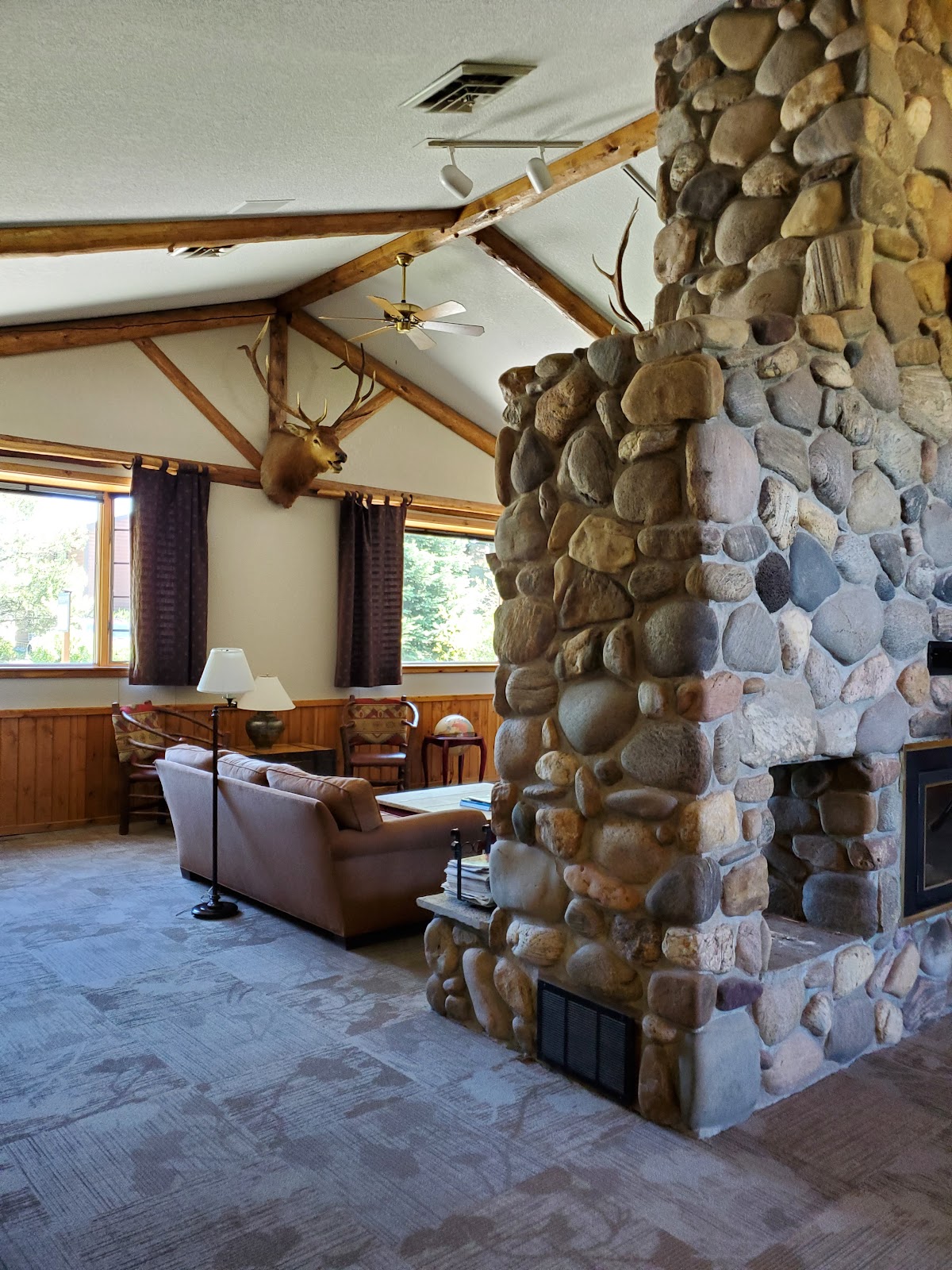
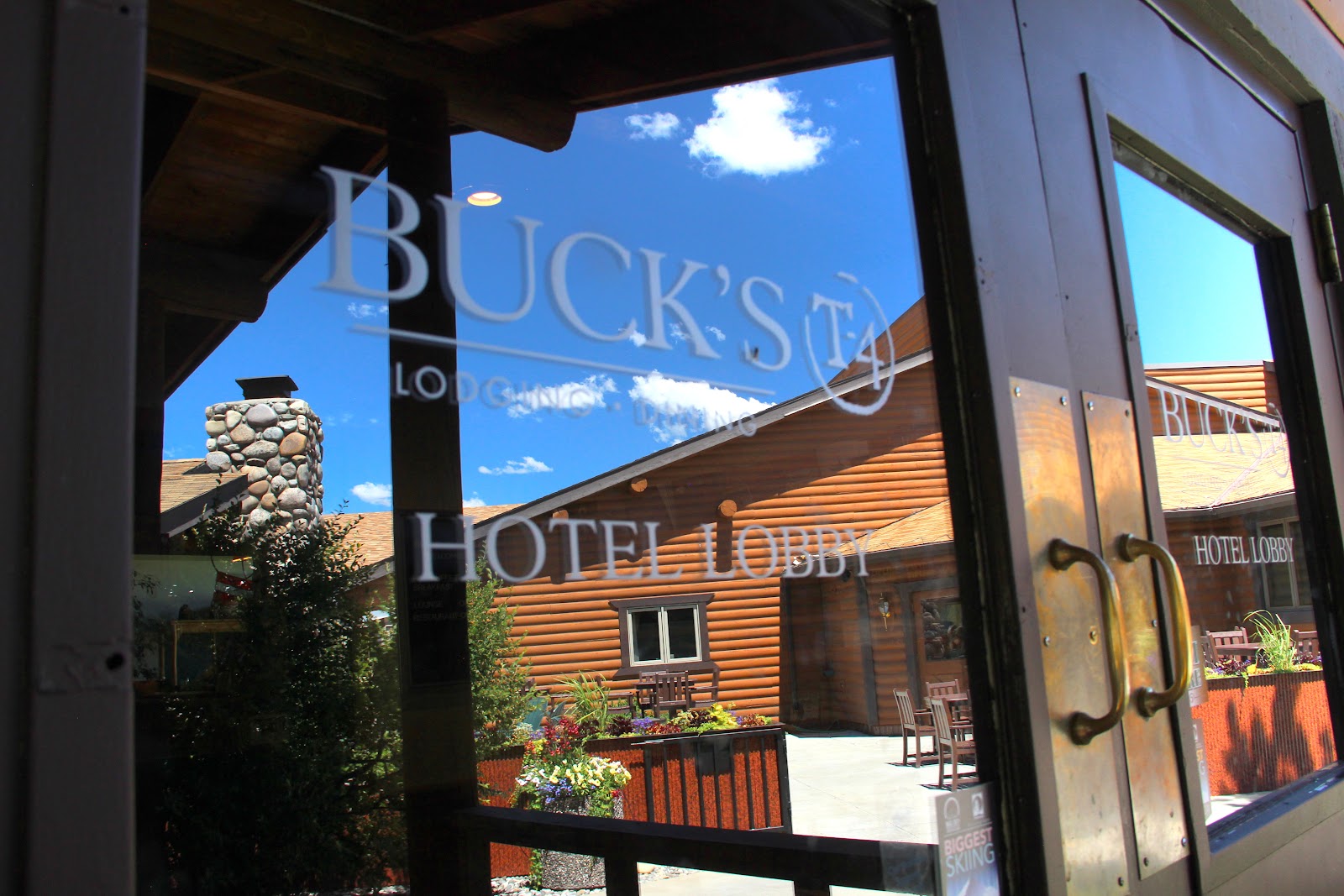
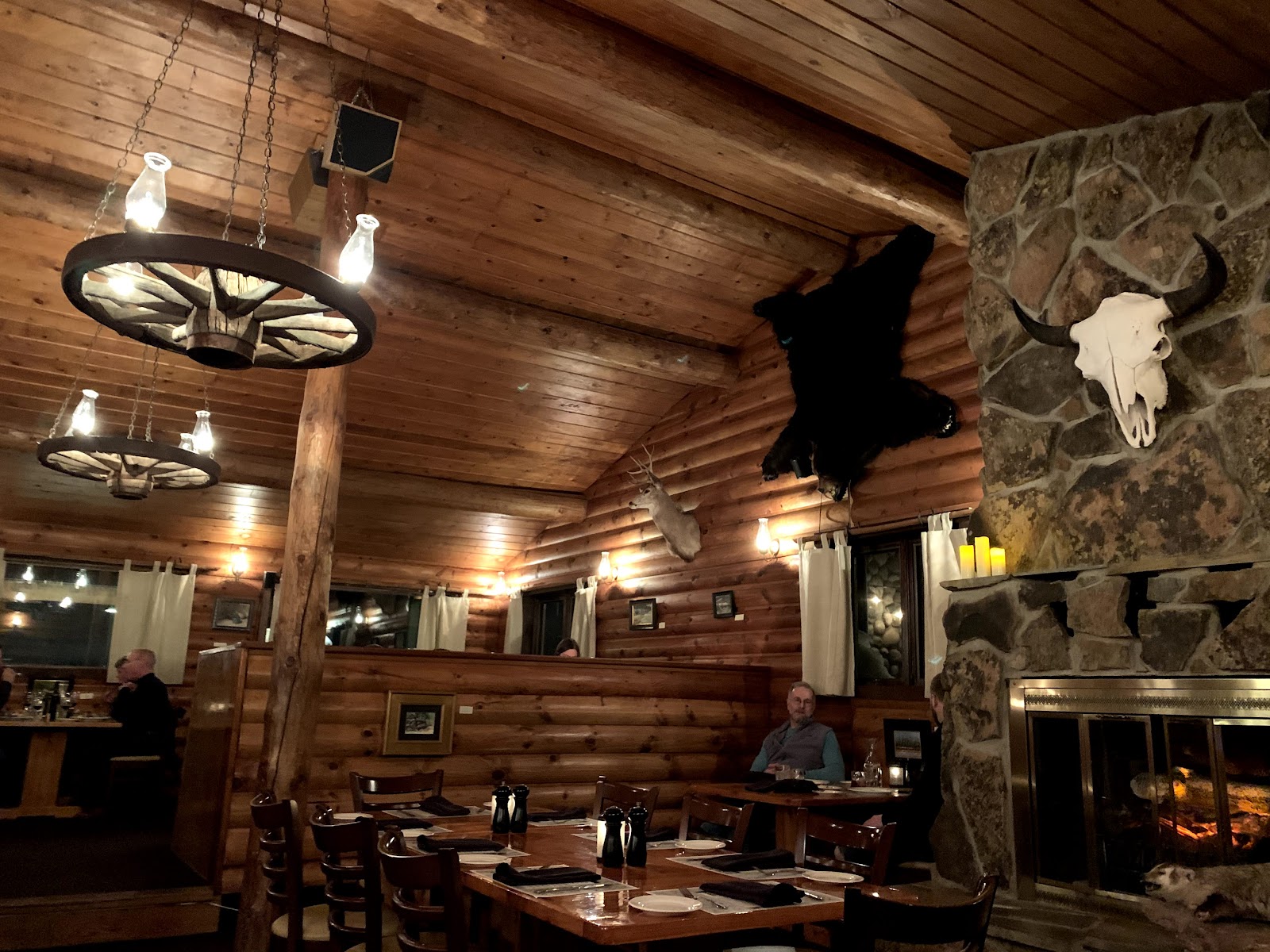
What it does well is reliability and warmth. It is a sheltered, heated, self-contained building in a climate that can turn in an hour, which means the day happens regardless; and its timber-and-stone interiors have genuine character, which a modern function room does not.
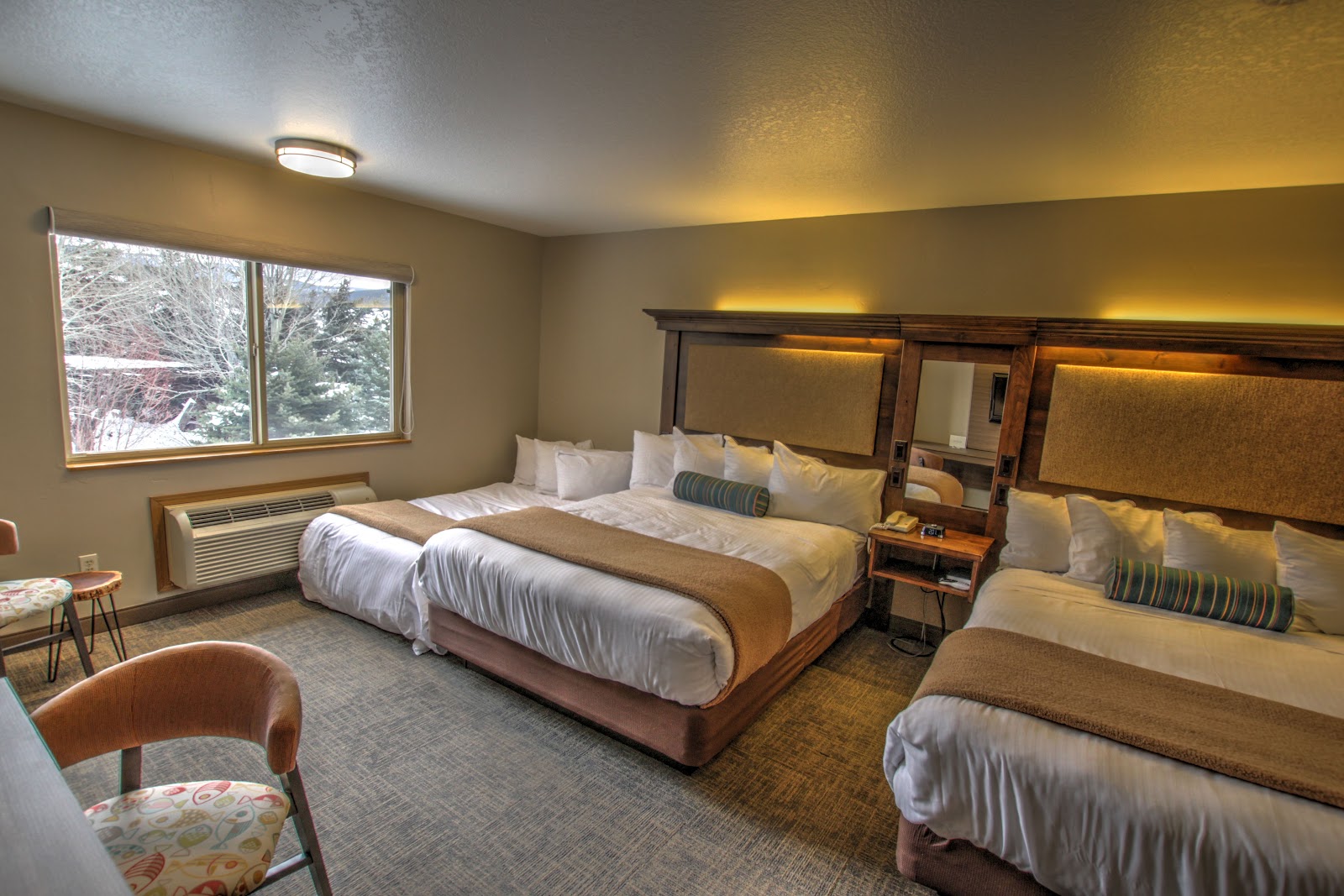
What it does badly is light. Heavy construction means small-to-moderate windows and dark absorbent surfaces, a canyon site means the sun leaves early, and a building designed to keep weather out is a building that does not let much light in.
We have not photographed a wedding at Buck’s T-4 Lodge; working mountain lodges behave consistently. Which spaces are included, whether there is outdoor or deck access, and whether the lighting is adjustable are questions for their team.
Buck's T-4 Lodge at a glance
| Where | A canyon site at Big Sky, Montana |
| Suits | Reliability, warmth, real material character, a plan that cannot be rained off |
| Resists | Interior light — dark timber, modest windows, and an early-shadowing site |
| The main task | Adding light that reads as the room’s own |
| Ask first | Spaces included, deck or outdoor access, lighting control, fixings |
What it suits
Reliability first, and in this climate it is worth more than it sounds. Mountain weather changes faster than any forecast, and a self-contained heated building means the running order written in March survives a June snow shower, an August thunderstorm and a January storm alike. Venues that depend on a meadow or a deck do not have that, and the difference shows up as calm rather than as a picture.
Material character is the second and it is the real photographic asset. Timber boarding, exposed beams, stonework and hearths are substantial surfaces with texture in them, and they photograph as subjects rather than as backdrop — which means the venue will be recognisable in a gallery in a way a neutral function room never is.
That comes with one condition, which is raking light. Boarding, beams and stone read only when light runs along them; a source pointed at a timber wall makes a flat brown field, while the same source placed to skim it lifts every joint and every course. The two or three positions where the existing light already grazes a surface are worth finding on arrival and they carry a disproportionate share of the good frames.
Steep fall-off is the third thing it suits and it is free separation. Dark absorbent surfaces mean a subject three metres in front of anything else sits against natural darkness with no equipment at all — the opposite of the pale-modern-room problem, and a reason to choose positions with depth behind them rather than backs to a wall.
Warm register suits a gallery’s coherence. A timber-and-stone building does not change palette from room to room, which means consecutive frames from different spaces match without any reconciling work in editing. Modern venues, with their mixture of finishes and fitting types, do not offer that.
The hearth suits a specific frame that nothing else gives: fire is a warm, low, flickering source, and a couple lit by it at a wide aperture is a genuinely distinctive picture. It needs a slow shutter, a steady subject and a willingness to let the colour stay very warm — and one modest gelled source from the side to give the faces some shape, because firelight alone lights from below.
And the deck or porch, where there is one, suits everything the interior cannot. A roof above with an open face restricts the light to a horizontal band, removing exactly the overhead component that ruins faces, while the timber floor and wall bounce it back to fill. That is a soft directional source at the scale of two people, available at any hour, and rainproof — which in a mountain summer of afternoon storms is the difference between having an outdoor block and cancelling it.
What it does not suit
Interior light is the honest gap and it needs measuring rather than estimating. Dark timber absorbs most of what falls on it, so a lodge room sits two or three stops below a pale room with identical fittings — and eyes adapt where meters do not, so the number is always lower than the impression. One frame on arrival settles it.
Worse, it removes the advantage a low ceiling normally gives. In an ordinary room a flash aimed upward returns a great deal; in a timber-lined room it returns very little and what does come back arrives coloured by the wood. One test frame aimed at the ceiling confirms it in five seconds, and the answer is to light directly into a modifier instead.
The method that works is one source, off the camera axis, at face height, in a modifier large enough to be soft at working distance, gelled warm to match the room’s own fittings with white balance set to the gel, and exposed about a stop above the ambient. That reads as light belonging to the room.
Over-lighting is the error and it is the commonest one in a dark venue: a face two stops above a timber room floats in blackness, which discards the reason for choosing a lodge in the first place. A stop is a lot here.
Warm bounce is the second difficulty and it is the colour problem. Timber and stone reflect strongly warm, and the cast arrives on the shadow side of a face from several directions at once — localised and bounced, which means global white balance cannot separate it from the subject. That is why gelling and matching is the method rather than correcting: a global correction turns skin grey and the timber the colour of ash.
Small windows are the third. A building constructed for weather does not have walls of glass, which means the daylight is limited and concentrated rather than abundant. What windows there are should be found on arrival and used properly — largest on the shaded side, every overhead fitting off so the room has one colour of light, lamps out of frame, two to three metres back so the fall-off is even across two faces.
The canyon site is the fourth and it is a timing rather than a lighting problem. The sun clears the eastern ridge late and drops behind the western one hours before nominal sunset, which means the outdoor window is short and it is not where a table says it is. The single most useful question to ask is when the sun leaves the site — the venue will answer precisely, because everything they do depends on it.
And the fifth, which is not the building’s fault but shapes the day: there is no dusk crossing available from inside a lodge with modest windows. That frame — when the sky still holds colour at the brightness of the interior — only exists outdoors or on a deck, which makes the outdoor plan part of the schedule rather than an optional extra.
- Measure the ambient; timber puts a room two or three stops down
- Test bounce once — timber returns almost nothing, and colours what it does
- One warm-gelled source, a stop above the room, never two
- Find the two or three positions where light already grazes a surface
- Ask when the sun leaves the site; the outdoor window is short and early
Outside, and the Montana year
The canyon gives a long soft morning and a long soft evening of open shade, which is genuinely good light — soft, downward and without hard shadows — lacking only direction, which is supplied by standing near something solid rather than in the middle of open ground.
The conifer edge is the reliable outdoor frame: standing in evergreen shade facing out into lit open ground gives directional light in front and near-total darkness behind, separating a subject by three or four stops with no equipment. It carries one exposure trap, because a meter looking at dark conifer tries to lift it towards mid-grey and overexposes everything else by two stops — so the background has to be allowed to stay dark, which means metering on the faces and working in manual.
And the interval after the sun leaves the valley is the frame worth waiting for: the peaks above stay in direct sun for twenty or thirty minutes after the ground has lost it, which gives a couple in soft shade with brilliantly lit rock behind. It needs the faces lifted by a close, warm-gelled source rather than the rock underexposed to match them.
The altitude underlies all of it. At around seven thousand feet there is roughly a quarter less atmosphere overhead to scatter sunlight, so direct sun is harder, shadows go deeper, the sky is a deeper blue, and a face half in sun is beyond rescue rather than merely difficult. Full shade only.
Ultraviolet is markedly higher, so a party outdoors burns faster than expected, including under cloud and over snow. The diurnal swing is large — well over twenty degrees Celsius between afternoon and evening, and a canyon cools faster because the sun leaves it earlier — so a party comfortable at four is cold by seven. And anyone arriving from sea level feels the elevation, which argues for a short portrait route close to the building.
Summer is short, green and cool, with afternoon thunderstorms building over high terrain from roughly July into September. They produce lightning, which in open ground is a genuine hazard rather than an inconvenience, and a lodge is an excellent named alternative — which is exactly what it is good at.
Late August into September brings wildfire smoke, which deserves naming honestly because it has become a reliable part of the western calendar: smoke can settle in a mountain valley for days, flattening long views to grey, turning the sun orange, and removing the deep blue sky that altitude normally gives. It is good warm diffusion and no panorama, and a couple booking then should be told.
Late September and early October are the best short window of the year — smoke usually cleared, aspen turning yellow against dark conifer, stable afternoons, and sunset at a reasonable hour.
Winter is long and it is when a lodge is genuinely at its best. The December midday sun at this latitude reaches only around twenty-one degrees above the horizon, so the whole short day is raking light; snow outdoors is the best natural fill available, lifting exactly the shadows a low sun carves while fooling a meter by about two stops; and snow indoors turns the ground into an enormous reflector, which transforms every one of those modest windows. In a building whose main problem is absorbent walls and limited glass, that is a substantial gain rather than a marginal one — and it makes February the month this venue performs best.
More frames from Buck's T-4 Lodge
Buck's T-4 Lodge wedding photography: common questions
What does a working lodge do best?
Reliability in a climate that turns in an hour, plus timber and stone that photograph as subjects rather than backdrop.
What is the main difficulty?
Interior light. Dark timber absorbs, so a room sits two or three stops below a pale one, and a bounced flash returns almost nothing.
How should it be lit?
Directly into a modifier — one warm-gelled source off-axis at face height, about a stop above the ambient. Two stops floats a face in blackness.
Why can't the warm bounce be corrected globally?
Because it is bounced and localised, arriving on one side of a face. A global correction turns skin grey and the timber the colour of ash.
Where does the dusk frame happen?
Outdoors or on a deck. A lodge with modest windows has no interior crossing, which makes the outdoor plan part of the schedule.
When is the venue at its best?
February. Snow turns the ground into an enormous reflector, which transforms the building’s limited glass — a substantial gain rather than a marginal one.
More Big Sky, MT venue guides
We are writing a photographer’s guide to every venue we would happily shoot in Big Sky, MT. Here are three more, plus the full index:
- Lone Mountain Ranch, Big Sky: The Light Through a Mountain Day
- The Rainbow Ranch Lodge, Big Sky: Field Notes on a Riverside Lodge
- The Yellowstone Club, Big Sky: One Frame, and How It Is Made
Planning a wedding at Buck's T-4 Lodge?
Good at what it is good at. Tell us your date and we will work to it.