 The Rio Grande Zoo: Cottonwood Shade and the Enclosure Problem
Isleta Resort: How the Lake and Mountain Frame Is Made
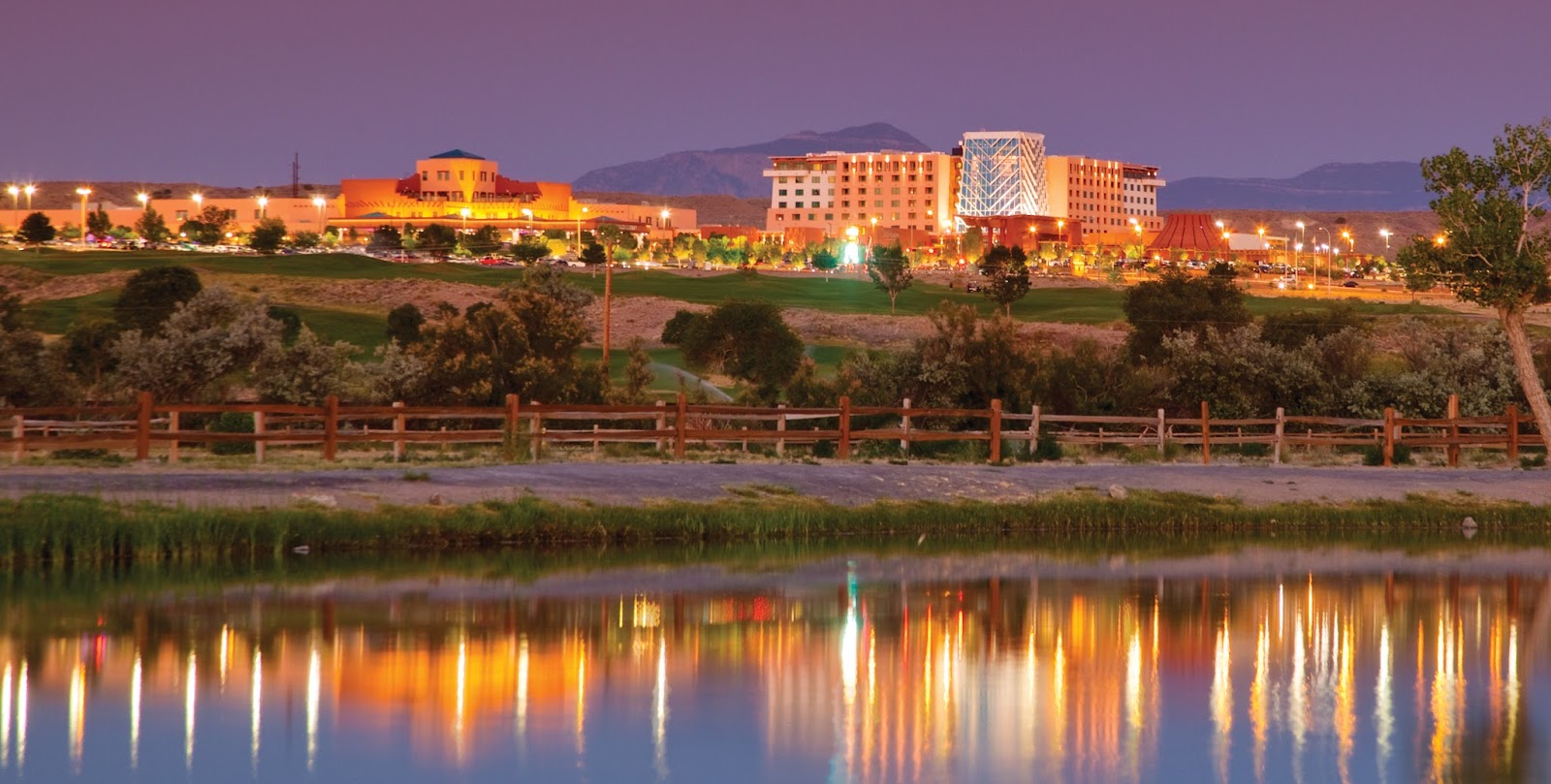
Still water and a distant mountain make one frame together. It needs calm air, a long lens and about twenty minutes.
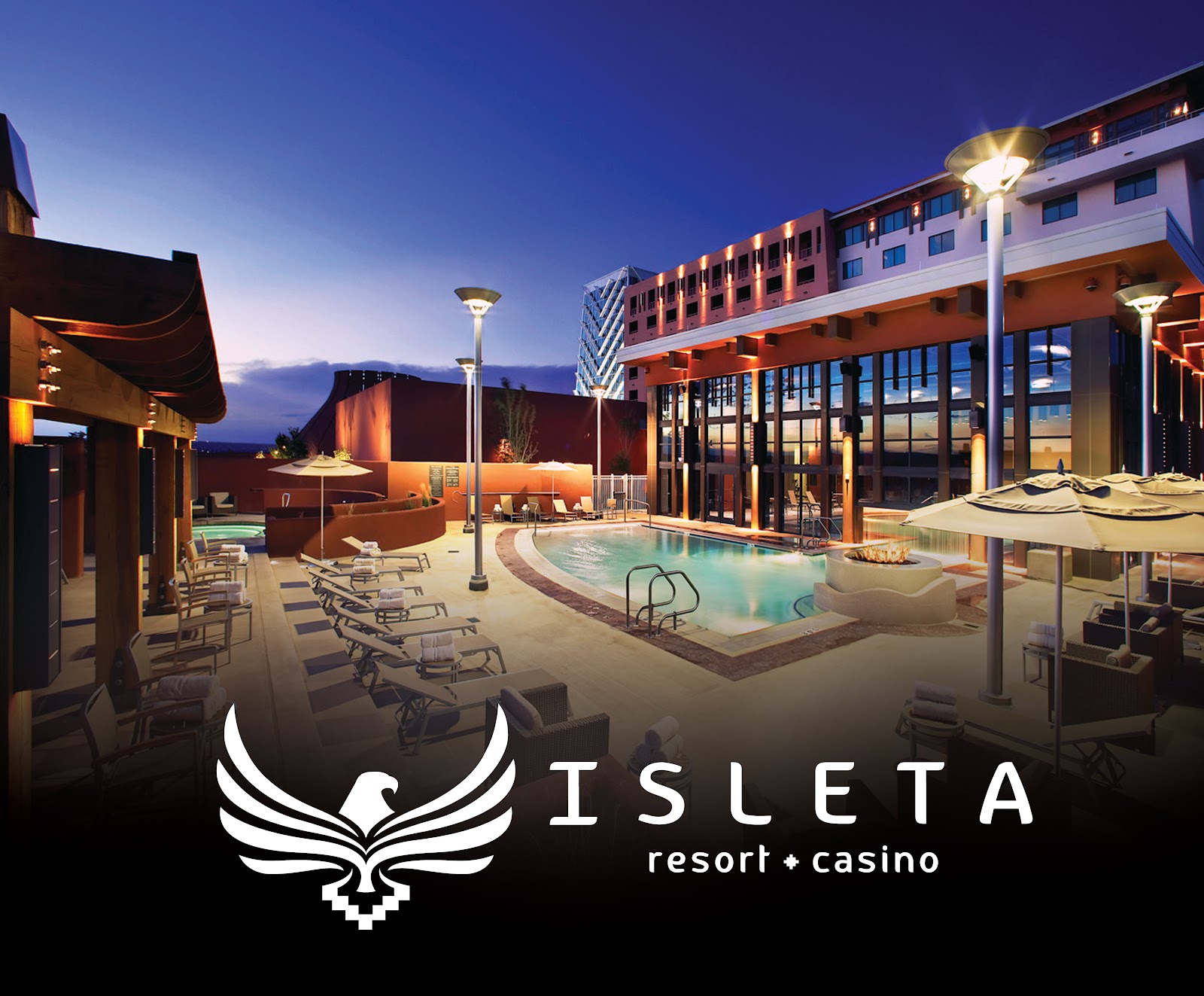
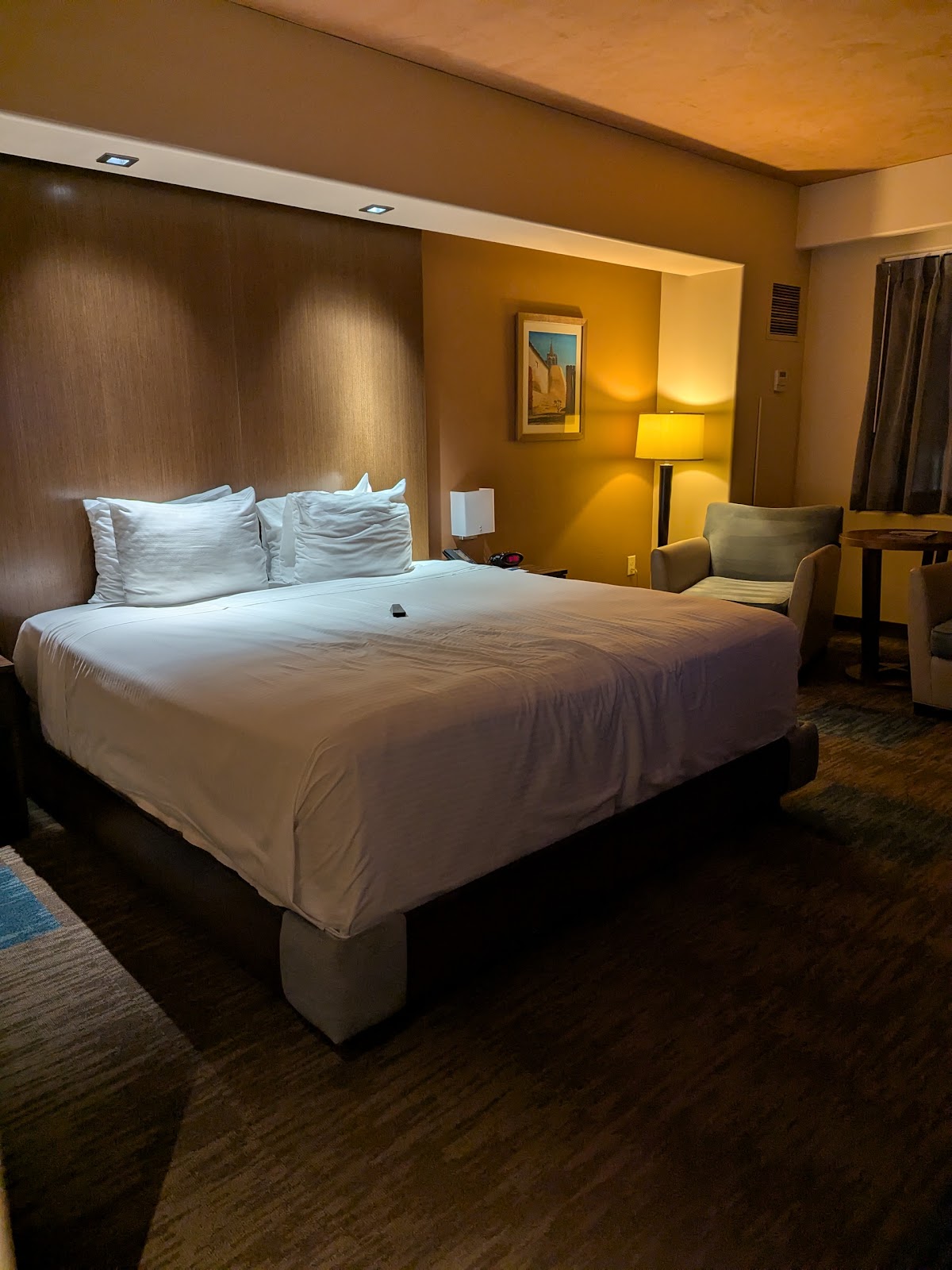
Isleta Resort occupies open ground south of Albuquerque, New Mexico, in the Rio Grande valley, with lakes on its grounds, ballrooms and accommodation, and long views across the valley to the ranges that edge it.
There is one frame here that is worth planning the evening around, and it is the combination of the two assets rather than either alone: a still lake surface in the foreground with a lit mountain range reflected in it. Reflected mountains are among the strongest landscape compositions there are, because the water doubles the subject and gives a symmetrical frame that needs no arranging. But the conditions for it are narrow, and a photographer who does not know them will arrive at the wrong hour on a breezy afternoon and find a grey choppy pond.
So this is an account of building that frame, and then what the rest of the property gives. We have not photographed a wedding at Isleta; still water and distant ranges behave identically wherever they meet. Which lawns, lakes and ballrooms a wedding may use, and which way each faces, are questions for their events team.
Isleta Resort & Casino at a glance
| Where | Rio Grande valley south of Albuquerque, New Mexico |
| Character | Resort with lakes, open grounds, ballrooms and accommodation |
| The frame | A still lake reflecting a lit mountain range |
| The conditions | Calm air, low sun, a long lens and roughly twenty minutes |
| Plan for | Afternoon wind, thin-air midday sun, and monsoon storms in summer |
Step one: understand why reflections are a morning and evening event
A reflection requires a flat surface, and a lake surface is flat only when the air is still. In a broad valley like this, air movement follows a daily pattern: calm in the early morning, rising through the day as the ground heats and thermals develop, strongest in the afternoon, then dropping again as the ground cools in the evening. So the two windows when a lake can mirror anything are early morning and the last hour or so before dark.
Any breeze at all is enough to destroy it. This is not a matter of degree — a surface with even light ripple scatters the reflection into unusable texture, and there is no technique that restores it. A long exposure on a tripod will smooth ripple into a soft gradient, which is a different and sometimes better image, but it is not a mirror and it will not hold a sharp double of a mountain.
High sun is the other spoiler. With the sun overhead, a water surface returns specular glare — bright clipping highlights across the surface rather than an image of anything. A reflection needs the light source to be low, which is the same condition as the calm air, conveniently.
So the frame lives in the first hour after sunrise and the last hour before dark, and of the two the evening is usually the one a wedding can reach. That makes it a scheduling decision to be made in advance rather than an opportunity to be noticed on the day.
Step two: the lens, which decides whether the mountain exists
This is the mistake that ruins more mountain-and-water photographs than anything else. A distant range looks impressive to the eye because human vision picks it out and gives it significance. A wide-angle lens does the opposite: it renders the range at its true angular size, which is a thin band along the horizon occupying perhaps a tenth of the frame height, with a great deal of empty sky above and empty water below.
A long lens compresses. At 135mm or longer the range fills a substantial part of the frame, the reflection fills the lower half, and the couple placed in front of it read against a wall of mountain rather than against a distant smudge. That is the photograph — and it requires standing much further back than instinct suggests, because a long lens on a couple at close range excludes everything else.
The practical arrangement is therefore counterintuitive: put the couple close to the water’s edge, and walk yourself a long way back along the shore. The distance between you is what lets the compression work. Trying to include a distant range while standing three metres from the couple is impossible at any focal length.
One consequence to plan for: at that distance you cannot direct in a normal voice, and any light you use has to be either very powerful or already in position. In practice the frame is usually taken as available light, which is fine — at the hour the reflection works, the light on the couple is warm, low and directional and needs nothing.
- Reflections need calm air, which means early morning or the last hour
- Even light ripple destroys a mirror; no technique recovers it
- Use 135mm or longer, and walk a long way back from the couple
- Place the couple at the water’s edge so the reflection includes them
- Expect to work on available light at that distance, which is enough
Step three: placement, and what the rest of the day gives
Where the couple stand relative to the water decides whether they appear in the reflection, and that is worth deciding rather than accepting. Right at the edge, and the mirror holds both them and the mountain, which is the fullest version of the frame. Set back a few metres, and the reflection holds only the range while the couple sit above it — cleaner, simpler, and often the better composition because a doubled couple can read as visual clutter.
Shoot low. Dropping the camera close to the water level increases the apparent size of the reflection and pushes the horizon line down the frame, which strengthens the symmetry. Standing at eye level compresses the reflection into a narrow strip and wastes it.
Away from that frame, the property is an open-ground resort in the high desert and the usual conditions apply. Midday is genuinely hard: at this altitude in dry air the sun runs to five stops across a face with no shade on open lawns, so the middle of the day belongs to the interiors or to whatever covered structures exist. The resort’s ballrooms are the dependable weather and heat plan, and they behave like any hotel function room — consistent, controllable, and needing one warm source at face height to counter overhead house lighting.
Wind deserves naming as a practical matter beyond reflections. Afternoon valley wind is a real feature here, and it affects veils, hair, table settings and any unweighted light stand. If the ceremony is outdoors in the afternoon, plan the veil as a held-or-removed decision rather than a hope.
And the regional evening applies: if there is an eastward sight line, the ranges turn pink and red for roughly fifteen minutes after the valley floor drops into shade. Combined with the lake window, that means the last hour here contains two distinct exceptional frames in quick succession — the reflection while the light is still on the water, and the colour on the range immediately after. Ten minutes stepped out of a reception covers both, and nothing else in the day comes close.
What works in your favour
- Still water reflecting a lit range is a genuinely exceptional frame
- Two distinct exceptional conditions in the last hour, back to back
- Open grounds with long uninterrupted valley sight lines
- Ballrooms as a dependable heat and weather plan
- Warm low light on faces at exactly the hour the reflection works
What to plan around
- Any breeze destroys the reflection, and afternoons are usually breezy
- High sun turns the water to specular glare rather than an image
- A wide lens reduces the range to a thin band and wastes the frame
- The long lens needed forces a working distance that rules out direction
- No shade on open lawns under thin-air midday sun
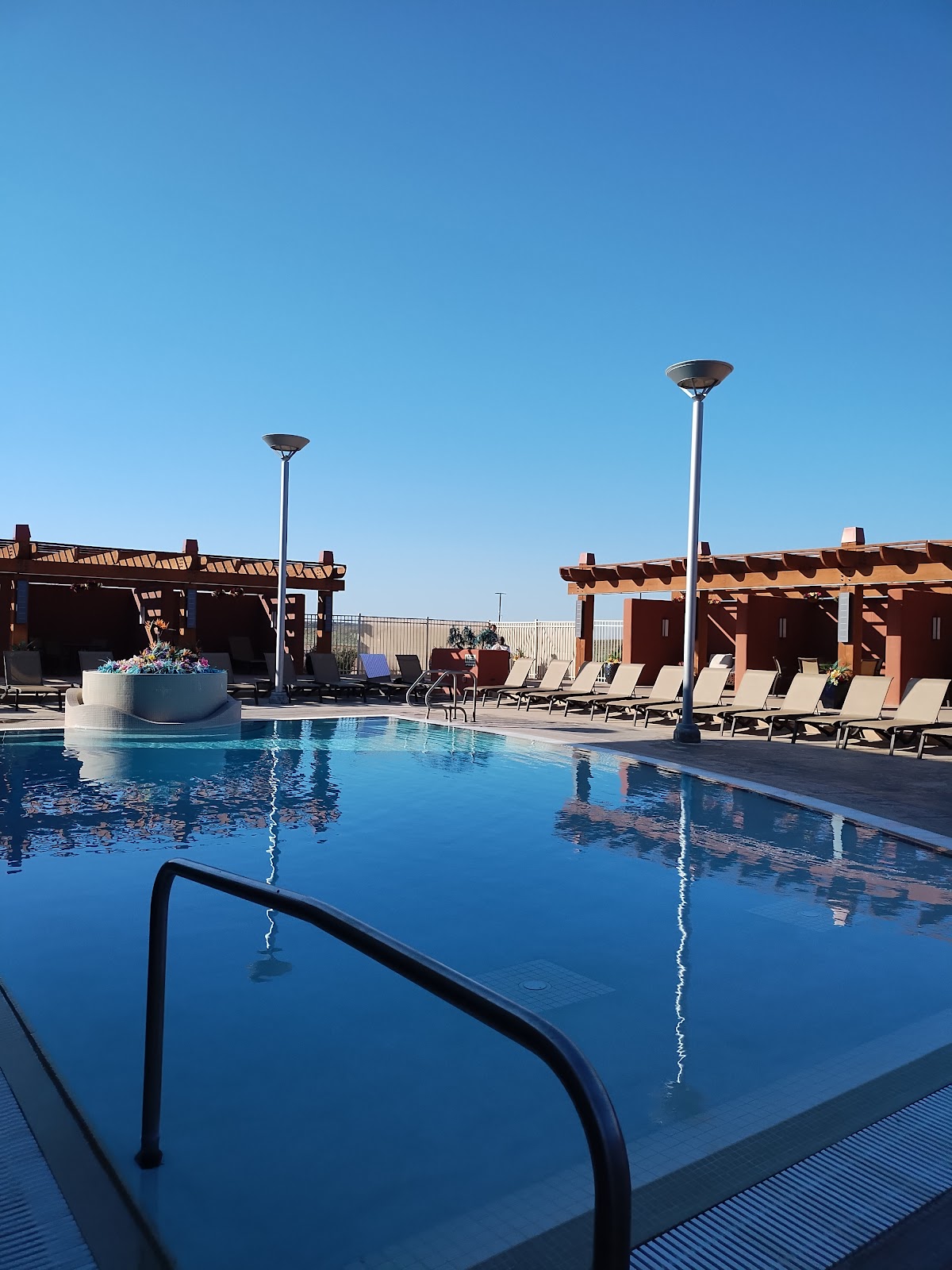
More frames from Isleta Resort & Casino
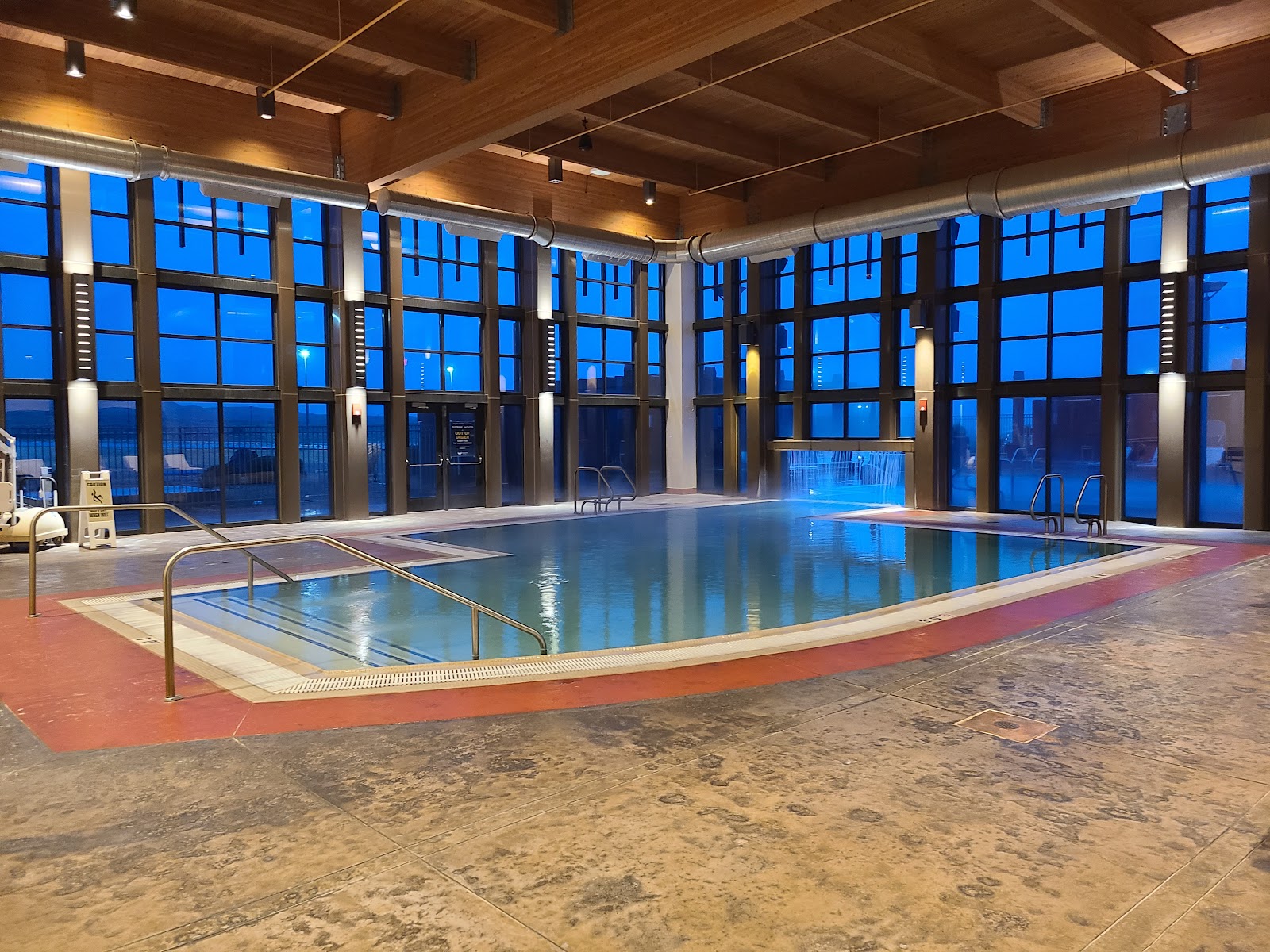
Isleta Resort & Casino wedding photography: common questions
When can the lake actually reflect anything?
Early morning and the last hour before dark. Valley air is calm early, rises through the day as the ground heats, peaks in the afternoon and drops again in the evening. Any breeze at all scatters the reflection into unusable texture.
Can a ripple be fixed?
Not into a mirror. A long exposure on a tripod smooths ripple into a soft gradient, which is a different and sometimes better image, but it will not hold a sharp double of a mountain. There is no recovery in an edit.
What lens do you need?
135mm or longer. A wide lens renders a distant range at its true angular size — a thin band along the horizon with empty sky above and empty water below. Compression is what makes the mountain fill the frame and loom behind the couple.
How does that change where you stand?
You put the couple at the water’s edge and walk a long way back along the shore. The distance between you is what lets the compression work. At that range you cannot direct in a normal voice, so expect to shoot on available light — which at that hour is enough.
Should the couple appear in the reflection?
Decide rather than accept. At the very edge the mirror holds both couple and mountain, which is the fullest version. A few metres back, the reflection holds only the range — cleaner, and often better, since a doubled couple can read as clutter.
Is there more than one good frame at the end of the day?
Two, back to back. The reflection while light is still on the water, then the ranges turning pink and red for about fifteen minutes once the valley floor is in shade. Ten minutes out of a reception covers both.
More Albuquerque, NM venue guides
We are writing a photographer’s guide to every venue we would happily shoot in Albuquerque, NM. Here are three more, plus the full index:
- Los Poblanos: What Adobe and Lavender Do to a Photograph
- The Rio Grande Zoo: Cottonwood Shade and the Enclosure Problem
- Sandia Resort: Reading High Desert Light Hour by Hour
All Albuquerque, NM Wedding Venues →
Planning a wedding at Isleta Resort & Casino?
Two exceptional frames sit inside the same last hour. Tell us your date and we will time them both from sunset.