 The Rio Grande Zoo: Cottonwood Shade and the Enclosure Problem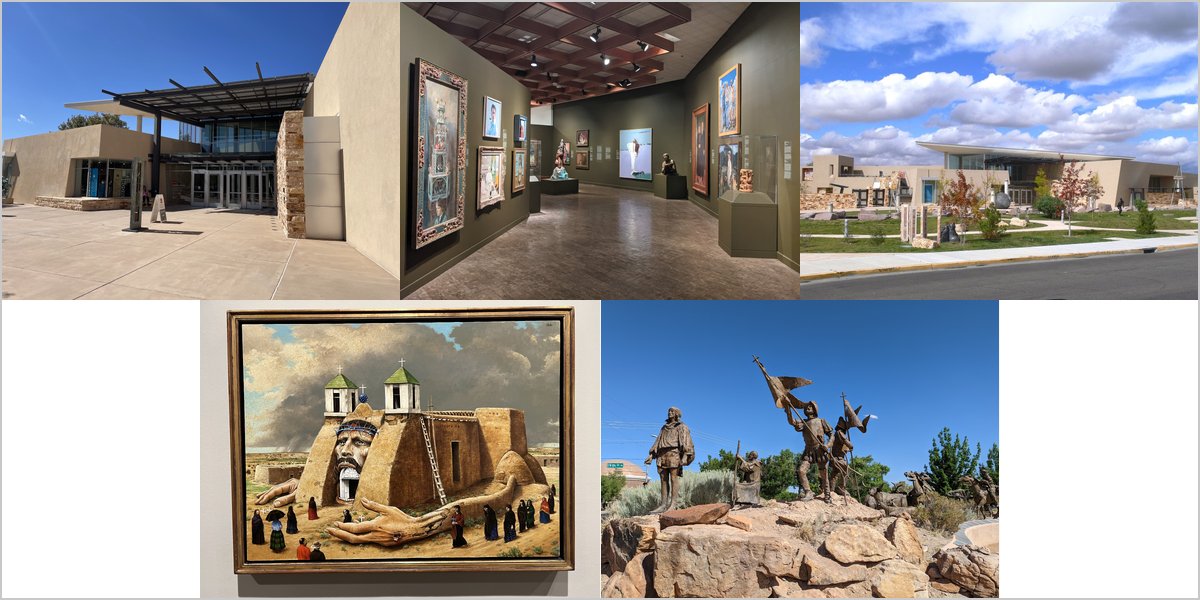
The Albuquerque Museum: From Modern Glass to Old Town Adobe
Modern glass on one side, four-hundred-year-old adobe on the other, and a five-minute walk between them.
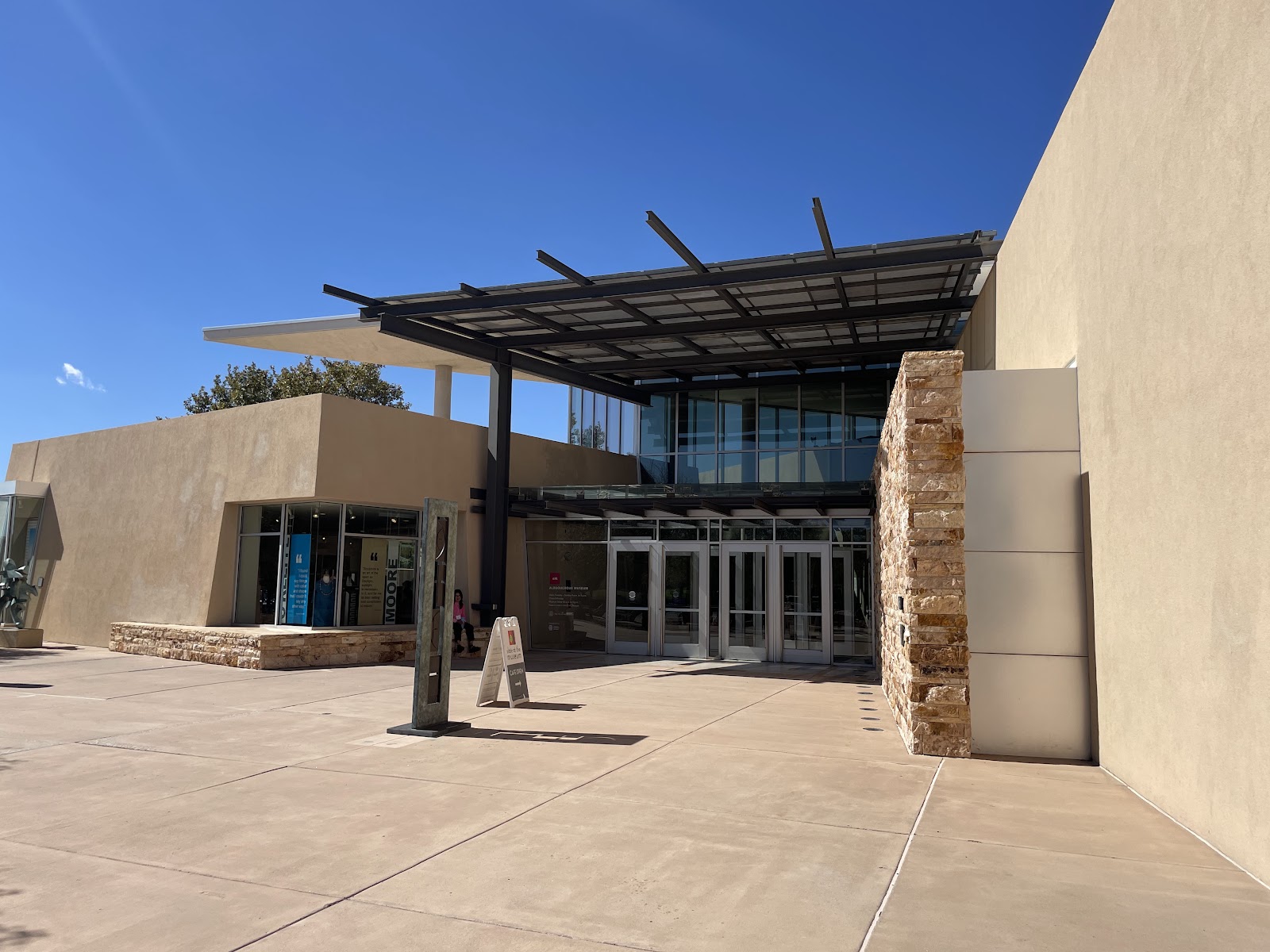
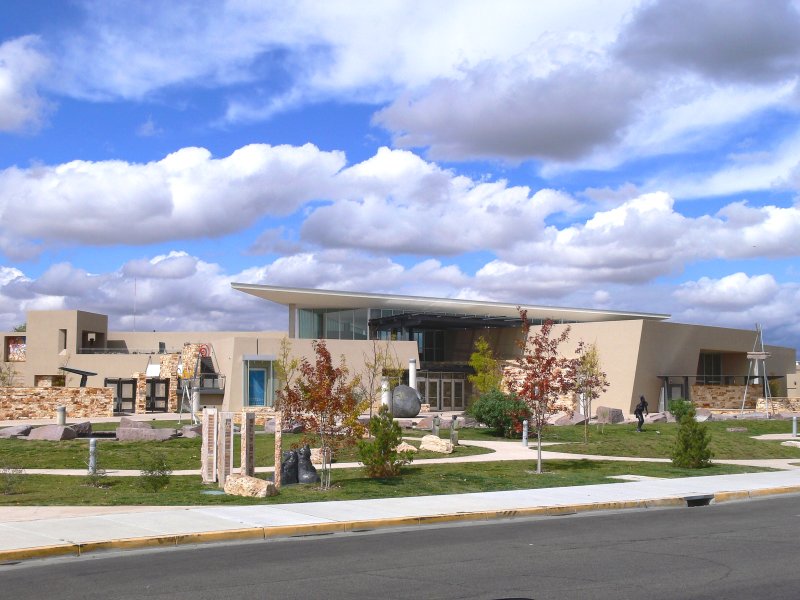
The Albuquerque Museum sits on the edge of Old Town in Albuquerque, New Mexico — a contemporary building of clean lines and extensive glazing, with a sculpture garden on its grounds, immediately adjacent to the adobe streets and plaza of the city’s original Spanish settlement.
That juxtaposition is the venue’s real offer and it is unusually complete. Within a five-minute walk a photographer has a modern glazed interior, an outdoor sculpture garden, and a genuinely old adobe district with a plaza, a church and narrow streets — three registers that could hardly be more different, with no transit time between them.
This is a walk through those spaces in the order the day would use them. We have not photographed a wedding at the Albuquerque Museum; contemporary glazed interiors, sculpture gardens and adobe streets behave the same wherever they occur. Which spaces host events and what the sculpture garden permits are questions for their events team, and whether the Old Town streets can be used at all is worth asking as a separate question.
The Albuquerque Museum at a glance
| Where | Edge of Old Town, Albuquerque, New Mexico |
| Character | Contemporary glazed museum with a sculpture garden beside Old Town |
| Three registers | Modern glass, outdoor sculpture, and four-century-old adobe |
| Transit | None — everything is within a five-minute walk |
| Plan for | Thin-air midday sun, dust, and a public plaza with visitors |
Inside: glazing at altitude is better light than it sounds
A contemporary museum with extensive glazing has a specific advantage in the high desert that the same building would not have at sea level. Dry, clear air means the light arriving is stronger and less diffused, so a large window facing away from the sun collects a very large area of bright open sky and delivers it as a clean, soft, powerful source. It is materially better window light than a humid low-altitude city gives.
The working method is simple and it is the same everywhere: place the couple a metre back from the glass and turn them into it. That gives a broad soft key with a natural fall-off into the room behind, which separates them from the background without any equipment. In a museum where the interiors are otherwise lit for exhibits, this is the only light worth using for portraits.
The complication is direct sun. On the sunlit side, glazing produces a hard bright patch, extreme contrast and — if the façade is gridded — mullion shadows striping across faces and fabric, which cannot be corrected afterwards. Move to the other side of the building, wait, or work in the shadow between bays rather than in a lit one.
Contemporary interiors also give nothing away for free. Clean lines and restrained colour mean the background never competes, which is genuinely useful, but it also means nothing supplies visual interest and the photographer must create it through light, gesture and precise framing. In a spare room, a slightly crooked horizon or an ambiguous near-symmetry is glaring, because there is nothing else in the frame to distract from it.
The sculpture garden: objects that will not move
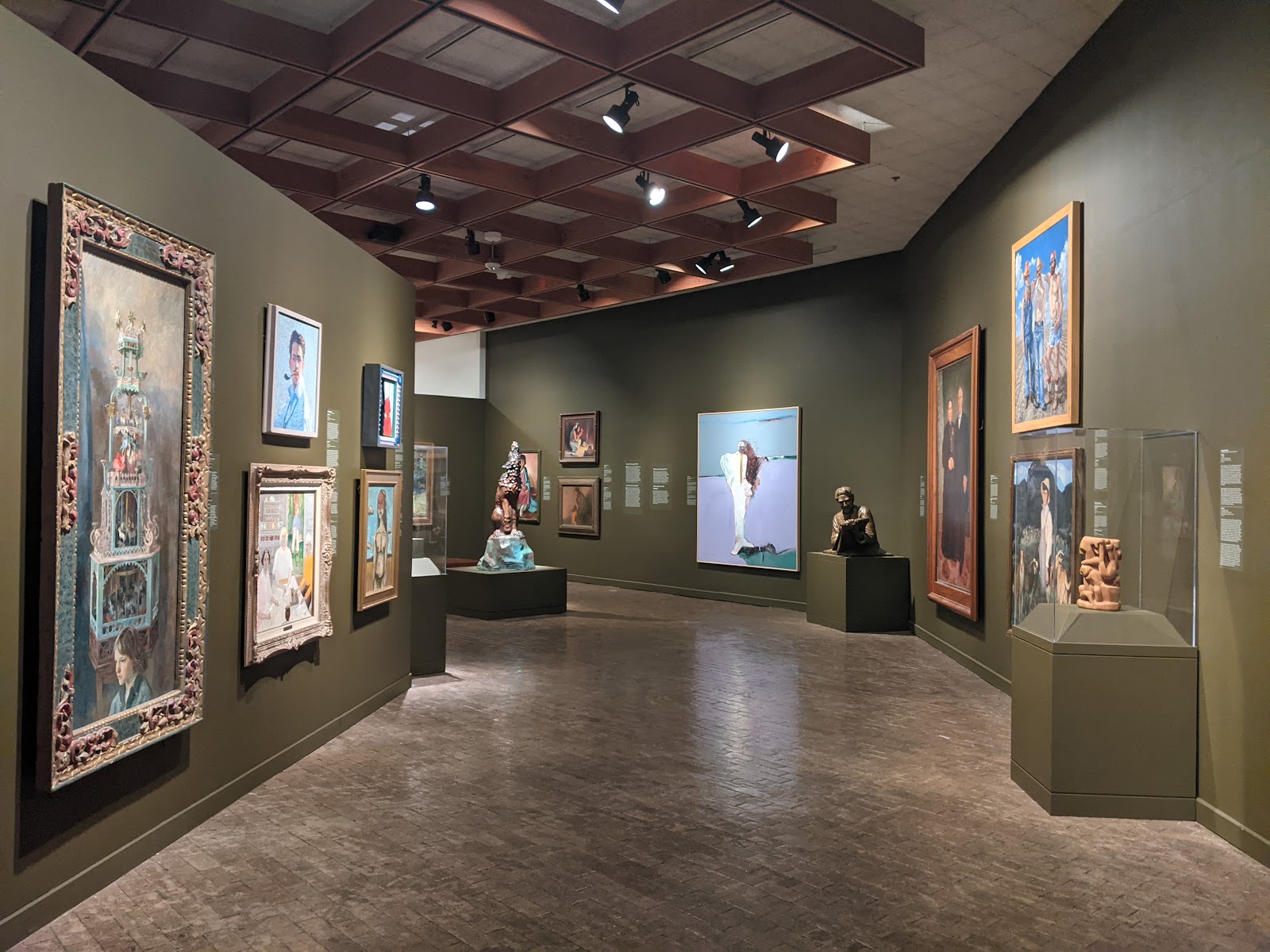
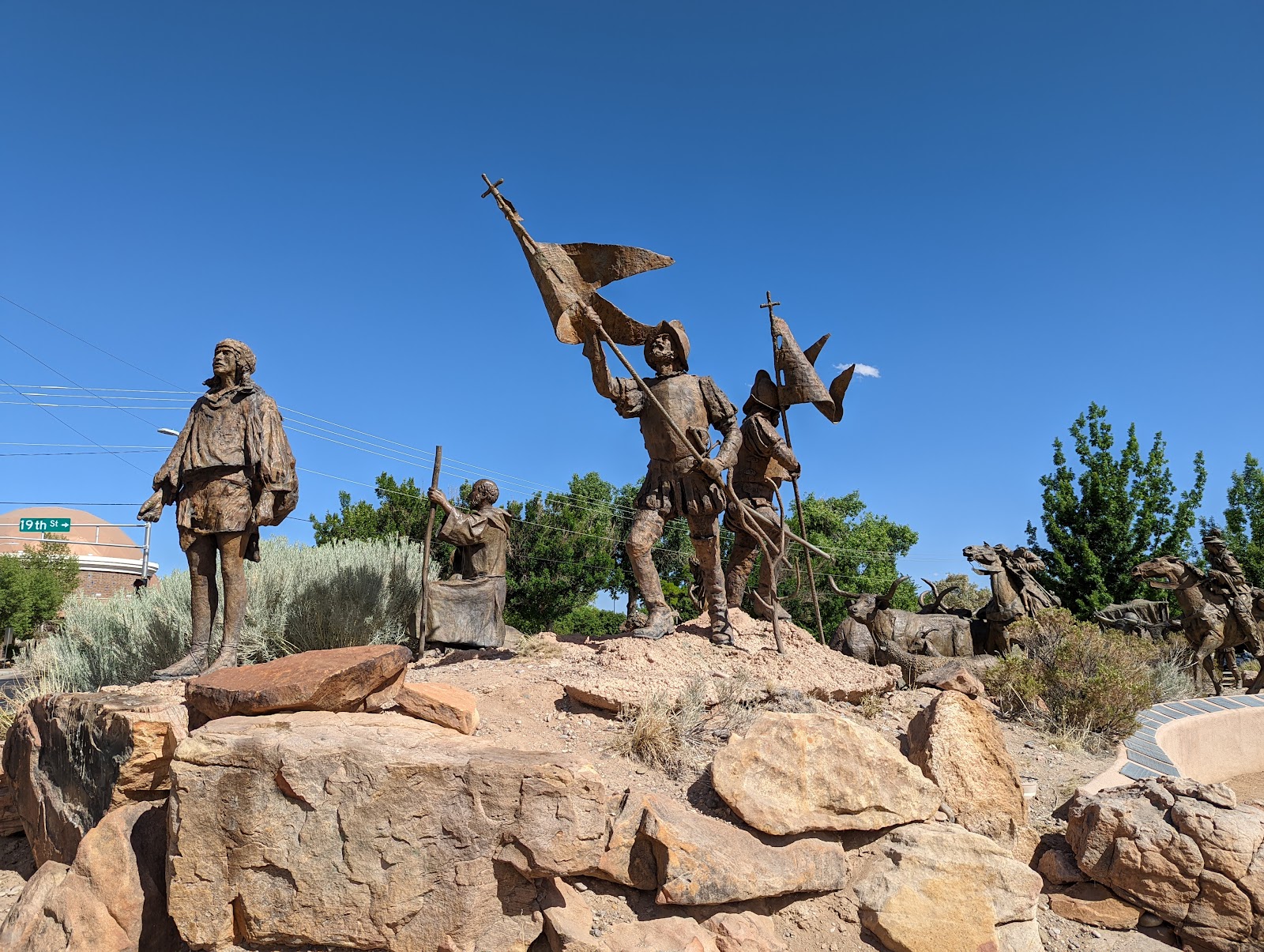
An outdoor sculpture garden is a useful and slightly awkward location. Useful because it provides strong three-dimensional forms, real shade from larger pieces, and a background with structure rather than emptiness. Awkward because the works are fixed, often large, and visually assertive — a sculpture behind a couple competes for attention in exactly the way a museum exhibit does indoors.
The decision is the same as it is with any strong background object: subordinate it or commit to it. Subordinate with a long lens at a wide aperture, so the piece becomes a soft shape of tone and the couple are the only sharp thing. Commit by going wide, placing the couple small and deliberately within the composition, and letting the work be the subject with two people for scale. The failure is the middle, where both are sharp and similar in size and neither dominates.
Sculpture gardens also give something few outdoor spaces do: hard-edged shade in the middle of the day, from the works themselves and from any structure around them. At this altitude, where midday sun runs to five stops across a face, a large solid object casting a reliable shadow is worth finding. Two metres inside that shadow line, facing the bright open garden, gives a big soft key and a dark surround.
The last ninety minutes are when the garden is at its best, because low sun rakes across three-dimensional forms and reveals them — exactly as it does with carved stone or adobe render. Flat midday light makes a sculpture look like a flat shape; raking light makes it look like an object. The hour that serves the artworks serves the faces too.
Out to Old Town: adobe, a plaza and the public question
Old Town is the reason to base a wedding here rather than at a purely modern venue. Adobe buildings around a plaza, a historic church, narrow streets, portales and cottonwoods give you a register that is four centuries old, genuinely regional, and about as far from a glazed museum interior as it is possible to get while staying on the same block.
Adobe behaves the way it always does and it is worth using deliberately. A warm rendered earth wall in sun is an enormous warm reflector, throwing soft strongly warm fill onto anyone near it — flattering on skin, and free. Set white balance warm but not fully corrected, so the wall reads as earth and skin reads as skin. And adobe texture needs raking light: flat midday erases it, low sun lifts every irregularity into relief.
The portales — the covered walkways along the fronts of the buildings — are the most useful feature. A deep covered walkway gives hard-edged full shade with a bright open plaza in front of it, which is the reliable portrait light of any adobe town: large soft key from the open sky, dark surround behind, available all day whatever the sun is doing. They are also a colonnade, so they provide a receding line as well as shade.
The public question governs the practicalities. Old Town is a visitor district with shops, restaurants and a plaza that is busy through the middle of the day, and none of it is private. The workable method is the usual one — long lens to compress people into unreadable background, tight framing to exclude signage and parked cars, and the early or late hours rather than the middle of the afternoon. Early morning in Old Town is genuinely quiet and the light is clean, which makes it the best window available if the timeline can reach it.
Two high desert practicalities apply throughout. Fine dust is constant, so change lenses indoors rather than in the plaza, and clean more often than instinct suggests. And from July into September, afternoon monsoon storms build quickly and clear quickly — which means any outdoor block in those months needs a real fallback, and also that the most dramatic skies of the year are available in exactly those weeks.
What works in your favour
- Three completely different registers within a five-minute walk
- Glazing at altitude gives exceptionally clean, strong window light
- Sculpture and structures provide hard-edged midday shade
- Adobe walls act as large warm reflectors, flattering and free
- Portales give dependable shade plus a receding colonnade
What to plan around
- Sculpture competes with the couple unless deliberately subordinated
- Mullion shadows stripe faces on the sunlit side of glazing
- Restrained modern interiors supply no character of their own
- Old Town is a busy public visitor district with no privacy
- Constant fine dust, and monsoon storms needing a fallback in summer
More frames from The Albuquerque Museum
The Albuquerque Museum wedding photography: common questions
Why is window light better here than in other cities?
Because dry, clear high desert air means the light arriving is stronger and less diffused, so a large window facing away from the sun collects a very large area of bright open sky. It is materially better than the same window in a humid low-altitude city.
How do you handle a sculpture behind the couple?
Subordinate it or commit to it. A long lens wide open turns the piece into a soft shape of tone with the couple the only sharp thing; going wide with the couple small makes the work the subject. The failure is the middle, where both are sharp and neither dominates.
Where is the shade at midday?
Behind the sculptures and structures. At this altitude midday sun runs to five stops across a face, so a large solid object casting a reliable shadow is worth finding. Two metres inside that line, facing the bright garden, gives a soft key and a dark surround.
What do the Old Town portales give you?
The most reliable portrait light in any adobe town — a deep covered walkway giving hard-edged full shade with a bright plaza in front, so you get a large soft key and a dark surround at any hour. They are a colonnade too, so you get a receding line as well.
When should Old Town be photographed?
Early morning. It is a busy visitor district through the middle of the day with no privacy, and early is both genuinely quiet and cleanly lit. Otherwise use a long lens to compress the crowd and frame tight to exclude signage and cars.
Anything specific to the climate?
Two things. Fine dust is constant, so change lenses indoors and clean often. And from July to September afternoon storms build and clear fast — outdoor blocks need a real fallback, but those weeks also give the most dramatic skies of the year.
More Albuquerque, NM venue guides
We are writing a photographer’s guide to every venue we would happily shoot in Albuquerque, NM. Here are three more, plus the full index:
- The Balloon Museum: Four Ways Out of the Hangar Problem
- The Indian Pueblo Cultural Center: Working a Curved Plaza
- Isleta Resort: How the Lake and Mountain Frame Is Made
All Albuquerque, NM Wedding Venues →
Planning a wedding at The Albuquerque Museum?
Three registers, no driving, and one busy plaza. Tell us your date and we will plan the walk and the hours.