 The Bierstube: What Changes When the Reception Is in a Bar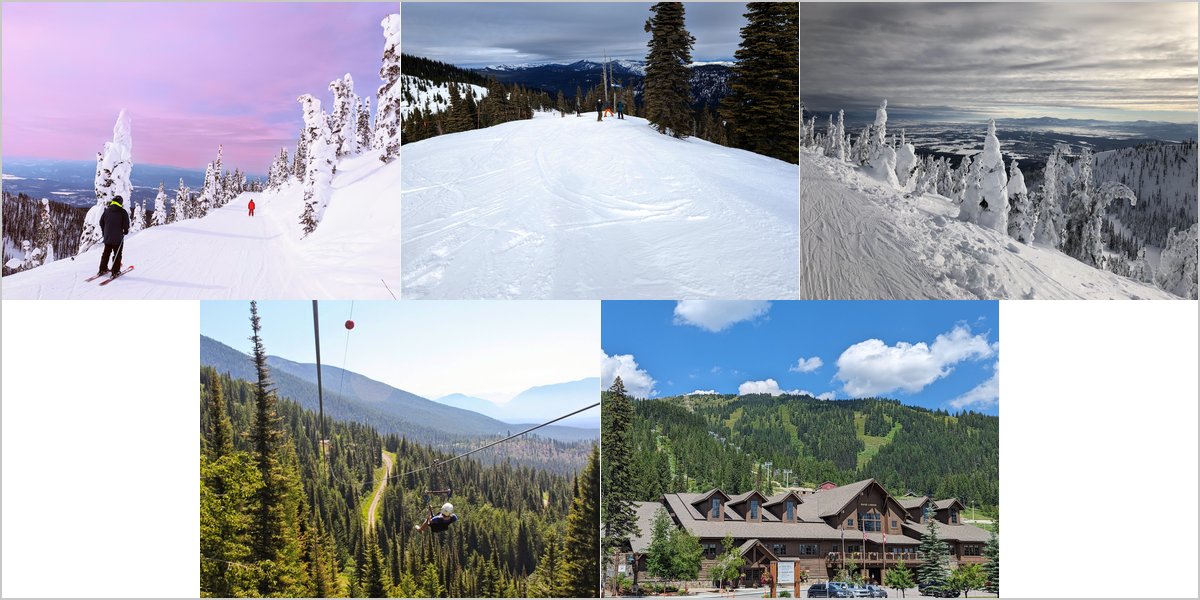
June 27, 2026
Whitefish Mountain Resort: One Decision Governs the Whole Day
Every other question at this venue is downstream of one: are you going up the mountain, or staying at the base?
Whitefish Mountain Resort occupies Big Mountain above the town of Whitefish in northwest Montana, a ski area that runs summer operations with lift access, base-area lodges and views out across the Flathead Valley toward the peaks of Glacier National Park.
There is one decision here that determines everything else, and it is worth making early rather than on the day: do you take the wedding up the mountain, or keep it at the base? Those are not two versions of the same venue. They differ in light, in weather exposure, in how much time movement costs and in what can go wrong — and almost every scheduling and equipment choice follows from the answer.
This is a piece about that fork and both of its branches. We have not photographed a wedding at this resort; what governs the choice is altitude, exposure and lift logistics, which behave predictably at any mountain. Which lifts run for events, what the access windows are and where ceremonies are permitted are questions for the resort’s events team.
Whitefish Mountain Resort at a glance
| Where | Big Mountain, above Whitefish, Montana |
| Character | Ski resort with base lodges and lift-served summit terrain |
| The fork | Summit views and real exposure, or the sheltered base area |
| Up top | Wind, thin air, no shade, and weather that changes in minutes |
| Ask first | Which lifts run for events, and how late access is permitted |
If you go up: what the summit actually gives, and costs
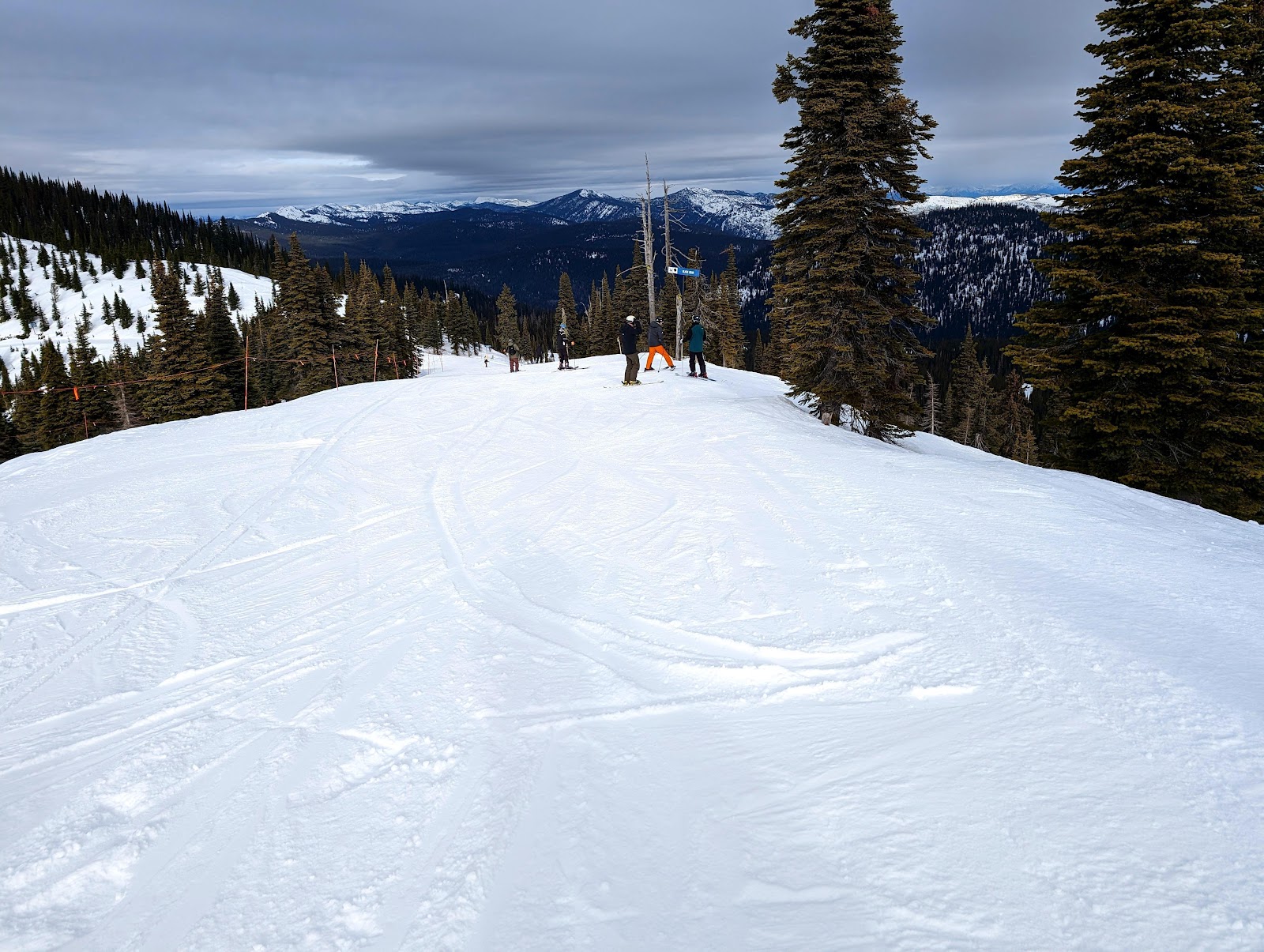
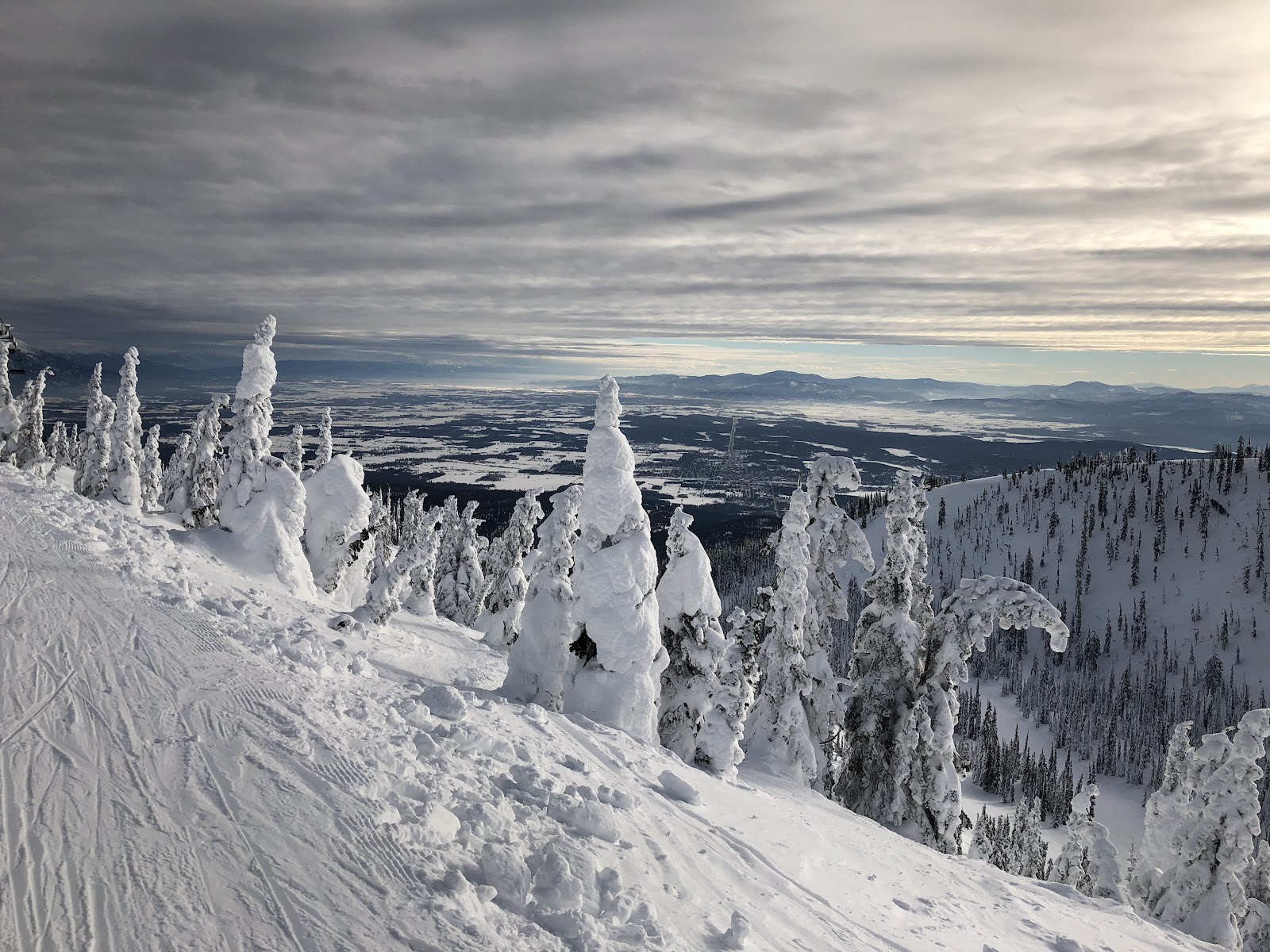
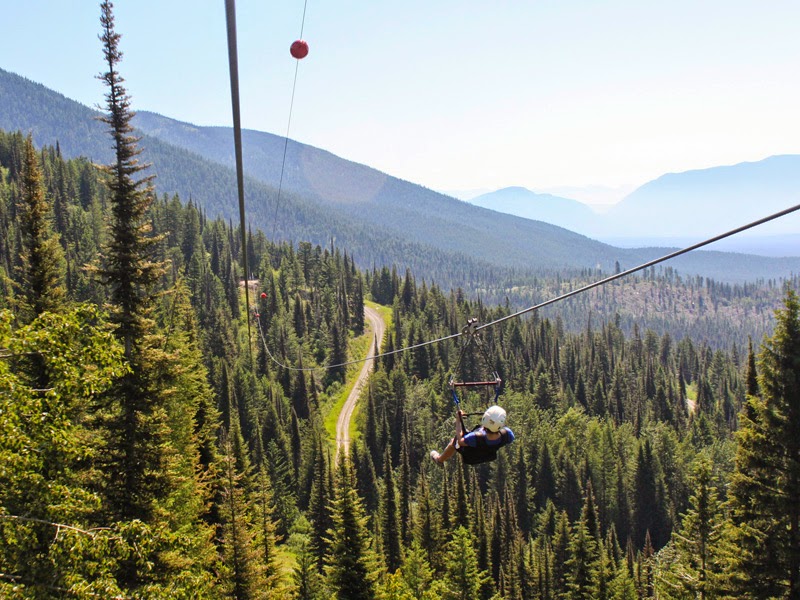
The reason to go up is the view, and it is a genuinely exceptional one — a long sight line across the Flathead Valley toward the Glacier peaks, with foreground ridgelines stacking into haze. Aerial perspective does the compositional work for you: each successive ridge lighter than the one in front, which reads as depth in a way nothing at valley level can match. A long lens compresses those layers into something close to a painted backdrop.
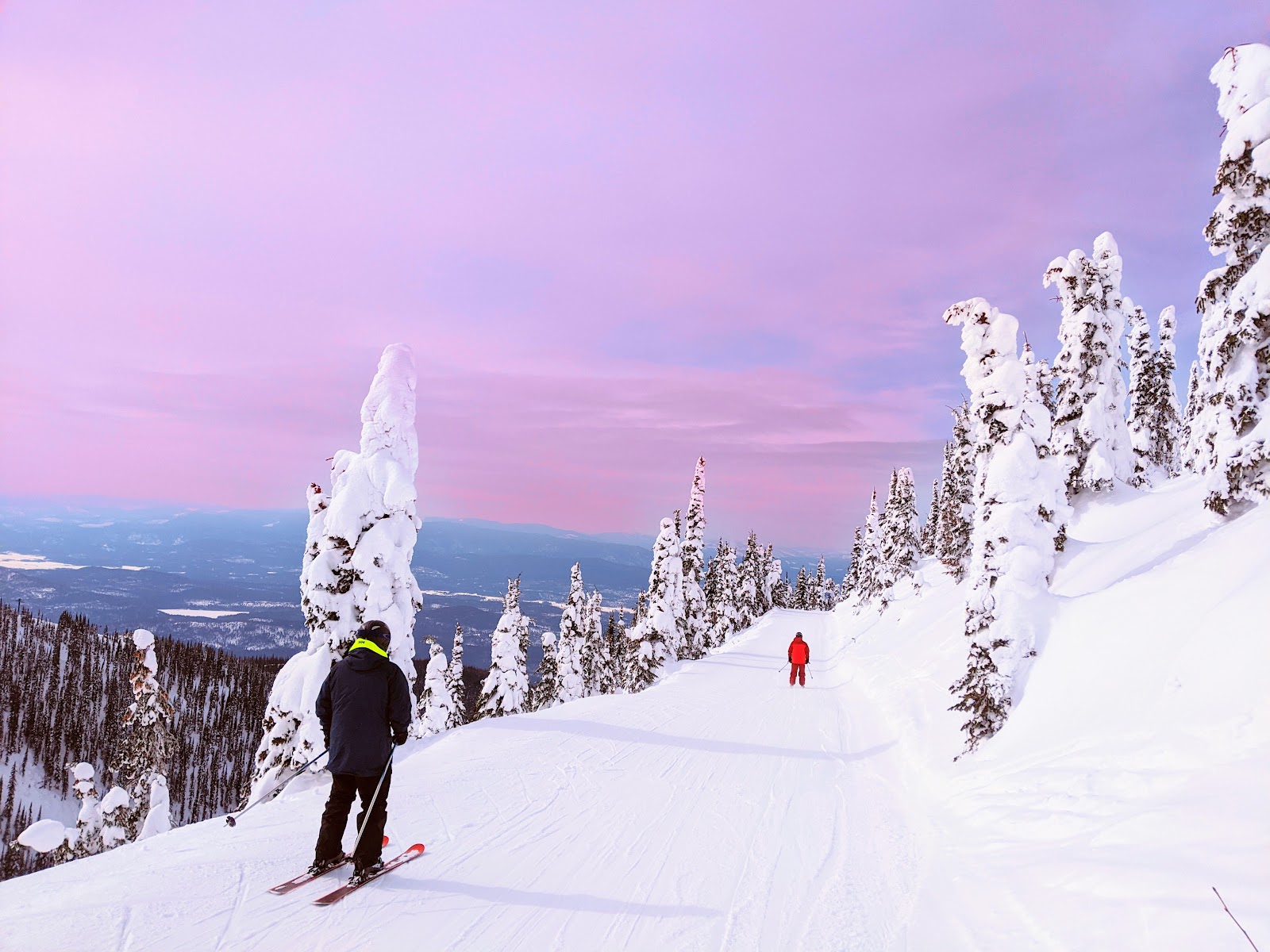
The cost list is long and each item is real. There is no shade at a summit, so midday is unworkable for faces without fill. Wind is close to constant and it is the single most disruptive factor — veils become unmanageable, hair does what it wants, and a light stand without sandbags will go over and take a modifier with it. The thin air makes contrast harder than the same hour at the base. And the temperature at the top can run ten to fifteen degrees below the town, which changes what guests are wearing and how long anyone is willing to stand still.
Movement is the other cost. Getting a wedding party up by lift is not a five-minute transition; it is a staged operation with a fixed throughput, and it has to be budgeted honestly in the timeline. Ride time, loading, gathering at the top and coming back down is an hour you do not have for anything else. That is fine if it is planned and ruinous if it is assumed away.
- Budget a full hour for a lift transition, not the ride time
- Sandbag every stand, or shoot the summit with no lights at all
- Carry layers for the couple — the top runs well below the town
- Use a long lens to stack ridgelines; wide frames lose the depth
- Have a wind frame in mind: tight, backs to it, veil held or removed
If you stay at the base: shelter, and a different problem
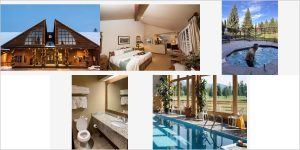
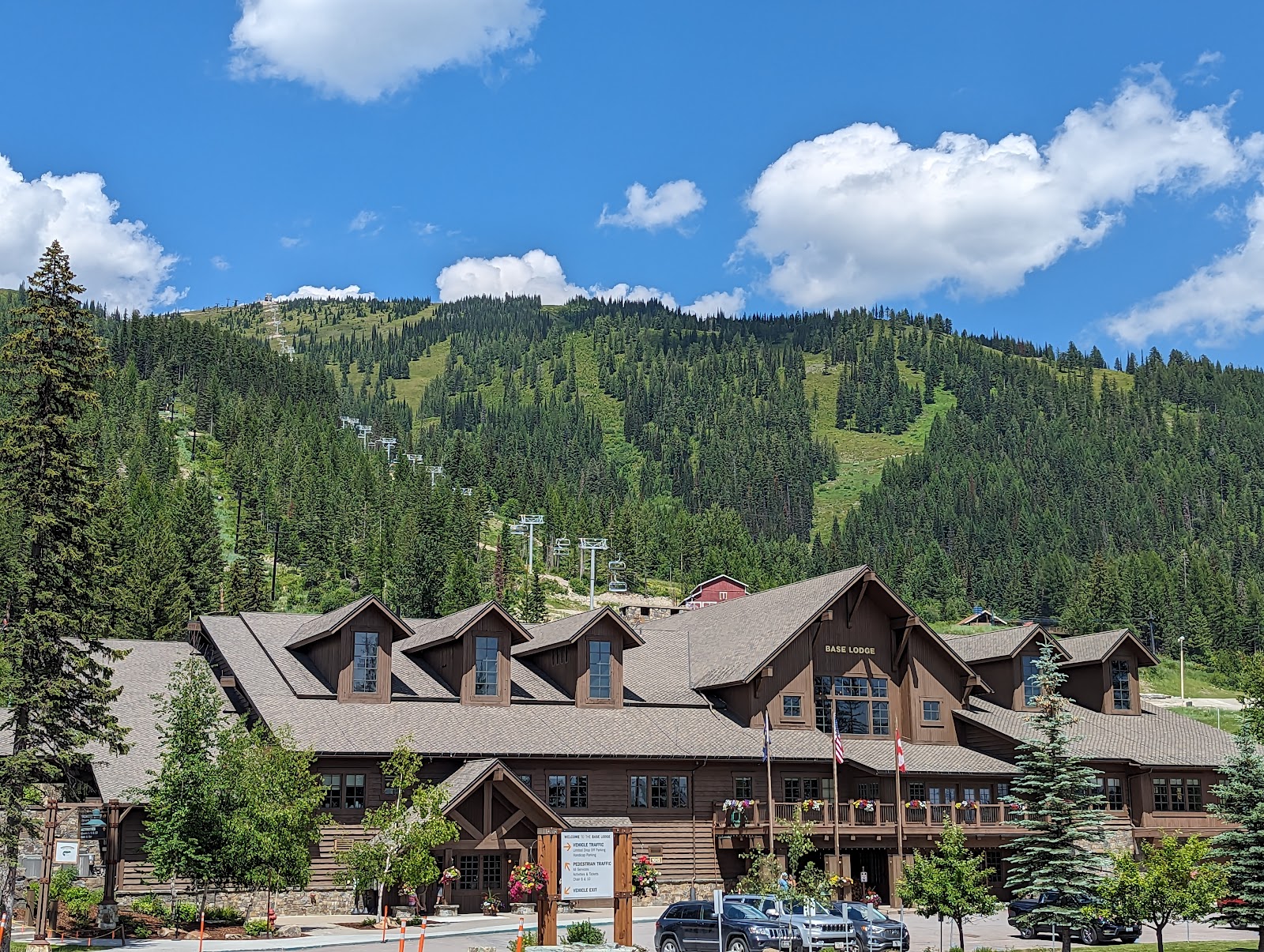
The base area is the sane choice and it is not a consolation prize. Buildings give you shelter from wind, real interiors for a weather plan, power that exists, and shade you can rely on — which at altitude matters more than it sounds. The mountain rises directly behind, so you still have a mountain backdrop; you simply have it from below rather than from on top.
The problem the base creates is its own: the mountain is west and above you, so it takes the sun away early. A base area under a ridgeline loses direct light well before the calendar sunset, and the difference can be an hour or more. That is not a disaster — the moment the sun drops behind the ridge you are in enormous, even, soft open shade, which is excellent for groups and forgiving for faces. But it means the golden hour you planned for may never arrive at the base at all, while it is still happening three hundred metres above you.
Which points at the hybrid, and it is usually the right answer: everything at the base, one deliberate trip up for twenty minutes of couple portraits at the time the summit still has light. You get the shelter and the infrastructure for the day that matters, and the view for the frames that matter. It requires the lift access window to extend late enough, which is precisely why that is the first question to ask.
Mountain weather is not a rain plan, it is a different discipline
At valley level a rain plan is a room you move into. On a mountain, weather is faster, more local and more varied than a forecast can describe. Cloud can come up the face and swallow a summit in fifteen minutes while the town below stays in sun. Afternoon convective build-up is normal in the northern Rockies in summer. And where there is cloud on a ridge there is lightning risk, which is the one condition that ends outdoor coverage immediately and non-negotiably.
So the plan is not a single fallback but a decision point. Agree with the couple and the coordinator, in advance, what time you look at the sky and commit — and agree that the answer might be no summit at all. A decision made calmly at two in the afternoon is a different thing from one made at the lift queue with forty guests waiting.
The compensation is that mountain weather makes photographs the sun never will. Cloud tearing across a ridge, a couple on a summit with fog closing behind them, a break in a storm with a shaft of light on a distant peak — these are the frames people remember, and they only exist on days the forecast called bad. Keep shooting through weather rather than waiting it out, because the fifteen minutes of the clearing is where the best frame of the day usually is.
Two practical notes. Bring rain covers that work on a windy ridge rather than in a garden, because a shower at altitude arrives sideways. And watch condensation moving gear between a heated lodge and a cold summit — it fogs a lens for a quarter of an hour, which is the entire length of a good clearing.
What works in your favour
- A summit sight line across the Flathead Valley toward the Glacier peaks
- Aerial perspective stacks ridgelines into real depth with a long lens
- The base area gives shelter, power and dependable interiors
- Storm light and clearing fog produce frames that clear days cannot
- Full four-season range, from summer alpine to deep winter snow
What to plan around
- Near-constant summit wind wrecks veils, hair and unsecured lighting
- No shade at the top, so midday needs real fill or a different plan
- Lift transitions cost a full hour of timeline, not the ride time
- The ridge takes direct sun off the base area well before actual sunset
- Lightning risk ends outdoor coverage instantly, with no negotiation
More frames from Whitefish Mountain Resort
Whitefish Mountain Resort wedding photography: common questions
Should we hold the wedding at the summit or the base?
Usually the hybrid: the whole day at the base, where there is shelter, power and dependable interiors, plus one deliberate trip up for twenty minutes of couple portraits while the summit still has light. That needs the lift access window to run late enough, which is the first thing to confirm.
How long does it take to move a wedding party up the lift?
Budget a full hour, not the ride time. Loading a group, riding, gathering at the top and coming back down is a staged operation with fixed throughput. Planned, it is fine. Assumed away, it eats the portrait block and the cocktail hour together.
What is the hardest thing about photographing a summit?
Wind. It is close to constant, it makes veils unmanageable and hair uncontrollable, and it will take over an unsandbagged light stand along with the modifier on it. Either sandbag everything or plan to shoot the summit with no lights at all.
Does the base area get golden hour?
Often not. The mountain is above and west of the base, so it takes direct sun away well before the calendar sunset, sometimes by an hour or more. What you get instead is enormous even open shade, which is excellent for groups. The golden light may be happening three hundred metres above you.
What happens if the weather turns?
Mountain weather is faster and more local than a forecast. Agree in advance on a time to look at the sky and commit, and accept that the answer may be no summit at all. Lightning near a ridge ends outdoor coverage immediately. Keep shooting through weather, though — the clearing is usually the best frame of the day.
Is it colder at the top?
Typically ten to fifteen degrees below the town, plus wind chill. That changes what guests wear and how long anyone will stand still for a photograph. Carry layers for the couple and plan the summit block to be short and decisive rather than exploratory.
More Whitefish venue guides
We are writing a photographer’s guide to every venue we would happily shoot in Whitefish. Here are three more, plus the full index:
- The Farmhouse Inn: Four Ways Out of the Open-Ground Problem
- The Firebrand Hotel: Photographing a Mountain Town from Inside It
- Grouse Mountain Lodge: Broad Lawns and the Group Photograph
All Whitefish Wedding Venues →
Planning a wedding at Whitefish Mountain Resort?
Summit or base is the decision that shapes everything else here. Tell us your date and we will walk you through both branches before the timeline is locked.