 The Riverside Hotel, Boise: The Light Through a Day
The Idaho Botanical Garden, Boise: A Walk Through the Site
A garden in a semi-arid valley has less shade than a garden anywhere wet. Plan for that first.
A botanical garden in a semi-arid valley is a different proposition from one in a wet climate, and the difference is shade.
In the east a garden’s problem is dappled light, because the canopies are dense and the gaps between leaves are many. Here the problem is that there may be no canopy at all: high desert planting is adapted to dryness, which means small-leaved, open-crowned, low-growing species that filter almost nothing. A xeric bed in June has no shade in it anywhere.
What shade exists is in three places: the irrigated parts of the garden where larger deciduous trees can be sustained, the built structures, and the valley’s riparian corridor, where cottonwoods along the river give genuinely full shade. Those are the positions to find, and they are fewer than at a garden of the same size somewhere wet.
Against that, the air is exceptionally clear, which makes low sun cleaner and harder here than almost anywhere — and the foothills rising beyond the garden give a background that changes colour through the year.
Walked in the order a wedding day uses it, the site resolves into four zones. We have not photographed a wedding at the Idaho Botanical Garden; high desert gardens behave consistently. Which areas are included, the path and access rules, and what the covered alternative is are questions for their team.
The Idaho Botanical Garden at a glance
| Where | Boise, Idaho, in a semi-arid valley |
| The problem | Desert planting filters almost nothing — there may be no shade at all |
| Where shade is | The irrigated areas, the built structures, and the river cottonwoods |
| The gift | Exceptionally clear air, which makes low sun hard and clean |
| Ask first | Areas included, path and access rules, covered alternative |
The beds, and where the shade is
The planted beds are the first zone and they are the garden’s subject rather than its shade. High desert species have small leaves, open habits and silvery or grey foliage — which is genuinely beautiful and photographs unlike anything in the east, but which provides no cover at all.
Silvery foliage is worth understanding because it behaves differently from green. Grey-leaved plants are more reflective than dark green ones, which means a bed of them near a subject throws a cool, neutral light rather than a green cast — and in a garden whose planting is largely silver and grey, the colour problem that dominates an eastern woodland garden simply does not arise.
That reflectivity also means the beds are brighter than their eastern equivalents, which raises the ambient and makes a subject standing among them lit partly from the side by the planting itself.
What it does not do is shade a face. So the beds are a background and a foreground, and the positions in them work at the ends of the day when the sun is low enough to come across faces rather than down onto them — and not at all in the middle of a summer day, when at this latitude, about forty-three and a half degrees north, the sun reaches around seventy degrees above the horizon and the dry air softens nothing.
The irrigated areas are the second zone and they are where the garden’s shade is. Where water is supplied, larger deciduous trees can be sustained — and a mature deciduous crown in a desert garden is an oasis in the literal sense: genuinely full shade over an area a group can stand in, with a green cast rather than a grey one, and a completely different colour register from the xeric beds a few metres away.
Ten minutes on arrival identifying which trees genuinely qualify is the most valuable ten minutes of the day, and the test is the universal one: look at the face rather than the ground, and any bright spot means move a metre. In a garden where shade is scarce, that is a shorter list than usual and worth writing down.
Those areas also need a custom white balance set on a face in the position being used, because dense green canopy throws green while the silvery beds throw grey — which means two parts of the same garden need different settings, and one applied across both will be wrong somewhere.
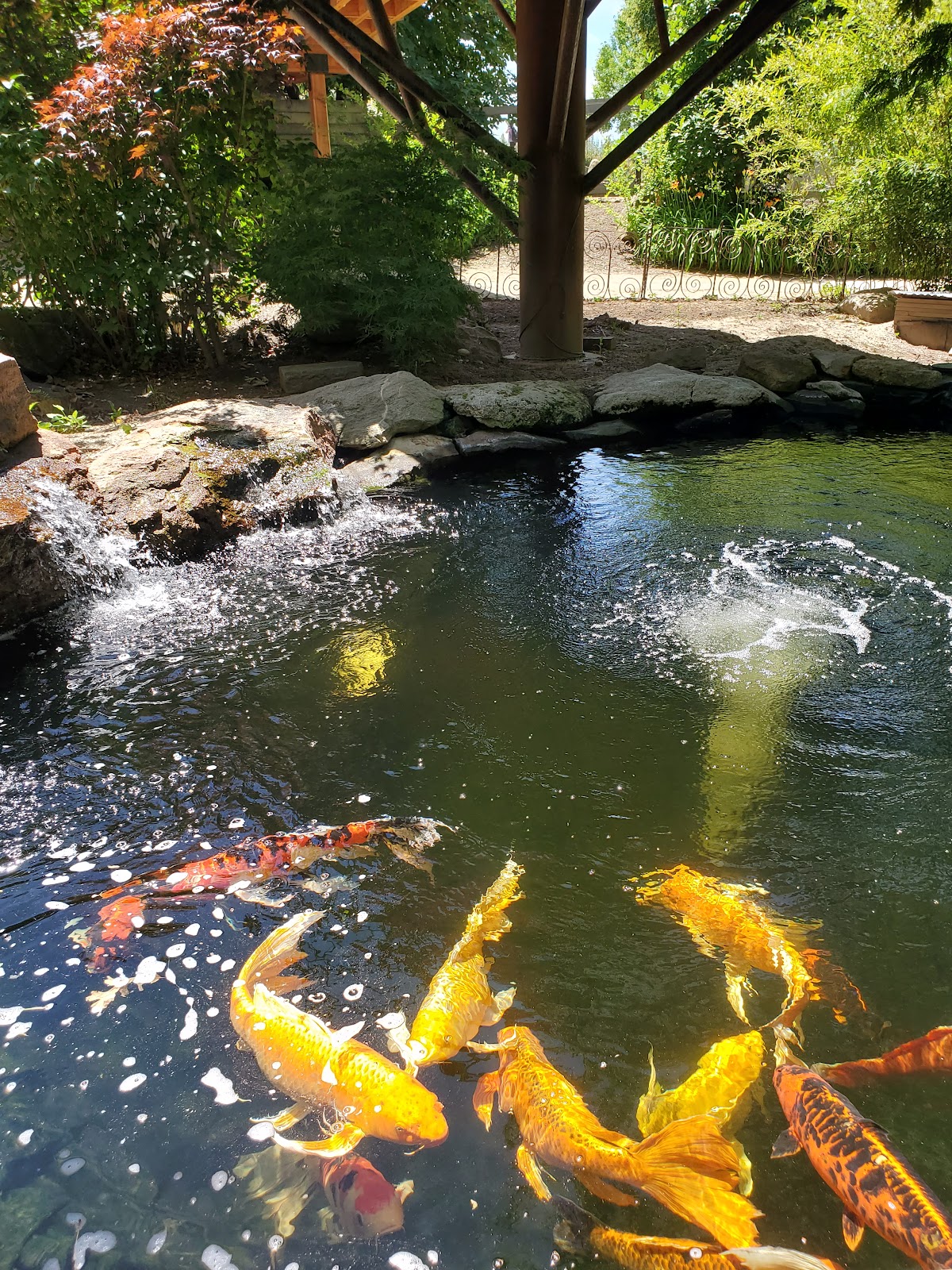
And water features, where the garden has them, do what water always does: reflect, bounce light upward to fill facial shadows, and make shutter speed a choice. Camera height decides between a mirror and a view of the basin, and low is usually the answer.
The structures, and the foothills
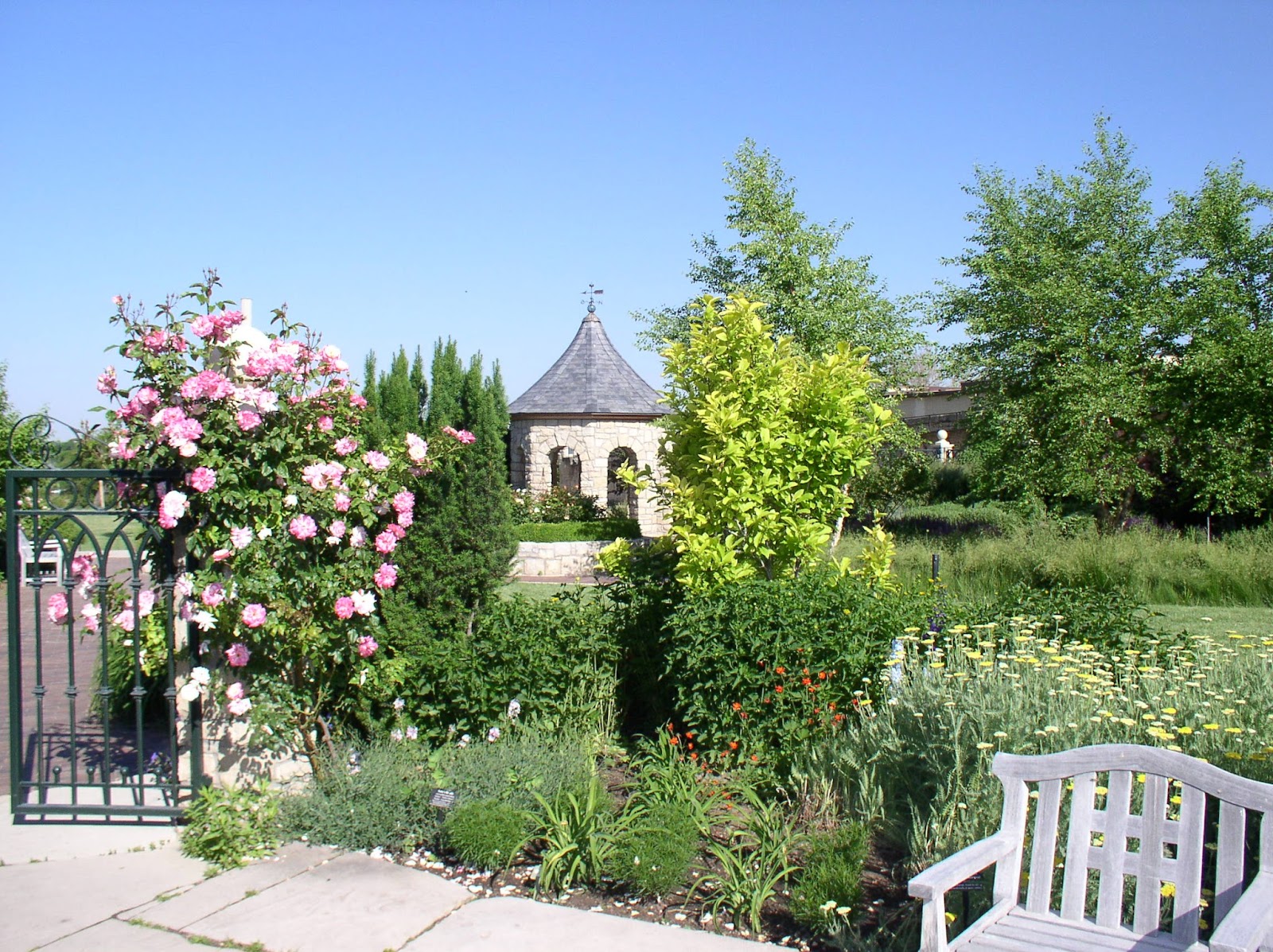
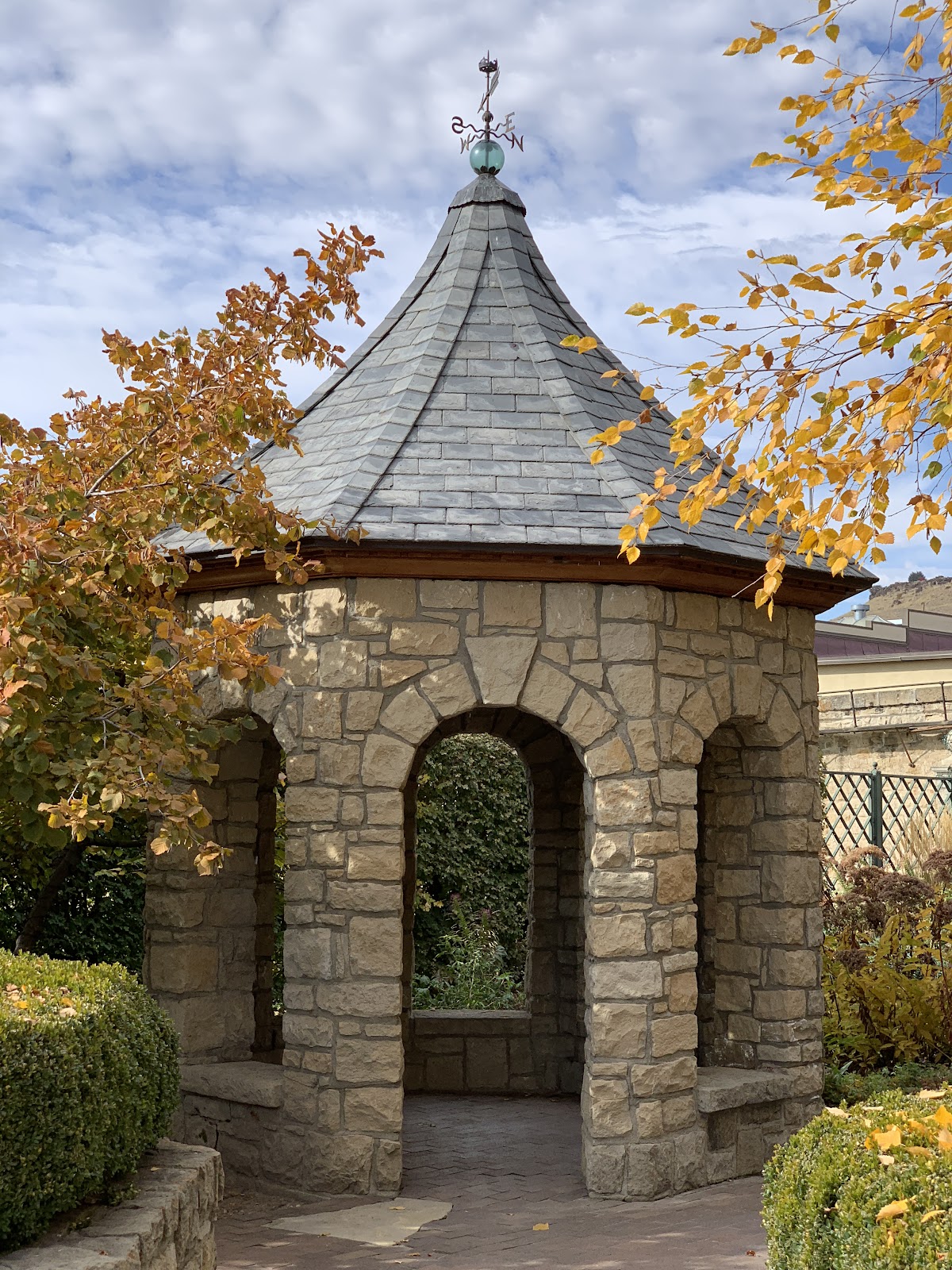
The built structures are the third zone and in a garden with little natural shade they matter more than they would elsewhere.
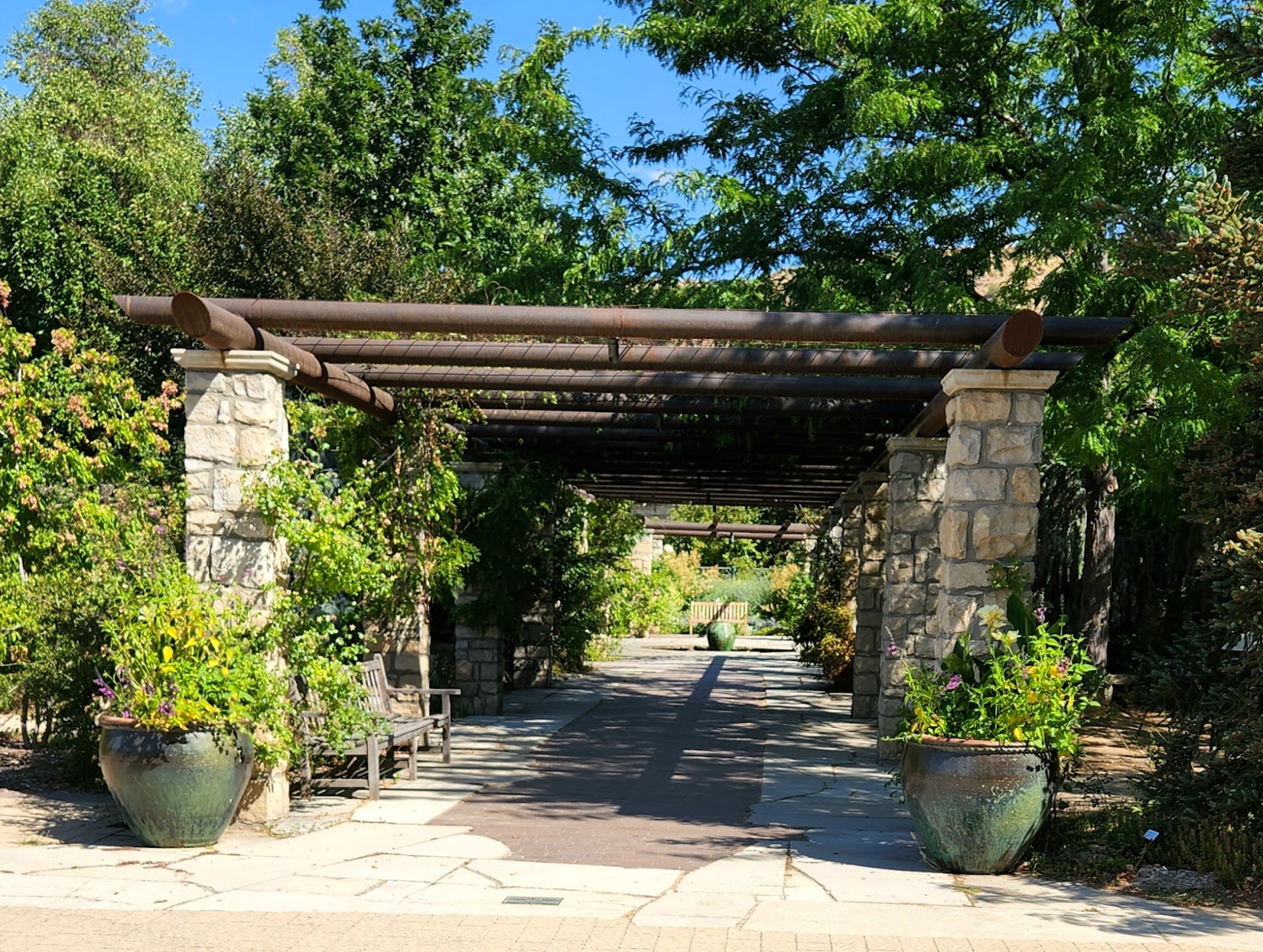
Any roofed structure with an open face — a pavilion, a pergola with a solid top, a covered terrace, a glasshouse porch — does three things at once: the roof blocks the overhead component of the sun, the depth restricts the light to a horizontal band, and the floor bounces it back to fill under the chin. That is a balanced three-source setup occurring naturally, available at any hour, and it cannot dapple because the roof is solid.
A pergola with an open slatted top is the exception and the trap: slats dapple as badly as a thin canopy, and in this clear hard light the bars across a face are severe. So the distinction between a solid roof and a slatted one is worth checking rather than assuming, and a slatted structure is only usable when the sun is low enough to come in under it rather than through it.
The working position under a solid roof is about a third of the way in from the open edge, and looking along a covered walk rather than out of it gives depth with the far end darkening by itself.
Walls are the other built shade and they are reliable: the north side of any substantial structure is shaded all day at this latitude, and a solid wall makes shade with direction rather than dappled shade. Pale stucco or stone walls are better still, because they double as reflectors — a sunlit pale elevation is a soft source, so a couple three or four metres out from one, facing it, is well lit for nothing, with a custom white balance set on a face because that bounce is warmer than daylight.
The foothills are the fourth zone and they are the garden’s background rather than a place to stand. Sagebrush-covered slopes rising beyond the planting change colour through the year — green in spring after the rains, gold and brown through a dry summer, and snow-dusted in winter — which means the same frame from the same position has three or four different backgrounds across the year.
They are also treeless, which makes them a clean tonal mass rather than a busy one. That is genuinely useful: a couple in lit garden planting with a plain gold or brown slope behind them is separated by tone with no equipment, which a wooded background does not provide.
The clear air is what makes those slopes read. Dry semi-arid air scatters little, which means distant ground holds detail and texture rather than hazing into grey — so a long lens compressing the foothills into a textured wall behind a couple is a frame this climate gives and a humid one does not.
And the timed frame is the crossing: twenty-five to forty minutes after sunset, when the sky still holds colour at about the brightness of any installed lighting. In dry air that window is shorter than in a humid climate, so it is a scheduled ten minutes rather than a wander.
- The beds are subject, not shade — work them at the ends of the day
- Ten minutes finds the irrigated trees that give genuinely full shade
- Different white balance for the green shade and the silver beds
- Check whether a pergola’s roof is solid or slatted; slats dapple badly
- Use the treeless foothills as a plain tonal background behind planting
The Idaho year
Spring is the garden’s own season and it is short and vivid. The valley greens after the winter and spring rains, the foothills turn briefly green rather than gold, the irrigated trees come into new leaf — thin, translucent and the best green of the year — and the canopy has not yet closed, so the dappling in the shaded areas is at its mildest.
Late April into May is the best combination of flowering, comfortable temperatures and forgiving light, and it is the one time the foothills behind the garden are green rather than gold.
Summer is hot and very dry. The middle of the day is unusable in the open and the ends of it are exceptional, because dry clear air at low sun gives the hardest and cleanest raking light a photographer will meet — which is what silvery foliage, stone and a sagebrush slope all want. The valley browns off through the season, so the foothills go gold, which is a warm distinctive background and a genuine reason to prefer late summer for a particular look.
Late summer brings the condition that deserves naming honestly, because it has become a reliable part of the western calendar: wildfire smoke. Smoke from fires elsewhere in the region can sit in a valley for days, and its effect is substantial — the foothills flatten to grey or disappear, the sun turns orange and loses its edge, and the deep blue sky goes.
For a garden whose background is those foothills that matters. It is not all loss — smoke is diffusion, so faces are softly and warmly lit and the light becomes usable in the middle of the day for once — but a couple booking August or early September should know the clear version is not guaranteed.
Thunderstorms are possible in summer and they are a genuine hazard on open ground rather than an inconvenience, which means a named covered alternative with a known capacity, agreed at booking. In a garden with limited built structure that is a question worth asking specifically.
Autumn is the best window of the year: the smoke usually clears, the air returns to its normal exceptional clarity, and the irrigated trees — cottonwoods and other deciduous species — turn yellow, which against gold foothills and silver planting is the garden’s own palette. Late September into October is the strongest period.
Winter brings the valley’s distinctive condition, which is the inversion: cold air settling under warmer air above, trapping haze and fog at low level for days. In a valley-floor garden that means flat, soft, grey light with no shadows at all — which is genuinely good for faces and removes the shade problem entirely, at the cost of the foothills disappearing.
Snow is regular at this elevation and it does two useful things: it is the best natural fill available outdoors, lifting exactly the shadows a low sun carves while fooling a meter by about two stops; and snow on silver and grey desert planting is a quiet, distinctive frame unlike anything a wet-climate garden produces.
The December midday sun at this latitude reaches only about twenty-three degrees above the horizon, which means the whole short day is raking light — and for once the garden’s lack of shade costs nothing at all.
More frames from The Idaho Botanical Garden
The Idaho Botanical Garden wedding photography: common questions
Why is shade scarce in a desert garden?
Because high desert planting is adapted to dryness — small leaves, open crowns, low growth — which filters almost nothing. A xeric bed in June has no shade in it.
Where is the shade then?
In the irrigated areas where larger deciduous trees can be sustained, in built structures with solid roofs, and in the river’s cottonwood corridor.
Does silvery foliage cast a colour?
Grey rather than green, and less strongly — which means the green-cast problem that dominates an eastern woodland garden largely does not arise here.
What should be checked about a pergola?
Whether its roof is solid or slatted. Slats dapple as badly as a thin canopy, and in this hard clear light the bars across a face are severe.
How should the foothills be used?
As a plain tonal background. They are treeless, which makes them a clean mass rather than a busy one, and the clear air means they hold texture.
Is winter usable?
Genuinely. A low December sun rakes all day so the lack of shade costs nothing, and valley inversions give flat soft grey light with no shadows at all.
More Boise, ID venue guides
We are writing a photographer’s guide to every venue we would happily shoot in Boise, ID. Here are three more, plus the full index:
- The Owyhee Hotel, Boise: A Building Converted Twice
- The Riverside Hotel, Boise: The Light Through a Day
- The Boise Depot, Idaho: The One Decision That Governs Everything
Planning a wedding at The Idaho Botanical Garden?
Shade is the scarce thing here. Tell us your date and we will find it first.